Common Asian Rhinoplasty Myths
Common Asian Rhinoplasty Myths
Asian rhinoplasty is often surrounded by misconceptions, especially on social media and online forums. In reality, modern techniques focus on personalized treatment plans, facial harmony, and structural stability rather than following a single beauty standard. Understanding the facts can help patients make more informed decisions before considering surgery.
Myth 1: Every Asian Rhinoplasty Looks the Same
One of the most common misconceptions is that all procedures produce identical results.
In reality:
- Every nose is different
- Facial proportions vary
- Surgical plans are individualized
- Personal preferences differ
- Skin thickness varies
- Cartilage structure differs
- Customized design is essential
Modern rhinoplasty is tailored to each patient's anatomy and goals.
Myth 2: The Goal Is to Erase Ethnic Features
Many people believe the procedure is intended to remove ethnic identity.
In practice, many patients prefer:
- Natural-looking enhancement
- Preserved facial character
- Better facial harmony
- Subtle refinement
- Balanced proportions
- Individualized results
- Respect for unique features
The objective is often enhancement rather than transformation.
Myth 3: Higher Is Always Better
A very high bridge is not automatically considered more attractive.
Successful planning typically focuses on:
- Facial balance
- Natural proportions
- Appropriate projection
- Smooth contours
- Personalized design
- Long-term stability
- Overall harmony
Excessive augmentation may not complement every face.
Myth 4: Cartilage Is Always Better Than Implants
There is no universal answer that applies to every patient.
Treatment decisions depend on:
- Individual anatomy
- Surgical goals
- Available cartilage
- Skin thickness
- Functional needs
- Previous surgery
- Surgeon's recommendations
In some cases, implants, cartilage, or a combination of both may be appropriate.
Myth 5: Recovery Is Finished in a Few Weeks
Initial healing is only part of the recovery process.
Patients commonly experience:
- Temporary swelling
- Mild bruising
- Tip firmness
- Ongoing refinement
- Gradual tissue settling
- Progressive contour changes
- Long-term healing over many months
Patience is an important part of the overall process.
Myth 6: Rhinoplasty Is Purely Cosmetic
Not every procedure is performed for appearance alone.
Some surgeries also address:
- Breathing difficulties
- Structural weakness
- Deviated septum
- Previous injuries
- Congenital differences
- Functional support
- Combined cosmetic and functional goals
A thorough evaluation can identify both aesthetic and functional concerns.
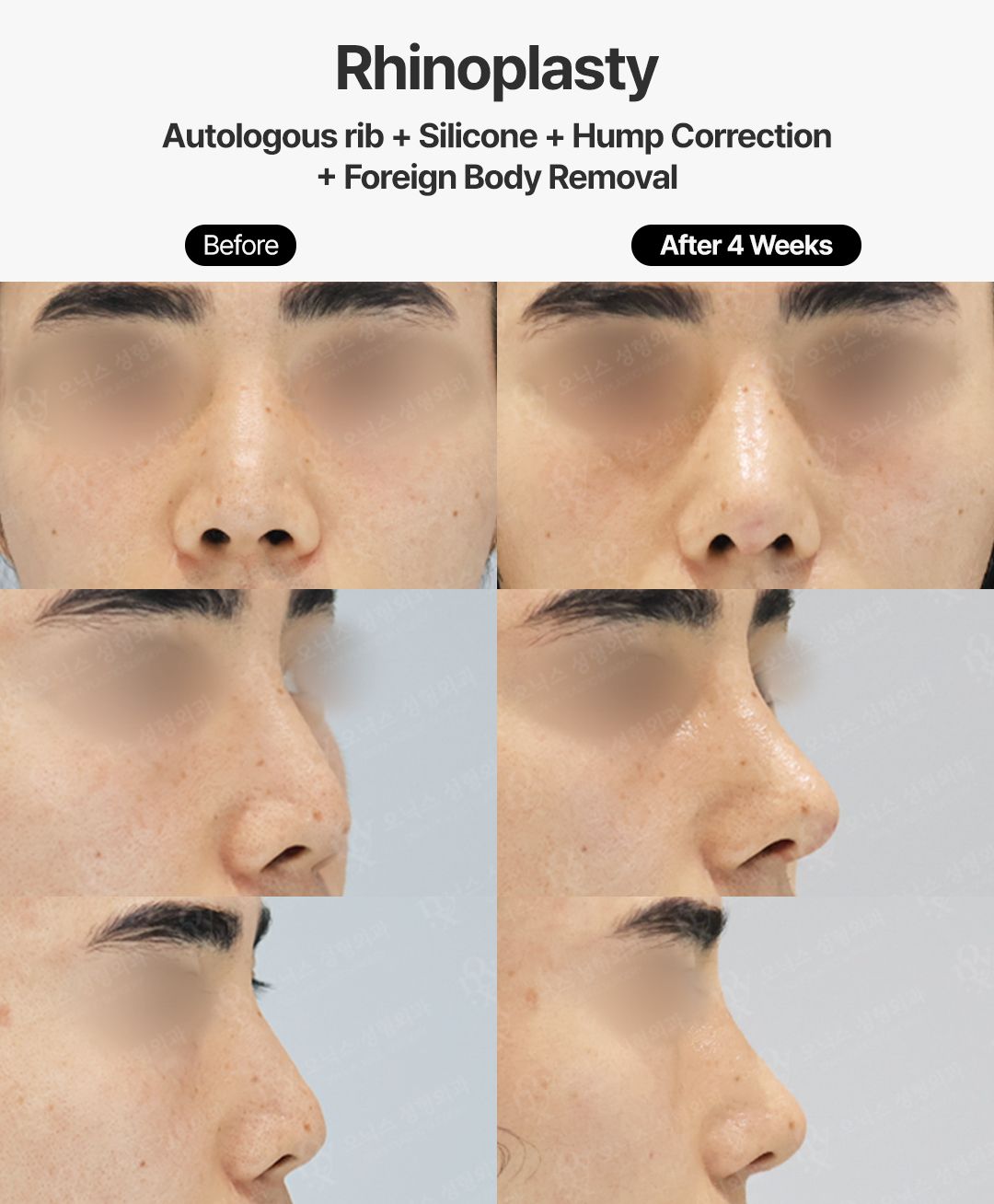
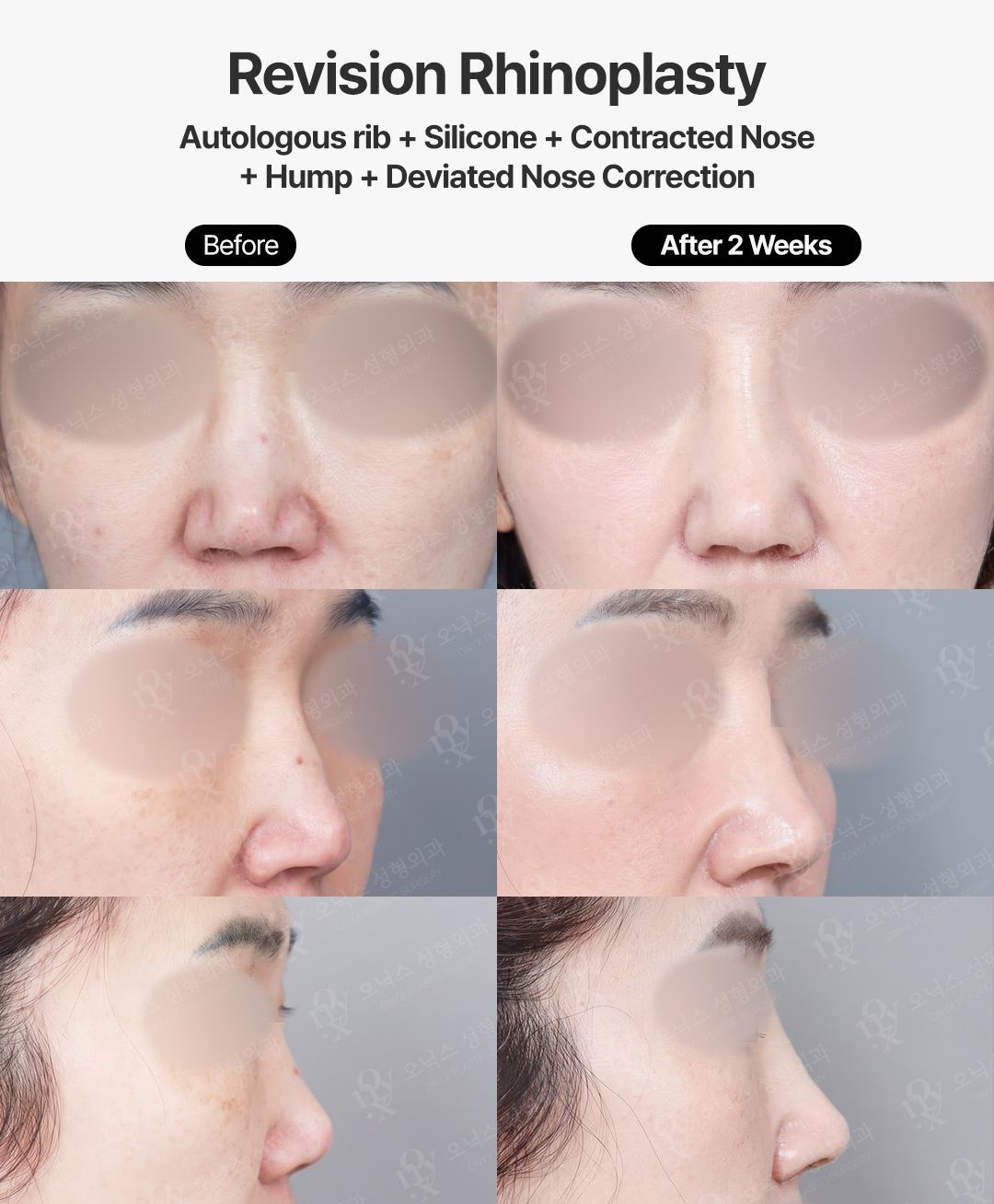
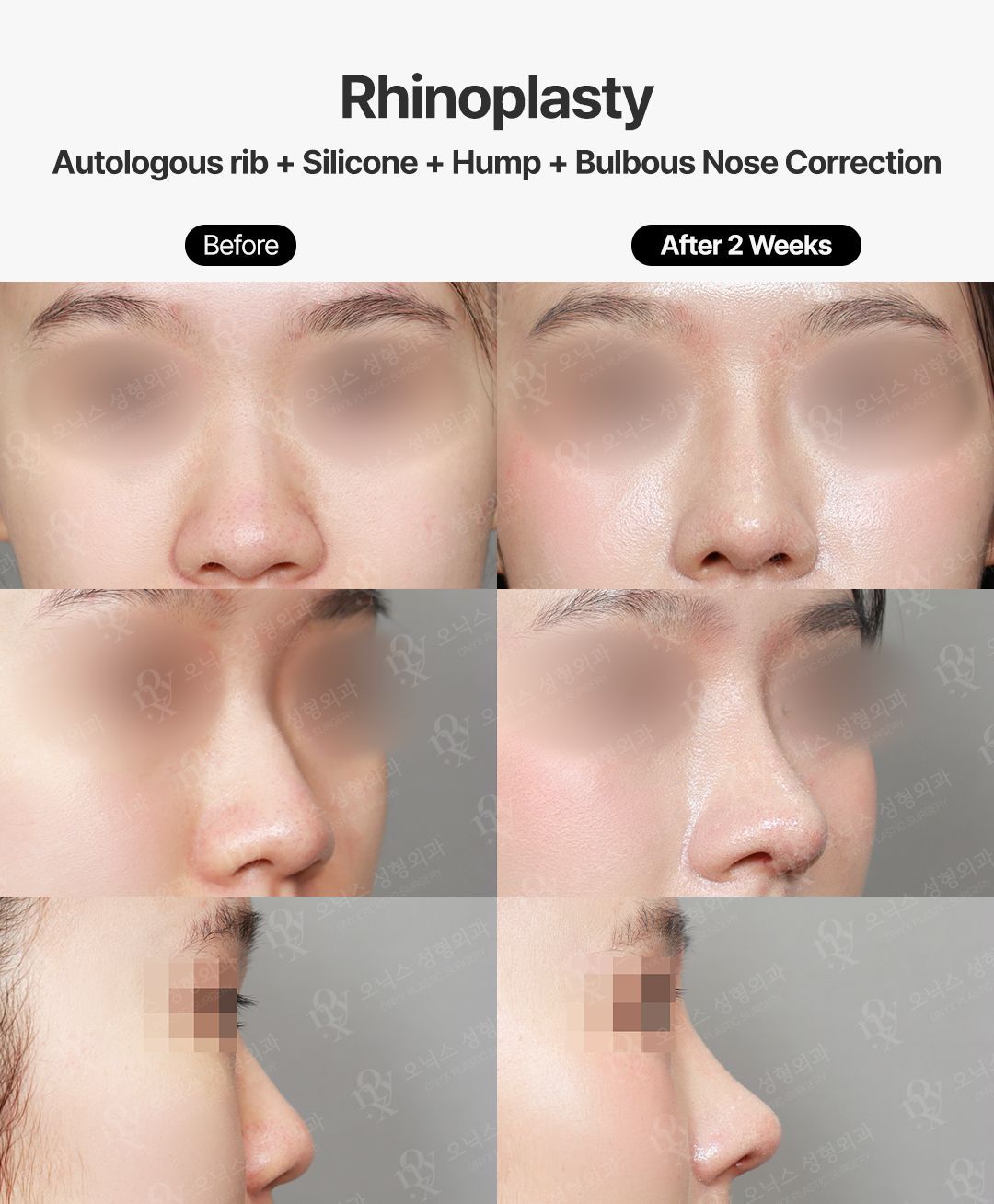
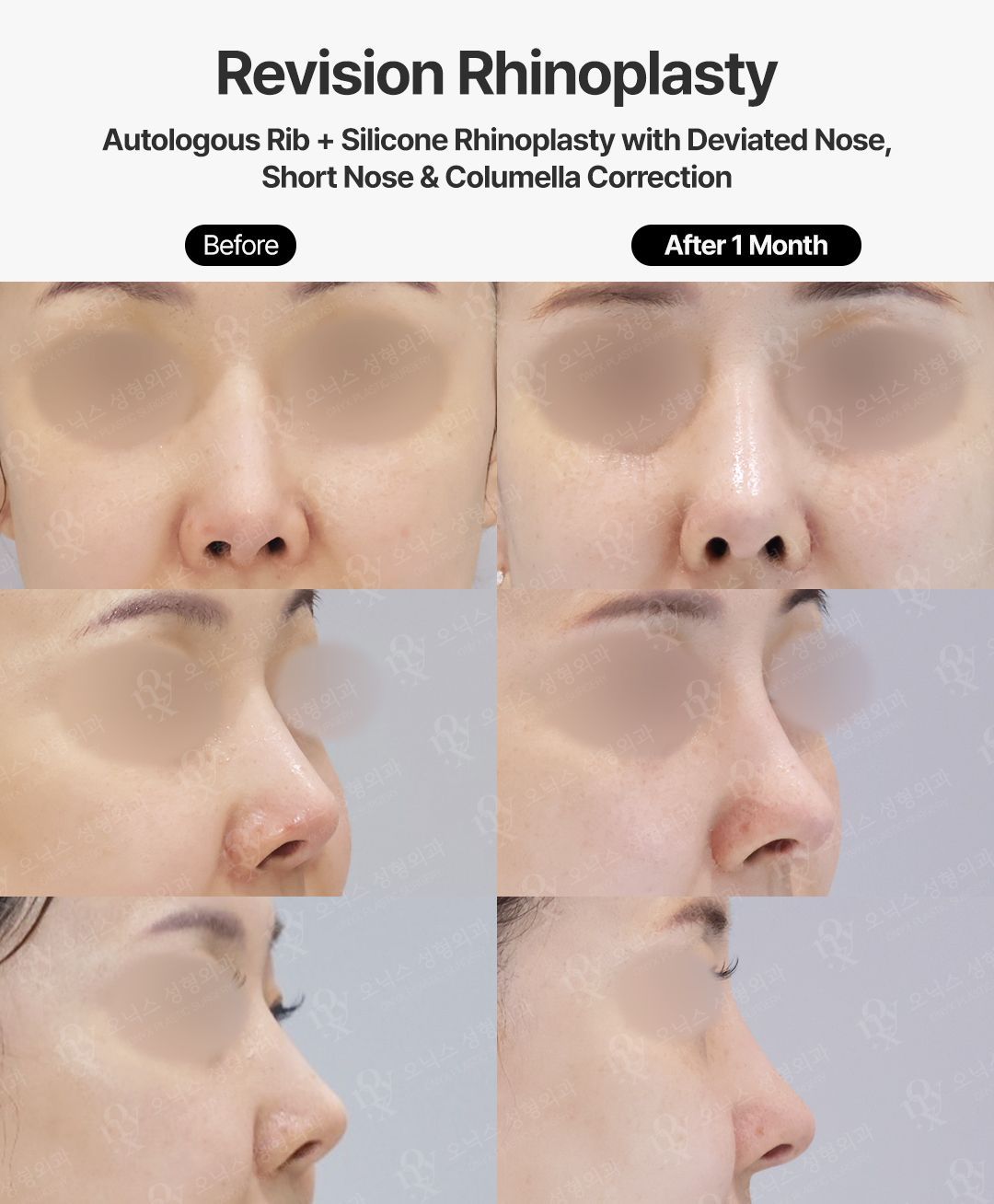
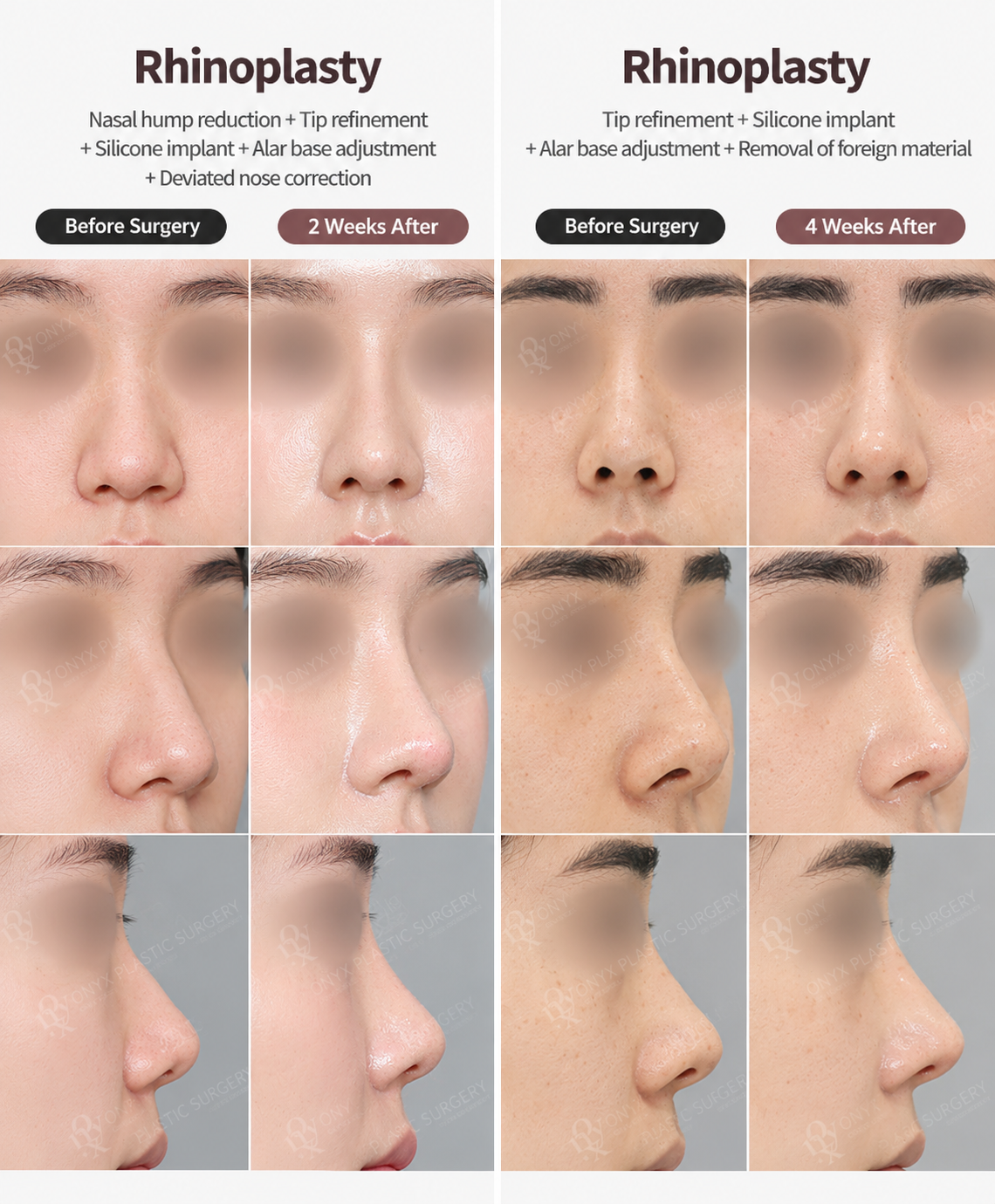
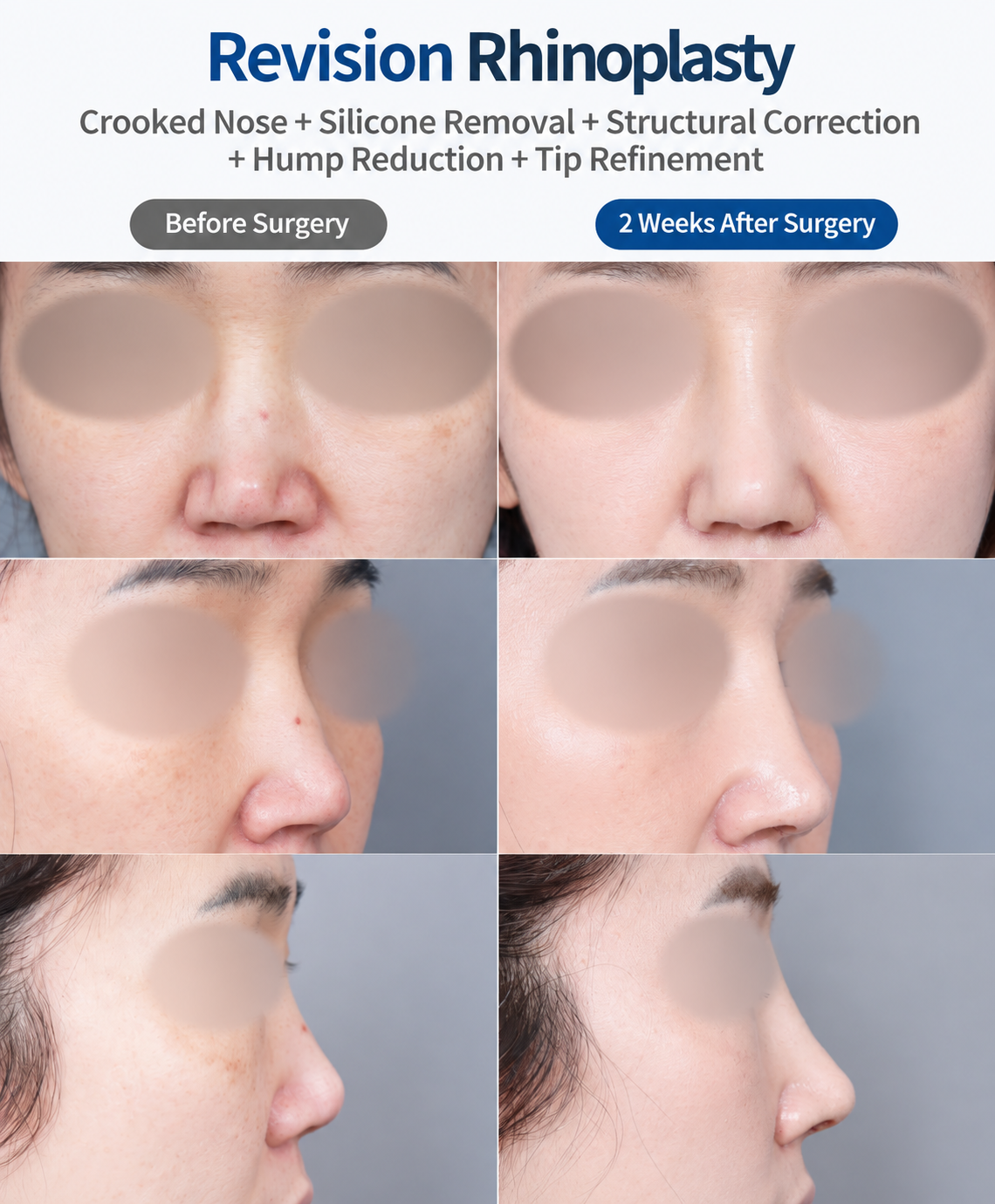
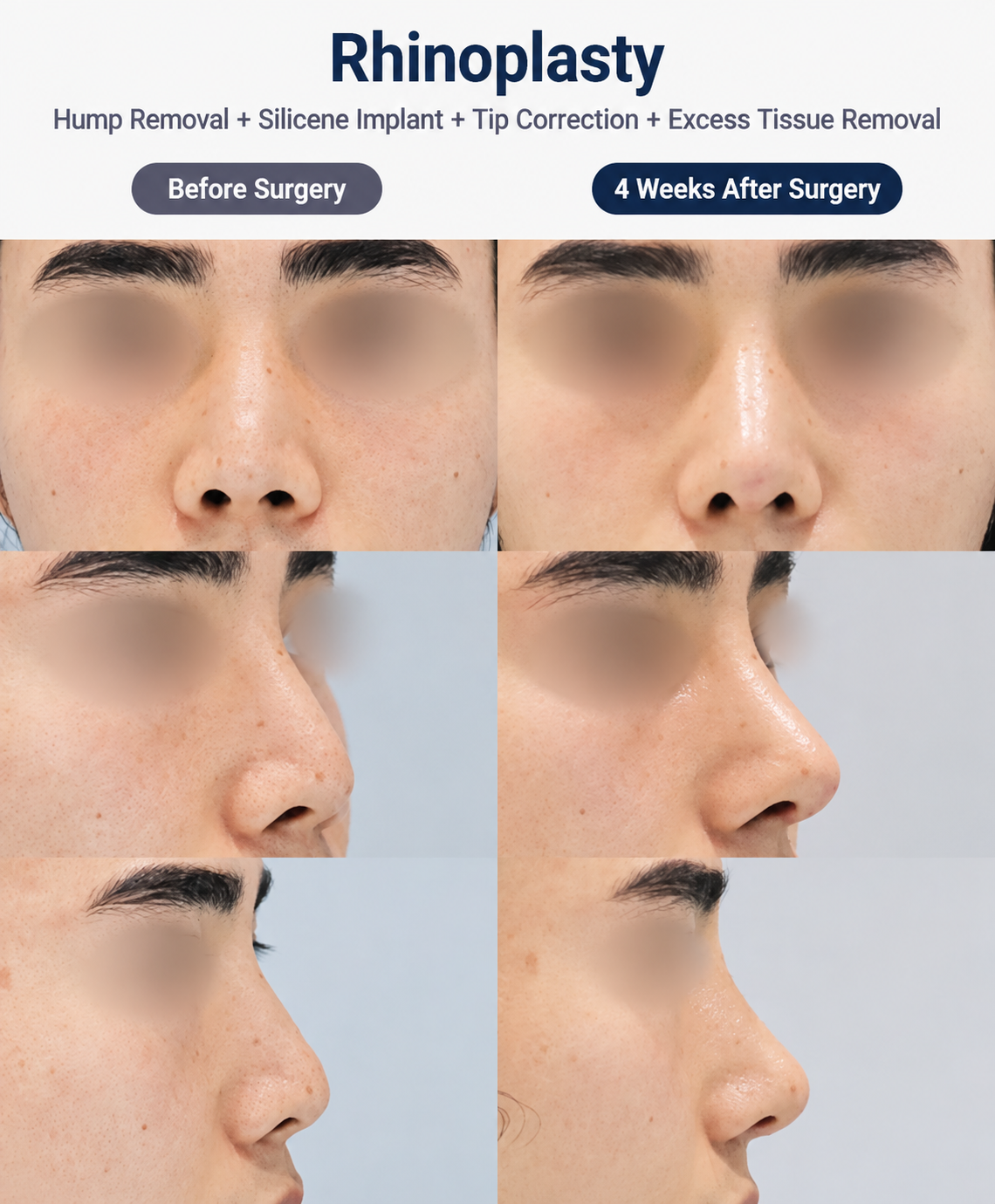
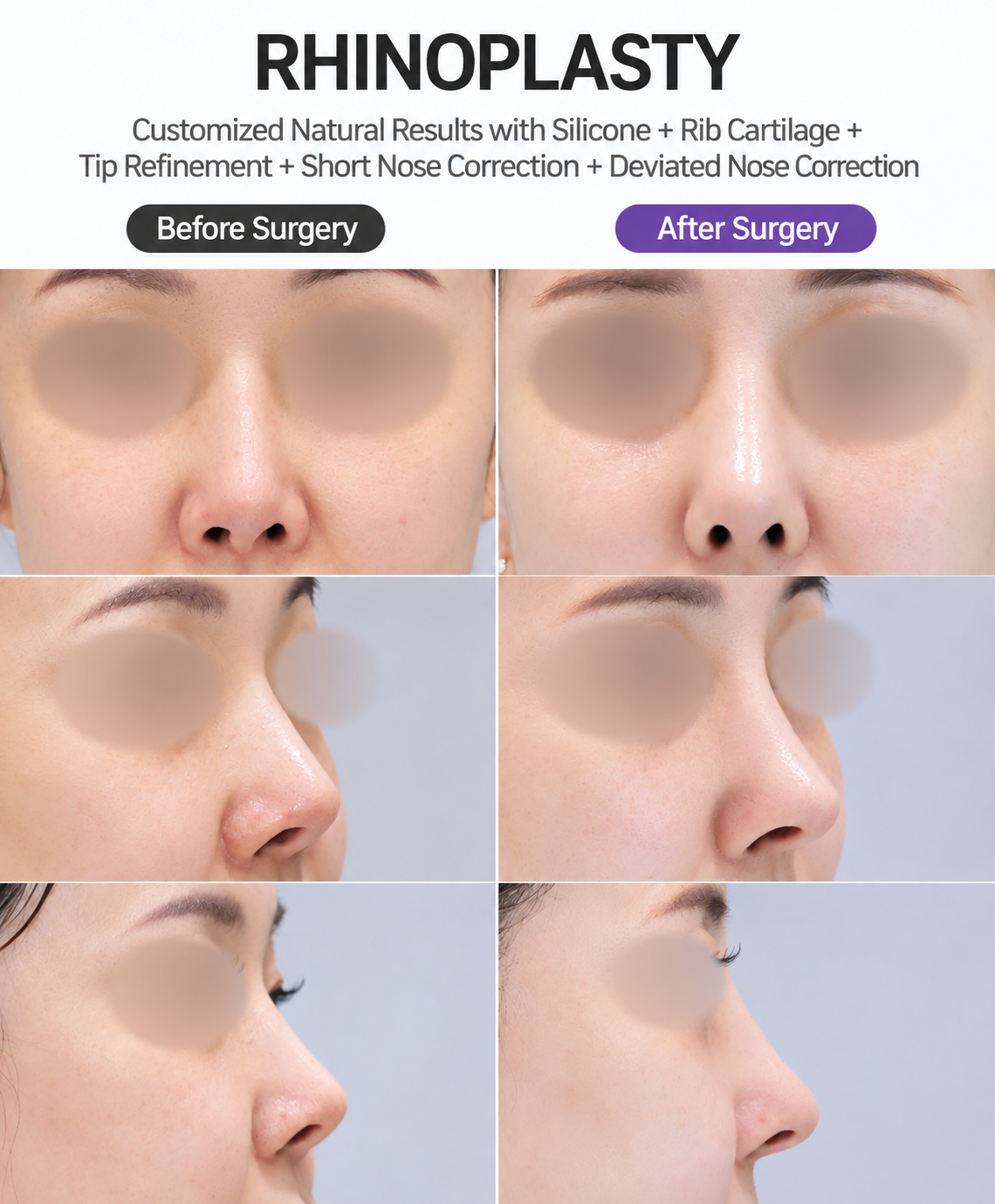
Myth 7: Before and After Photos Guarantee Results
Photos can be useful educational tools, but they are not predictions.
Individual outcomes depend on:
- Personal anatomy
- Healing response
- Skin quality
- Cartilage strength
- Surgical technique
- Recovery process
- Realistic expectations
Every patient's results are unique.
Making an Informed Decision
Before choosing surgery, it is helpful to:
- Have a detailed consultation
- Discuss personal goals
- Understand available techniques
- Review recovery expectations
- Ask about potential risks
- Learn about long-term planning
- Set realistic expectations
An informed patient is better prepared for both surgery and recovery.
Final Thoughts
Many common myths about Asian rhinoplasty are based on outdated assumptions or oversimplified information. Modern rhinoplasty emphasizes personalized planning, natural-looking enhancement, and long-term structural stability rather than standardized beauty ideals. By understanding the facts and working closely with an experienced surgeon, patients can make decisions that align with their individual anatomy, goals, and expectations.