Implant vs Cartilage for Asian Patients
Implant vs Cartilage for Asian Patients
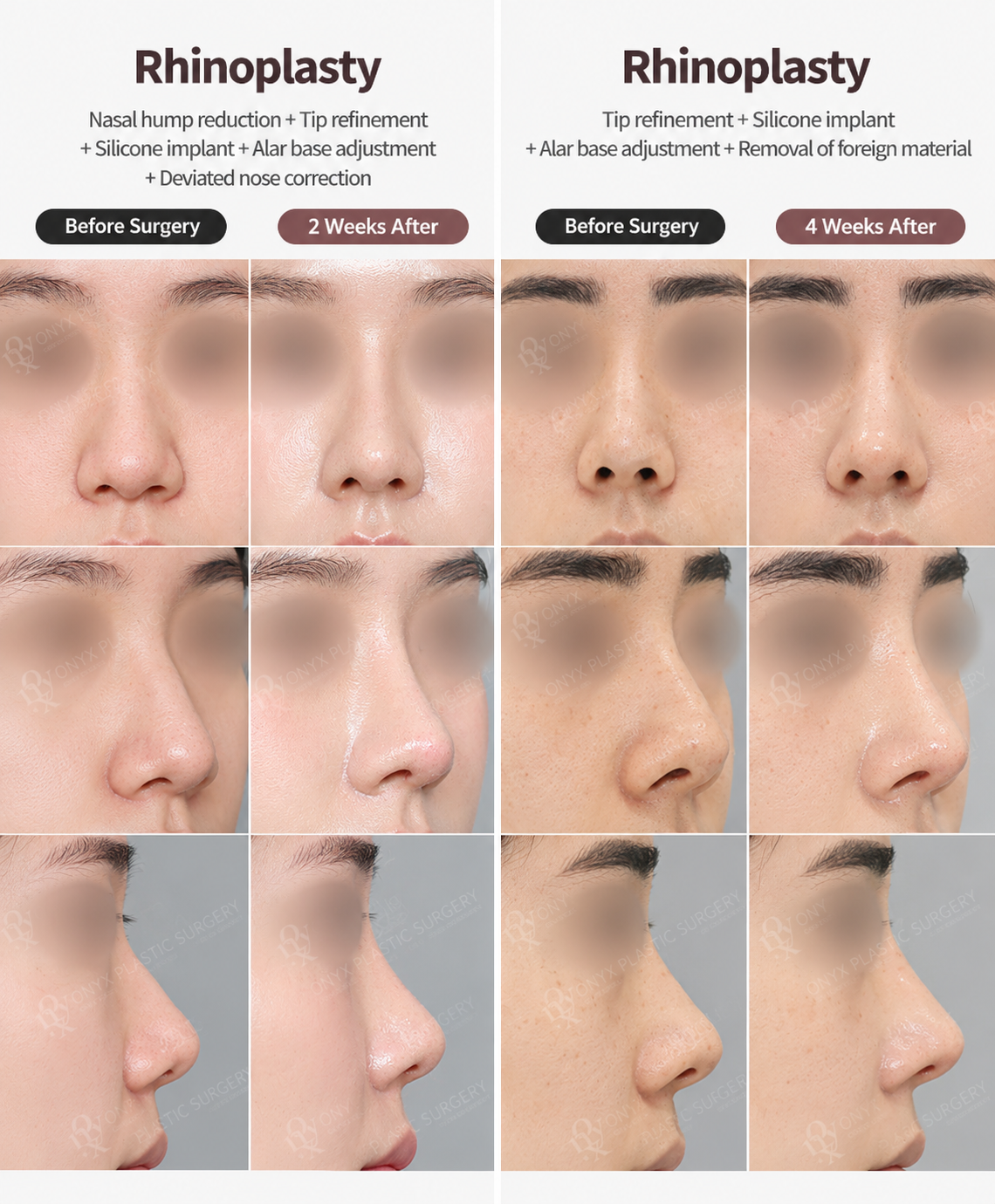
Choosing between an implant and cartilage for Asian rhinoplasty depends on individual anatomy, surgical goals, and the surgeon's treatment plan. Both options have advantages and limitations, and in many cases they are used together rather than as competing alternatives. The most appropriate choice should be based on a personalized assessment rather than a one-size-fits-all approach.
What Are Nasal Implants?
Implants are synthetic materials used to enhance the shape or height of the nasal bridge.
Potential characteristics include:
- Bridge augmentation
- Consistent shape
- Pre-shaped design
- Structural support
- Profile enhancement
- Custom sizing
- Long-term placement
The type of implant and surgical technique vary by patient and surgeon preference.
What Is Cartilage Grafting?
Cartilage grafting uses the patient's own tissue to reshape or support the nose.
Common sources include:
- Septal cartilage
- Ear cartilage
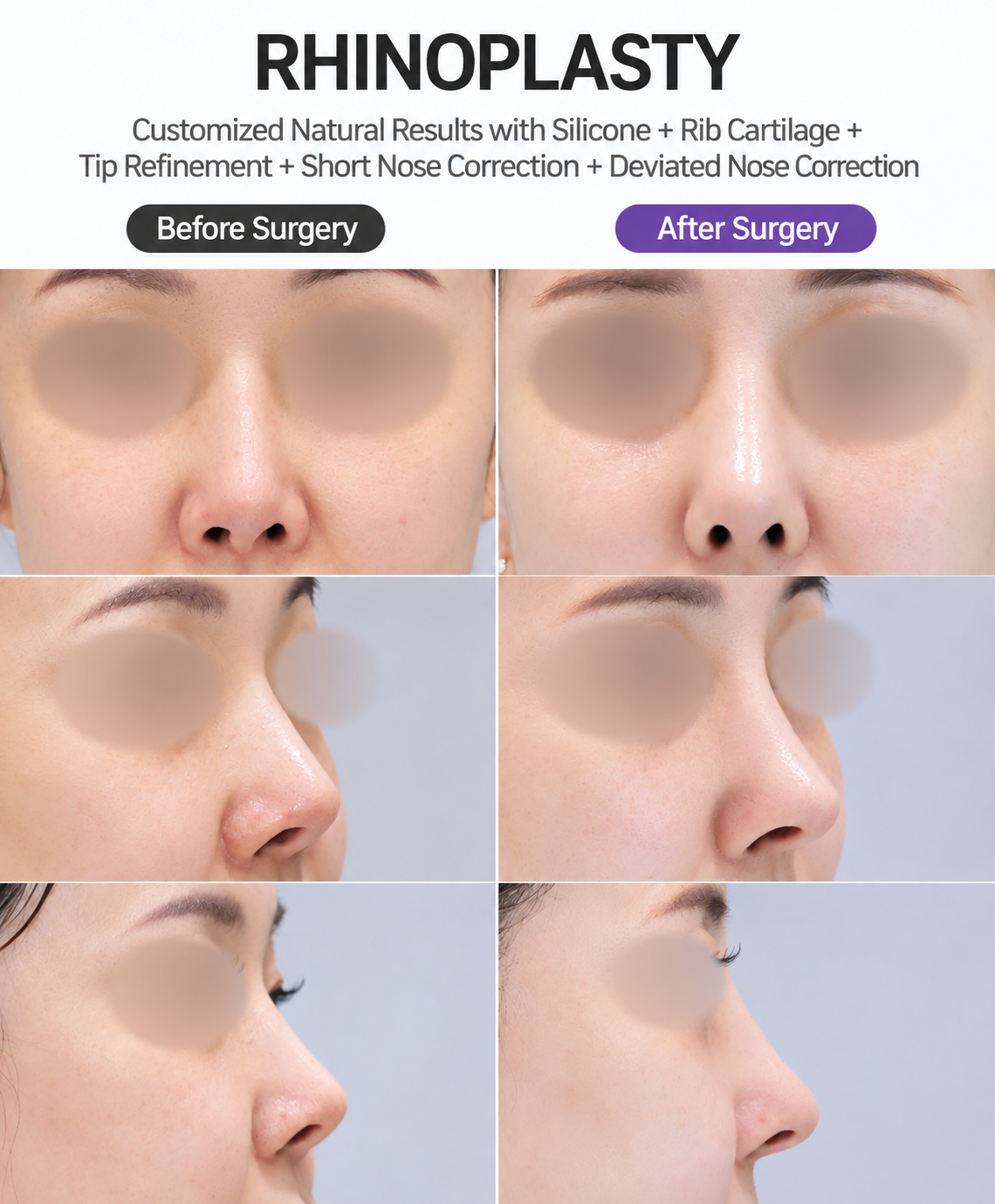
- Rib cartilage
Cartilage may be used for:
- Tip refinement
- Bridge support
- Structural reinforcement
- Functional correction
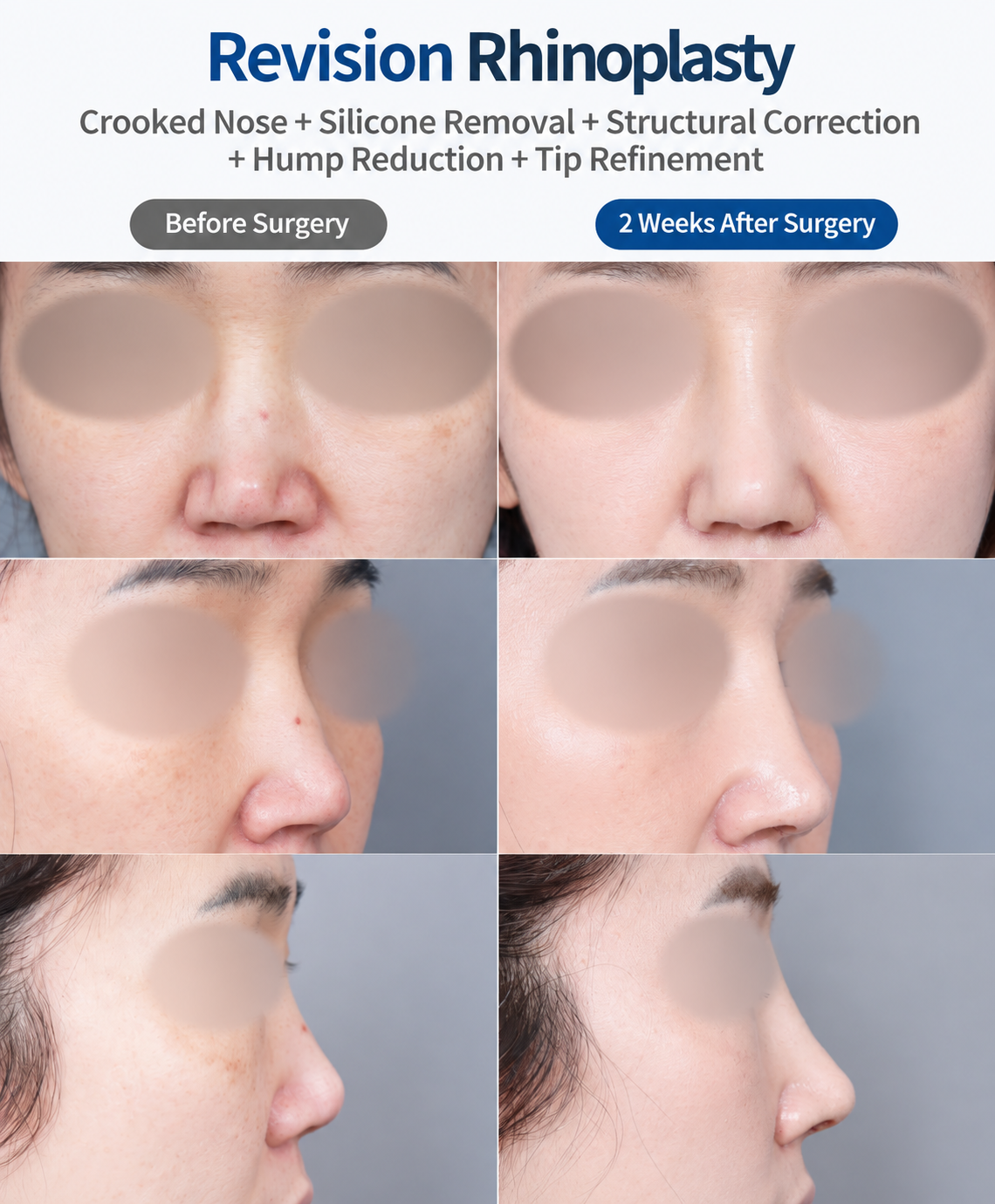
- Revision surgery
- Long-term stability
The amount and source depend on the complexity of the procedure.
Potential Advantages of Implants
For selected patients, implants may offer several benefits.
Possible advantages include:
- Effective bridge enhancement
- Predictable shape
- Consistent structure
- Shorter graft harvesting process
- Customizable sizing
- Defined profile improvement
- Established surgical use
Suitability depends on the individual's anatomy and treatment goals.
Potential Advantages of Cartilage
Autologous cartilage is widely used for structural rhinoplasty and tip reconstruction.
Potential benefits include:
- Natural biological tissue
- Strong structural support
- Flexible shaping
- Tip enhancement
- Personalized reconstruction
- Functional applications
- Versatility in complex cases
Different cartilage sources provide different levels of strength and availability.
When Both May Be Used Together
Many rhinoplasty procedures combine multiple techniques.
A combined approach may involve:
- Implant for bridge augmentation
- Cartilage for tip support
- Structural reinforcement
- Improved balance
- Enhanced projection
- Better contour transition
- Long-term stability
The combination depends on the patient's anatomy and desired outcome.
Factors That Influence Material Selection
Choosing the appropriate material involves multiple considerations.
Your surgeon may evaluate:
- Skin thickness
- Existing bridge height
- Cartilage quality
- Facial proportions
- Functional concerns
- Previous surgery
- Long-term goals
No single material is ideal for every patient.
Questions to Discuss During Consultation
Before surgery, consider asking:
- Which material do you recommend?
- Why is it appropriate for my anatomy?
- Will cartilage harvesting be necessary?
- What are the expected long-term results?
- What are the potential risks and limitations?
- Could a combination approach be beneficial?
- How might the choice affect recovery?
A detailed consultation helps create a personalized surgical plan.
Understanding Long-Term Planning
Successful rhinoplasty involves more than achieving an attractive initial appearance.
Long-term planning should consider:
- Structural stability
- Functional preservation
- Natural-looking proportions
- Healing characteristics
- Future changes
- Revision considerations
- Overall facial harmony
Careful planning helps support durable and balanced outcomes.
Final Thoughts
For Asian patients, the choice between implants and cartilage is highly individualized and often involves a combination of both techniques. Rather than focusing on one material as universally better, modern rhinoplasty emphasizes personalized planning, structural stability, and facial harmony to achieve natural-looking and long-lasting results that suit each patient's unique anatomy and goals.