Korean Beauty Standards and Rhinoplasty
Korean Beauty Standards and Rhinoplasty
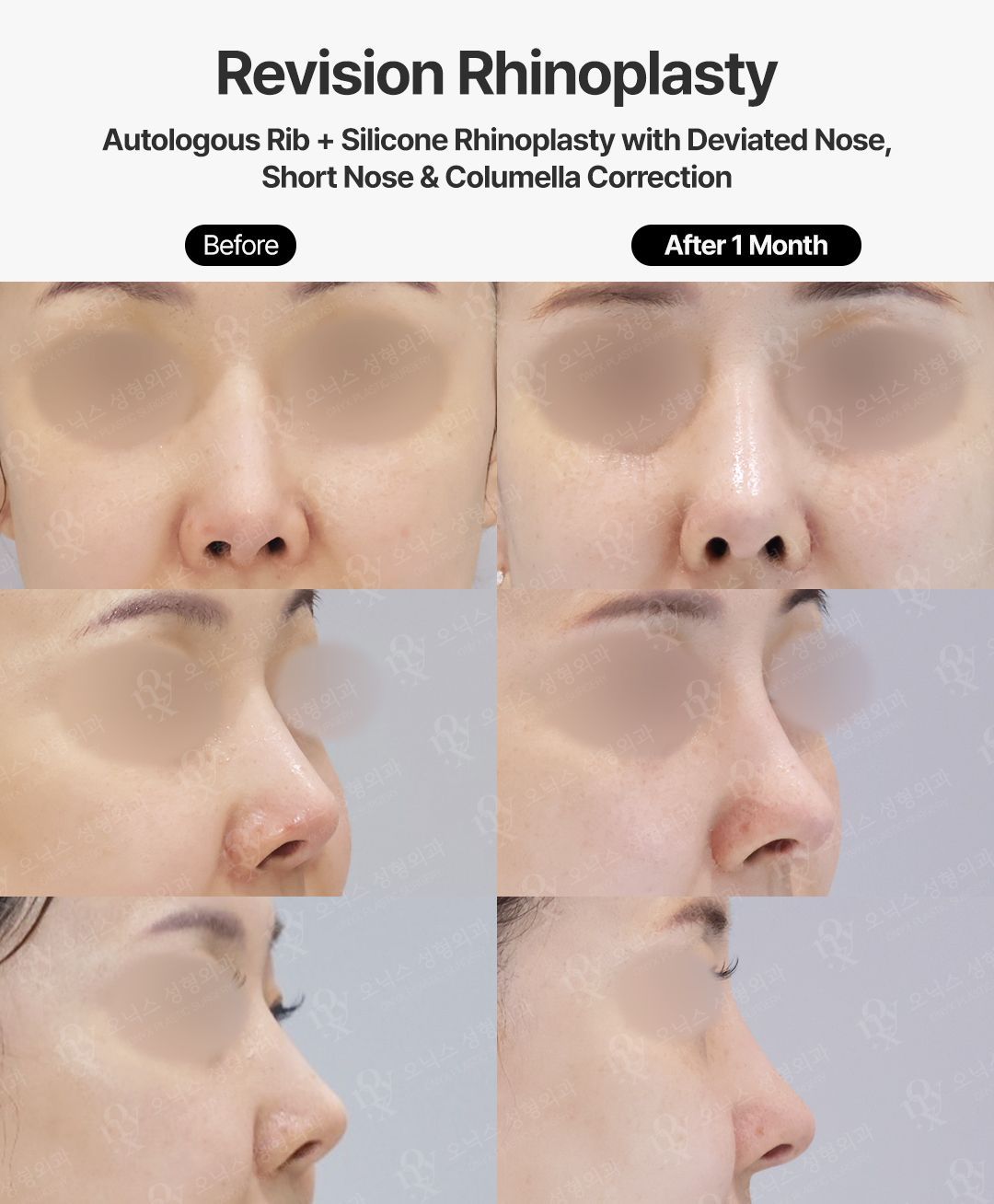
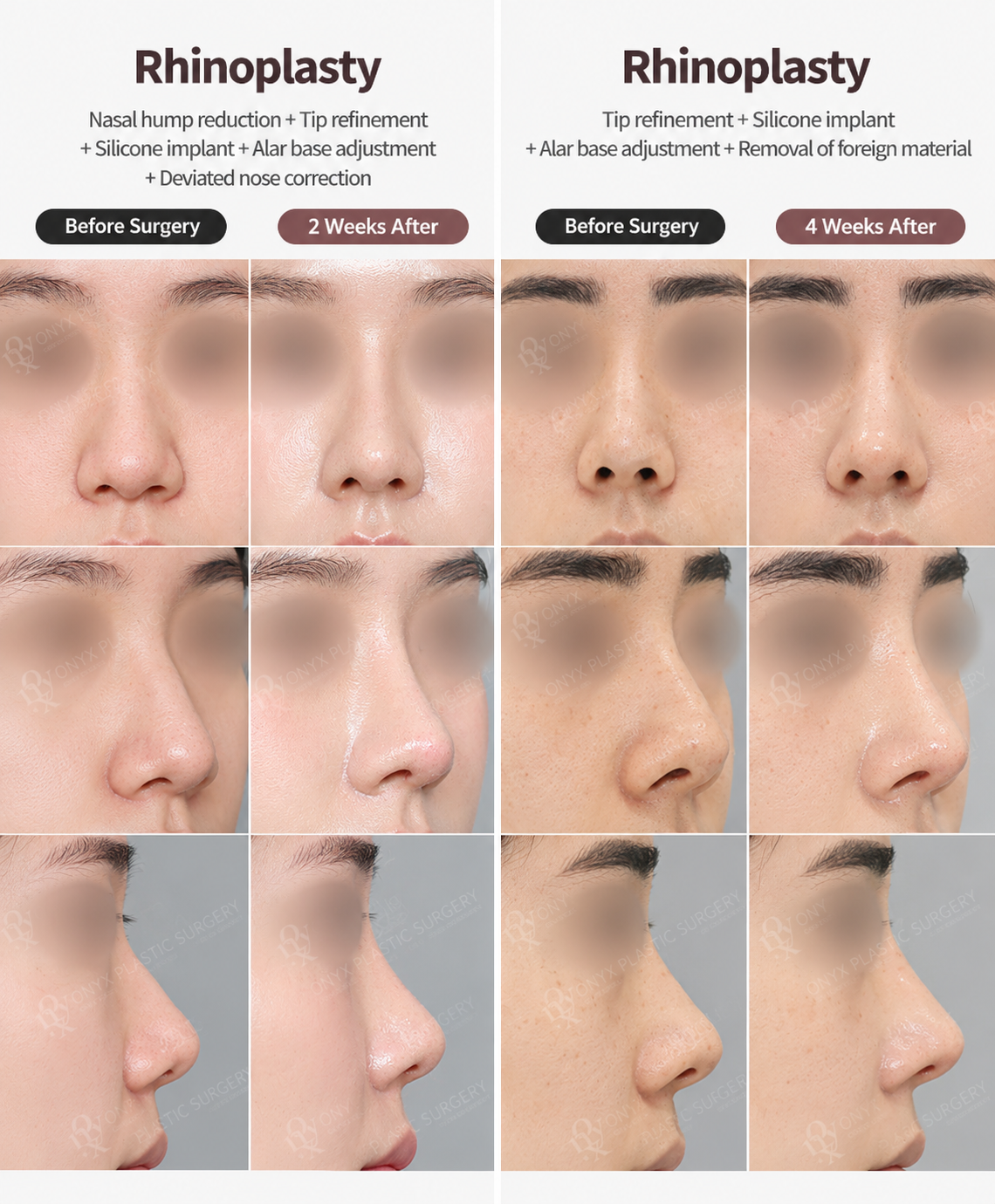
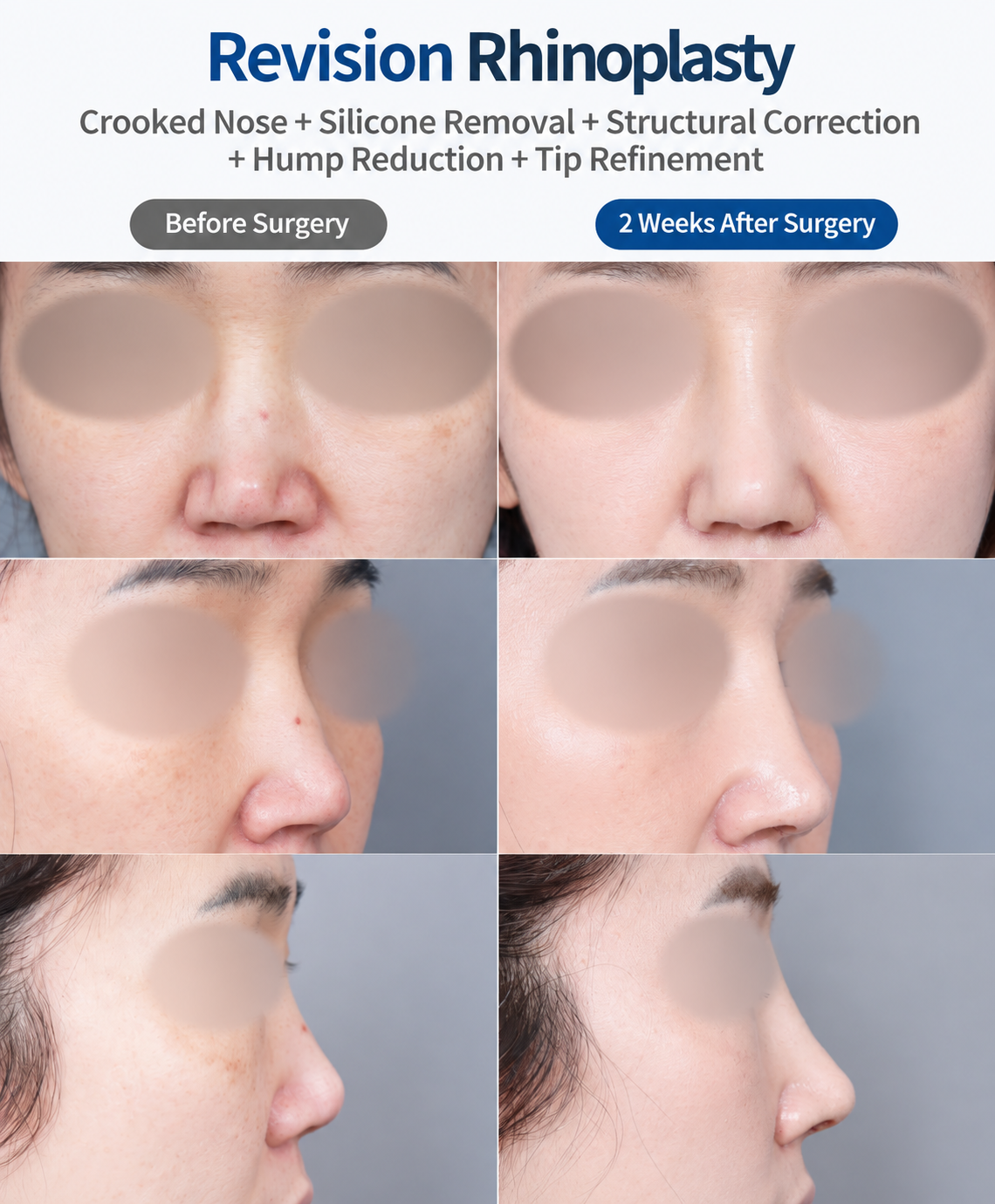
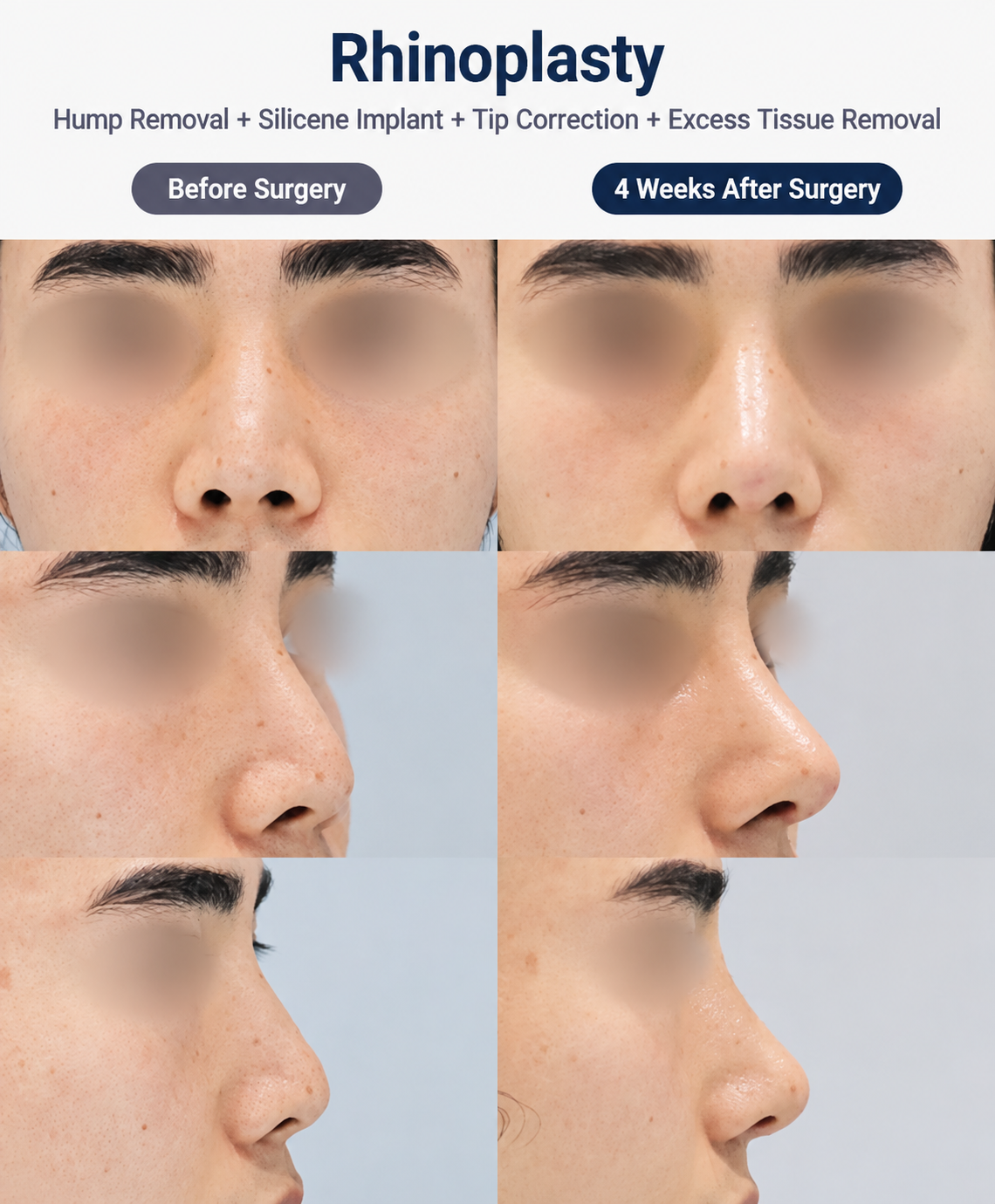
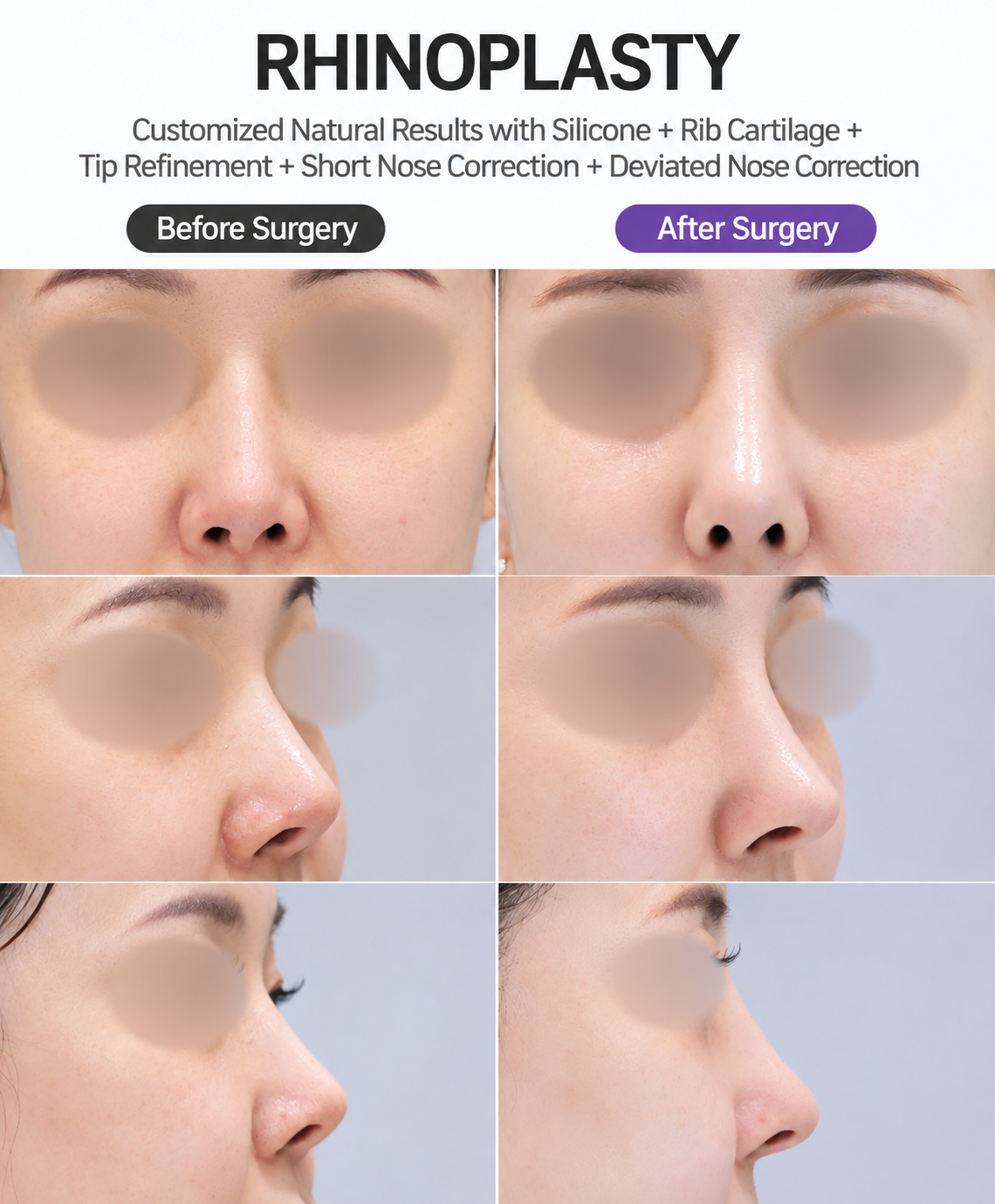
Korean beauty standards have influenced global discussions about facial aesthetics, but modern rhinoplasty in Korea is increasingly focused on personalization rather than achieving a single ideal look. While certain trends may be popular, experienced surgeons typically design procedures based on each patient's facial proportions, anatomy, and personal preferences to create balanced and natural-looking results.
How Beauty Standards Have Changed
Aesthetic preferences have evolved over time and continue to change.
Current trends often emphasize:
- Natural-looking features
- Facial harmony
- Balanced proportions
- Soft contours
- Individuality
- Subtle refinement
- Healthy appearance
Many patients now prefer enhancements that are difficult to recognize as surgical.
Common Aesthetic Preferences
Although preferences differ from person to person, some commonly requested features include:
- Smooth nasal bridge
- Defined but natural tip
- Balanced projection
- Gentle profile
- Symmetrical appearance
- Refined contours
- Harmonious proportions
The ideal result depends on the patient's overall facial structure rather than trends alone.
The Importance of Facial Harmony
Modern rhinoplasty focuses on the relationship between the nose and the rest of the face.
Surgeons often evaluate:
- Facial symmetry
- Chin position
- Forehead profile
- Eye proportions
- Lip balance
- Overall profile
- Skin characteristics
A well-balanced face is often considered more important than a specific nose shape.
Personalization Over Perfection
There is no single "perfect" nose that suits everyone.
Customized planning may consider:
- Individual anatomy
- Ethnic characteristics
- Lifestyle preferences
- Cosmetic goals
- Functional concerns
- Skin thickness
- Cartilage structure
Personalized treatment plans can produce more natural and satisfying outcomes.
Natural-Looking Results Are Increasingly Popular
Many patients prefer subtle improvements instead of dramatic changes.
Common requests include:
- Moderate bridge enhancement
- Gentle tip refinement
- Soft profile improvement
- Better symmetry
- Balanced facial proportions
- Preserved facial identity
- Long-term structural stability
The objective is enhancement without looking artificial.
Balancing Cosmetic and Functional Goals
Rhinoplasty is not always performed for appearance alone.
Some procedures also address:
- Breathing concerns
- Structural support
- Deviated septum
- Previous injury
- Congenital differences
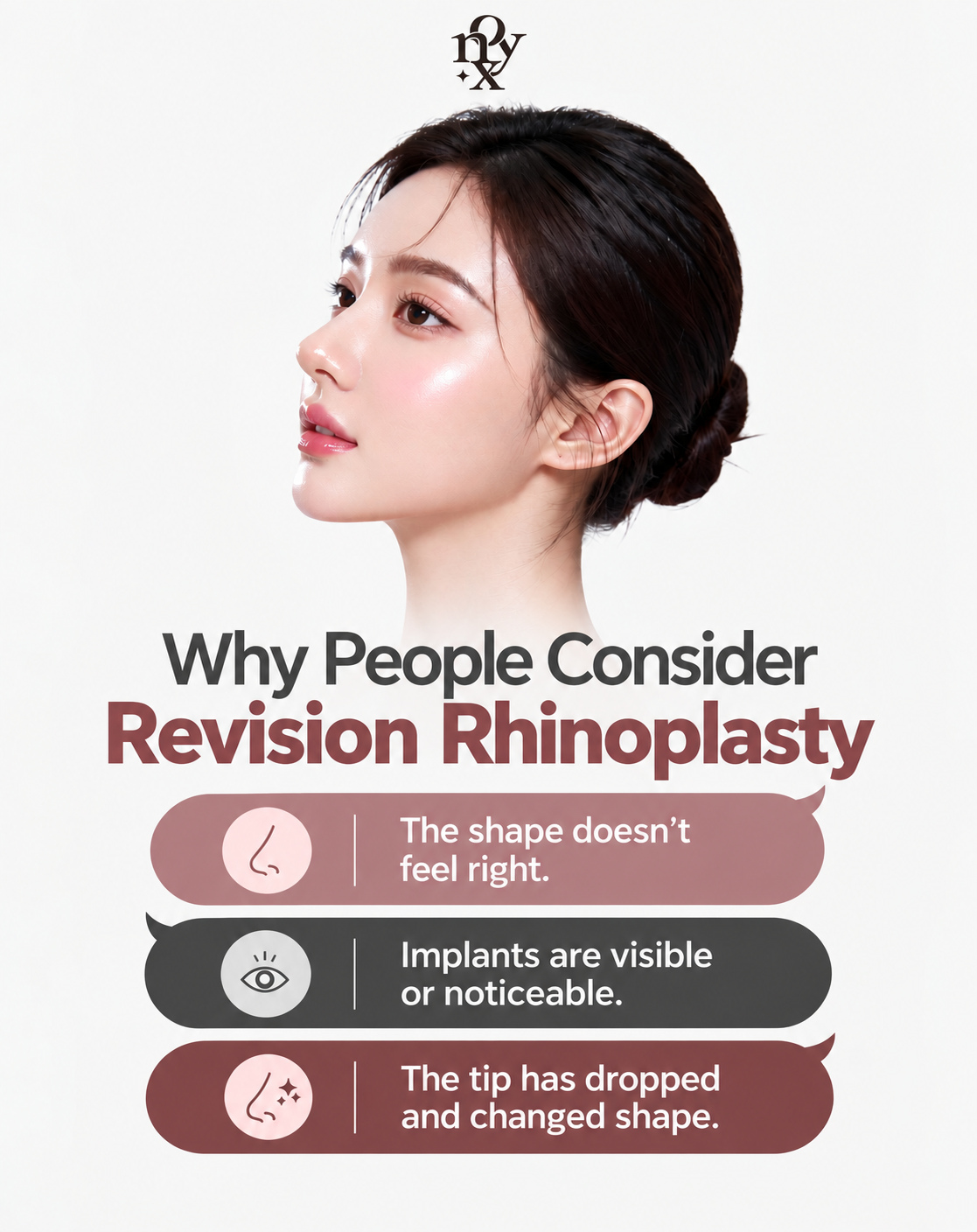
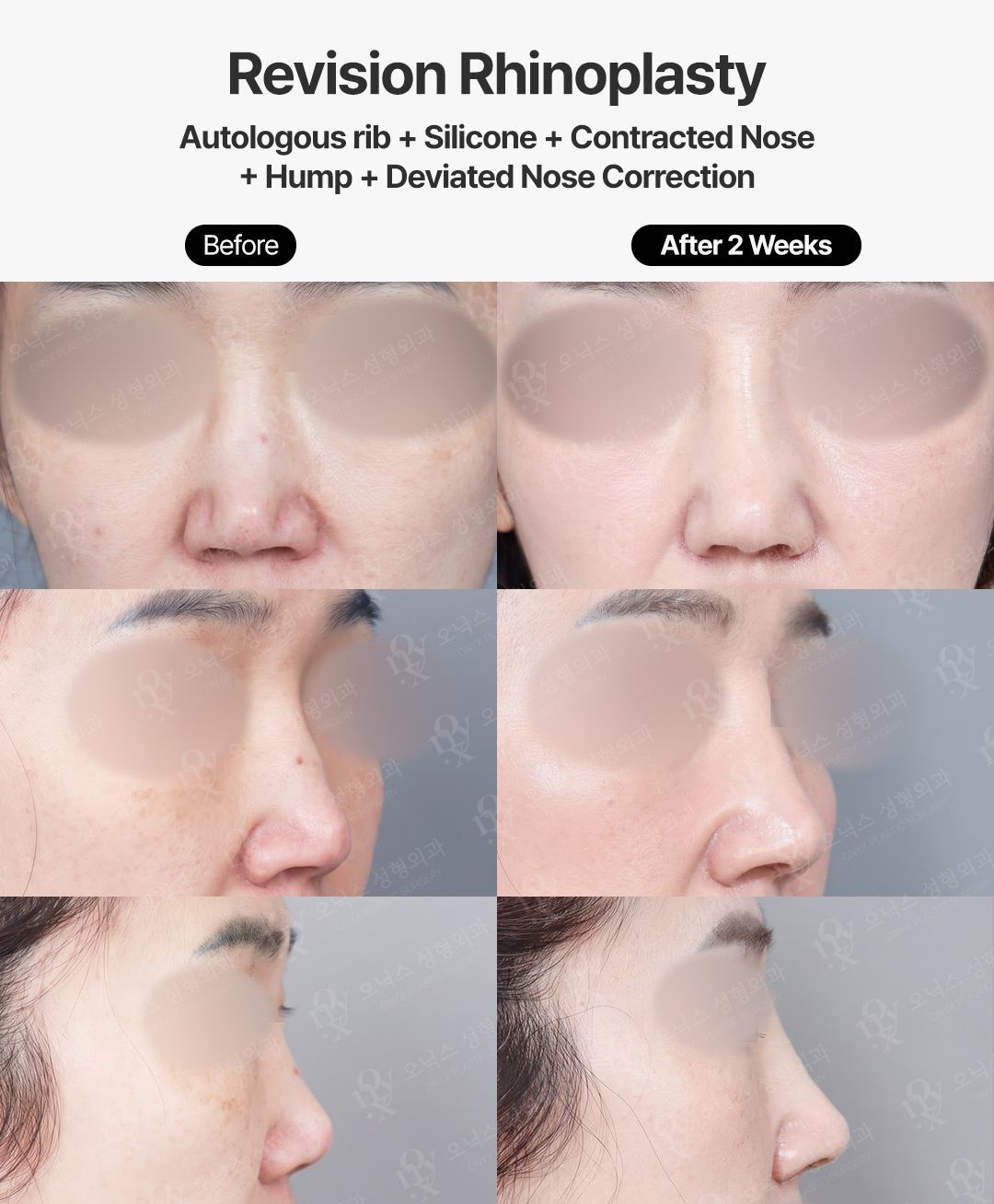
- Revision surgery
- Functional stability
Combining cosmetic and functional improvements can provide comprehensive benefits.
The Role of Consultation
A detailed consultation is essential before surgery.
Topics often discussed include:
- Personal expectations
- Facial analysis
- Surgical options
- Recovery timeline
- Potential risks
- Long-term goals
- Individualized treatment planning
Clear communication helps establish realistic expectations.
Choosing Results That Suit You
Following trends may not always produce the best personal outcome.
Important factors to prioritize include:
- Facial balance
- Natural appearance
- Structural support
- Functional preservation
- Personal preferences
- Long-term satisfaction
- Individual character
The most successful rhinoplasty is one that complements your own features rather than imitates someone else's.
Final Thoughts
Korean beauty standards have influenced rhinoplasty trends around the world, but modern practice increasingly emphasizes personalized planning and natural-looking enhancement over standardized ideals. By focusing on facial harmony, structural stability, and individual goals, rhinoplasty can create refined and balanced results that enhance appearance while preserving each person's unique identity.