Septoplasty vs Rhinoplasty
Septoplasty vs Rhinoplasty
Septoplasty and rhinoplasty are both surgical procedures involving the nose, but they are performed for different reasons. Septoplasty is primarily intended to improve nasal function by correcting structural issues inside the nose, while rhinoplasty focuses on changing the external appearance of the nose. In some cases, both procedures can be combined into a single operation to address both breathing and cosmetic concerns.
What Is Septoplasty?
Septoplasty is a procedure that corrects problems with the nasal septum, the wall that separates the two nasal passages.
Its primary goals may include:
- Improving nasal airflow
- Correcting a deviated septum
- Reducing chronic nasal obstruction
- Improving breathing comfort
- Supporting better nasal function
- Relieving long-term congestion
- Enhancing quality of life
The surgery typically focuses on internal structures rather than external appearance.
What Is Rhinoplasty?
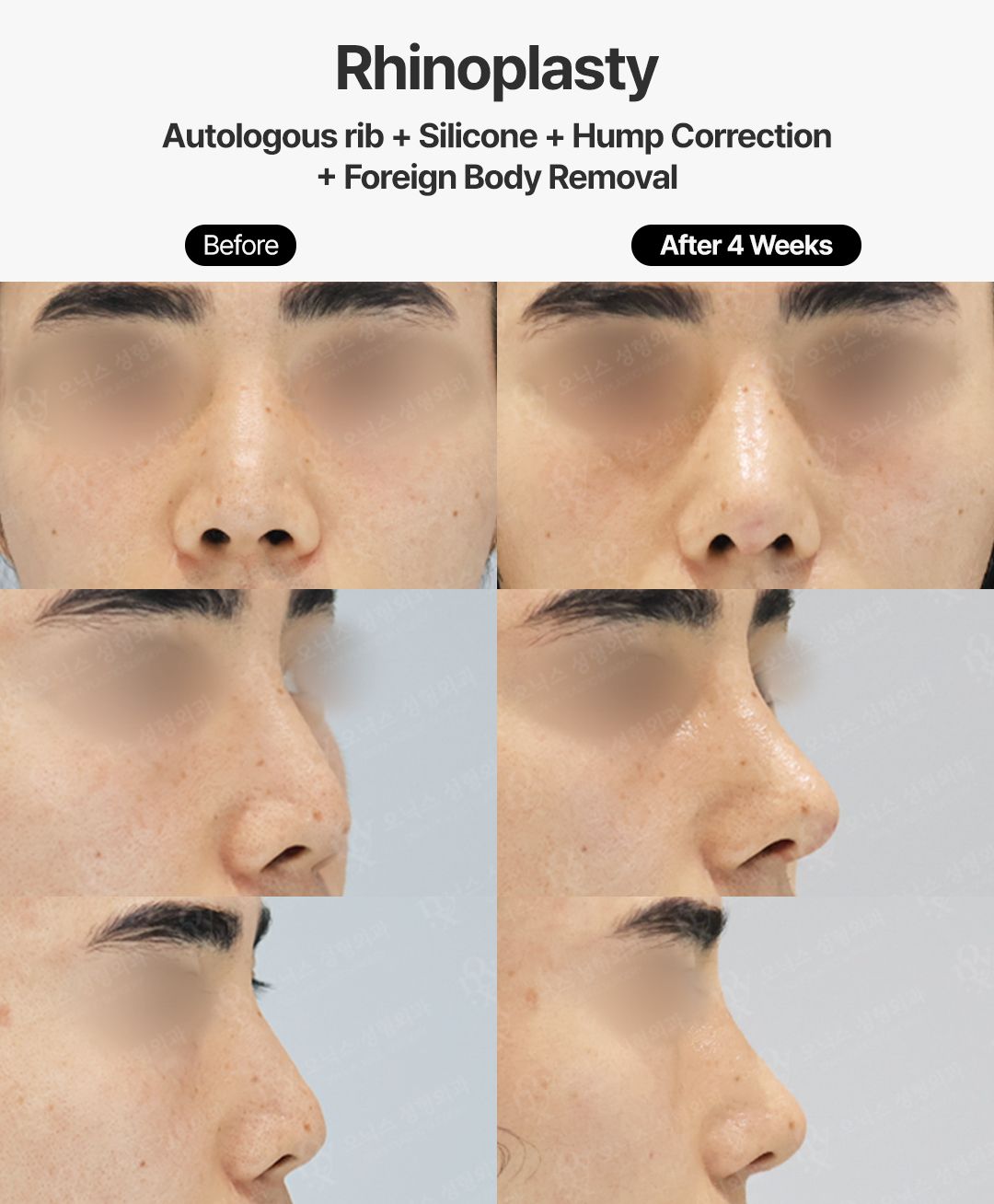
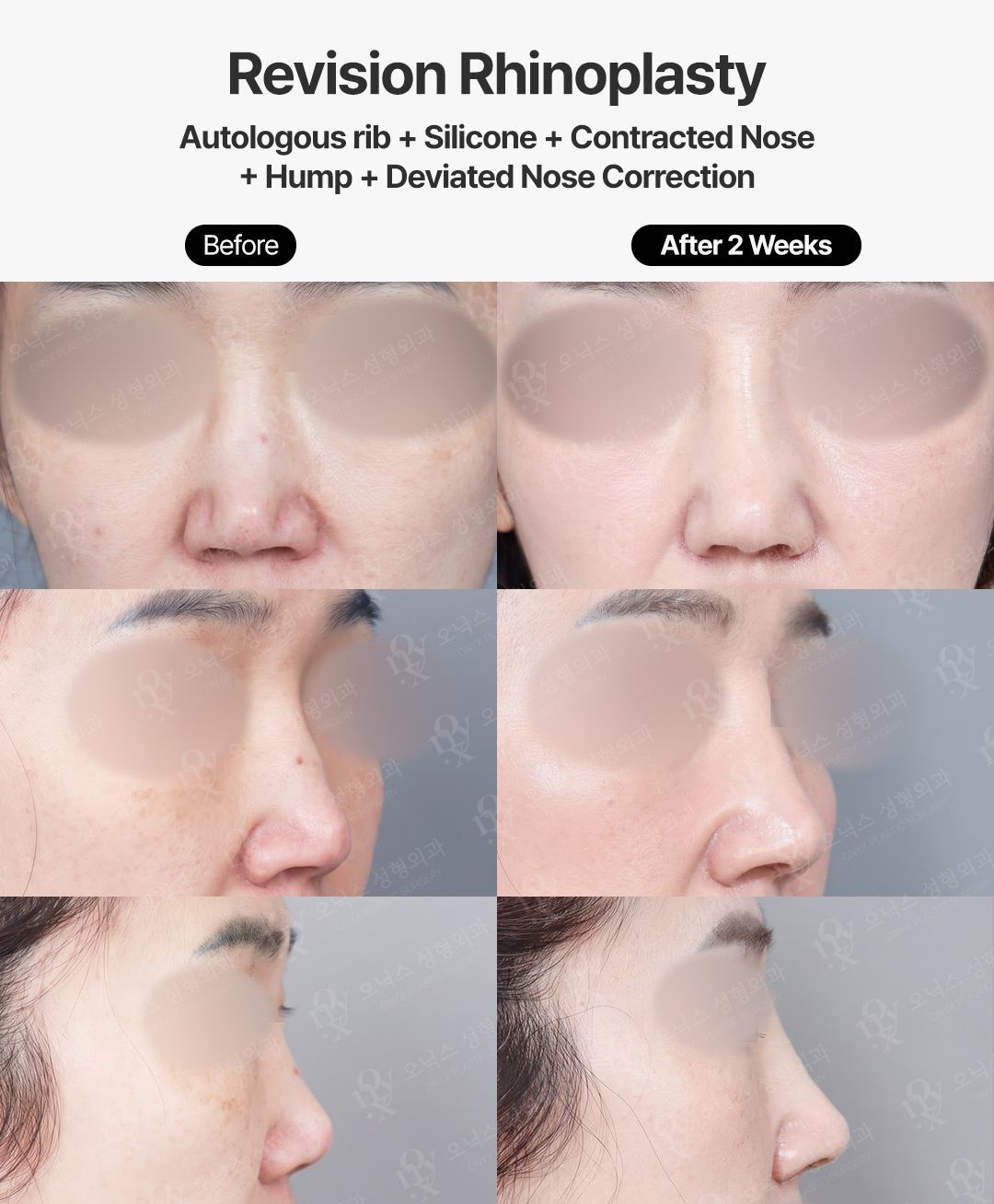
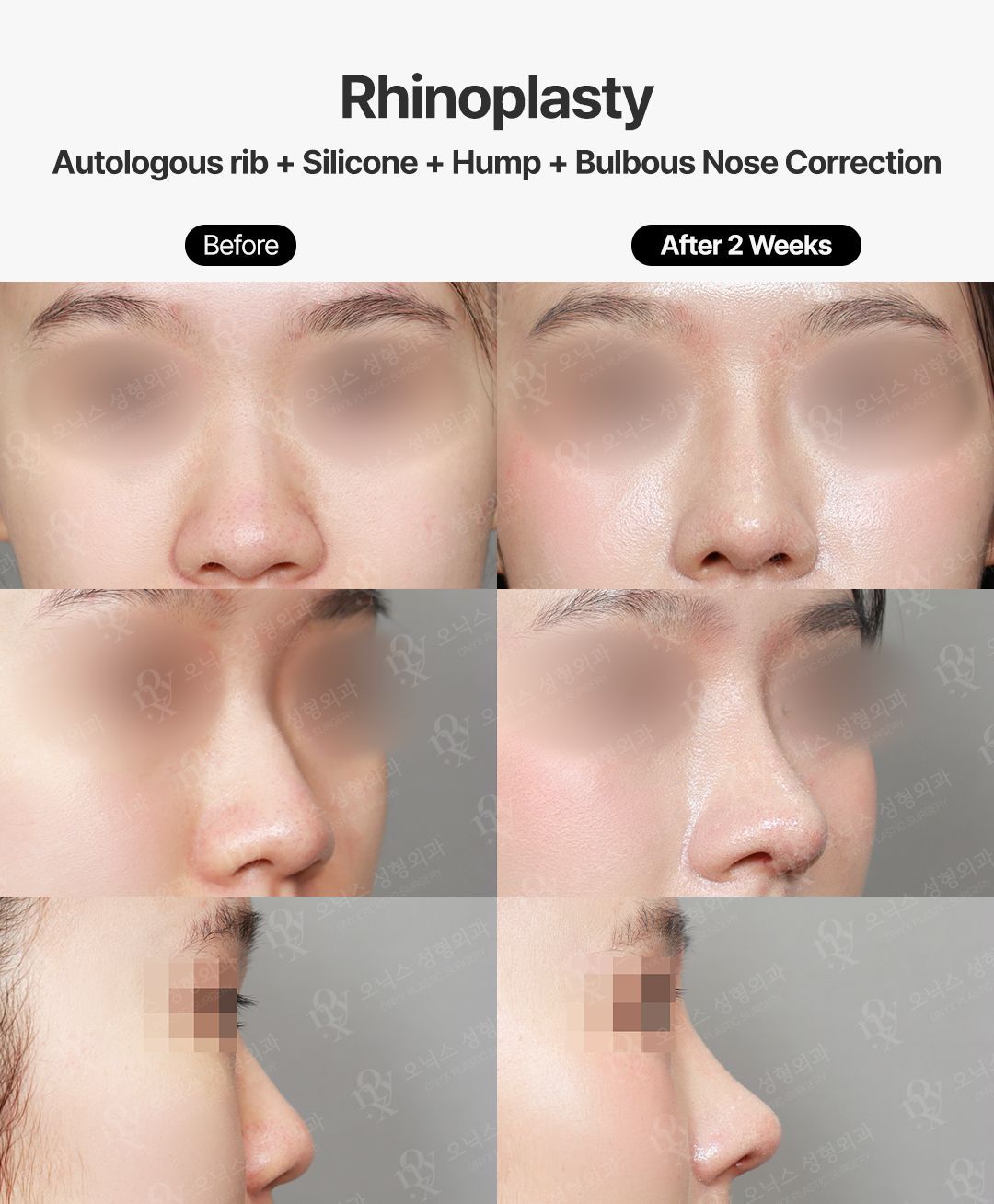
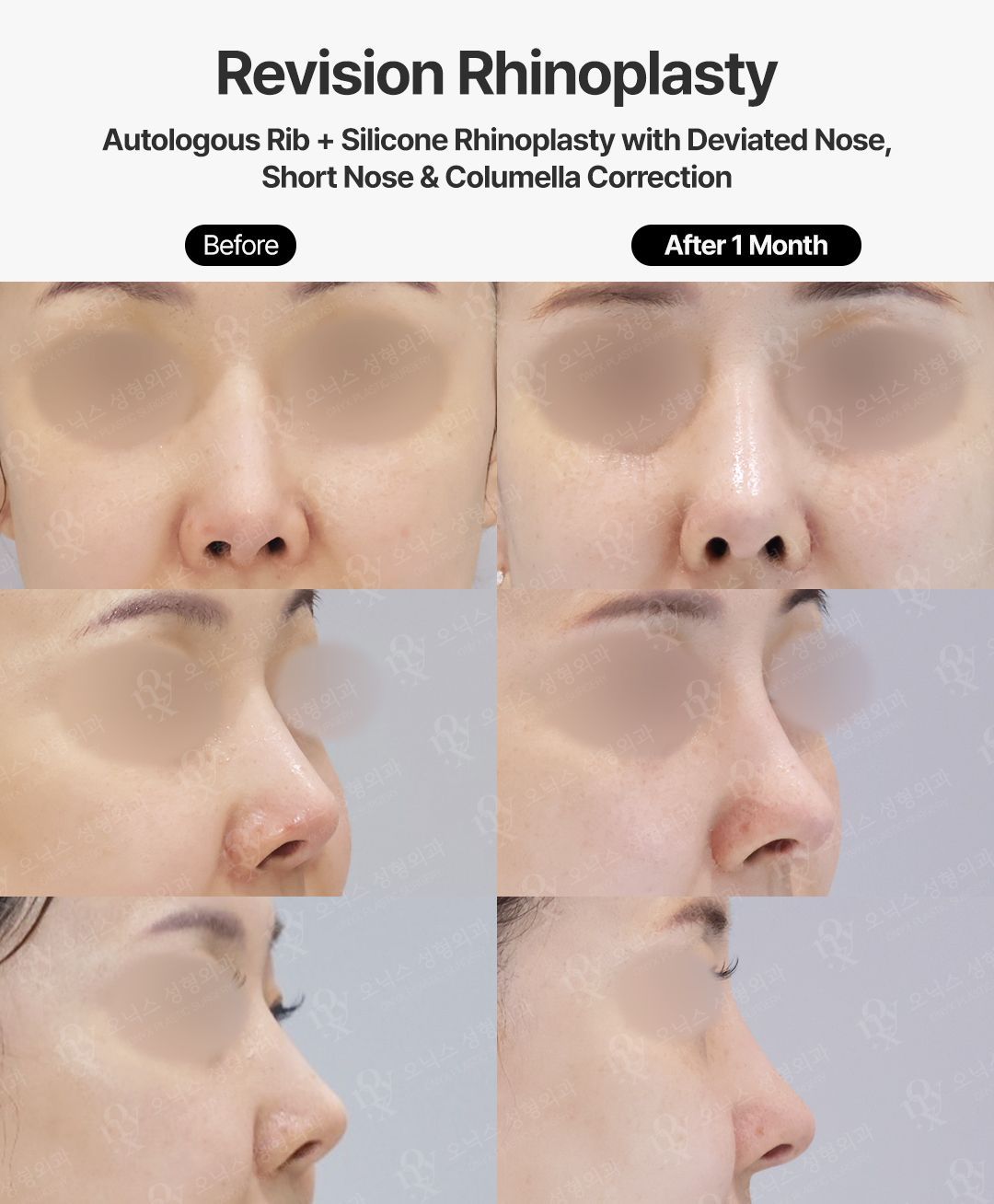
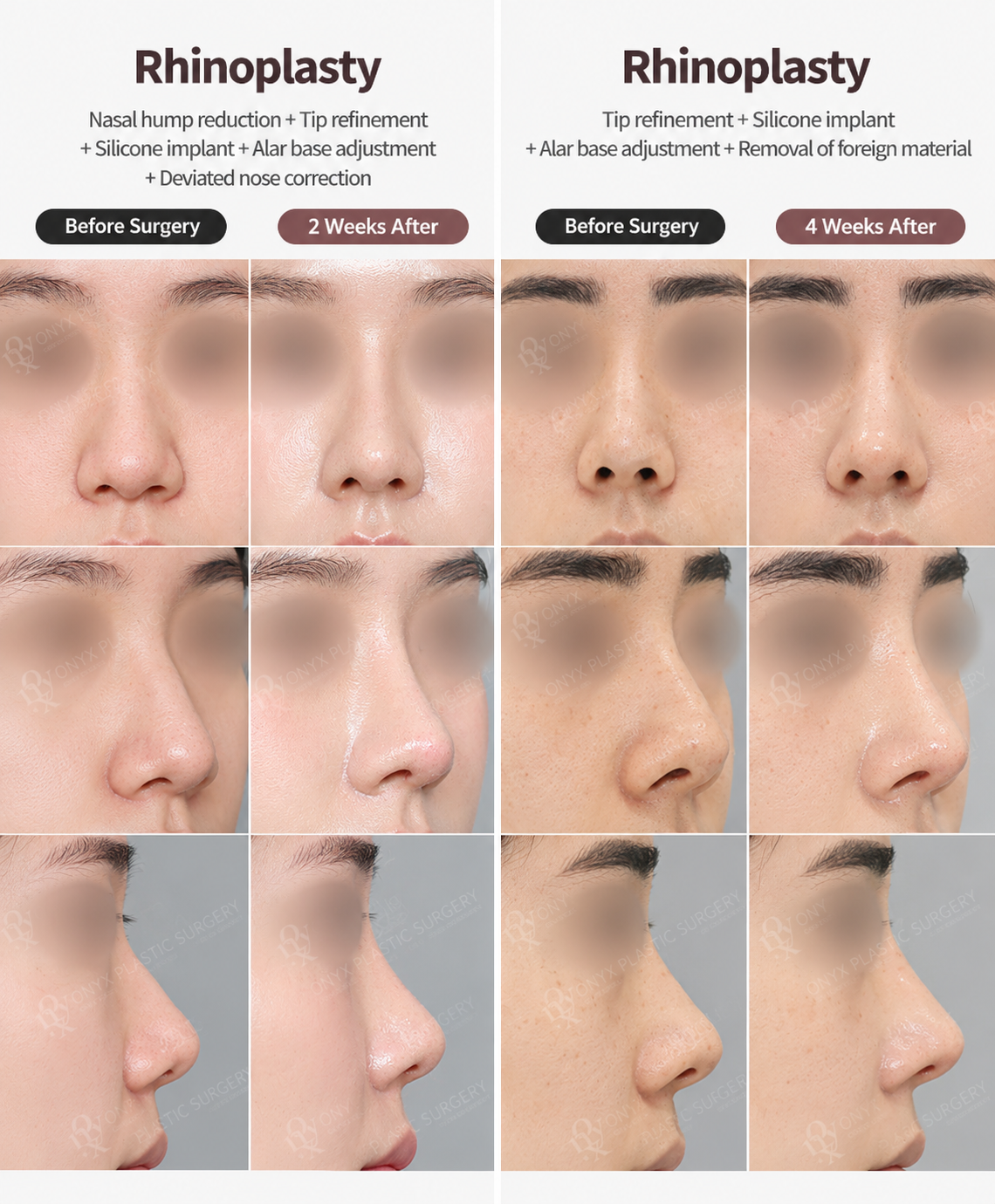
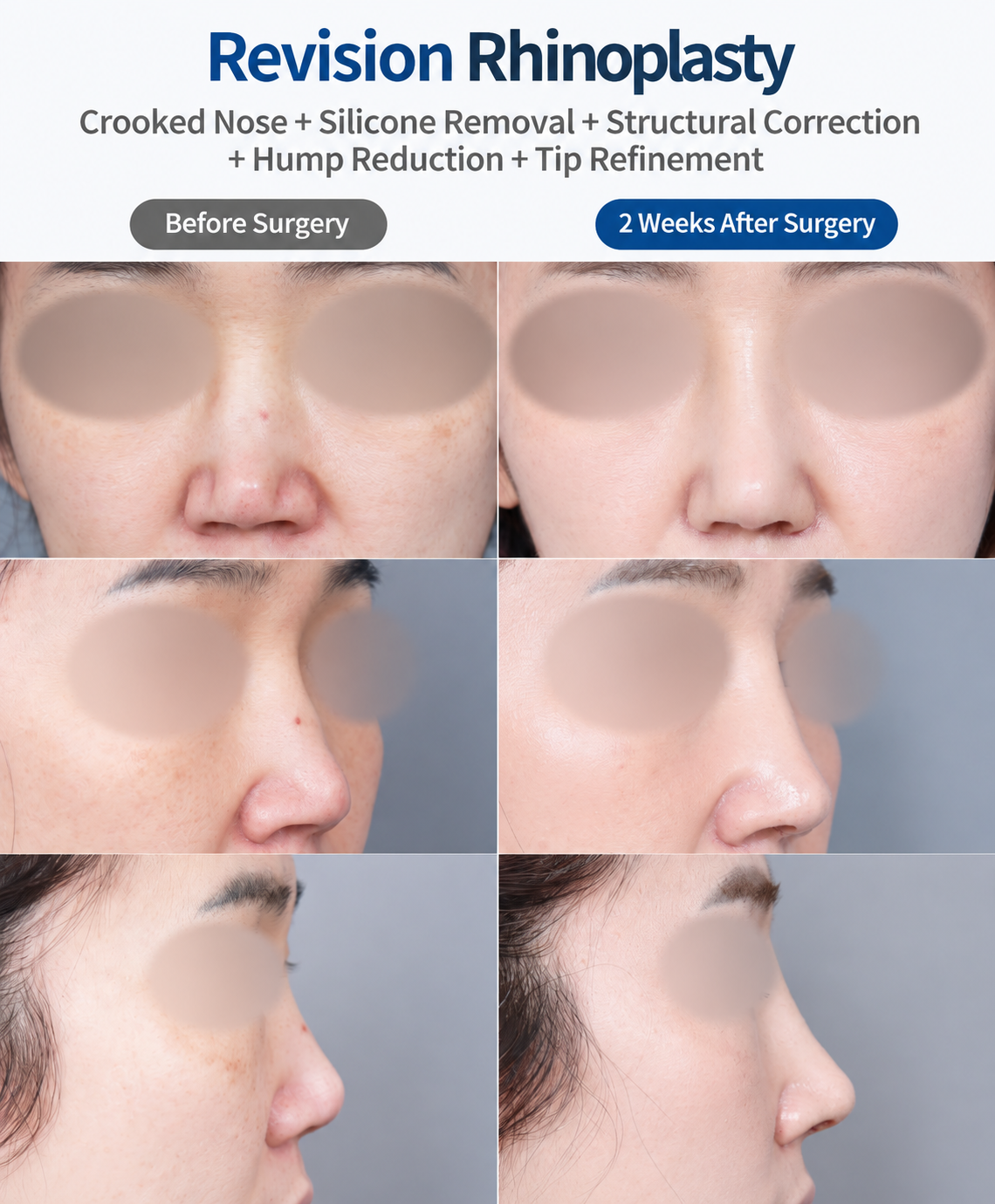
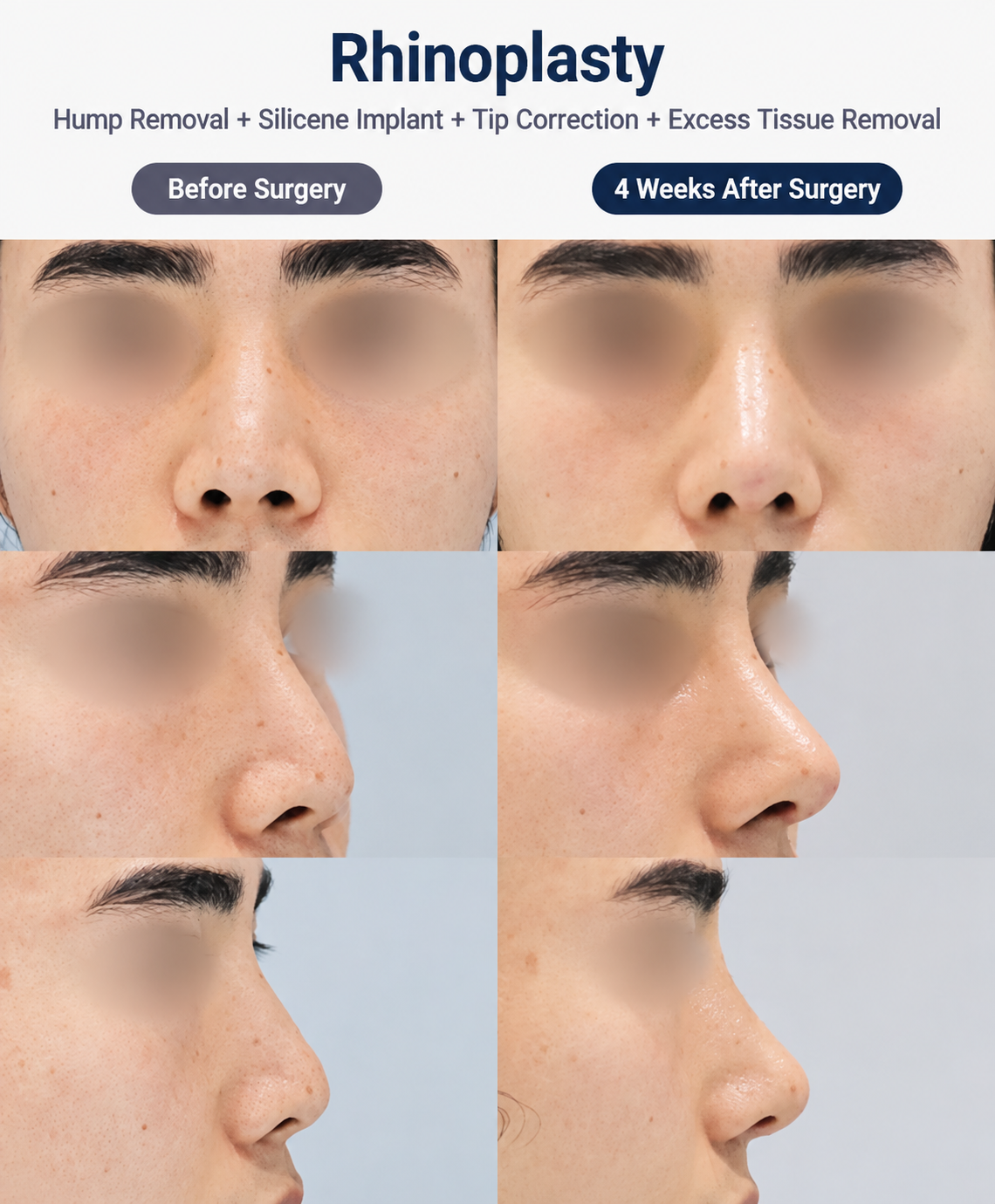
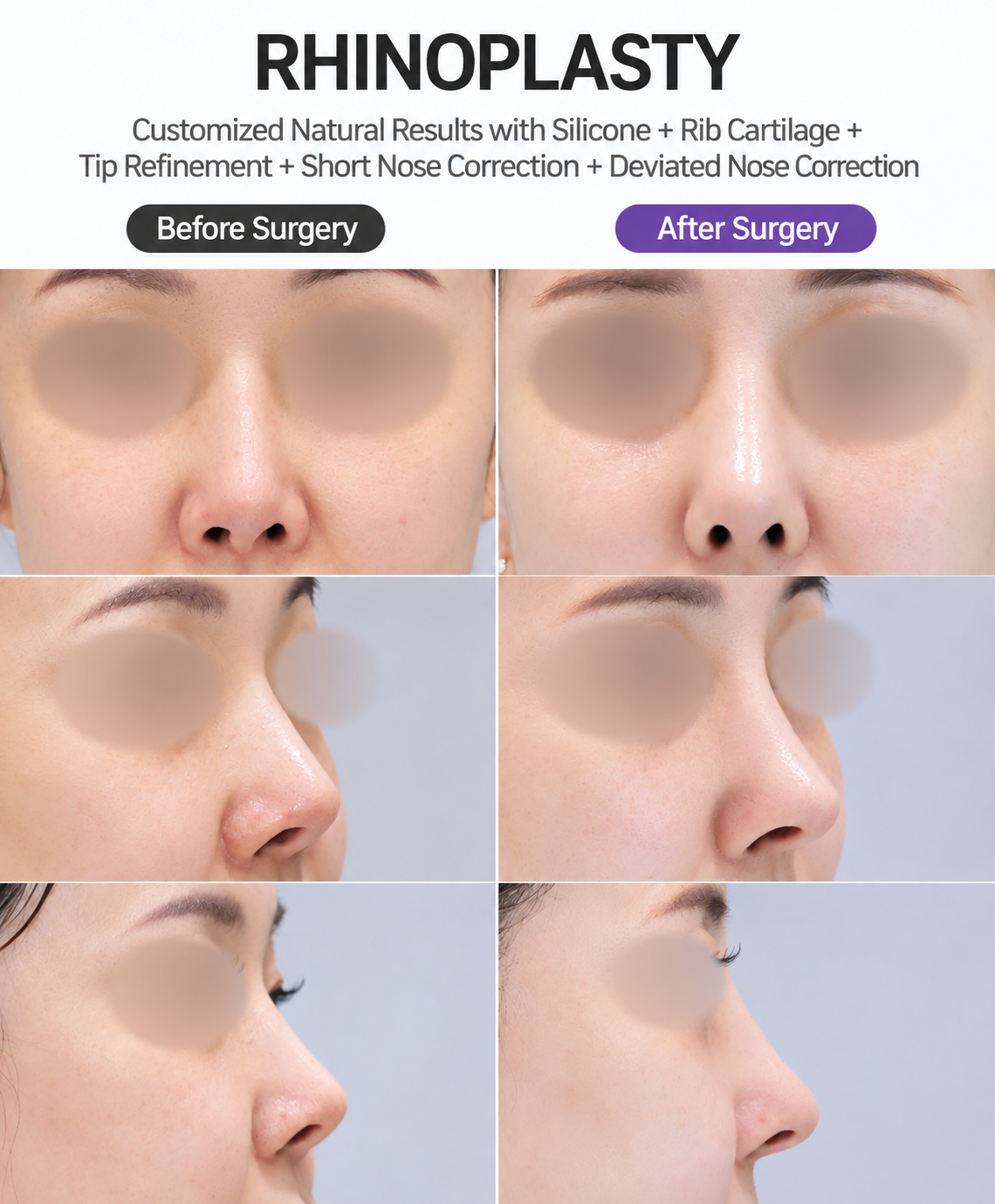
Rhinoplasty is a surgical procedure that reshapes the nose to improve its appearance or structure.
Common objectives include:
- Refining the nasal tip
- Changing bridge height
- Improving facial harmony
- Correcting asymmetry
- Enhancing profile balance
- Reducing or increasing nasal projection
- Addressing structural concerns
Some rhinoplasty procedures also include functional improvements when necessary.
Main Differences Between Septoplasty and Rhinoplasty
Although both procedures involve the nose, they have different primary purposes.
Septoplasty:
- Focuses on internal nasal structures
- Primarily improves breathing
- Corrects septal deviation
- Usually has minimal cosmetic changes
Rhinoplasty:
- Focuses on external appearance
- Improves facial balance
- Changes nasal shape
- May also include structural corrections
Some patients benefit from combining both procedures in one surgery.
Can They Be Performed Together?
Yes. Many patients choose to undergo both procedures at the same time.
Combined surgery may address:
- Breathing difficulties
- Cosmetic concerns
- Structural weakness
- Nasal asymmetry
- Functional problems
- Facial harmony
- Long-term nasal support
A combined approach may reduce the need for separate recovery periods.
Recovery Comparison
Recovery timelines are similar in many respects, although individual healing varies.
Typical recovery includes:
- Week 1: swelling and congestion
- Week 2: reduced bruising and improved comfort
- Weeks 3–4: continued healing
- Months 2–3: gradual refinement
- Months 4–6: ongoing improvement
- Up to 12 months or longer for final rhinoplasty results
Functional improvements may become more noticeable as swelling decreases.
Cost Comparison in Korea
Costs depend on the complexity of the procedure and the surgical plan.
Typical estimates include:
- Septoplasty: 2,000,000–5,000,000 KRW
- Primary rhinoplasty: 3,000,000–6,000,000 KRW
- Functional and cosmetic rhinoplasty: 5,000,000–10,000,000 KRW
- Complex revision procedures: 6,000,000–15,000,000 KRW or more
Comprehensive quotations should clarify what services and postoperative care are included.
Which Is Better?
Septoplasty may be more suitable for patients who:
- Experience chronic nasal obstruction
- Have difficulty breathing
- Have a deviated septum
- Want functional improvement without cosmetic changes
Rhinoplasty may be more suitable for patients who:
- Want to improve nasal appearance
- Seek better facial harmony
- Wish to refine the bridge or tip
- Want cosmetic enhancement with or without functional correction
Some patients may benefit most from a combined procedure that addresses both concerns.
Factors to Consider Before Surgery
Before making a decision, discuss your goals and medical history with your surgeon.
Important considerations include:
- Primary reason for surgery
- Breathing symptoms
- Cosmetic expectations
- Nasal anatomy
- Recovery timeline
- Surgical complexity
- Long-term goals
A personalized consultation helps determine the most appropriate treatment plan.
Final Thoughts
Septoplasty and rhinoplasty serve different purposes but can often complement each other. While septoplasty focuses on improving breathing and internal nasal function, rhinoplasty emphasizes facial aesthetics and structural refinement. Understanding your priorities and consulting with an experienced surgeon can help you choose the procedure that best matches your needs and expectations.