Silicone vs Cartilage Rhinoplasty
Silicone vs Cartilage Rhinoplasty
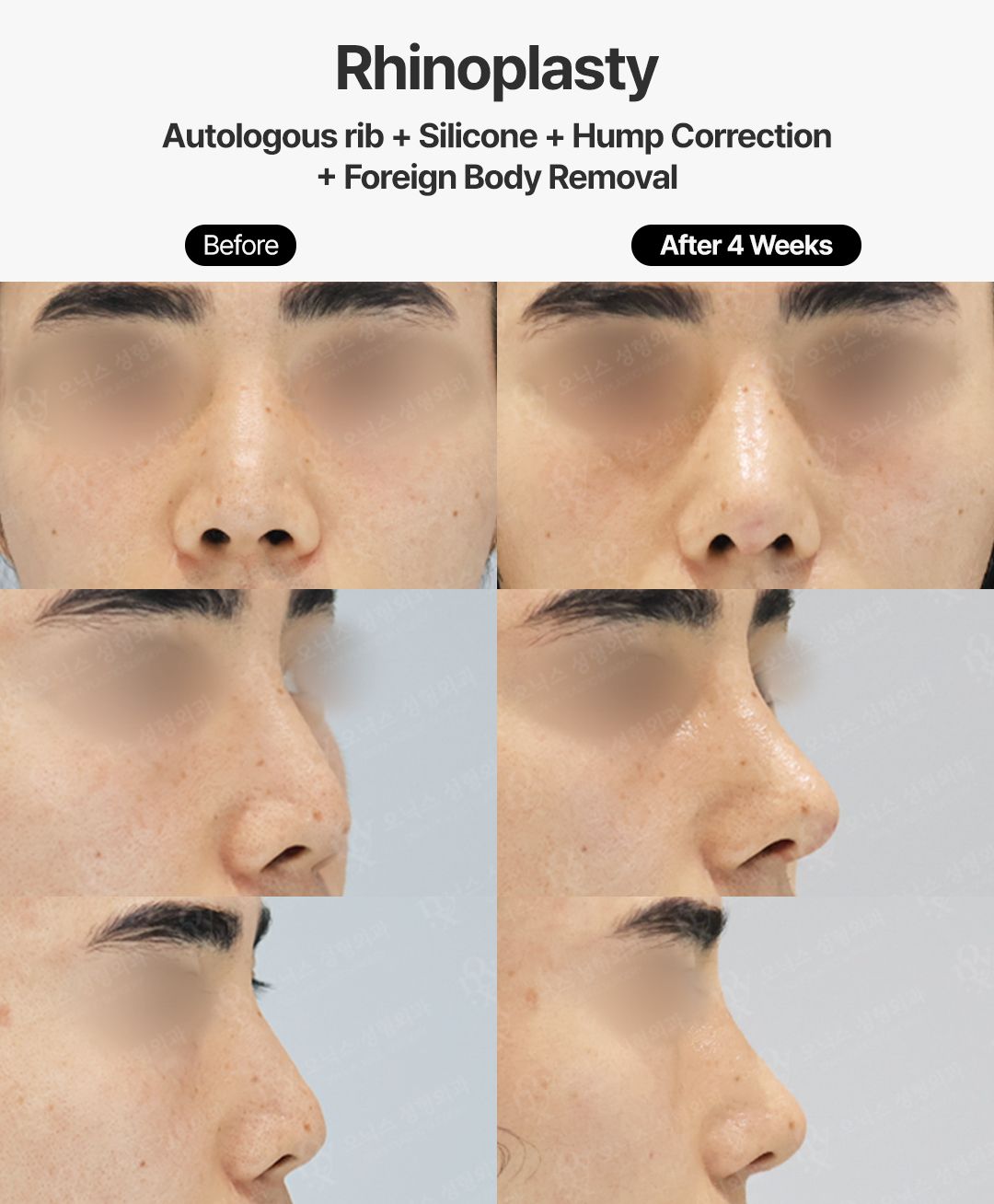
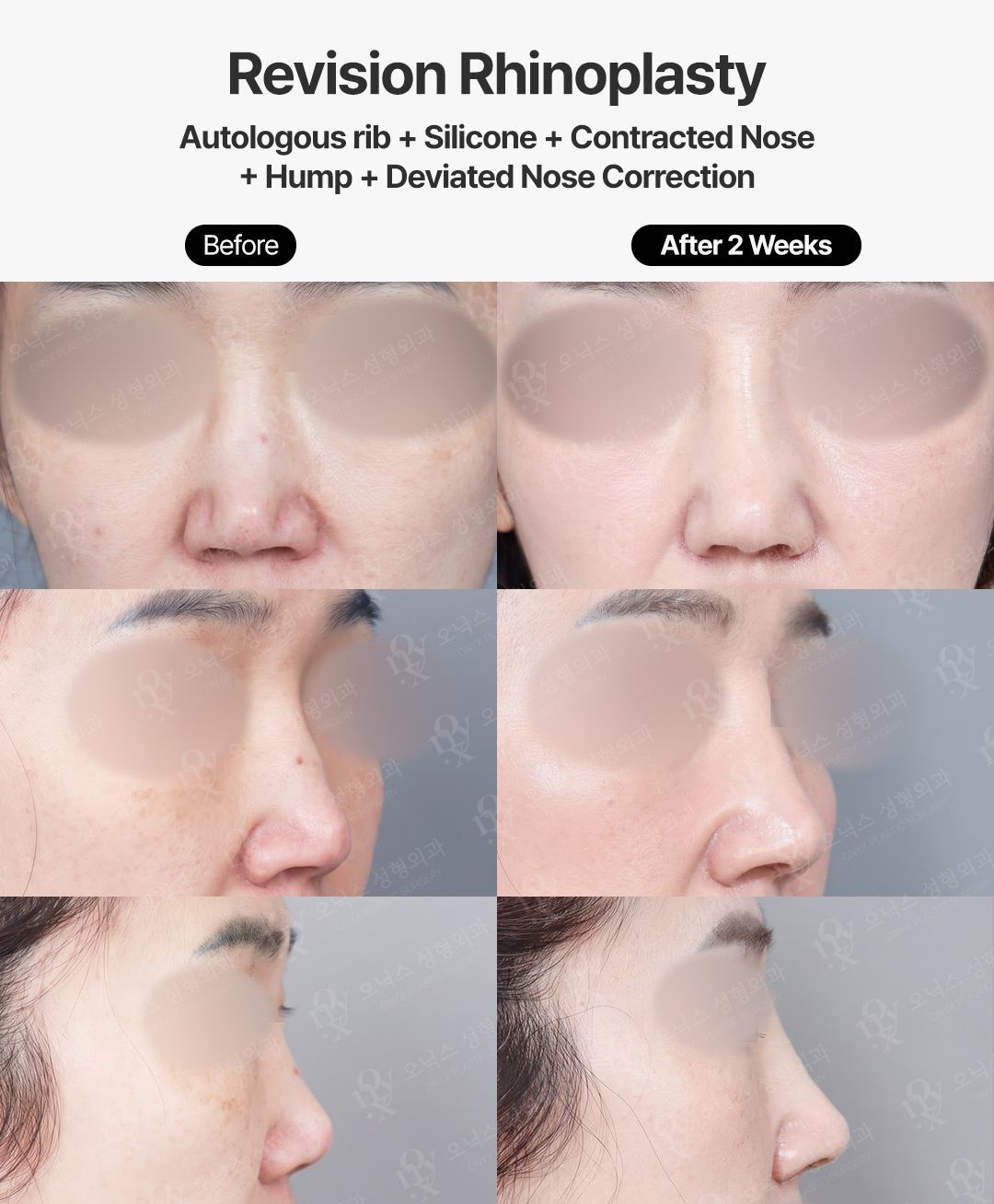
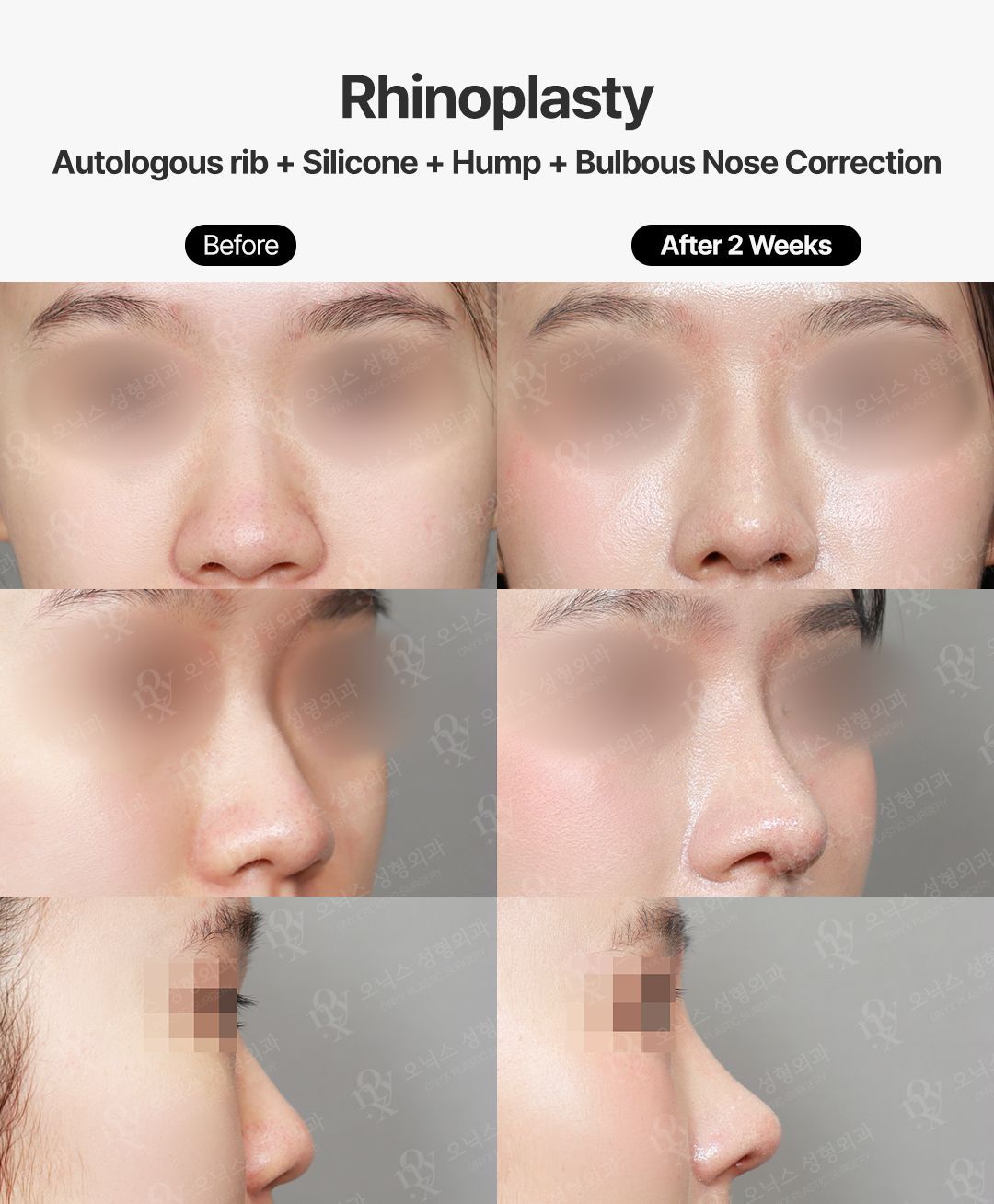
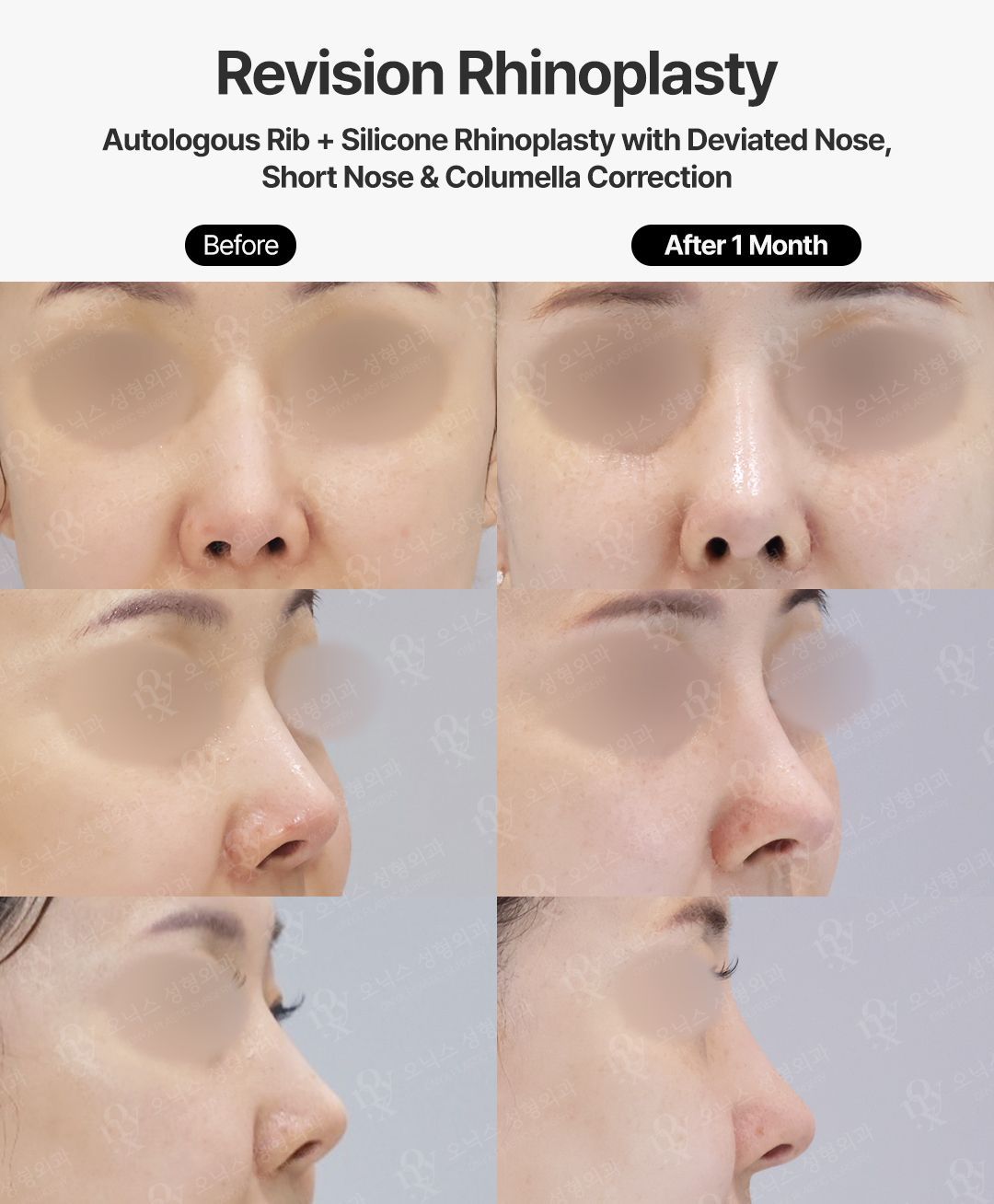
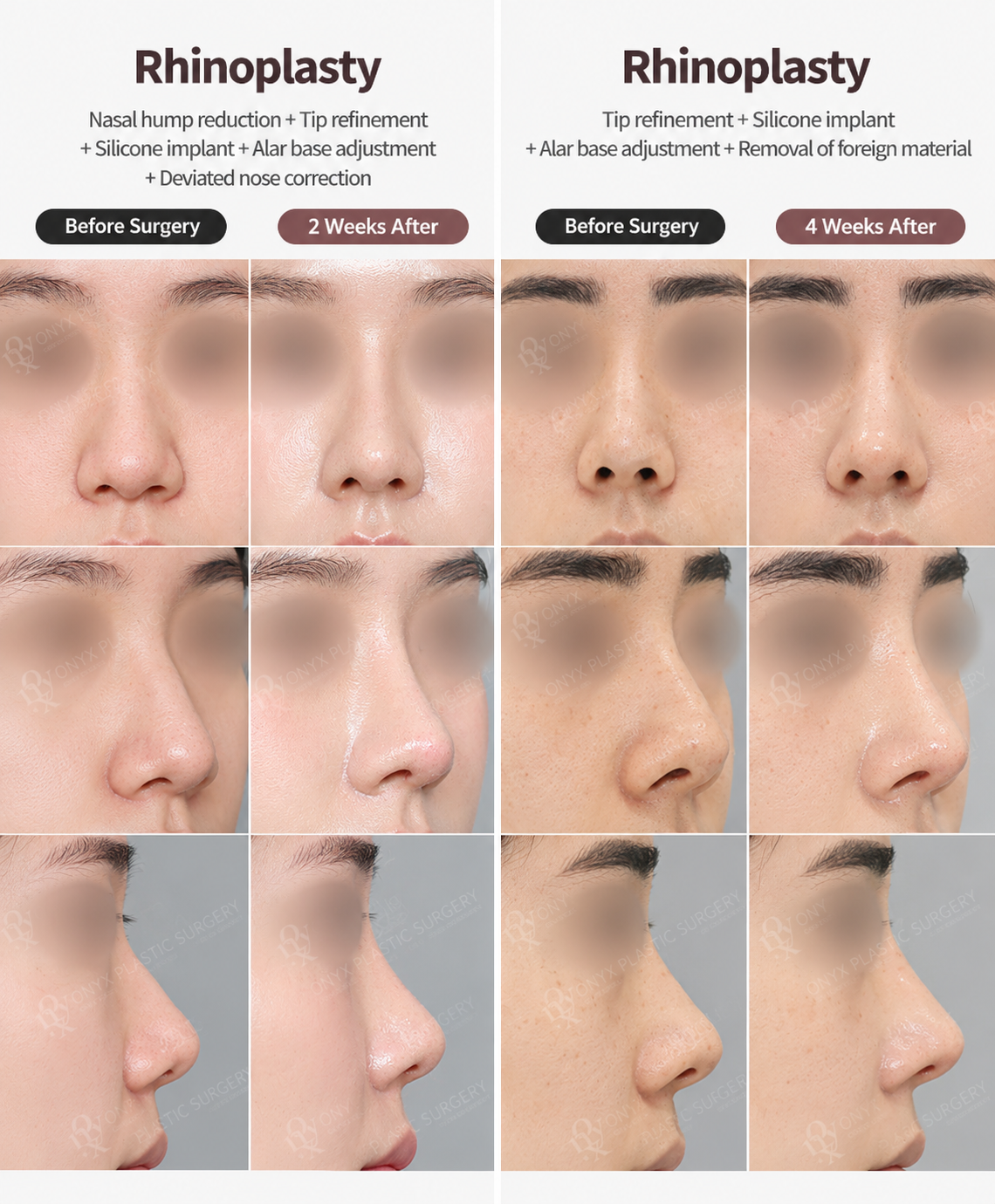
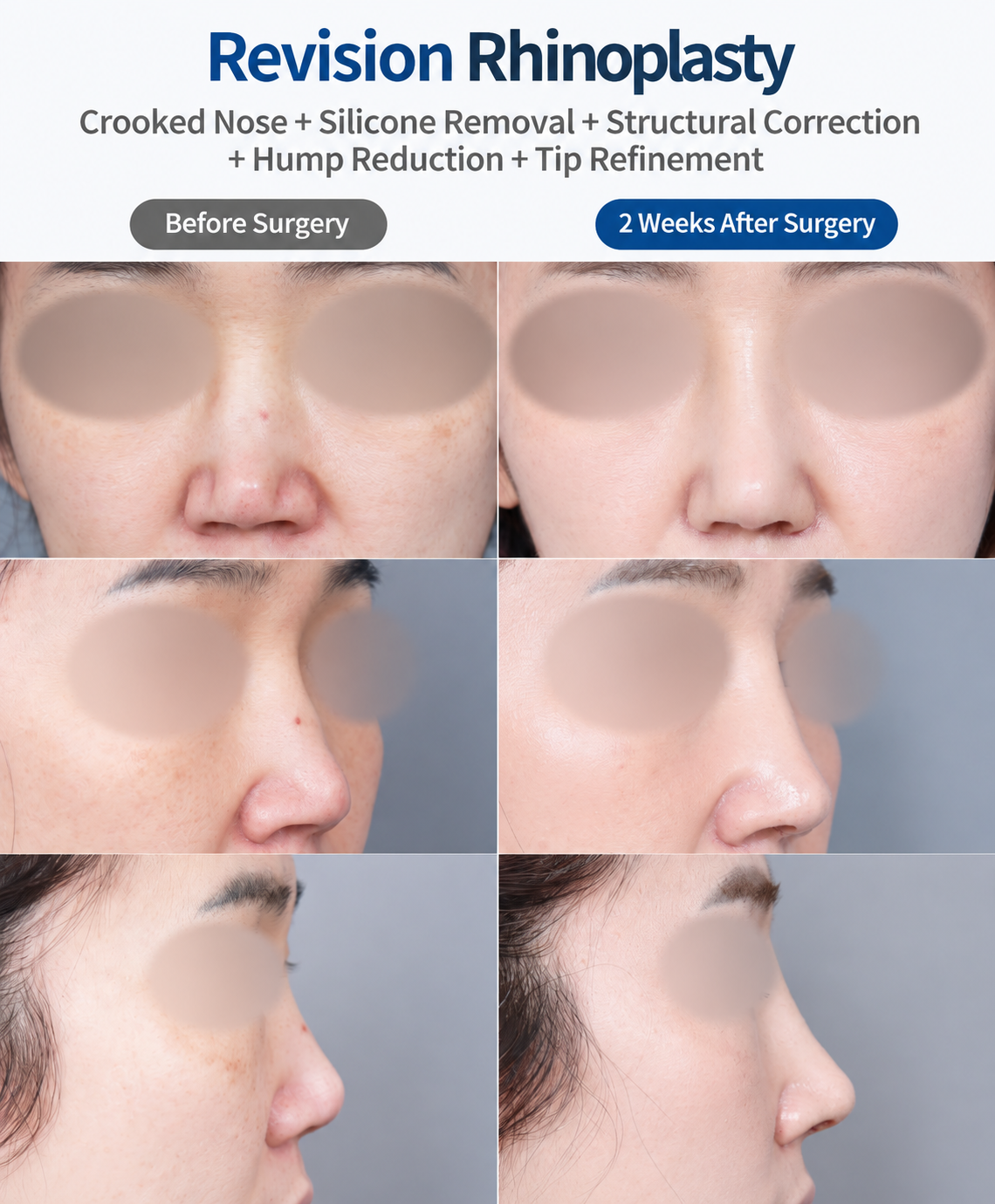
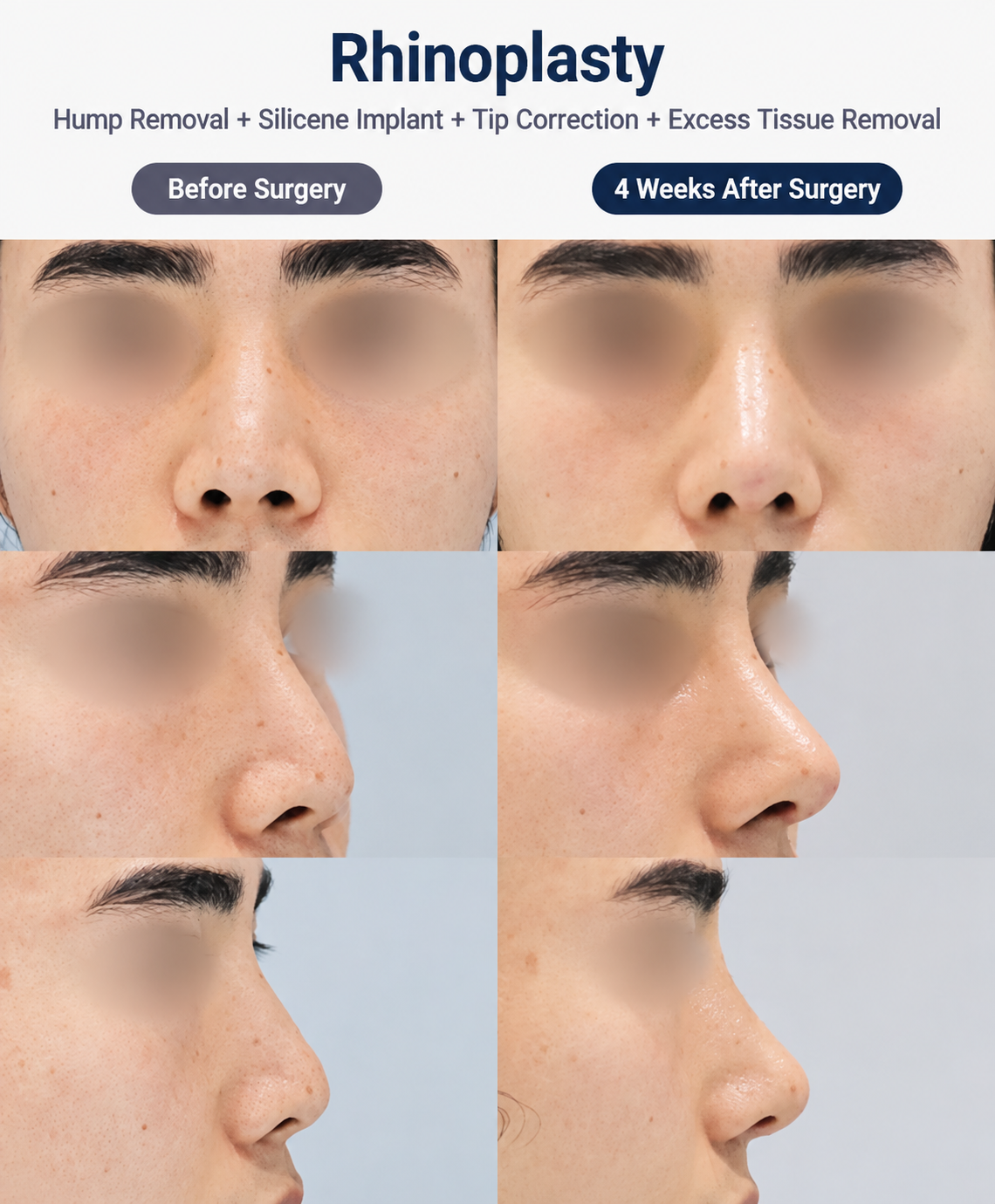
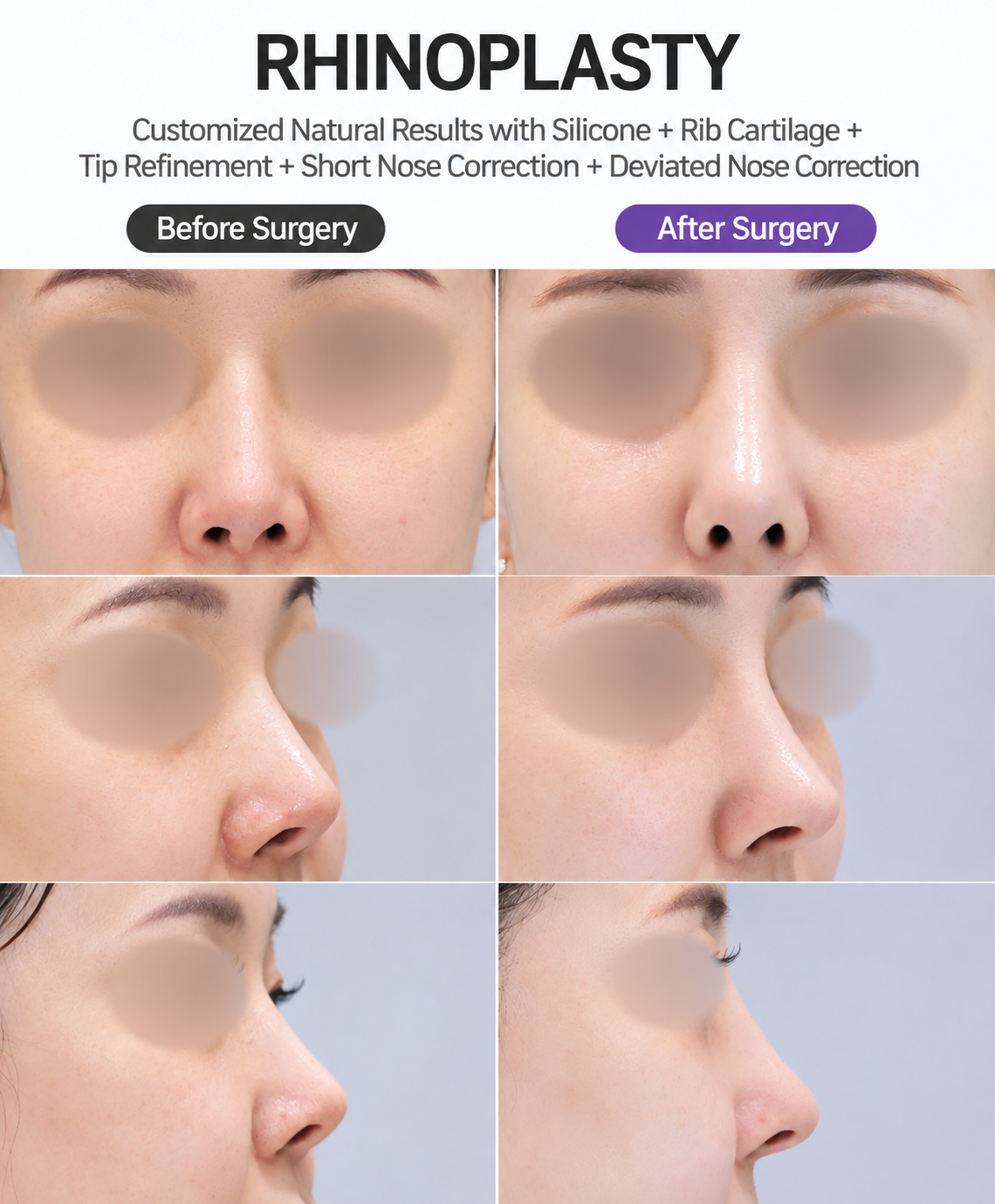
Silicone implants and cartilage grafts are two of the most commonly used options in rhinoplasty, particularly in South Korea. Both can produce effective and natural-looking results when used appropriately, but they differ in materials, surgical techniques, and long-term considerations. The best choice depends on your anatomy, aesthetic goals, and your surgeon's treatment plan.
What Is Silicone Rhinoplasty?
Silicone rhinoplasty uses a medical-grade implant to enhance or reshape the nasal bridge.
It is commonly used to:
- Increase bridge height
- Improve side profile definition
- Create a straighter nasal line
- Enhance facial balance
- Correct mild asymmetry
- Achieve predictable augmentation
- Minimize the need for cartilage harvesting
The implant is selected and shaped based on the patient's individual needs.
What Is Cartilage Rhinoplasty?
Cartilage rhinoplasty uses the patient's own tissue to reshape or support the nose.
Common cartilage sources include:
- Septal cartilage
- Ear cartilage
- Rib cartilage
Cartilage grafts may be used for:
- Tip refinement
- Structural reinforcement
- Bridge augmentation
- Revision surgery
- Functional correction
- Long-term support
- Complex reconstruction
The exact technique varies depending on the surgical plan.
Advantages of Silicone Implants
Silicone remains a popular option for selected patients because of its versatility and efficiency.
Potential advantages include:
- Well-defined bridge augmentation
- Predictable shape
- No additional donor site for the bridge implant
- Shorter harvesting time
- Consistent implant structure
- Widely used in primary procedures
- Suitable for selected anatomical needs
Suitability depends on careful patient selection and surgical planning.
Advantages of Cartilage Grafts
Autologous cartilage offers several important benefits, especially in structurally complex cases.
Potential advantages include:
- Uses the patient's own tissue
- Strong structural support
- Flexible customization
- Natural integration with surrounding tissue
- Useful for revision surgery
- Suitable for tip reconstruction
- Effective for functional improvements
Many surgeons prefer cartilage for cases requiring significant structural reinforcement.
Recovery Considerations
Recovery varies depending on the procedure and graft source.
Patients may experience:
- Swelling
- Bruising
- Temporary congestion
- Mild discomfort
- Gradual healing over several months
- Ongoing refinement of results
If rib or ear cartilage is harvested, there will also be healing at the donor site.
Cost Comparison in Korea
Pricing depends on surgical complexity and materials used.
Typical estimates include:
- Silicone rhinoplasty: 3,000,000–6,000,000 KRW
- Cartilage rhinoplasty using septal or ear cartilage: 4,000,000–8,000,000 KRW
- Rib cartilage rhinoplasty: 5,000,000–12,000,000 KRW
- Complex revision procedures: 6,000,000–15,000,000 KRW or more
Individual quotations may vary based on reconstruction requirements and postoperative care.
Long-Term Considerations
Choosing between silicone and cartilage involves more than the initial surgery.
Important factors include:
- Structural requirements
- Desired appearance
- Previous surgeries
- Available cartilage
- Functional concerns
- Recovery expectations
- Long-term treatment goals
A personalized consultation helps determine the most appropriate option for each patient.
Which Is Better?
Silicone rhinoplasty may be suitable for patients who:
- Want bridge augmentation
- Have sufficient soft tissue coverage
- Prefer a predictable implant shape
- Do not require extensive reconstruction
Cartilage rhinoplasty may be suitable for patients who:
- Need structural reinforcement
- Want tip refinement
- Require revision surgery
- Have functional concerns
- Prefer the use of their own tissue
- Need complex reconstruction
The right approach depends on the individual's anatomy and surgical objectives rather than one material being universally superior.
Final Thoughts
Silicone and cartilage rhinoplasty each have important roles in modern nasal surgery. Silicone implants can provide effective bridge augmentation for appropriately selected patients, while cartilage grafts offer versatility and structural support for more complex or customized procedures. The most suitable choice should be based on a thorough evaluation, realistic expectations, and an individualized surgical plan.