Male Rhinoplasty Trends in Korea
Male Rhinoplasty Trends in Korea
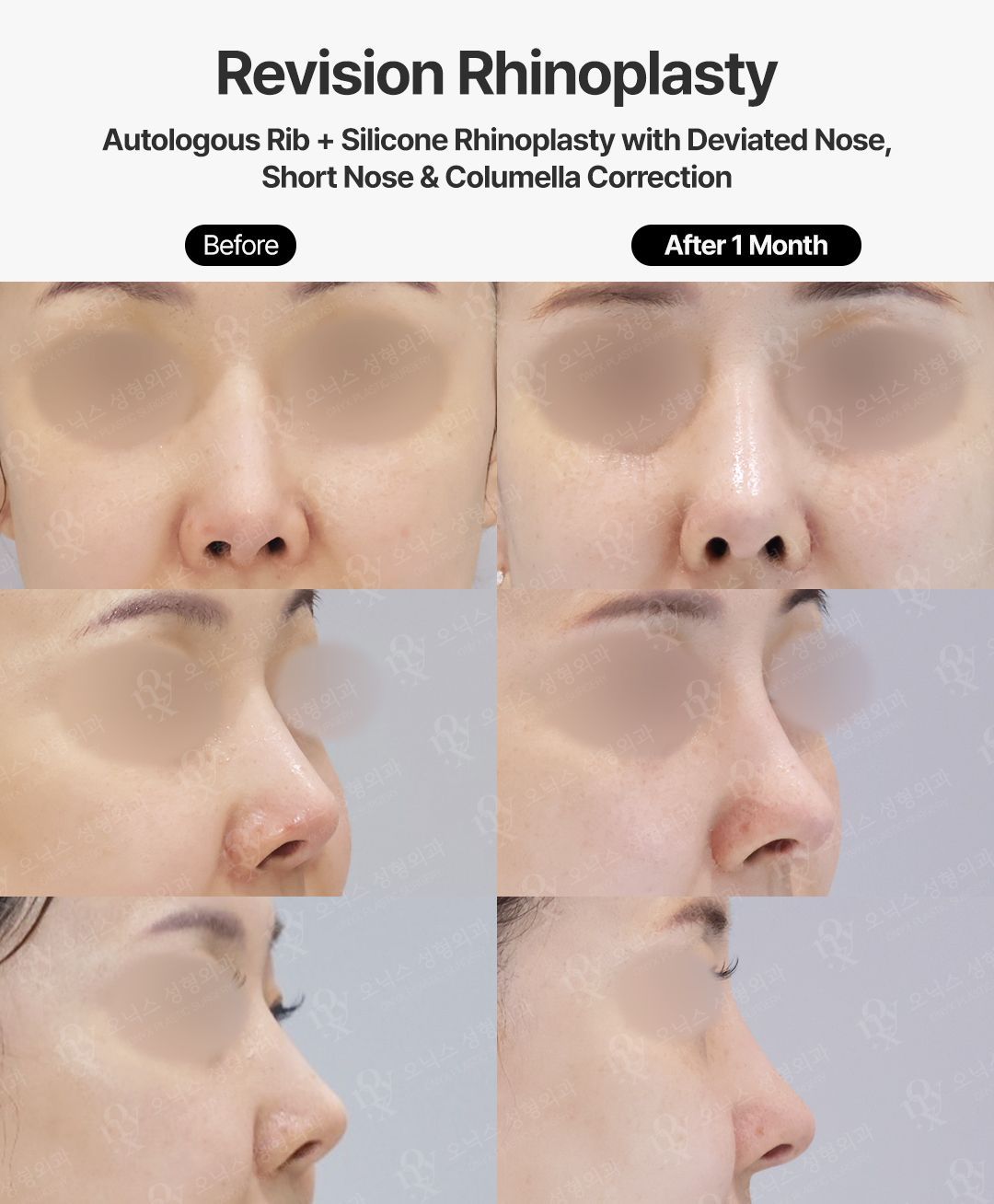
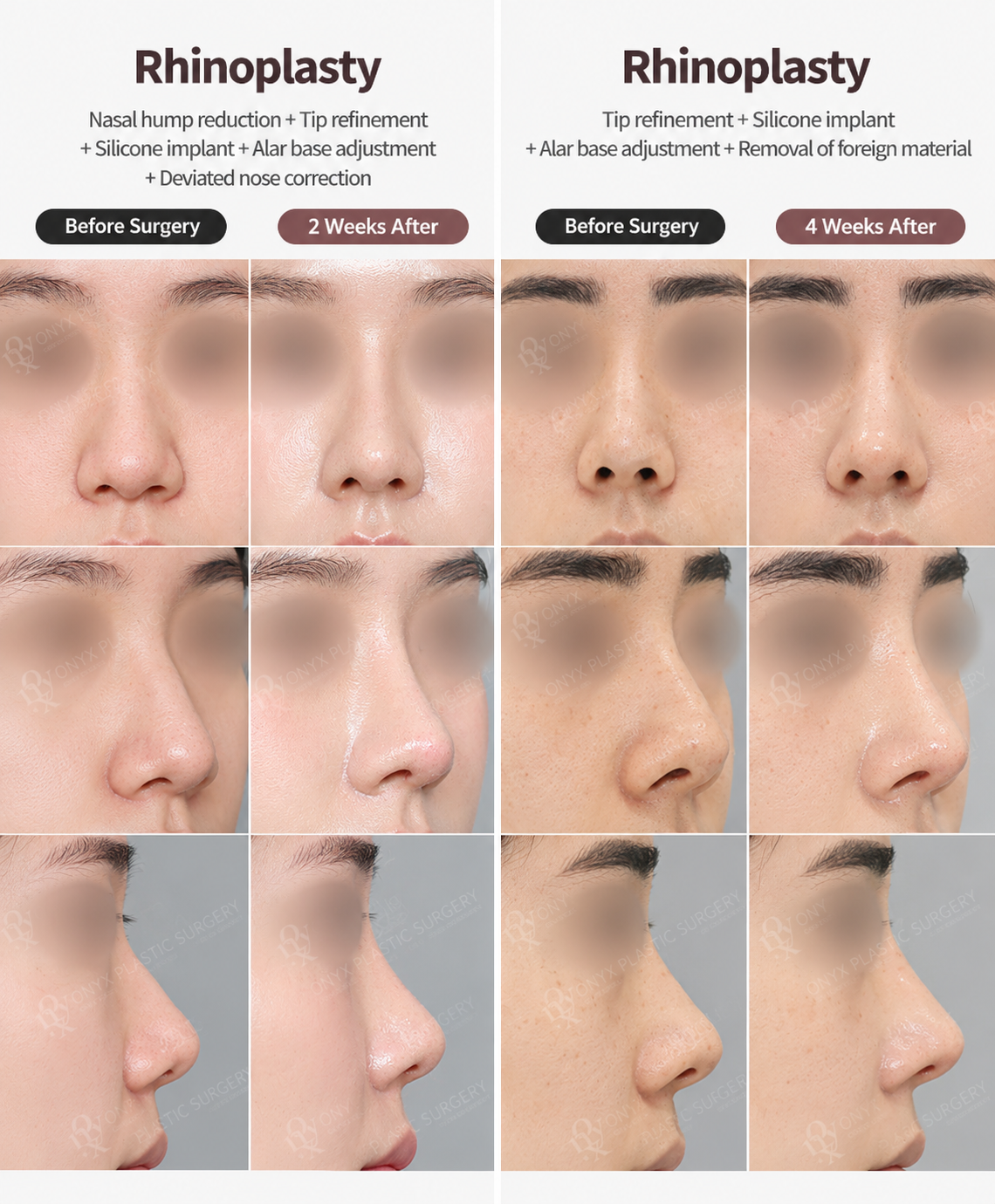
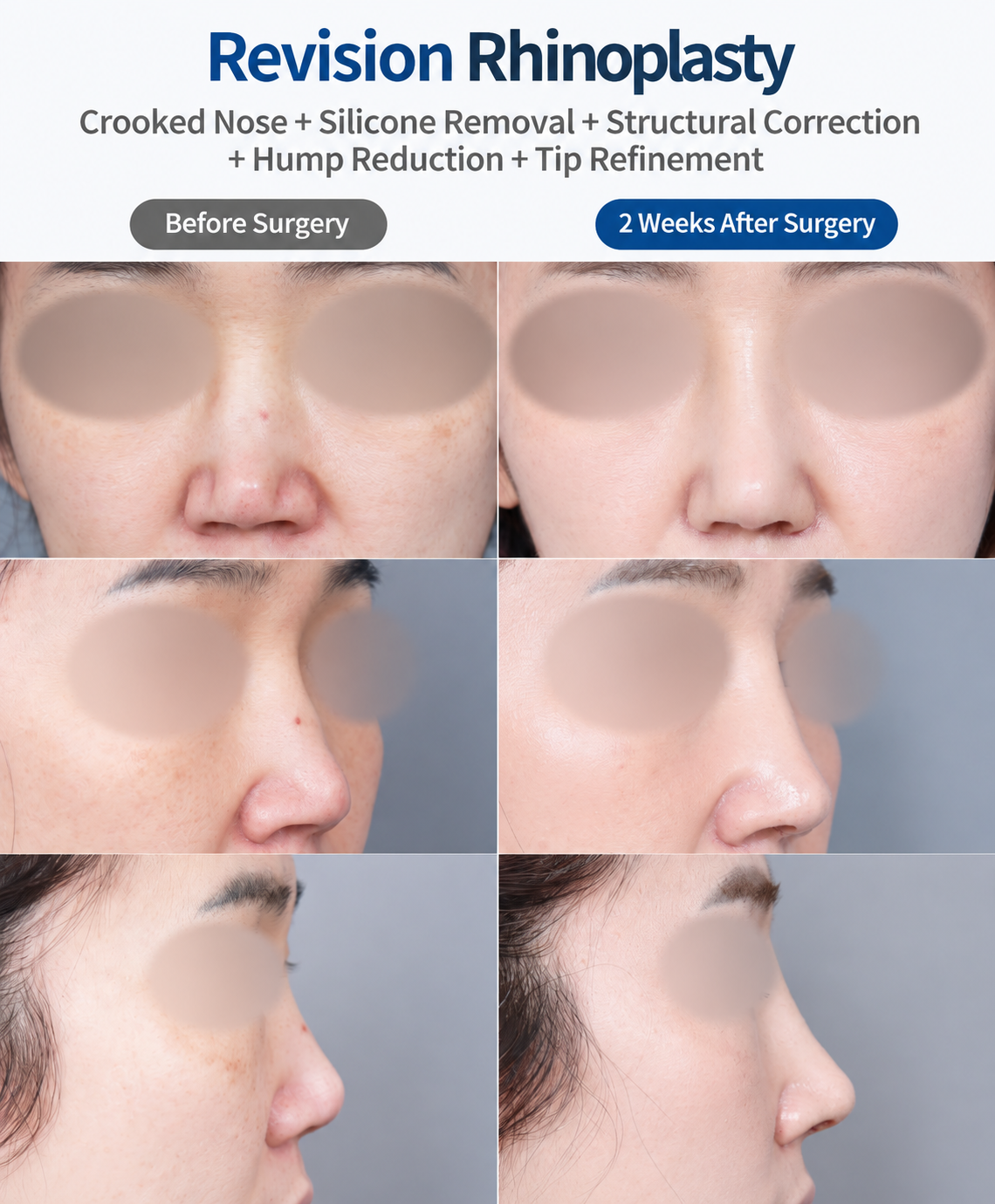
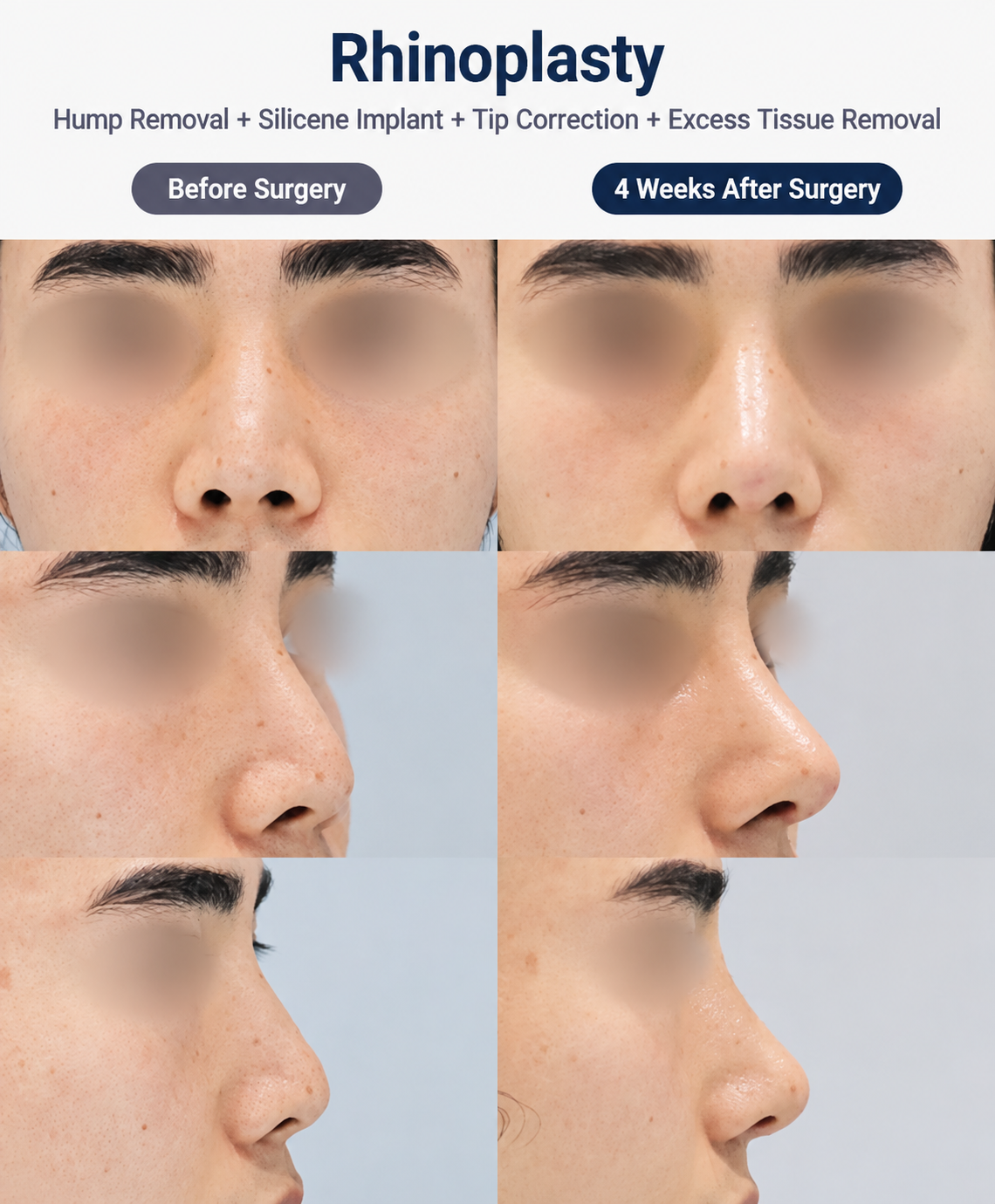
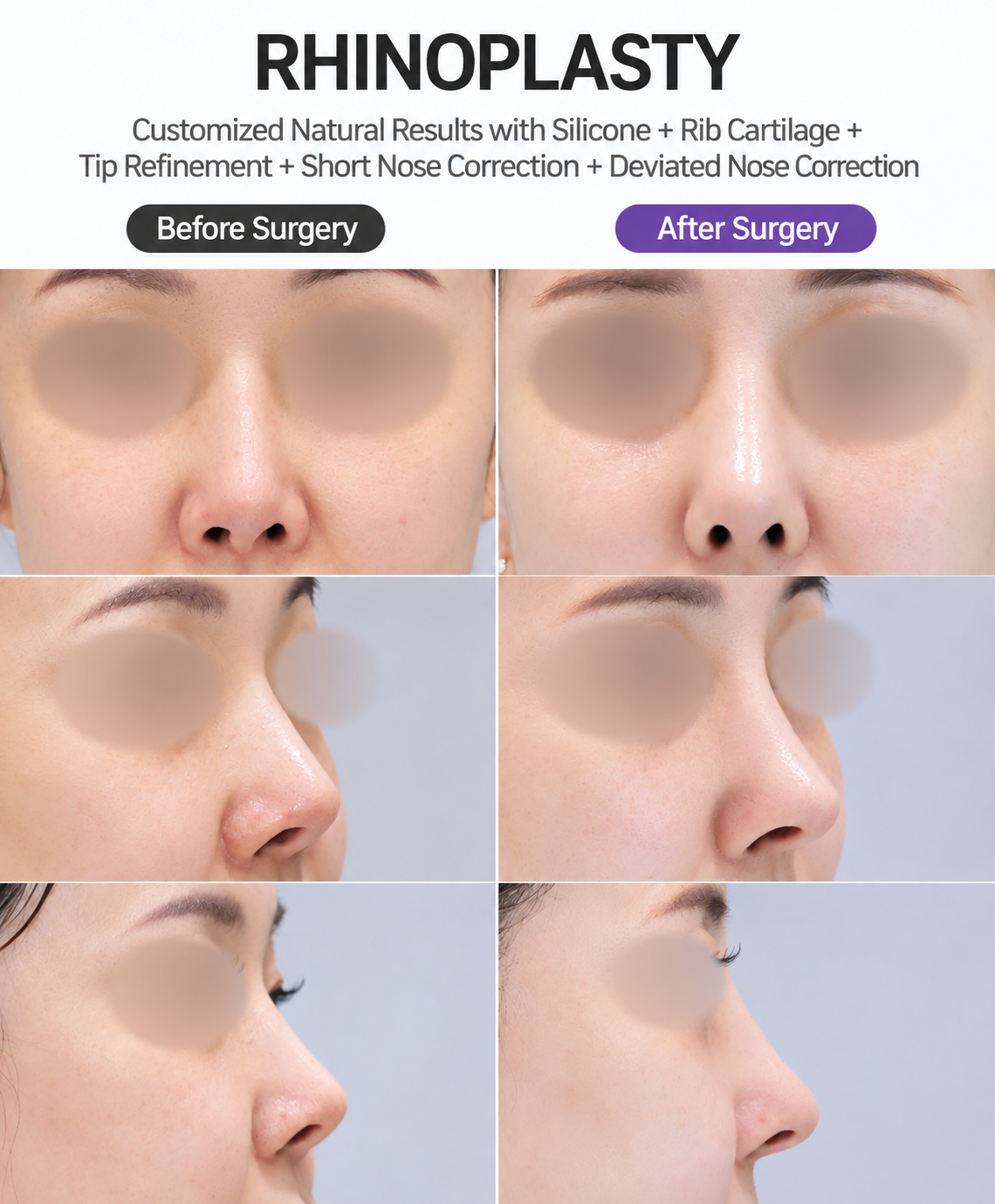
Male rhinoplasty has become increasingly popular in South Korea as more patients seek subtle refinements that enhance facial balance without compromising masculine features. Recent trends emphasize individualized planning, structural support, and natural-looking results rather than dramatic transformations or standardized nose shapes. Surgeons are also placing greater focus on combining aesthetic improvements with functional outcomes when needed.
The Shift Toward Natural Masculine Results
Modern male rhinoplasty trends have moved away from overly sculpted or artificial-looking noses.
Many patients now prefer:
- Straight nasal bridges
- Defined but natural tips
- Balanced facial proportions
- Strong profile lines
- Subtle refinement
- Preserved masculine characteristics
- Harmonious overall appearance
The goal is often to look more balanced rather than noticeably different.
Popular Aesthetic Goals Among Male Patients
Every patient has different preferences, but several requests are commonly seen.
Typical goals include:
- Higher bridge definition
- Tip refinement
- Improved facial symmetry
- Better side profile
- Correction of asymmetry
- Stronger nasal structure
- Natural-looking enhancement
Treatment plans are customized according to facial anatomy and personal expectations.
Structural Support Is Becoming More Important
Many modern procedures emphasize long-term stability rather than cosmetic changes alone.
Common techniques may involve:
- Septal cartilage grafts
- Ear cartilage grafts
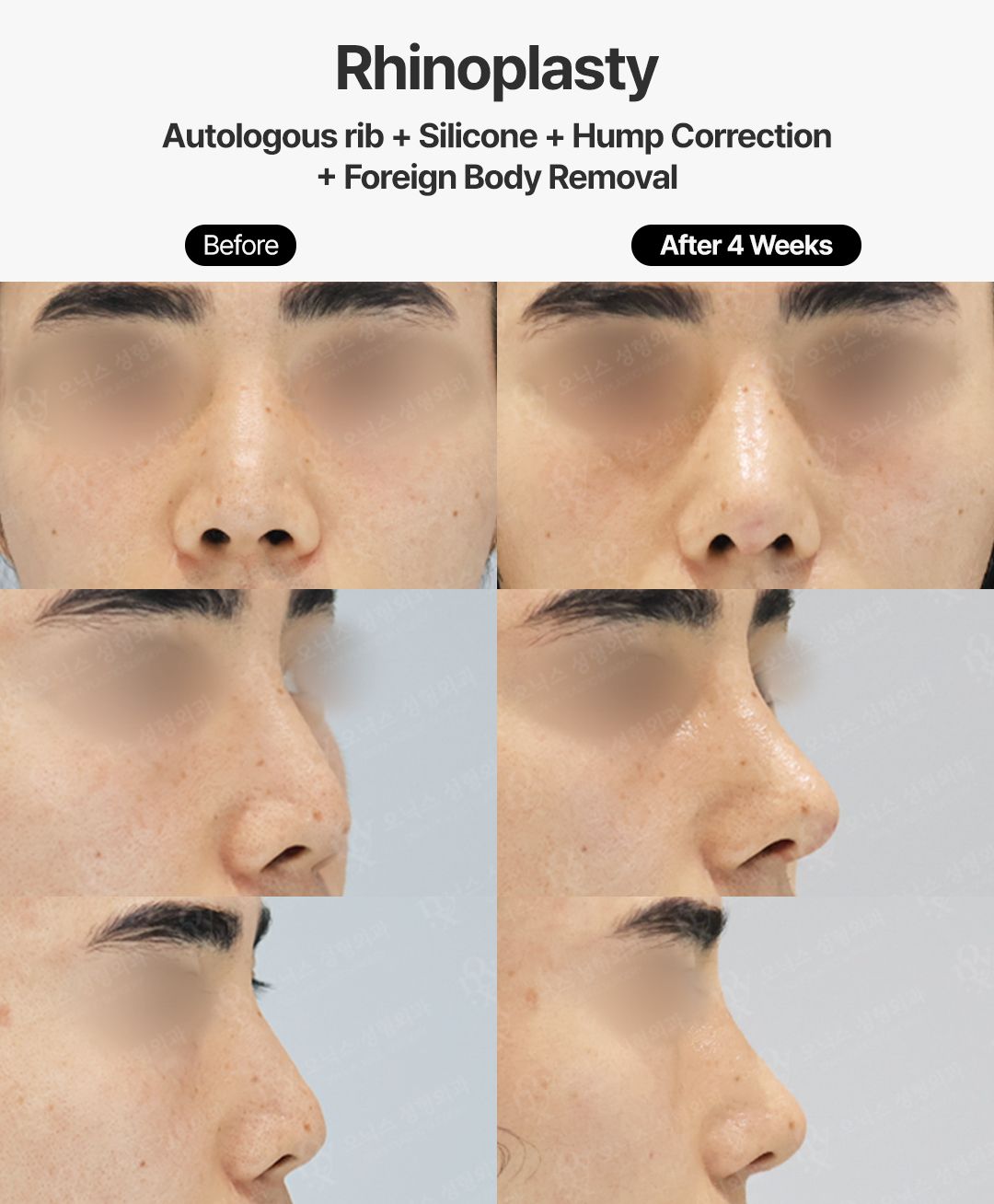
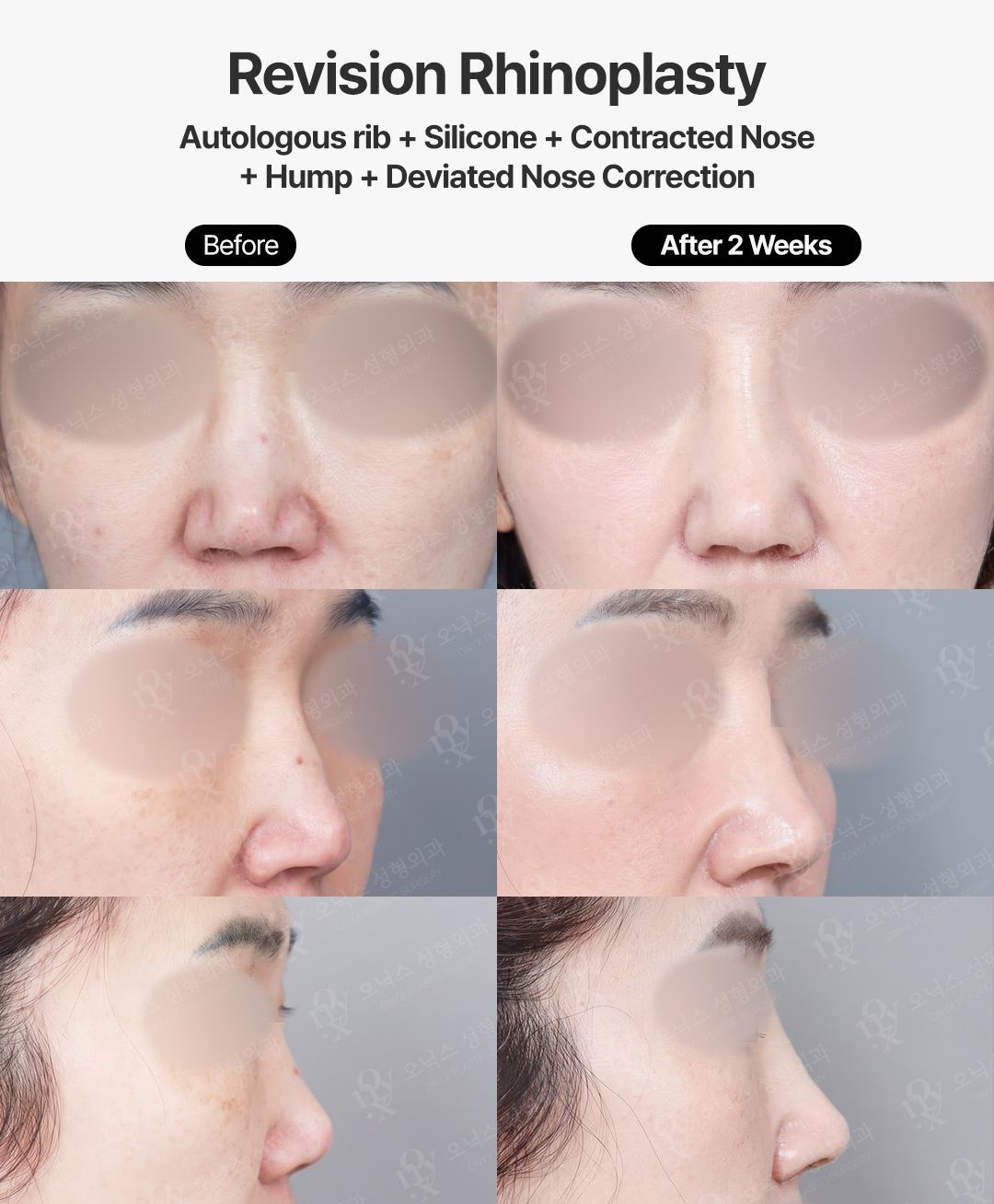
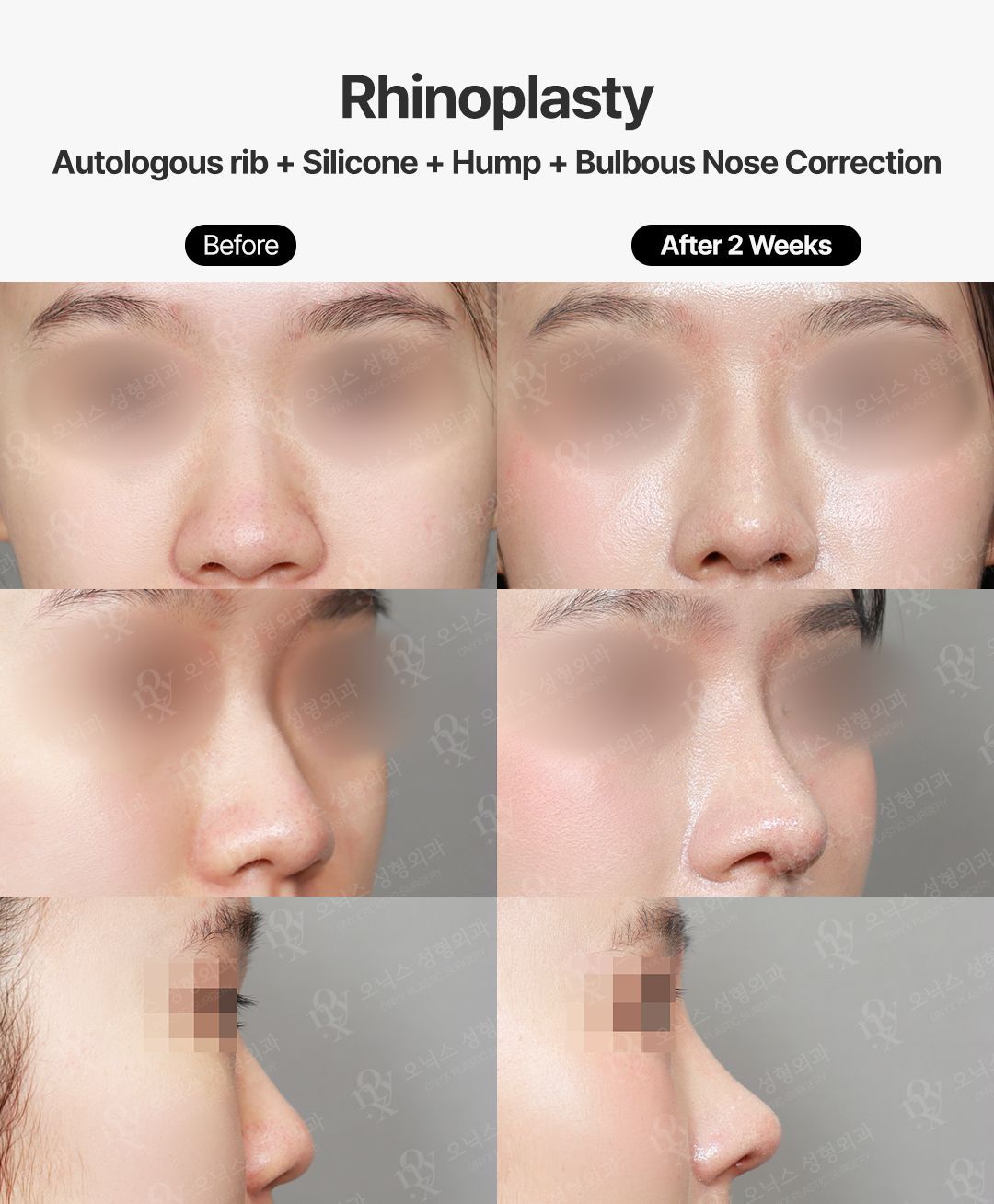
- Rib cartilage grafts
- Structural reinforcement
- Tip support improvement
- Bridge augmentation
- Functional correction when necessary
Cartilage-based techniques have become increasingly popular for achieving durable and natural-feeling results.
Personalized Surgical Planning
One-size-fits-all approaches are becoming less common in modern rhinoplasty.
Planning often considers:
- Facial proportions
- Jawline definition
- Brow profile
- Skin thickness
- Nasal anatomy
- Functional concerns
- Individual aesthetic goals
Advanced analysis and personalized planning are increasingly emphasized in Korean rhinoplasty practices.
Growing Interest in Functional Improvements
Many male patients are interested in improving breathing alongside cosmetic enhancement.
Combined procedures may address:
- Airway obstruction
- Structural weakness
- Nasal valve support
- Previous injuries
- Septal issues
- Functional reconstruction
- Cosmetic refinement
This combined approach can improve both appearance and nasal function.
Recovery Expectations
Although every patient heals differently, recovery generally follows a gradual timeline.
Typical milestones include:
- Week 1: swelling and bruising
- Week 2: noticeable improvement
- Weeks 3–4: continued healing
- Months 2–3: better definition
- Months 4–6: ongoing refinement
- Up to 12 months or longer for final results
Patience is important, as subtle improvements continue over time.
Typical Cost in Korea
Costs vary according to the procedure and level of complexity.
General estimates include:
- Primary male rhinoplasty: 3,000,000–6,000,000 KRW
- Cartilage-based rhinoplasty: 4,000,000–8,000,000 KRW
- Functional and cosmetic rhinoplasty: 5,000,000–10,000,000 KRW
- Revision rhinoplasty: 6,000,000–15,000,000 KRW or more
Final pricing depends on the surgical plan, graft requirements, and postoperative care.
Considerations for International Patients
Patients traveling to Korea should prepare for both surgery and recovery before booking flights.
Important considerations include:
- Online consultations
- Recovery time in Korea
- Follow-up appointments
- Translation services
- Accommodation planning
- Flexible travel schedules
- Long-term postoperative communication
Careful planning can make the overall experience smoother and more convenient.
Final Thoughts
Male rhinoplasty trends in Korea increasingly emphasize natural-looking enhancement, facial harmony, and structural stability rather than dramatic cosmetic change. With personalized planning and modern surgical techniques, many patients seek results that strengthen their facial profile while preserving a masculine and authentic appearance.