Ethnic Rhinoplasty in Korea
Ethnic Rhinoplasty in Korea
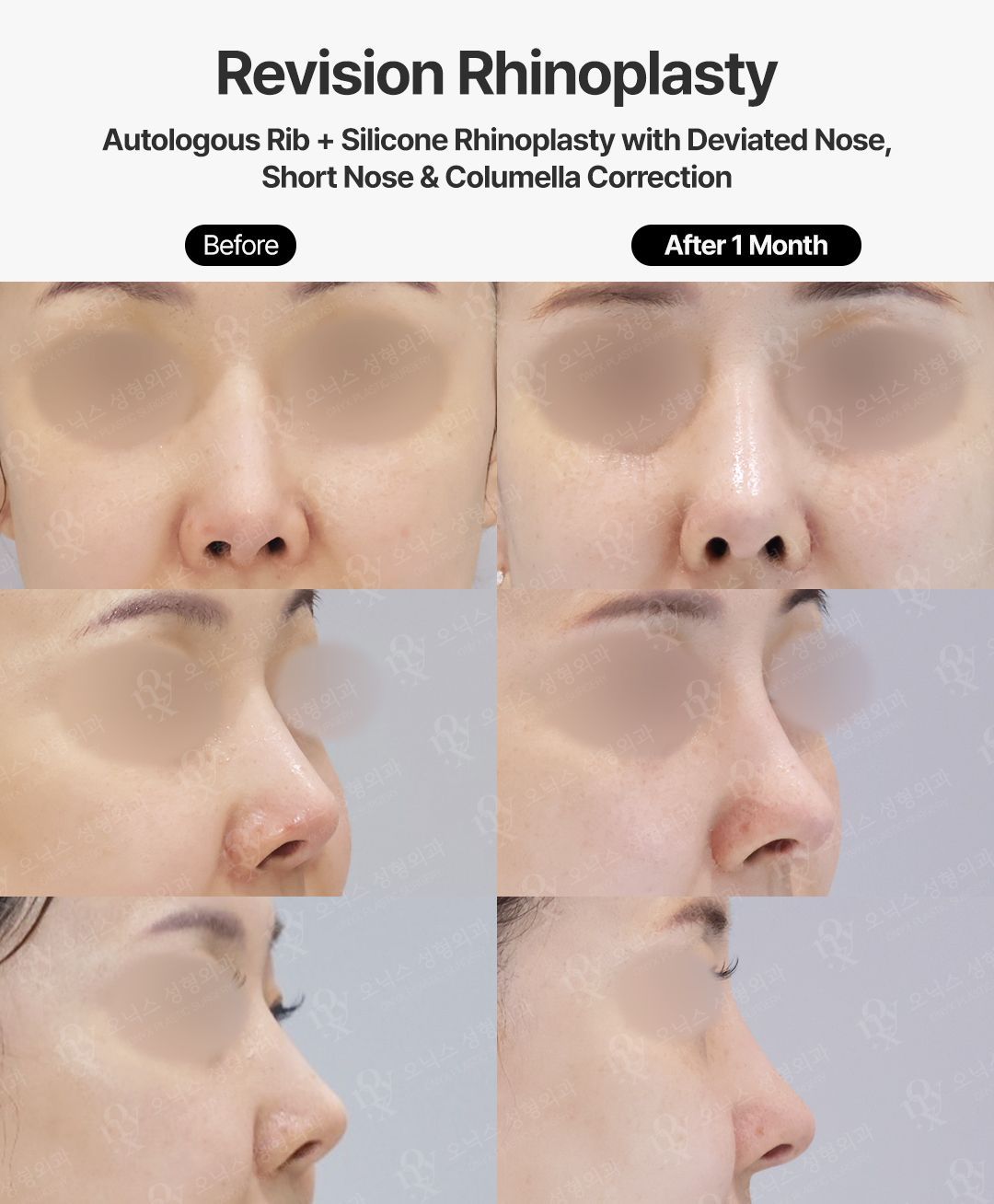
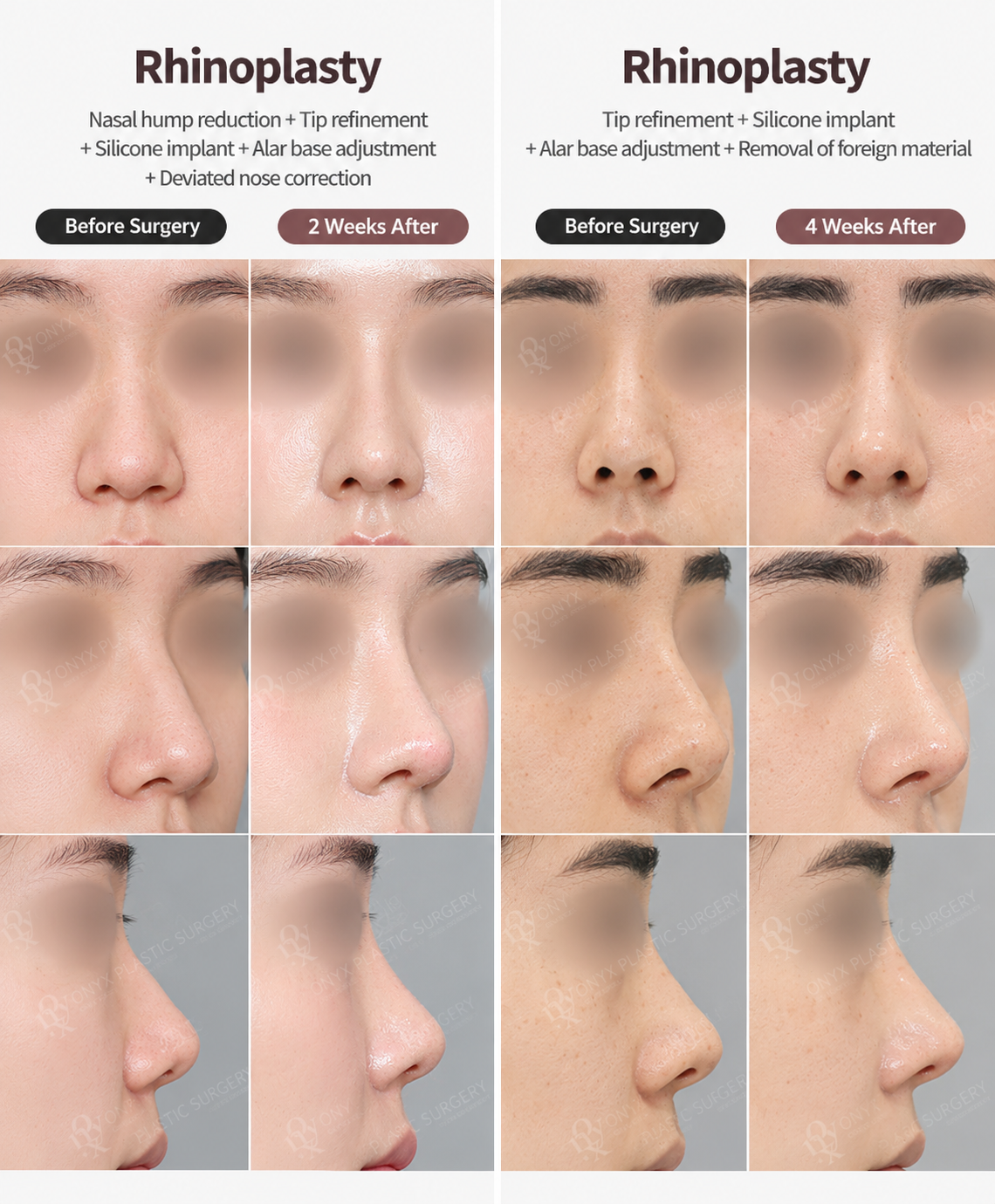
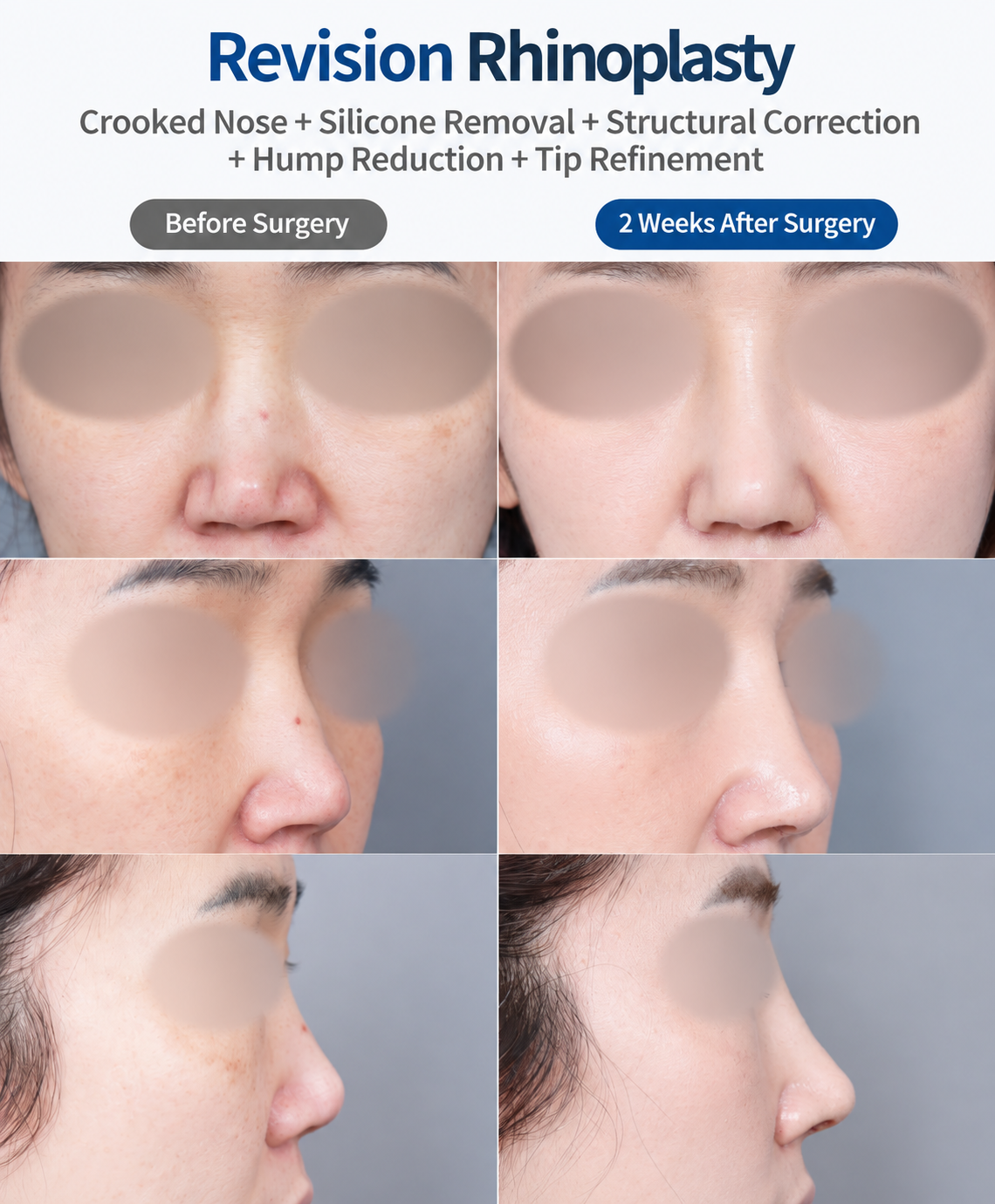
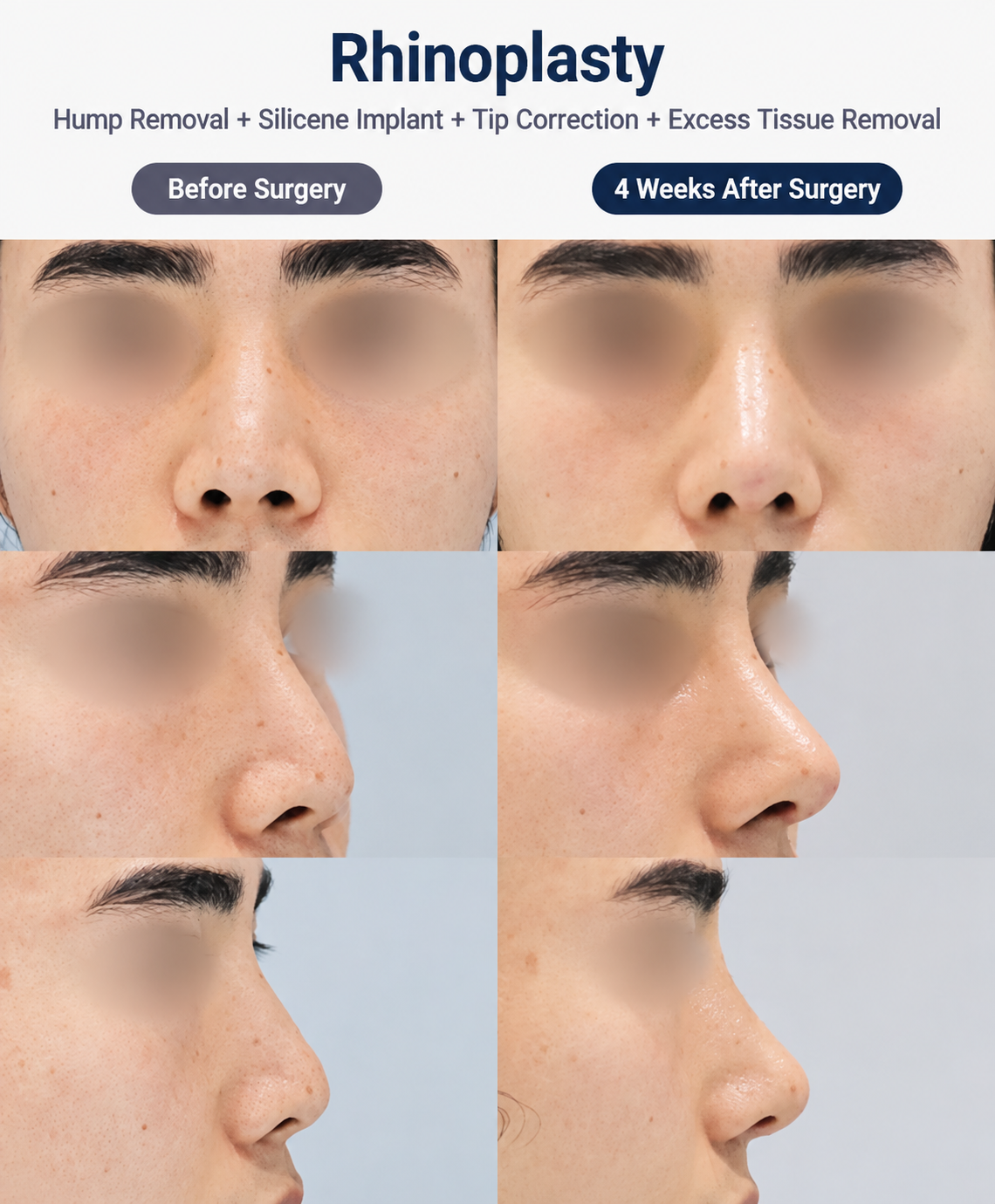
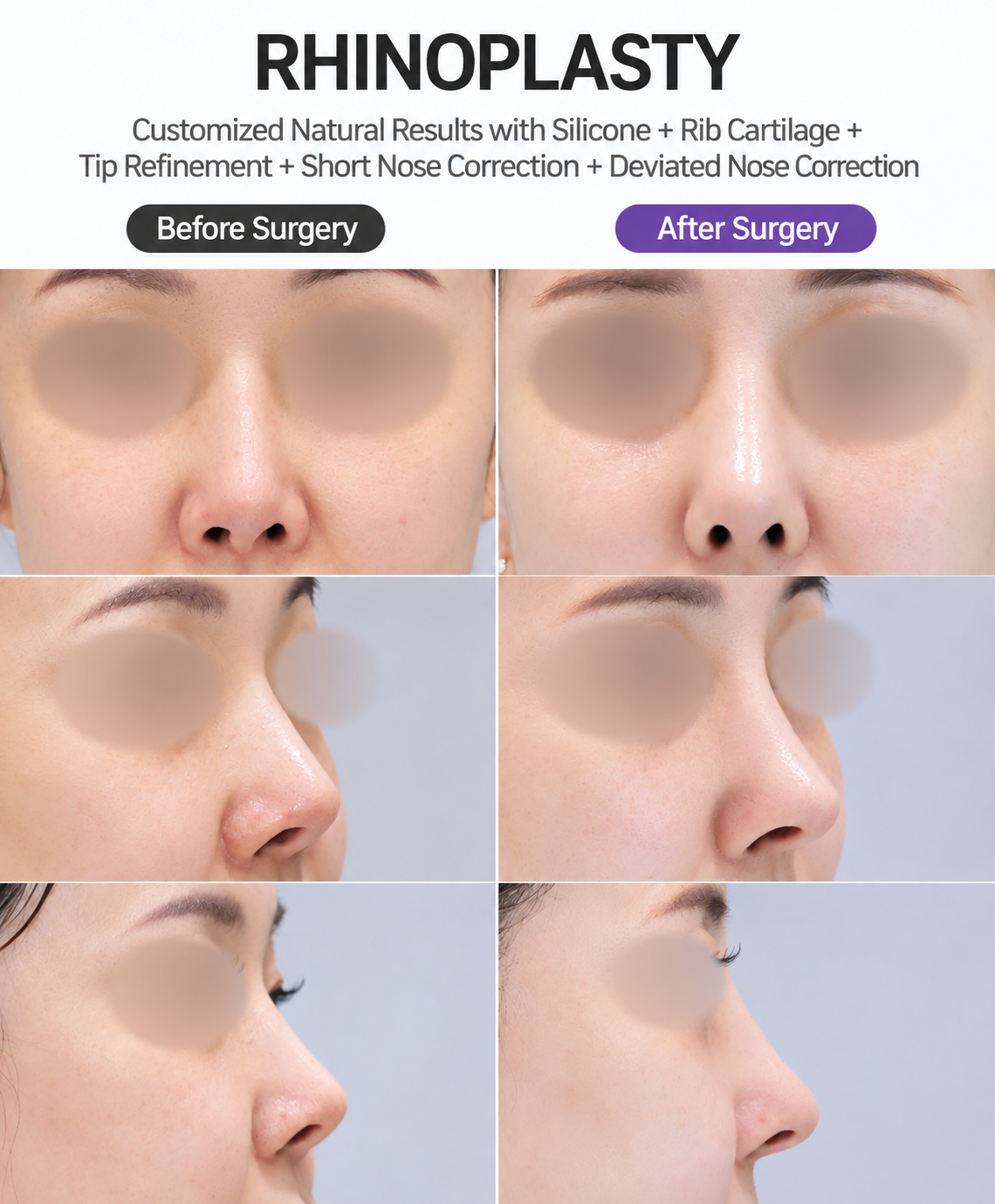
Ethnic rhinoplasty is a specialized approach to nose surgery that aims to enhance appearance while respecting and preserving a patient's unique ethnic features. Rather than applying a standardized aesthetic, the procedure focuses on individualized planning that takes into account facial proportions, cultural preferences, and anatomical characteristics. In South Korea, many surgeons emphasize natural-looking results that complement each patient's identity.
What Is Ethnic Rhinoplasty?
Ethnic rhinoplasty is designed to improve the shape or function of the nose while maintaining features that reflect the patient's natural background and facial harmony.
Common goals include:
- Enhancing facial balance
- Refining nasal contours
- Improving symmetry
- Increasing structural support
- Preserving ethnic characteristics
- Achieving natural-looking results
- Addressing functional concerns when necessary
Every treatment plan is customized to the individual.
Why Personalized Planning Matters
No two patients have the same anatomy or aesthetic preferences.
During surgical planning, factors may include:
- Facial proportions
- Skin thickness
- Cartilage strength
- Nasal bridge height
- Tip projection
- Overall facial profile
- Personal goals and expectations
The objective is to create balanced improvements rather than a one-size-fits-all result.
Common Surgical Techniques
The techniques used depend on the patient's anatomy and desired outcome.
They may include:
- Tip refinement
- Bridge augmentation
- Cartilage grafting
- Structural reinforcement
- Septal cartilage grafts
- Ear cartilage grafts
- Rib cartilage grafts when needed
A combination of techniques is often used to achieve the desired result.
Patients From Different Backgrounds
Ethnic rhinoplasty can be performed for patients from many different backgrounds, each with unique anatomical considerations.
Treatment planning may vary for individuals with:
- East Asian features
- Southeast Asian features
- South Asian features
- Middle Eastern features
- African heritage
- Latin American heritage
- Mixed ethnic backgrounds
The focus is on personalized evaluation rather than assumptions based on ethnicity alone.
Balancing Aesthetics and Function
In some cases, cosmetic improvements can be combined with functional corrections.
Potential objectives include:
- Better breathing
- Improved nasal support
- Enhanced profile
- Tip refinement
- Structural stability
- Long-term durability
- Natural facial harmony
Both appearance and function can be considered during the same procedure when appropriate.
Recovery Timeline
Healing occurs gradually and varies between patients.
Typical milestones include:
- Week 1: swelling and bruising
- Week 2: noticeable improvement
- Weeks 3–4: continued healing
- Months 2–3: improving definition
- Months 4–6: ongoing refinement
- Up to 12 months or longer for final results
Patients with thicker skin may experience a longer refinement period.
Typical Cost in Korea
The cost depends on the complexity of the procedure and surgical techniques involved.
General price ranges include:
- Primary ethnic rhinoplasty: 3,000,000–6,000,000 KRW
- Cartilage-based procedures: 4,000,000–8,000,000 KRW
- Complex structural cases: 5,000,000–10,000,000 KRW
- Revision procedures: 6,000,000–15,000,000 KRW or more
Final pricing varies according to the individual treatment plan.
Choosing the Right Surgeon
Selecting a qualified surgeon is one of the most important decisions in the process.
Many patients look for:
- Experience with diverse facial anatomy
- Personalized consultations
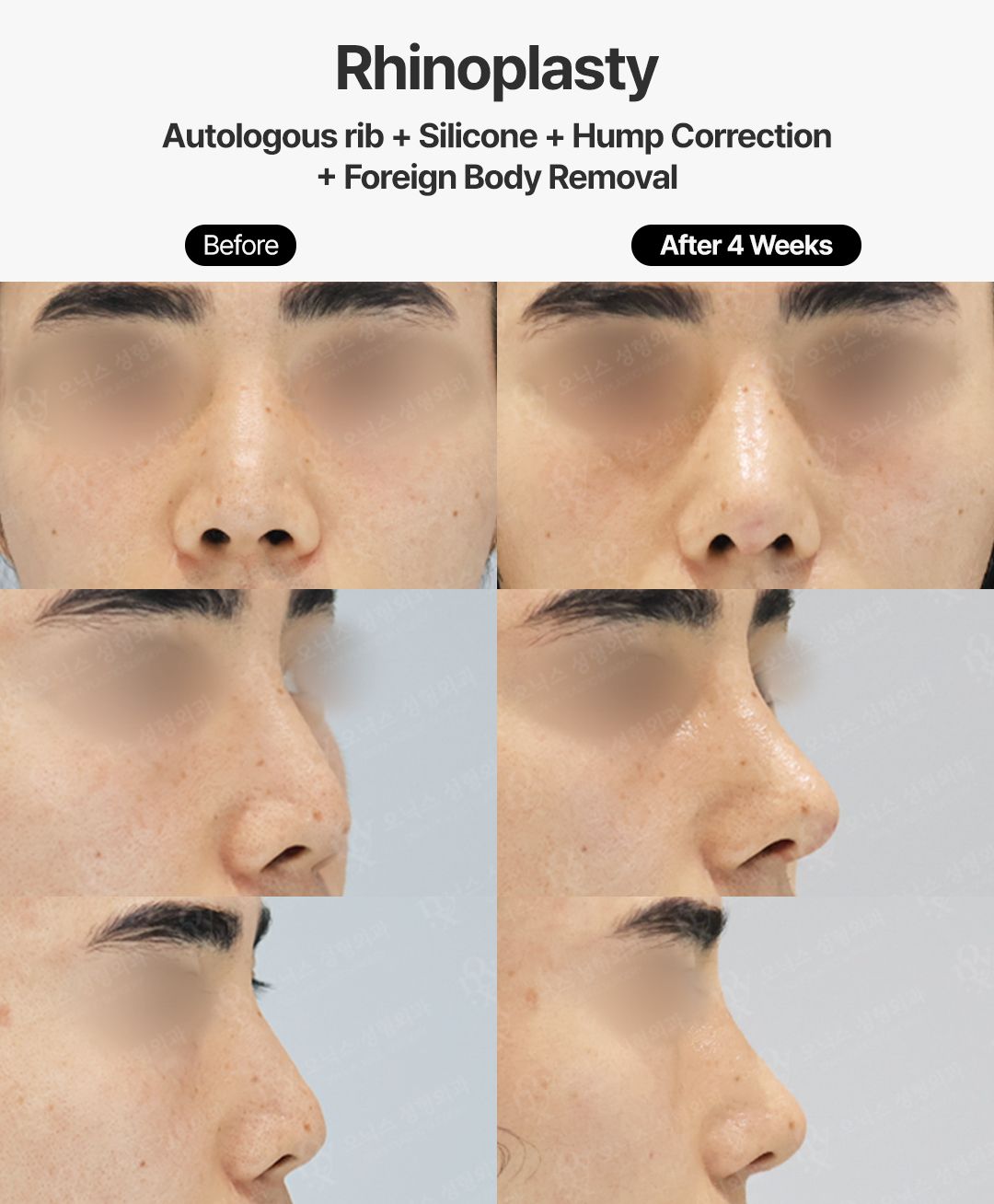
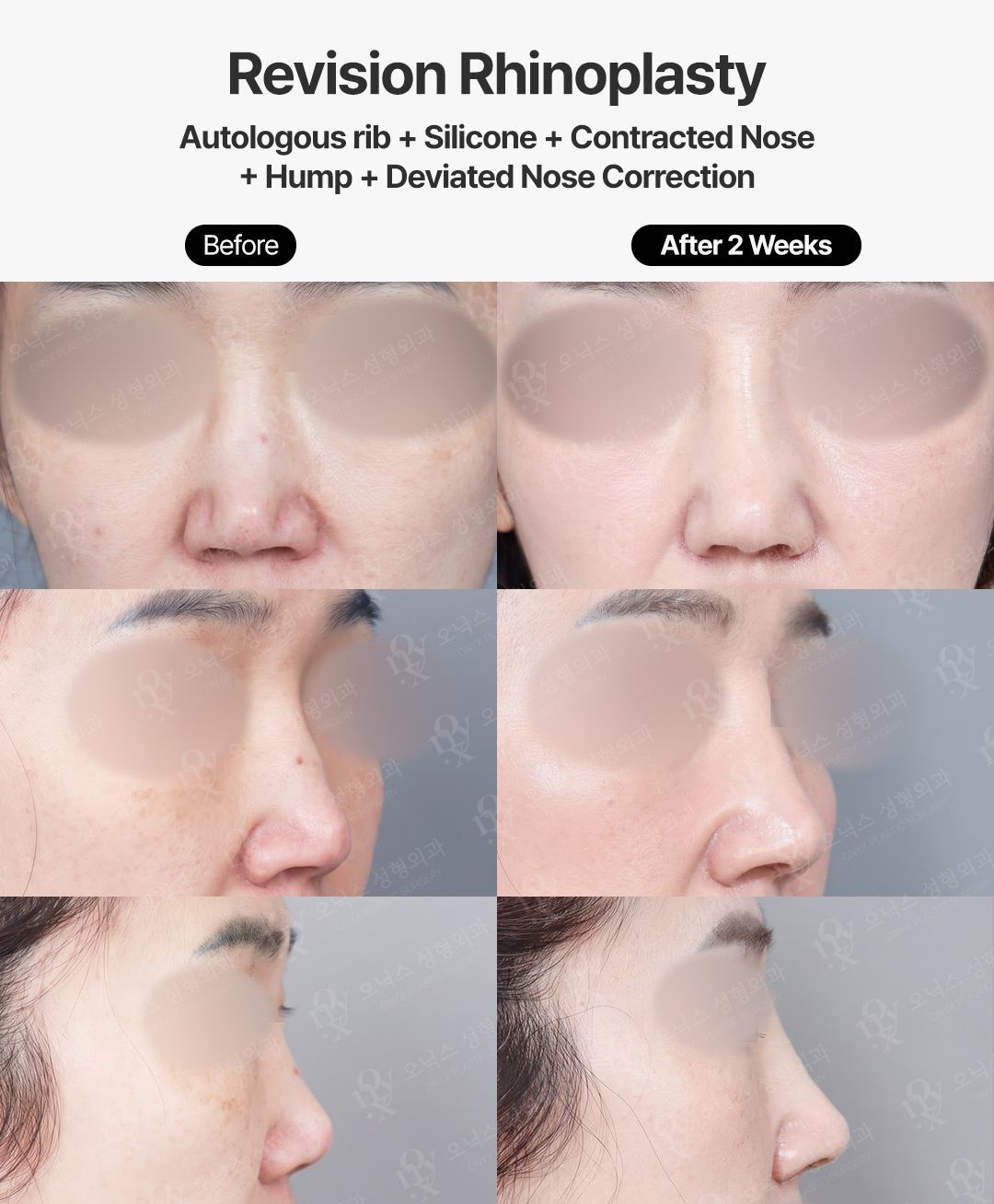
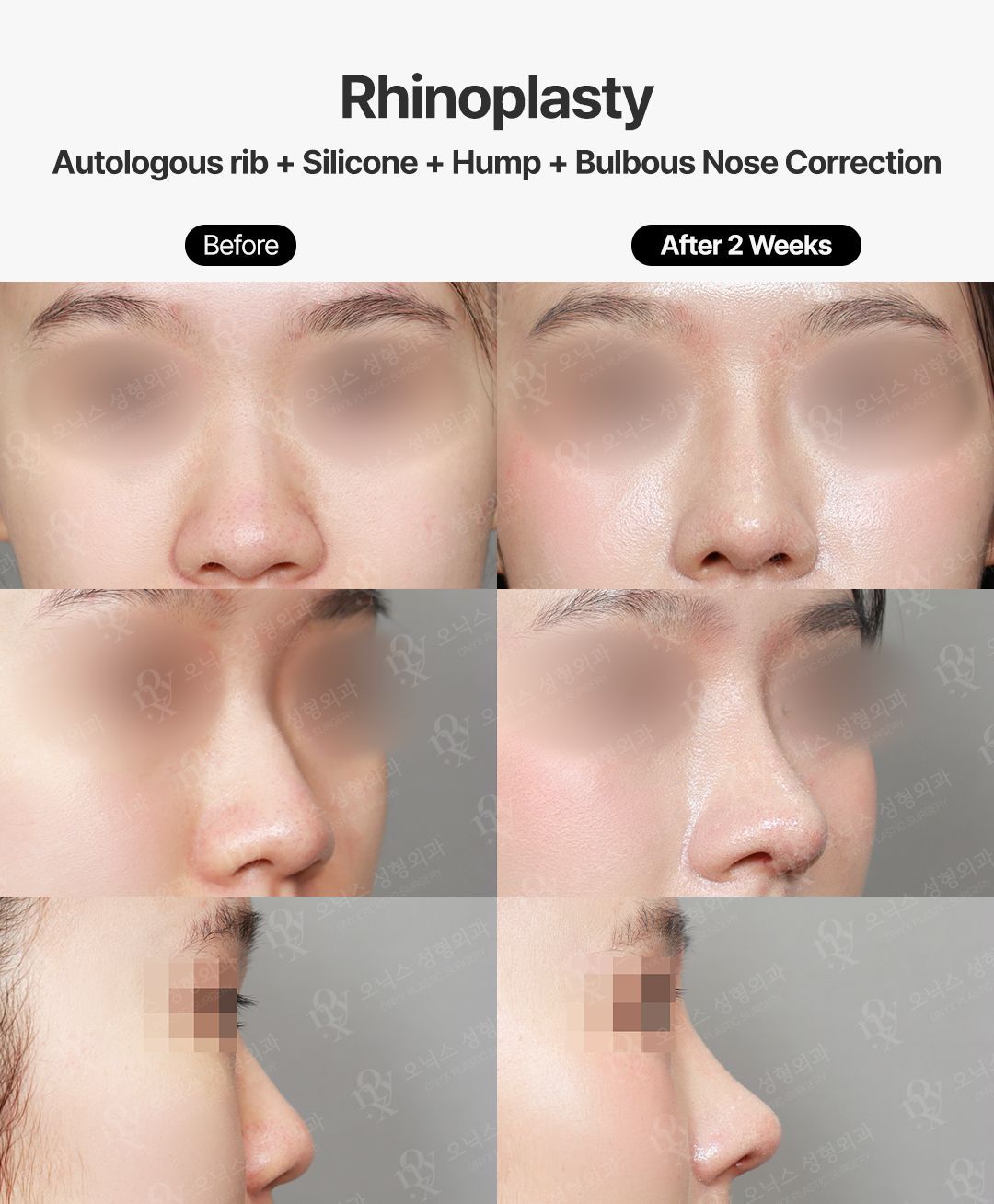
- Consistent before-and-after results
- Structural rhinoplasty expertise
- Natural-looking outcomes
- Clear communication
- Comprehensive postoperative care
A thorough consultation helps establish realistic expectations and an appropriate surgical plan.
Final Thoughts
Ethnic rhinoplasty in Korea emphasizes individualized treatment rather than standardized beauty ideals. By carefully considering facial harmony, structural anatomy, and each patient's personal goals, surgeons can create balanced and natural-looking results while respecting the features that make every face unique.