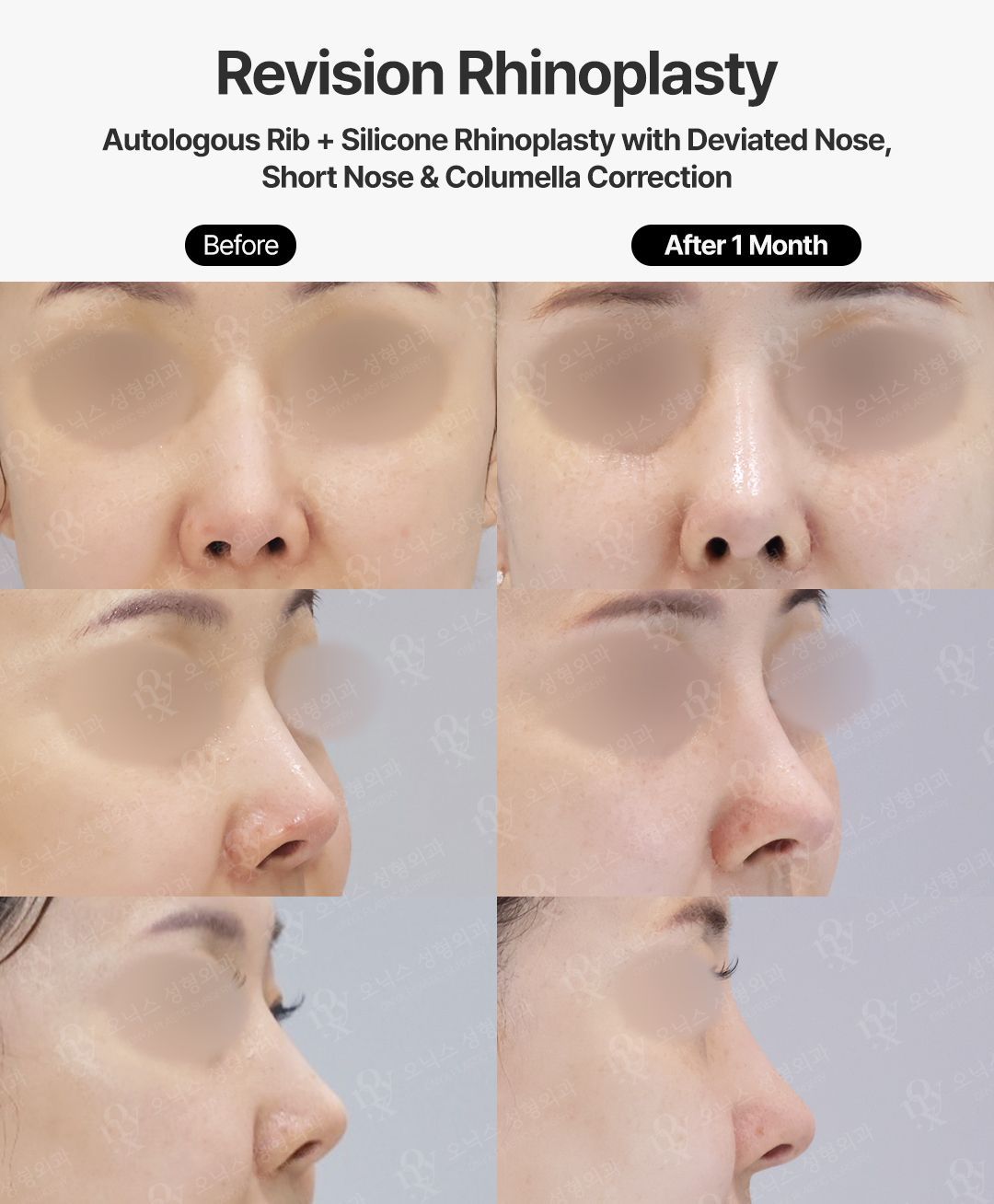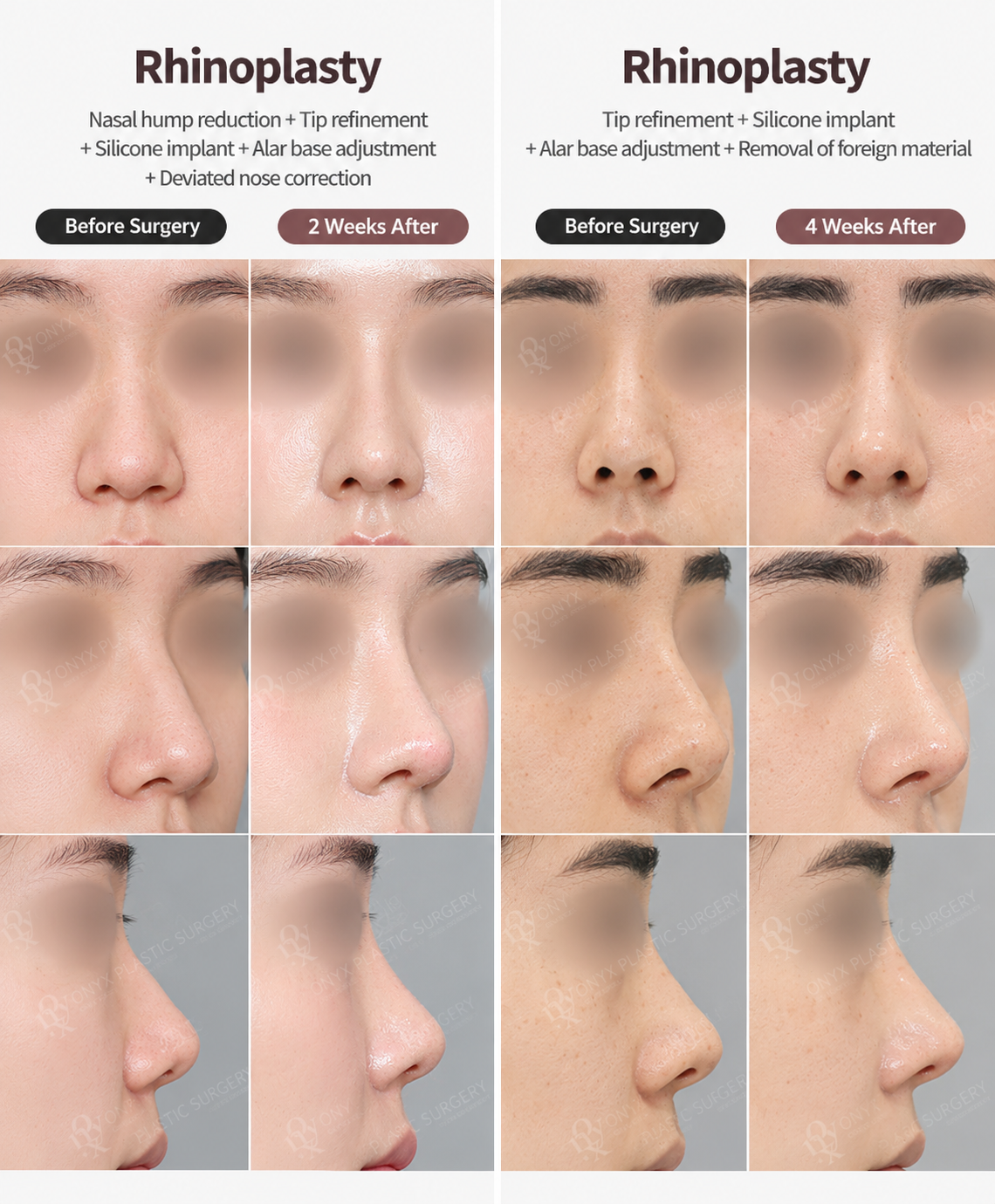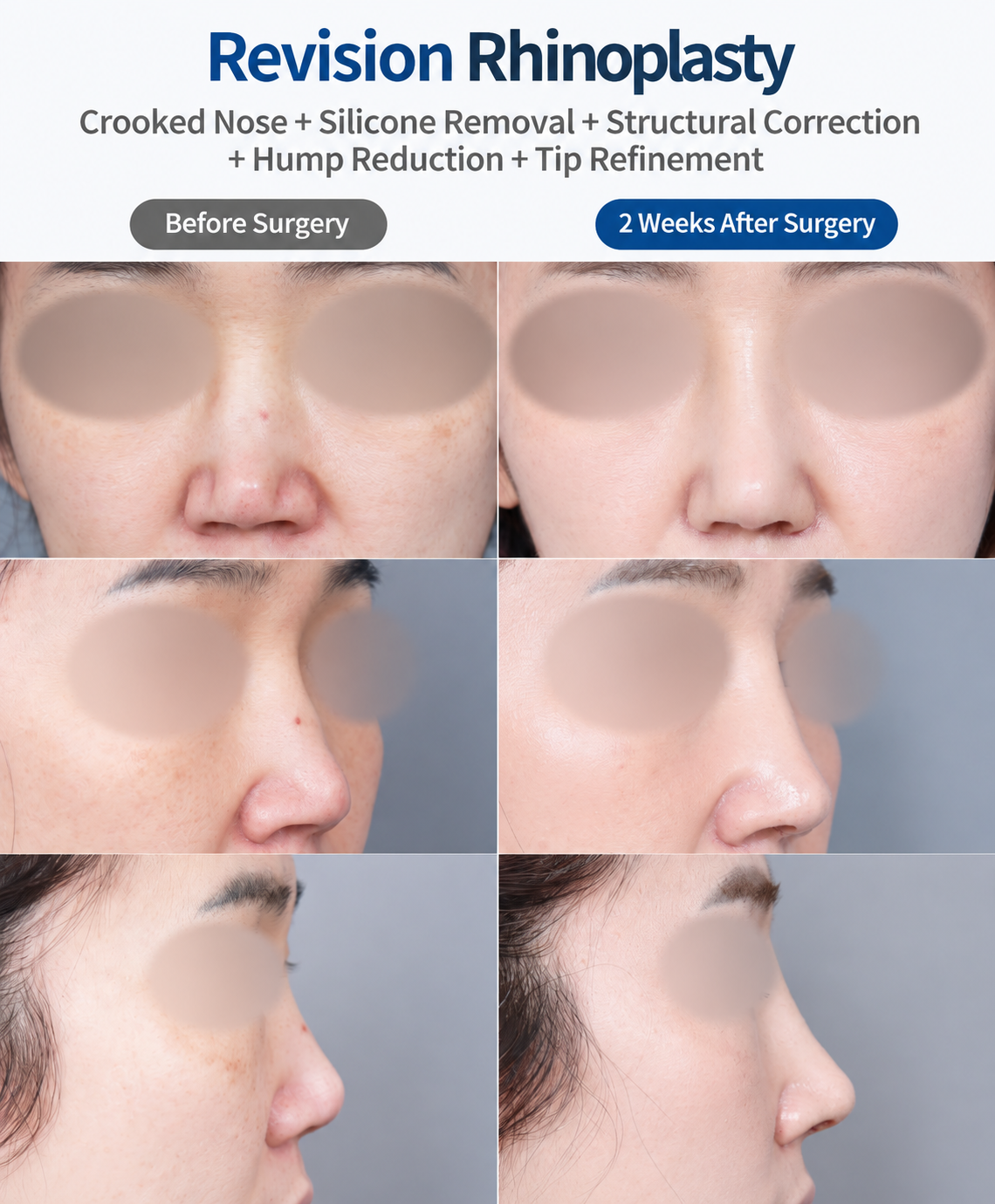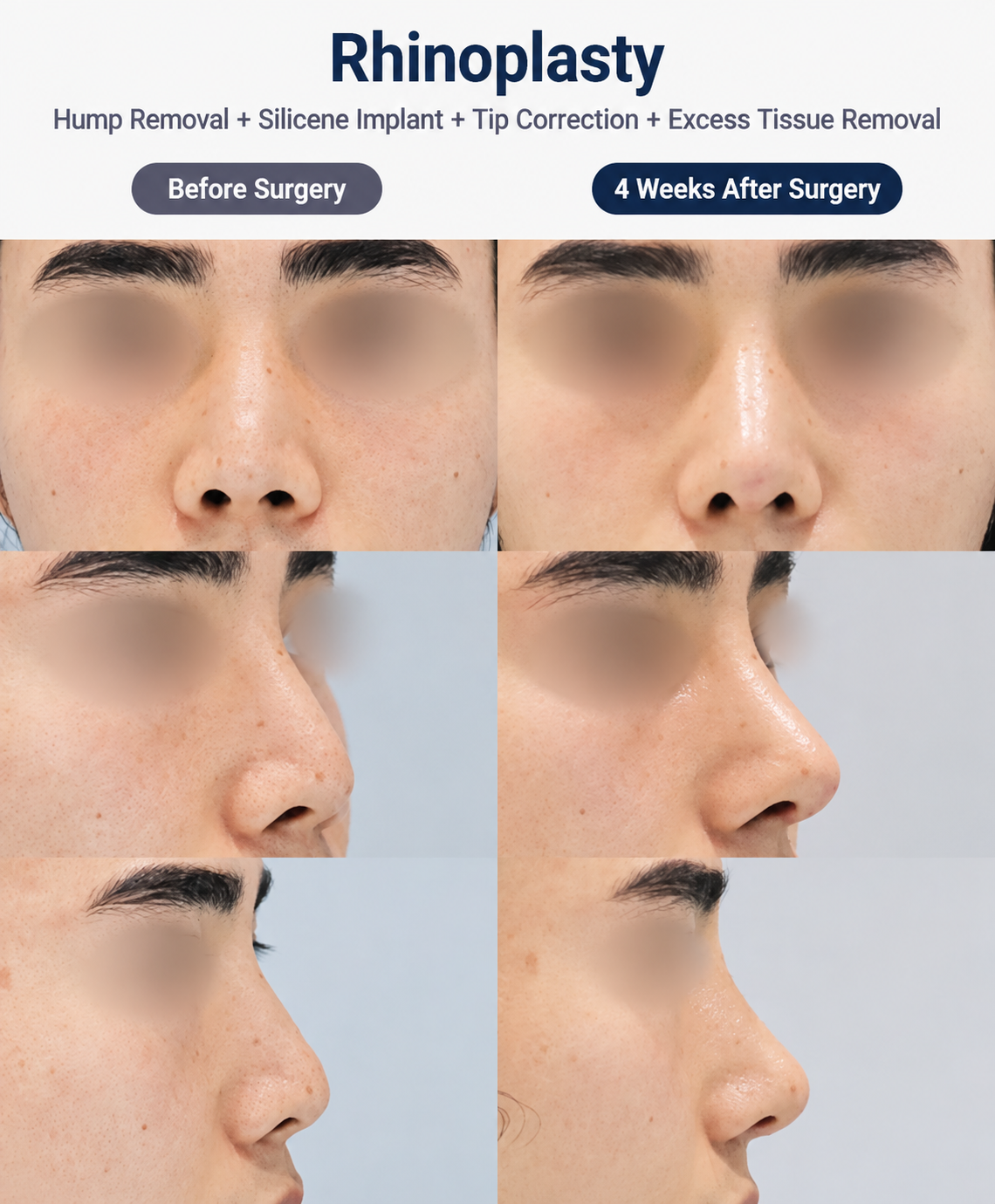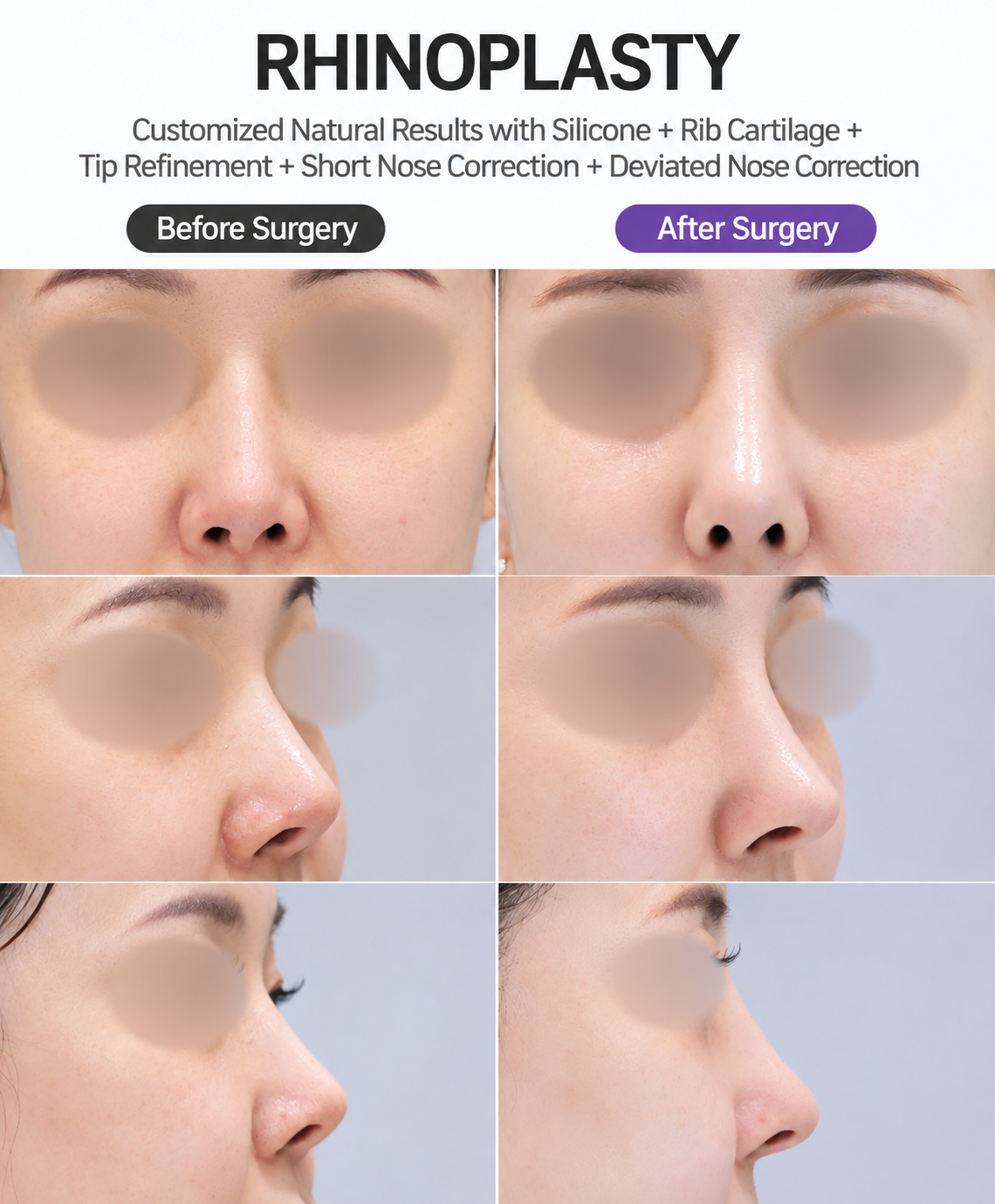
Septal Cartilage Rhinoplasty
Septal Cartilage Rhinoplasty
Septal cartilage rhinoplasty is a surgical technique that uses cartilage from the nasal septum—the structure that separates the two nasal passages—to reshape and support the nose. Because it comes from the patient's own body, septal cartilage is commonly used in both cosmetic and functional rhinoplasty to improve structure, stability, and overall facial harmony.
What Is Septal Cartilage?
Septal cartilage is located inside the nose and often serves as a valuable source of graft material.
Common characteristics include:
- Autologous tissue
- Natural biological material
- Good structural support
- Readily accessible during surgery
- Versatile for grafting
- Frequently used in rhinoplasty
- Long-term stability
The amount of available cartilage varies from person to person.
When Is Septal Cartilage Used?
Septal cartilage may be recommended for a wide range of rhinoplasty procedures.
Common indications include:
- Tip refinement
- Tip support
- Bridge correction
- Structural rhinoplasty
- Functional rhinoplasty
- Septoplasty with reconstruction
- Primary rhinoplasty
Its suitability depends on the patient's anatomy and surgical goals.
Common Surgical Applications
Septal cartilage can be used in many parts of the nose to improve both appearance and function.
Possible applications include:
- Tip projection
- Tip definition
- Structural reinforcement
- Bridge support
- Shape refinement
- Airway support
- Nasal reconstruction
The exact technique is customized for each patient.
Potential Advantages
For many patients, septal cartilage offers several practical benefits.
Possible advantages include:
- Uses the patient's own tissue
- Good structural strength
- Natural compatibility
- No additional external donor site
- Versatile shaping options
- Long-term support
- Widely used in rhinoplasty
The specific benefits depend on the complexity of the procedure.
Limitations and Considerations
Septal cartilage may not be sufficient in every case.
Important considerations include:
- Limited available volume
- Previous septal surgery
- Prior rhinoplasty
- Individual anatomical differences
- Extensive reconstruction needs
- Functional considerations
- Personalized surgical planning
When additional support is required, other graft sources may be considered.
When Other Cartilage Sources May Be Needed
If septal cartilage is unavailable or insufficient, surgeons may recommend alternative grafts.
Possible options include:
- Ear cartilage
- Rib cartilage
- Combined graft techniques
- Structural reconstruction
- Revision-specific grafting
- Additional reinforcement
- Customized reconstruction plans
The choice depends on the specific surgical requirements.
Recovery Expectations
Recovery after septal cartilage rhinoplasty varies according to the extent of the procedure.
Patients commonly experience:
- Swelling
- Mild bruising
- Temporary congestion
- Tip firmness
- Progressive healing
- Gradual contour refinement
- Continued improvement over several months
The final appearance develops gradually as healing progresses.
Questions to Ask During Your Consultation
Before surgery, consider discussing:
- Whether septal cartilage is suitable for your case
- How much cartilage is available
- Whether additional grafts may be required
- Expected aesthetic and functional outcomes
- Recovery timeline
- Potential risks
- Long-term follow-up care
A detailed consultation helps create a personalized treatment plan and realistic expectations.
Final Thoughts
Septal cartilage rhinoplasty is a widely used and versatile technique that allows surgeons to reshape and support the nose using the patient's own tissue. Through individualized planning and careful surgical execution, it can provide natural-looking, structurally stable, and long-lasting results while supporting both cosmetic enhancement and nasal function.