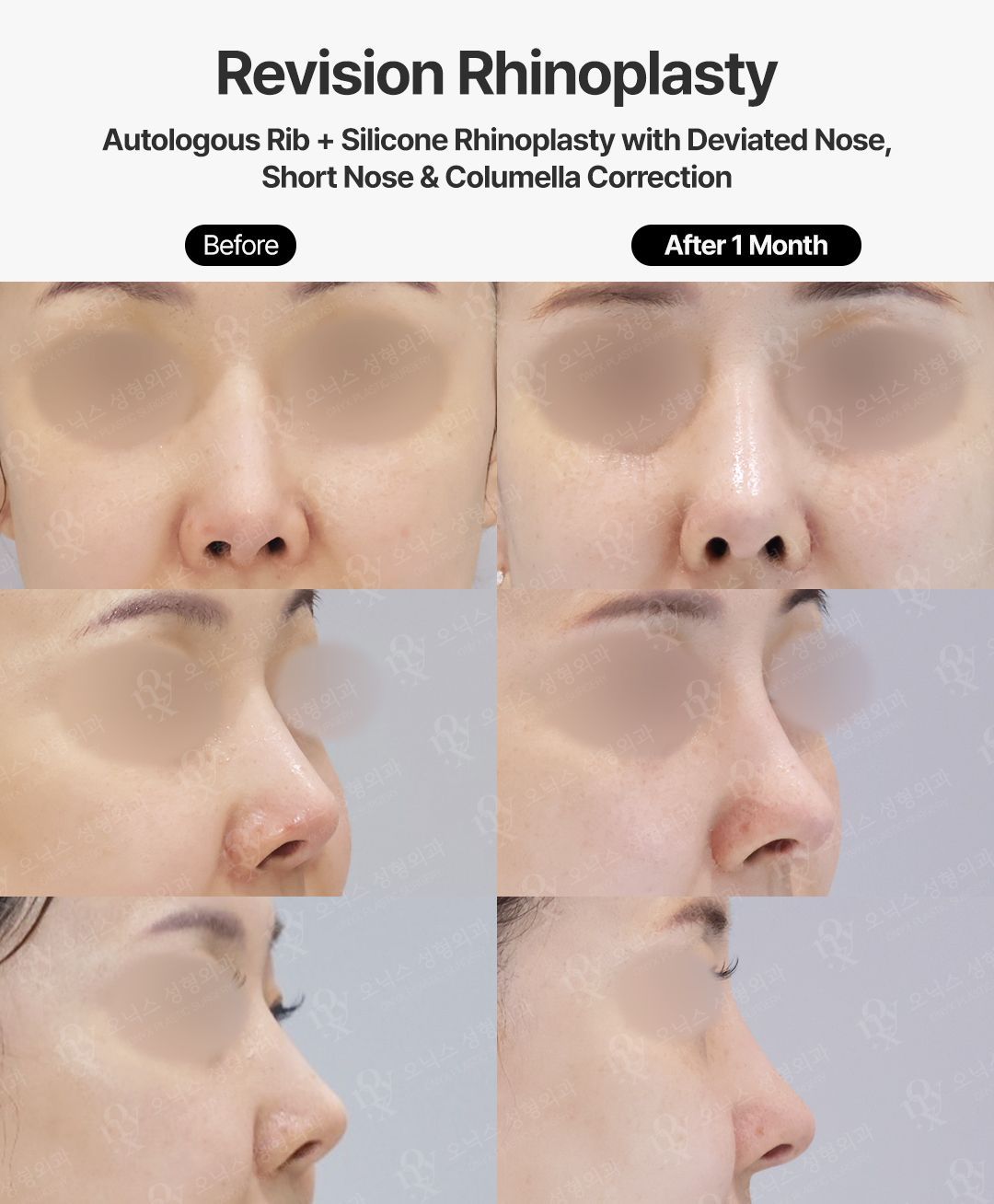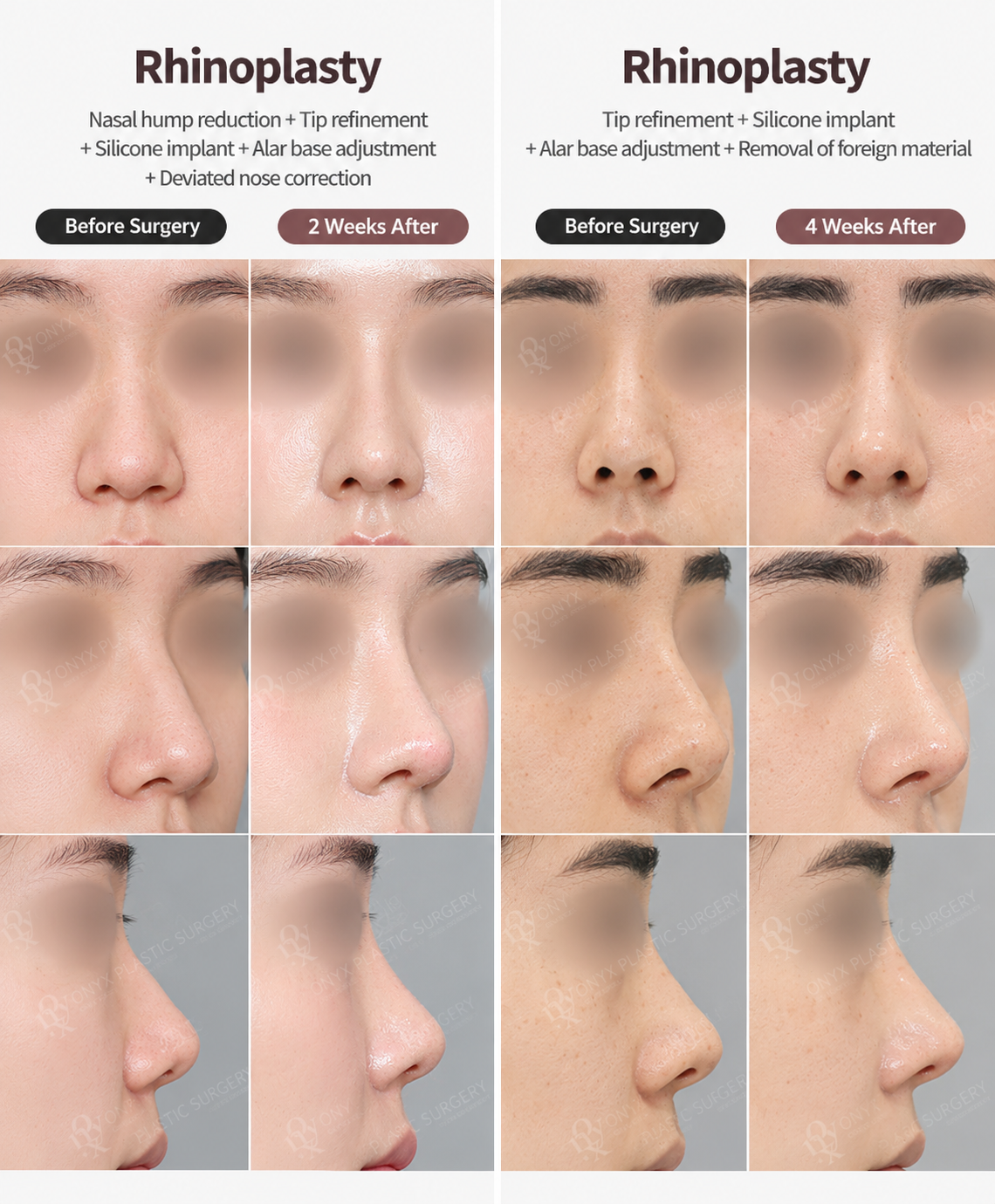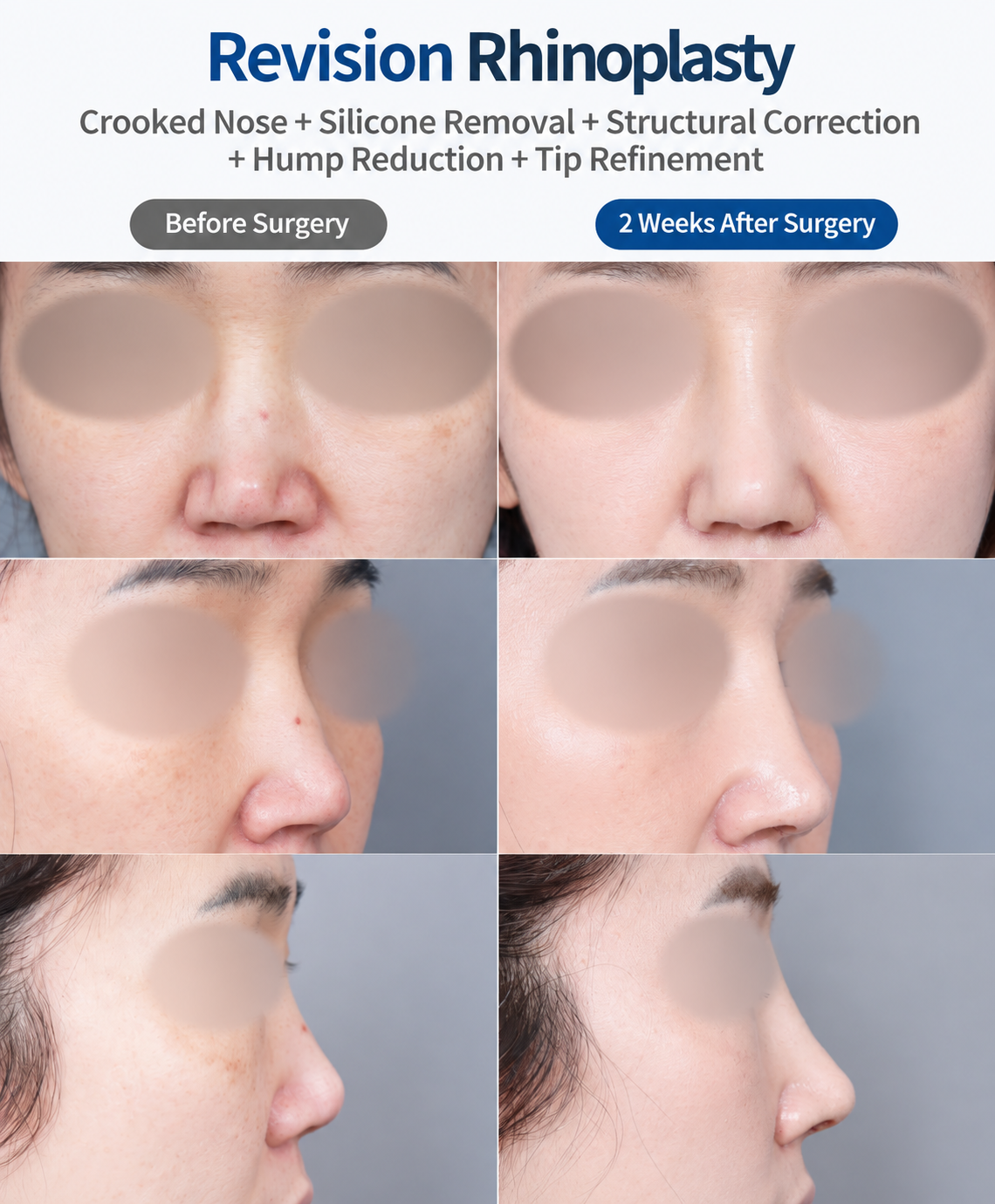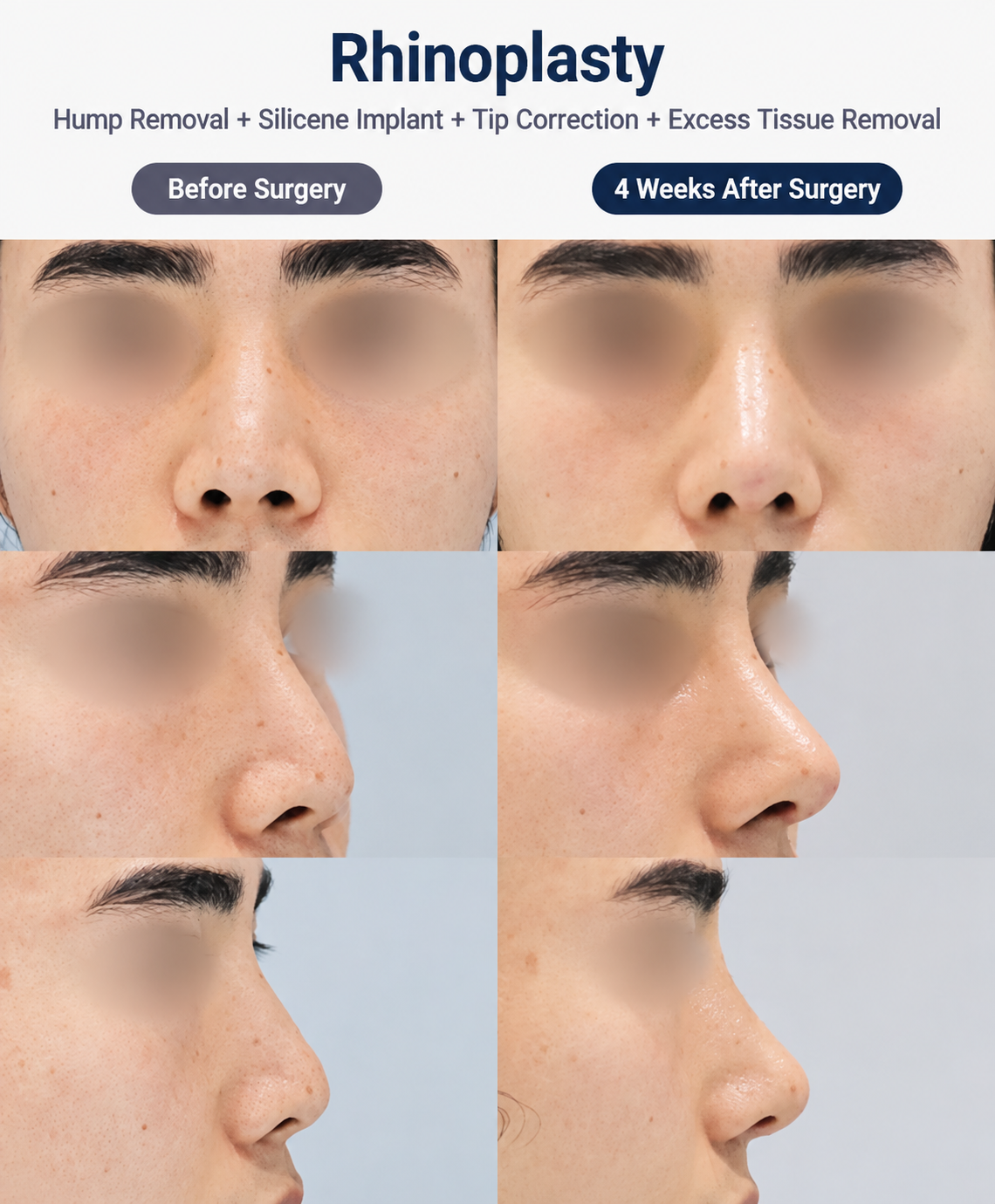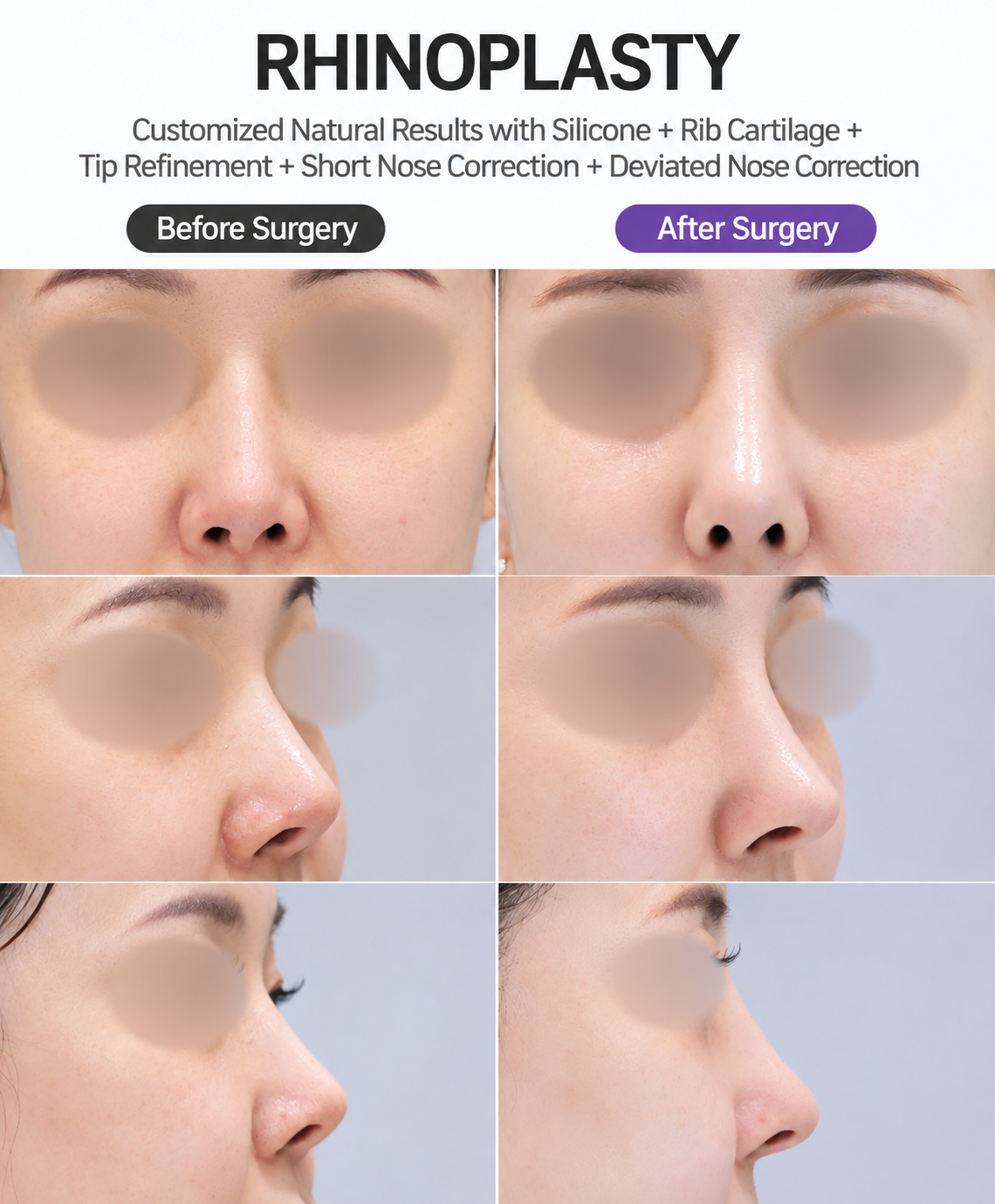
Ear Cartilage Rhinoplasty
Ear Cartilage Rhinoplasty
Ear cartilage rhinoplasty is a surgical technique that uses cartilage harvested from the patient's own ear to reshape or support the nose. It is commonly used for tip refinement, structural reinforcement, and certain revision procedures. Because it uses the patient's own tissue, ear cartilage can provide a natural option for selected cases while helping maintain long-term stability and facial harmony.
What Is Ear Cartilage?
Ear cartilage is flexible tissue that can be carefully harvested without significantly changing the overall appearance of the ear.
Common characteristics include:
- Autologous tissue
- Flexible structure
- Natural biological material
- Suitable for grafting
- Long-term support
- Customized shaping
- Widely used in rhinoplasty
The amount of cartilage harvested depends on the surgical requirements.
When Is Ear Cartilage Used?
Ear cartilage may be recommended in a variety of situations.
Common indications include:
- Tip refinement
- Tip support
- Revision rhinoplasty
- Structural reinforcement
- Mild bridge correction
- Shape refinement
- Limited septal cartilage availability
The decision is based on the patient's anatomy and surgical goals.
Common Surgical Applications
Ear cartilage can be used in several areas of nasal reconstruction.
Possible applications include:
- Tip projection
- Tip definition
- Structural support
- Contour refinement
- Minor reconstruction
- Functional reinforcement
- Revision procedures
It is often combined with other rhinoplasty techniques when appropriate.
Potential Advantages
For selected patients, ear cartilage offers several potential benefits.
Possible advantages include:
- Uses the patient's own tissue
- Flexible shaping characteristics
- Natural integration
- Good option for tip work
- Reduced dependence on implants
- Personalized reconstruction
- Long-term structural support
Its suitability depends on the complexity of the procedure.
Limitations and Considerations
Ear cartilage may not be appropriate for every rhinoplasty case.
Important considerations include:
- Limited available volume
- Softer structure than rib cartilage
- May not provide sufficient support for major reconstruction
- Donor site healing
- Individual anatomical differences
- Complexity of surgery
- Personalized treatment planning
Your surgeon will determine whether it is the most appropriate graft source.
Recovery Expectations
Recovery includes healing of both the nose and the ear donor site.
Patients may experience:
- Nasal swelling
- Mild bruising
- Temporary congestion
- Ear tenderness
- Minor discomfort
- Progressive healing
- Continued contour refinement over several months
Recovery experiences vary among individuals.
Donor Site Recovery
The ear generally heals gradually following cartilage harvesting.
Patients may notice:
- Mild soreness
- Temporary swelling
- Local tenderness
- Small incision healing
- Scar maturation
- Gradual improvement
- Return to normal daily activities
Specific recovery instructions should always be followed carefully.
Questions to Ask During Your Consultation
Before surgery, consider discussing:
- Why ear cartilage is recommended
- Whether septal or rib cartilage is an alternative
- How much cartilage will be harvested
- Expected donor site recovery
- Potential risks and benefits
- Long-term structural stability
- Recovery timeline
A thorough consultation helps establish realistic expectations and a personalized surgical plan.
Final Thoughts
Ear cartilage rhinoplasty is a valuable option for many patients who require tip refinement, structural support, or revision surgery using their own tissue. With individualized planning and careful surgical technique, it can provide natural-looking, stable, and long-lasting results while preserving overall facial harmony and supporting functional outcomes when needed.