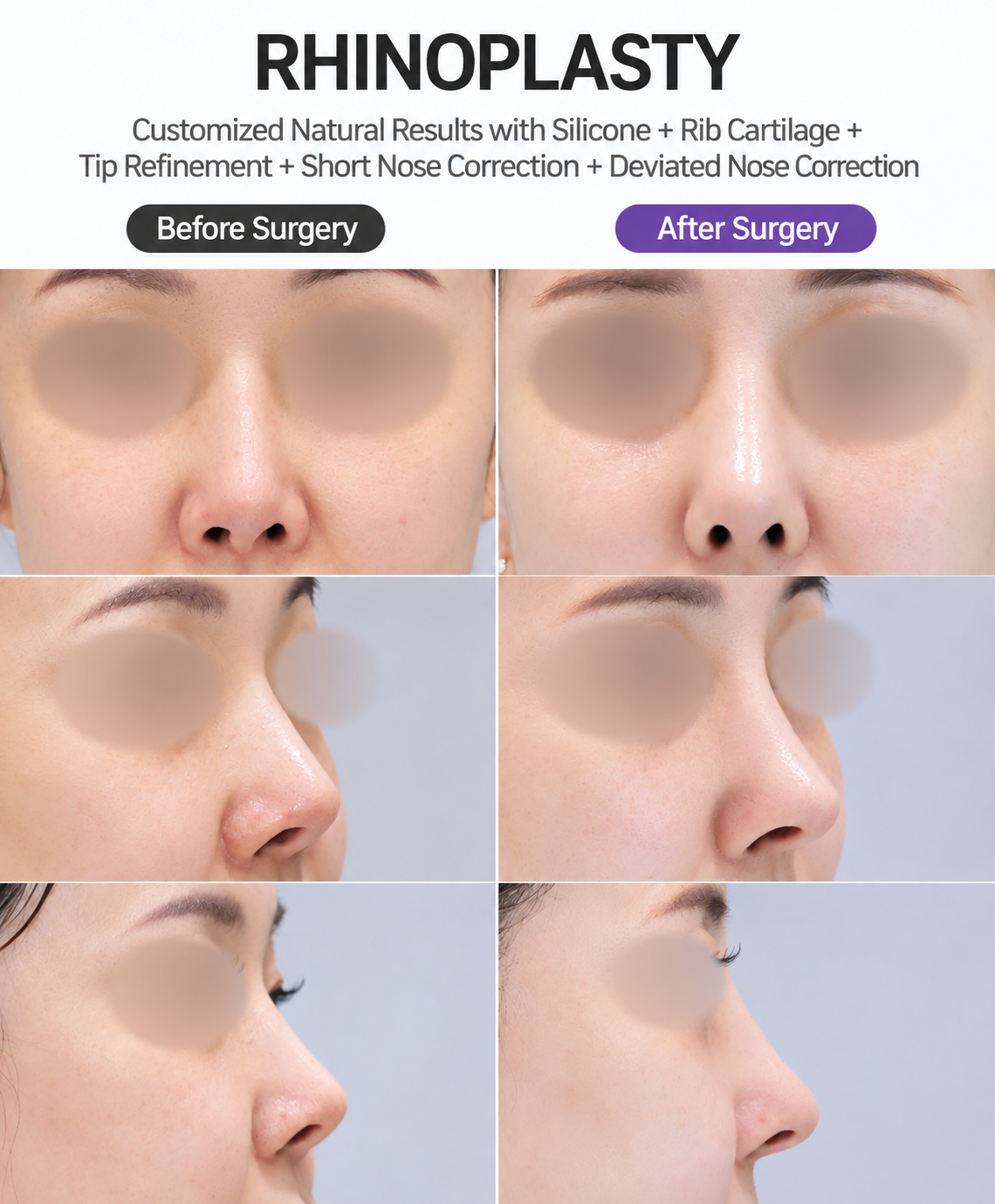
Implant-Free Rhinoplasty
Implant-Free Rhinoplasty
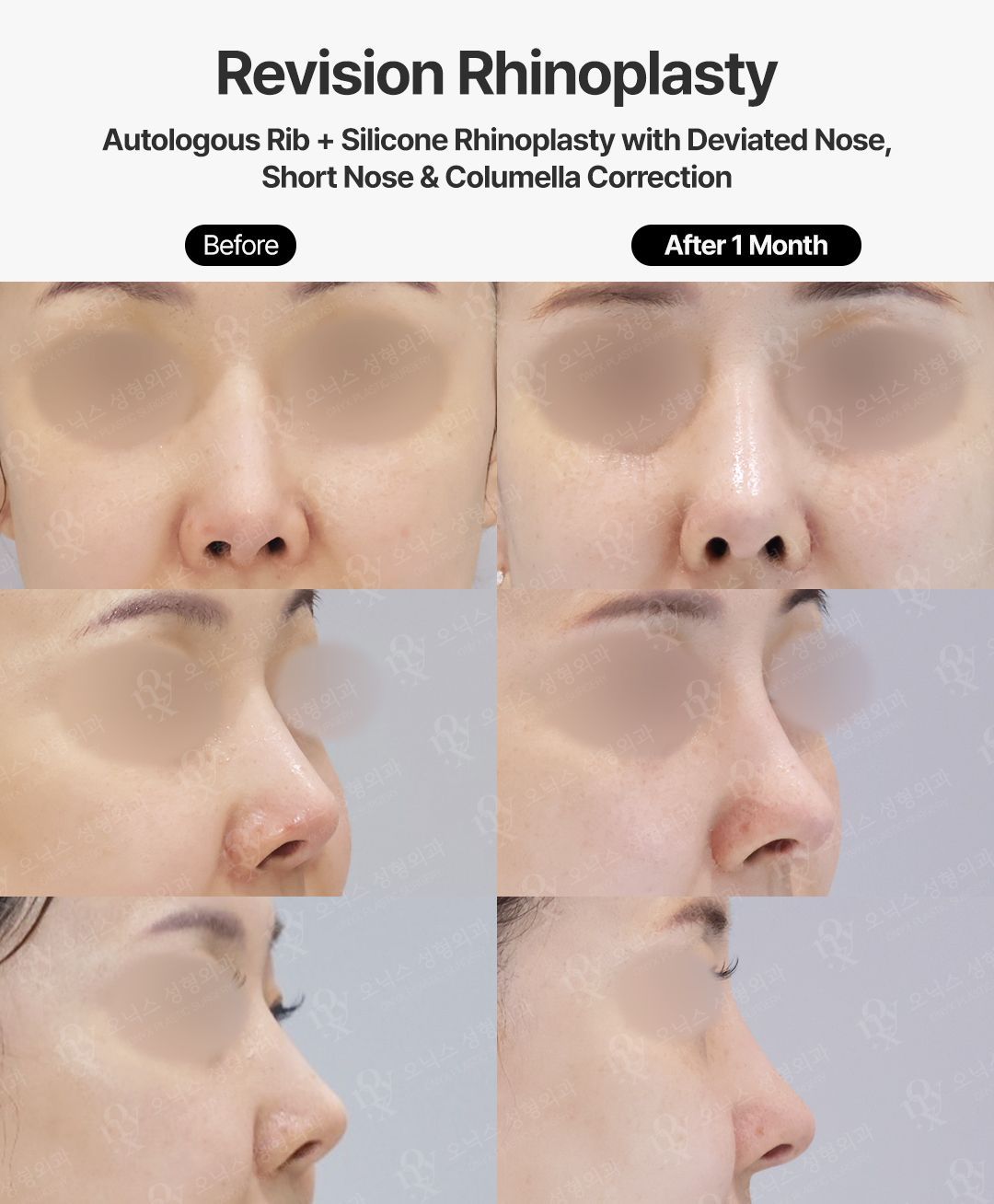
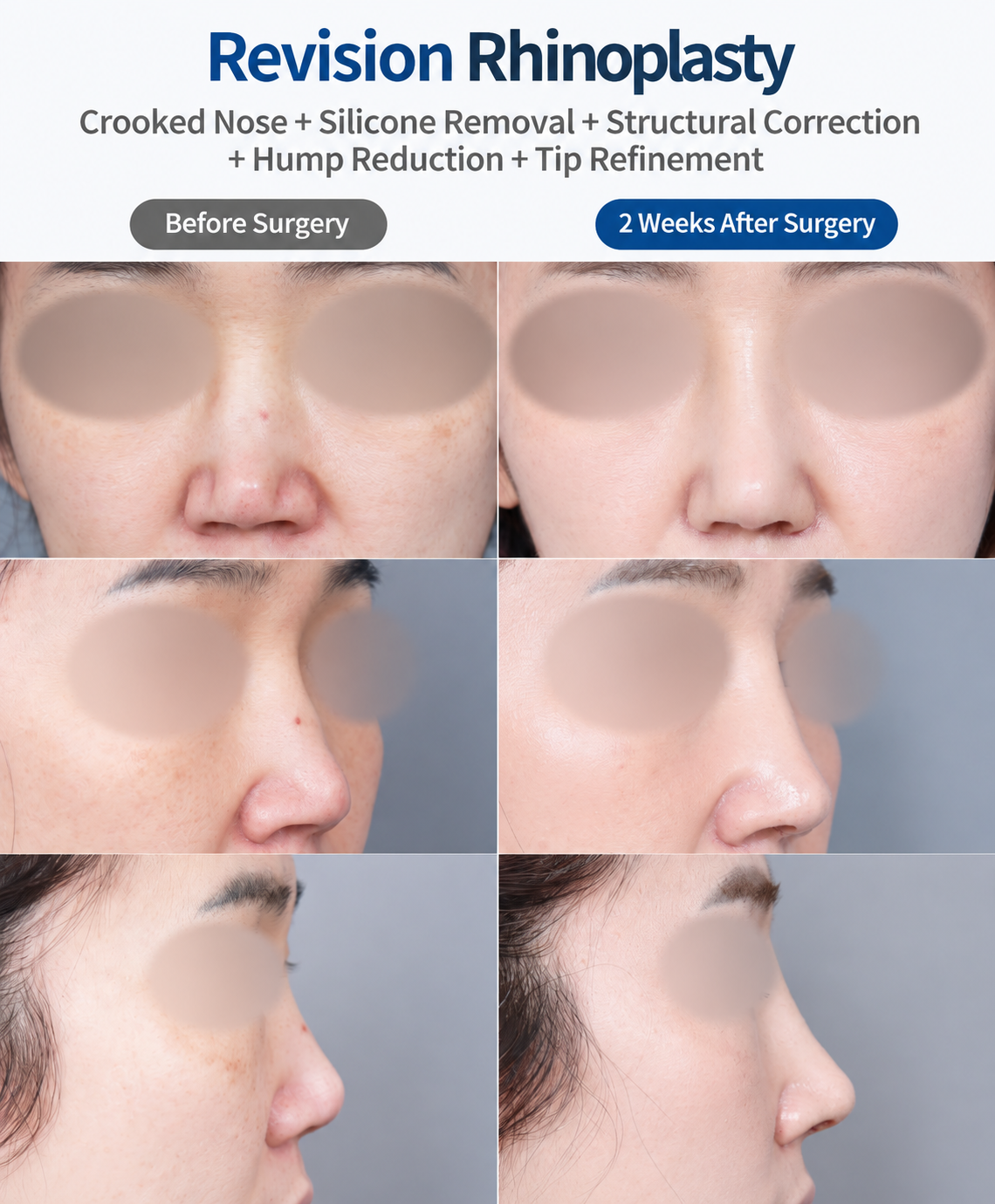
Implant-free rhinoplasty is a surgical approach that reshapes and supports the nose without using synthetic implants such as silicone or Gore-Tex. Instead, the procedure relies on the patient's own tissue, most commonly cartilage from the nasal septum, ear, or rib. The exact technique is customized to the individual's anatomy, functional needs, and aesthetic goals.
What Is Implant-Free Rhinoplasty?
Rather than using artificial materials, this approach focuses on biological tissue for reconstruction and enhancement.
Common characteristics include:
- No synthetic implants
- Use of autologous cartilage
- Structural support
- Personalized reconstruction
- Natural tissue integration
- Customized surgical planning
- Long-term stability
The surgical method varies depending on the complexity of the case.
Who May Be a Good Candidate?
Implant-free rhinoplasty may be appropriate for patients with specific cosmetic or functional goals.
Potential candidates include those seeking:
- Natural tissue reconstruction
- Tip refinement
- Bridge improvement
- Structural reinforcement
- Revision rhinoplasty
- Functional correction
- Implant-free augmentation
A detailed consultation is necessary to determine suitability.
Common Cartilage Sources
The patient's own cartilage can be harvested from different areas depending on surgical needs.
Common sources include:
- Septal cartilage
- Ear cartilage
- Rib cartilage
- Remaining native cartilage
- Combined graft techniques
- Structural grafts
- Personalized reconstruction
The choice depends on availability and the amount of support required.
Common Surgical Applications
Implant-free techniques can address a variety of nasal concerns.
Possible applications include:
- Tip refinement
- Tip projection
- Bridge support
- Structural rhinoplasty
- Nasal lengthening
- Functional reconstruction
- Revision surgery
Multiple techniques are often combined to achieve balanced results.
Potential Advantages
For selected patients, implant-free rhinoplasty may offer several benefits.
Possible advantages include:
- Uses the patient's own tissue
- No synthetic implant placement
- Personalized reconstruction
- Natural structural support
- Flexible surgical planning
- Long-term stability
- Suitable for complex revisions
The benefits depend on individual anatomy and treatment goals.
Limitations and Considerations
Implant-free rhinoplasty is not the ideal solution for every patient.
Important considerations include:
- Limited cartilage availability
- Additional donor site surgery
- Individual anatomy
- Complexity of reconstruction
- Recovery from graft harvesting
- Functional requirements
- Personalized planning
Alternative techniques may be recommended in some situations.
Recovery Expectations
Recovery depends on the extent of surgery and whether cartilage is harvested from another area.
Patients may experience:
- Swelling
- Mild bruising
- Temporary congestion
- Donor site discomfort
- Progressive healing
- Ongoing contour refinement
- Continued improvement over several months
Recovery timelines vary between individuals.
Questions to Ask During Your Consultation
Before surgery, consider discussing:
- Whether implant-free rhinoplasty is suitable for your case
- Which cartilage source is recommended
- Whether donor site surgery will be required
- Expected aesthetic and functional outcomes
- Recovery timeline
- Potential risks
- Long-term follow-up care
A personalized consultation helps establish realistic expectations and an individualized treatment plan.
Final Thoughts
Implant-free rhinoplasty offers a personalized approach to nasal reshaping by relying on the patient's own tissue rather than synthetic implants. Through careful planning, appropriate cartilage selection, and modern structural techniques, it can provide natural-looking, stable, and long-lasting results that enhance both facial harmony and nasal function while meeting each patient's unique goals.