Advantages of Autologous Cartilage
Advantages of Autologous Cartilage
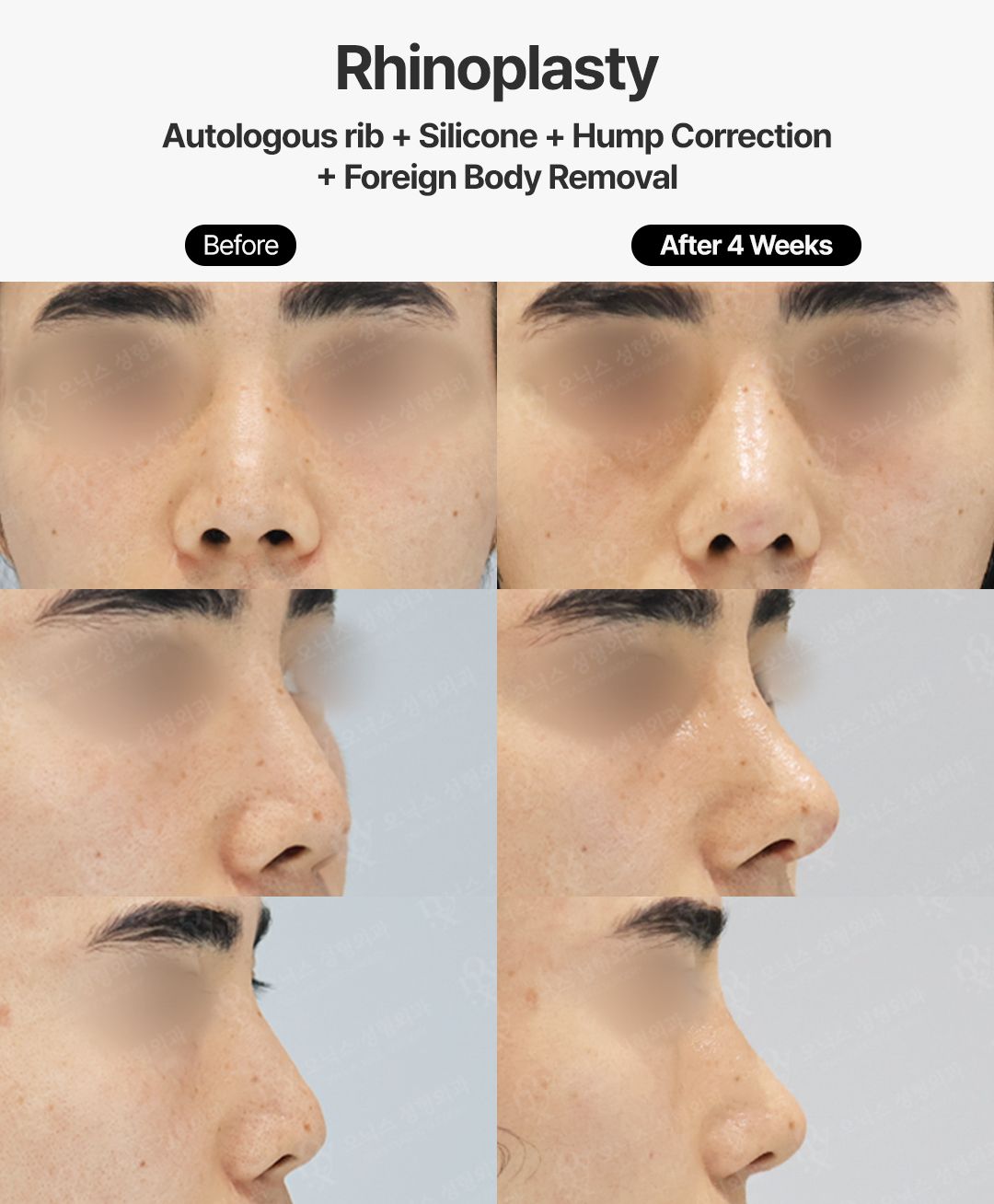
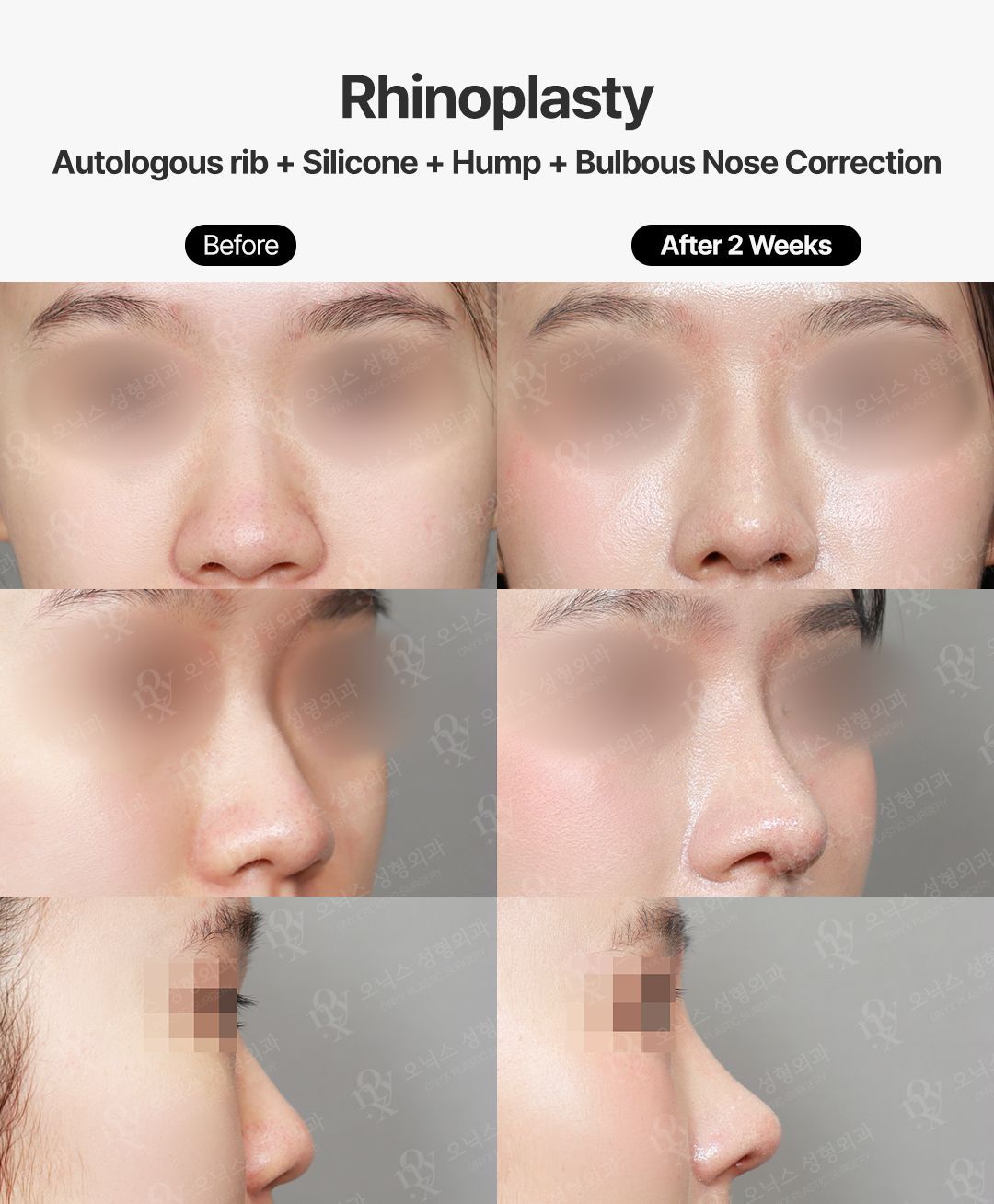
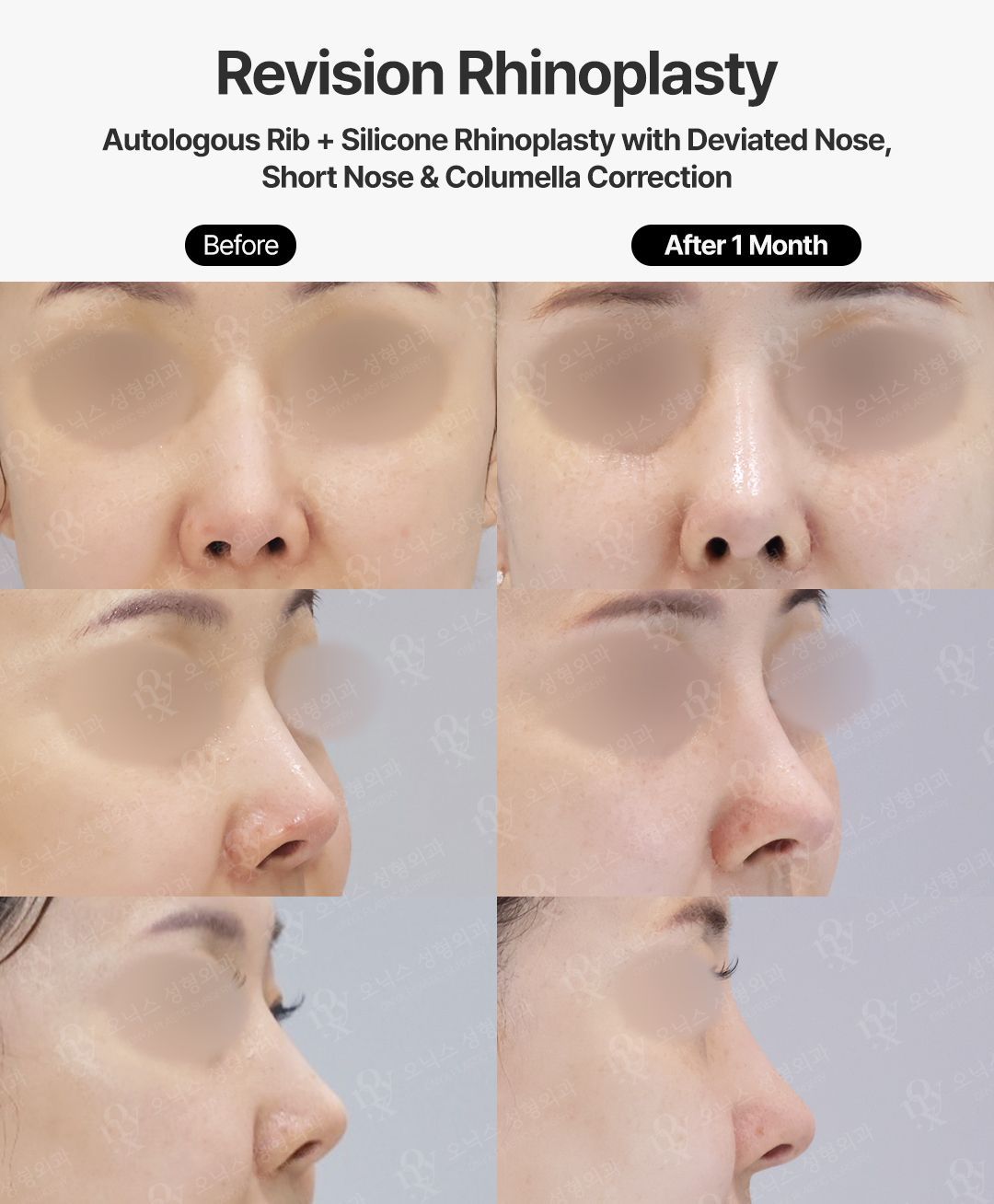
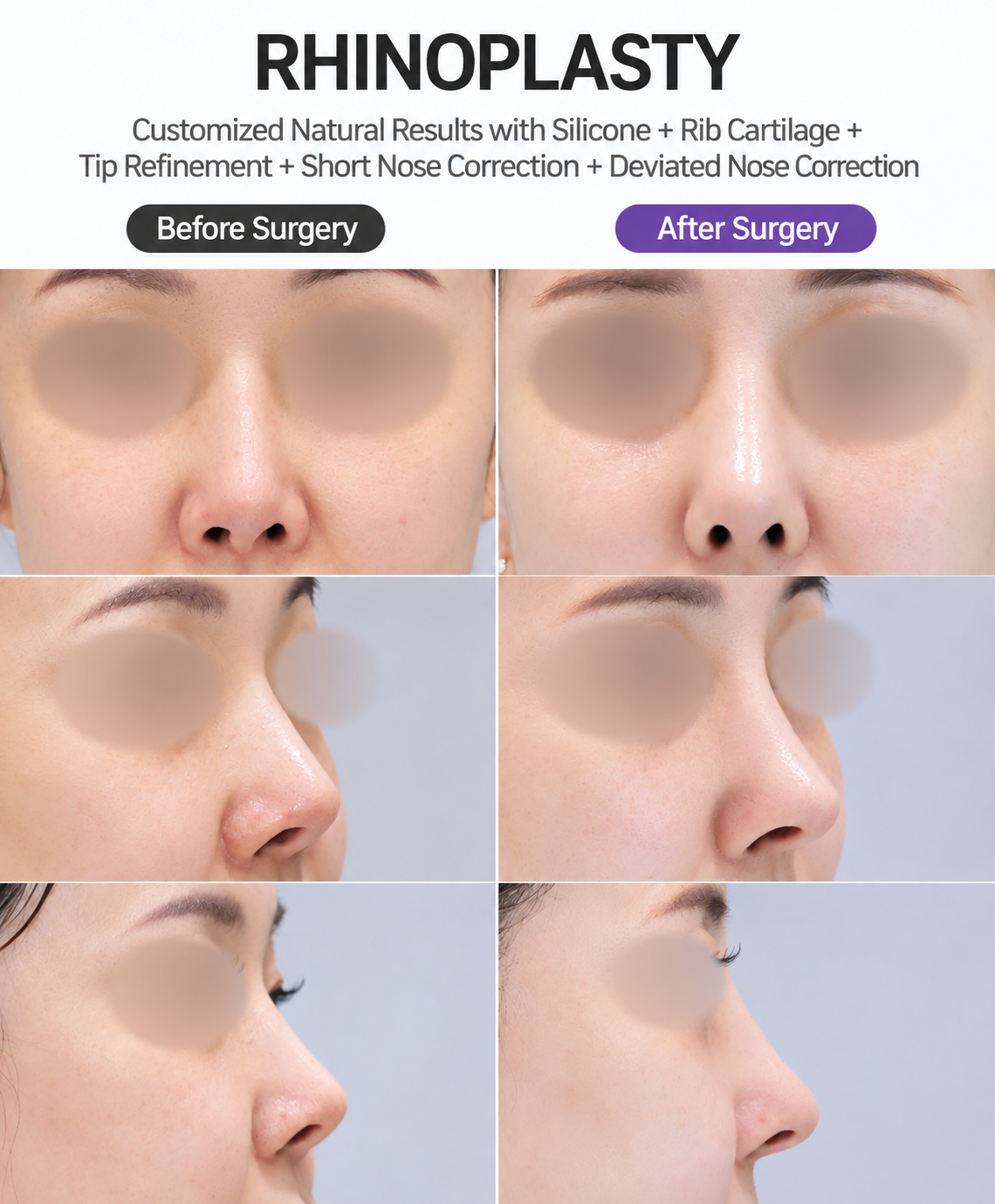
Autologous cartilage refers to cartilage taken from a patient's own body and used during rhinoplasty or reconstructive nasal surgery. Common donor sites include the nasal septum, ear, and rib. Because it is the patient's own tissue, autologous cartilage is widely used to provide structural support, improve nasal shape, and help create personalized, natural-looking results.
What Is Autologous Cartilage?
Autologous cartilage is harvested from the patient during surgery and shaped to meet specific reconstructive needs.
Common sources include:
- Septal cartilage
- Ear cartilage
- Rib cartilage
- Existing nasal cartilage
- Combined graft techniques
- Structural grafts
- Customized reconstruction
The choice of donor site depends on the amount of cartilage required and the goals of the procedure.
Natural Biological Compatibility
One of the primary advantages of autologous cartilage is that it comes from the patient's own body.
Potential benefits include:
- Natural tissue compatibility
- Personalized reconstruction
- Biological integration
- Flexible shaping
- Structural reinforcement
- Long-term support
- Customized treatment planning
The suitability of this approach depends on individual anatomy and surgical needs.
Versatility in Rhinoplasty
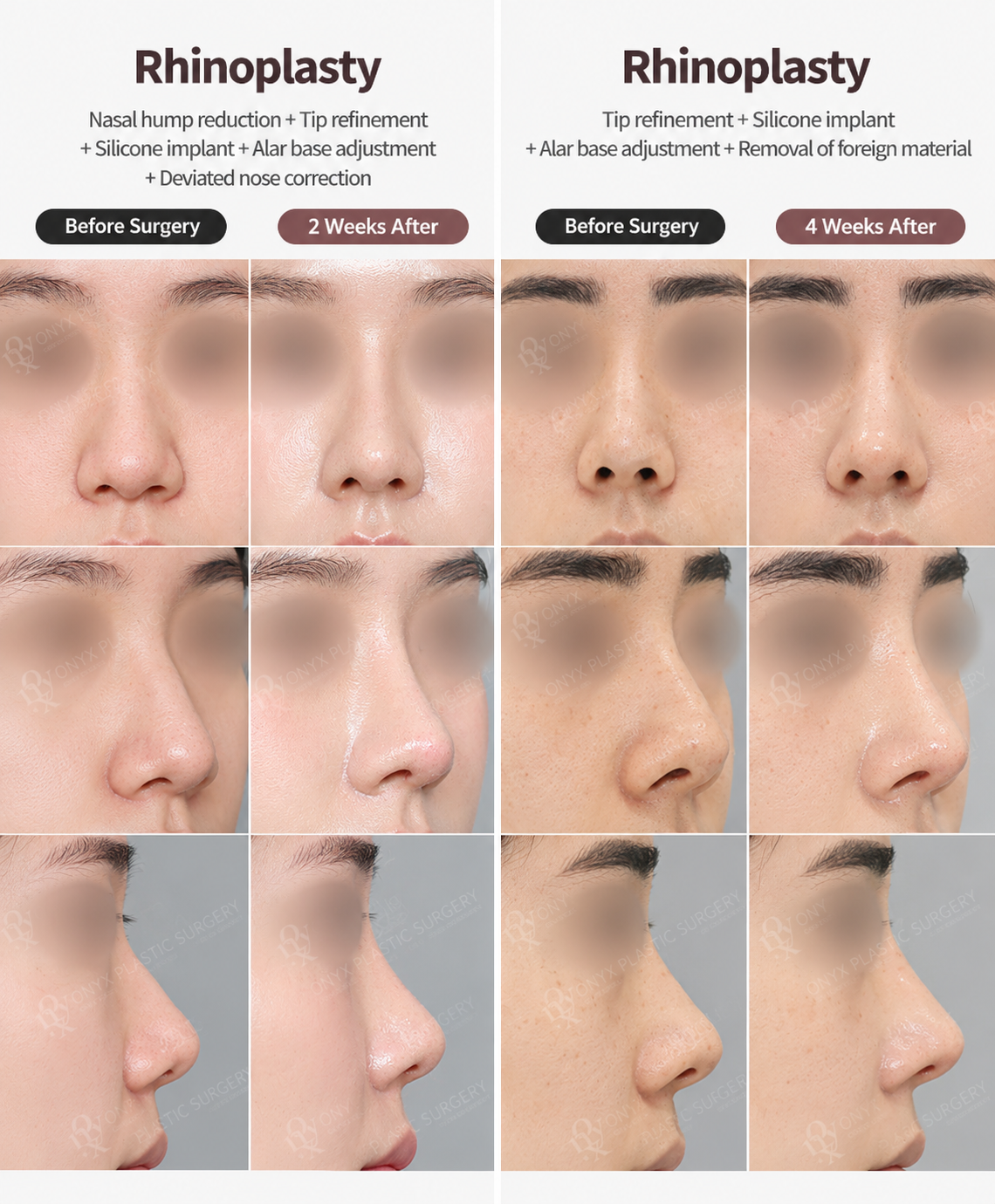
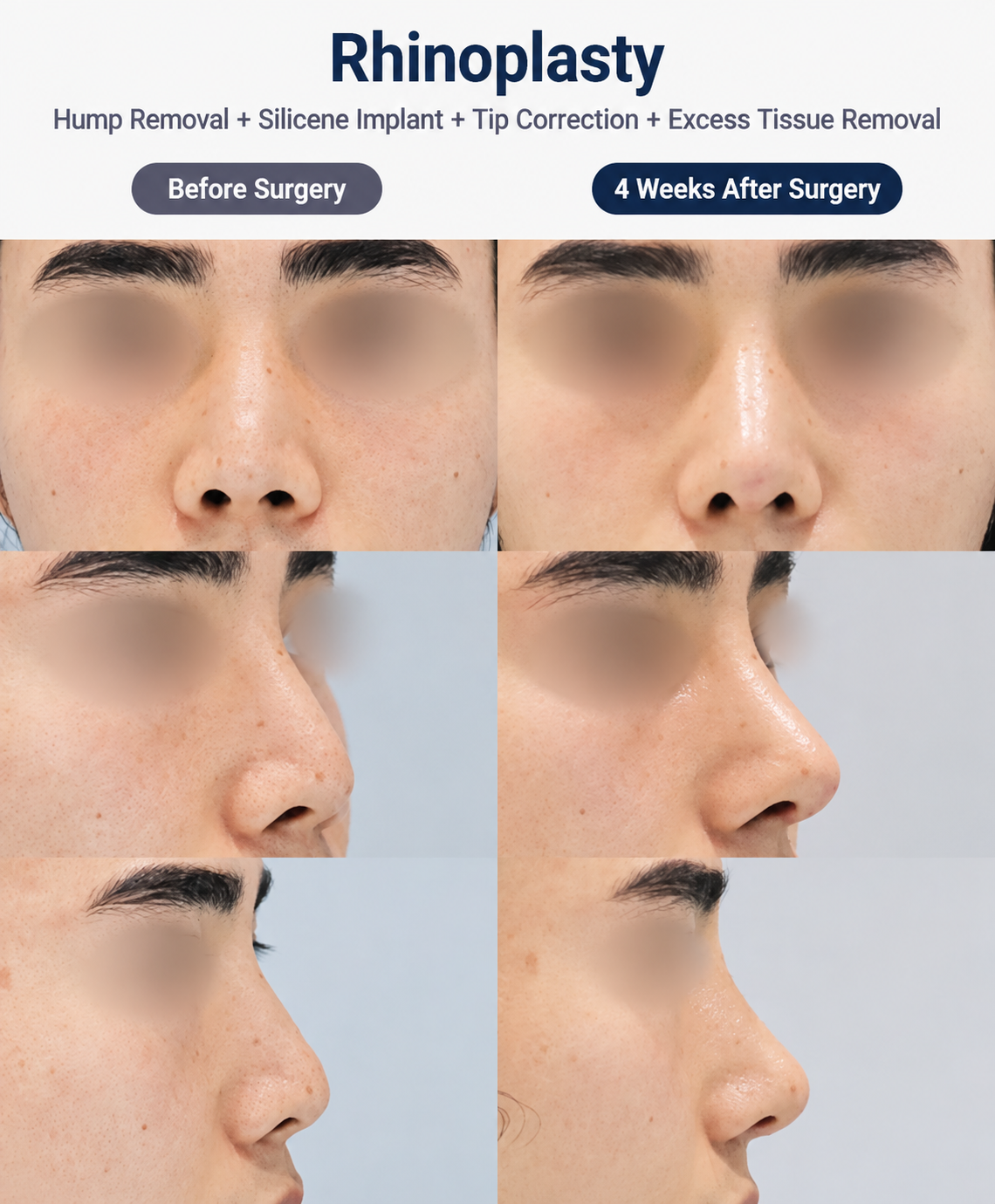
Autologous cartilage can be used for a wide range of cosmetic and functional procedures.
Common applications include:
- Tip refinement
- Tip projection
- Bridge support
- Structural rhinoplasty
- Functional correction
- Nasal reconstruction
- Revision surgery
Different types of cartilage offer different structural characteristics.
Support for Long-Term Structural Stability
Cartilage grafts are often used to strengthen and reinforce nasal structures.
They may help provide:
- Tip support
- Bridge reinforcement
- Improved symmetry
- Better contour definition
- Structural durability
- Functional support
- Long-term stability
Careful surgical planning is essential for achieving durable results.
Useful for Complex and Revision Cases
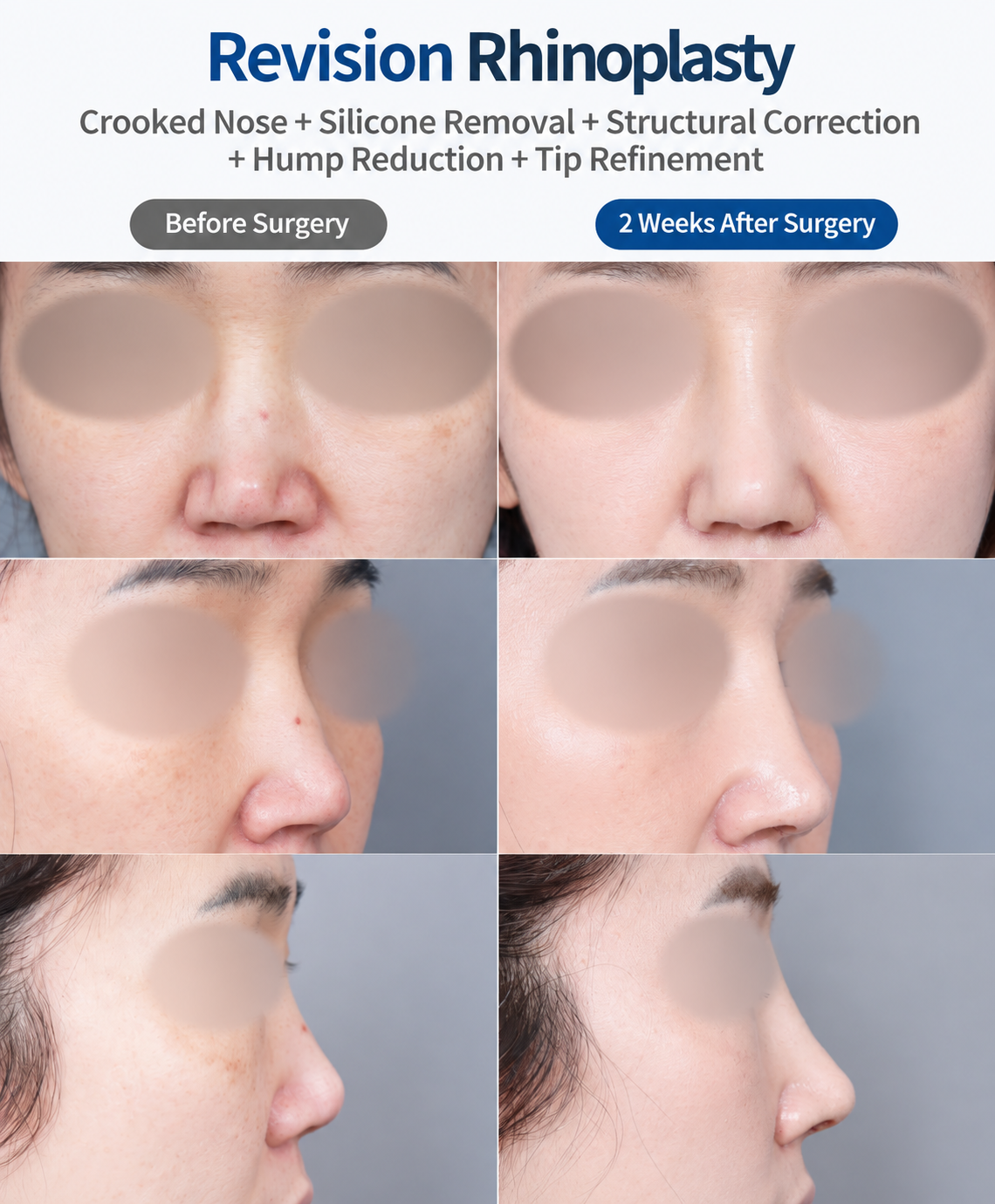
Autologous cartilage is particularly valuable in challenging surgical situations.
It may be used for:
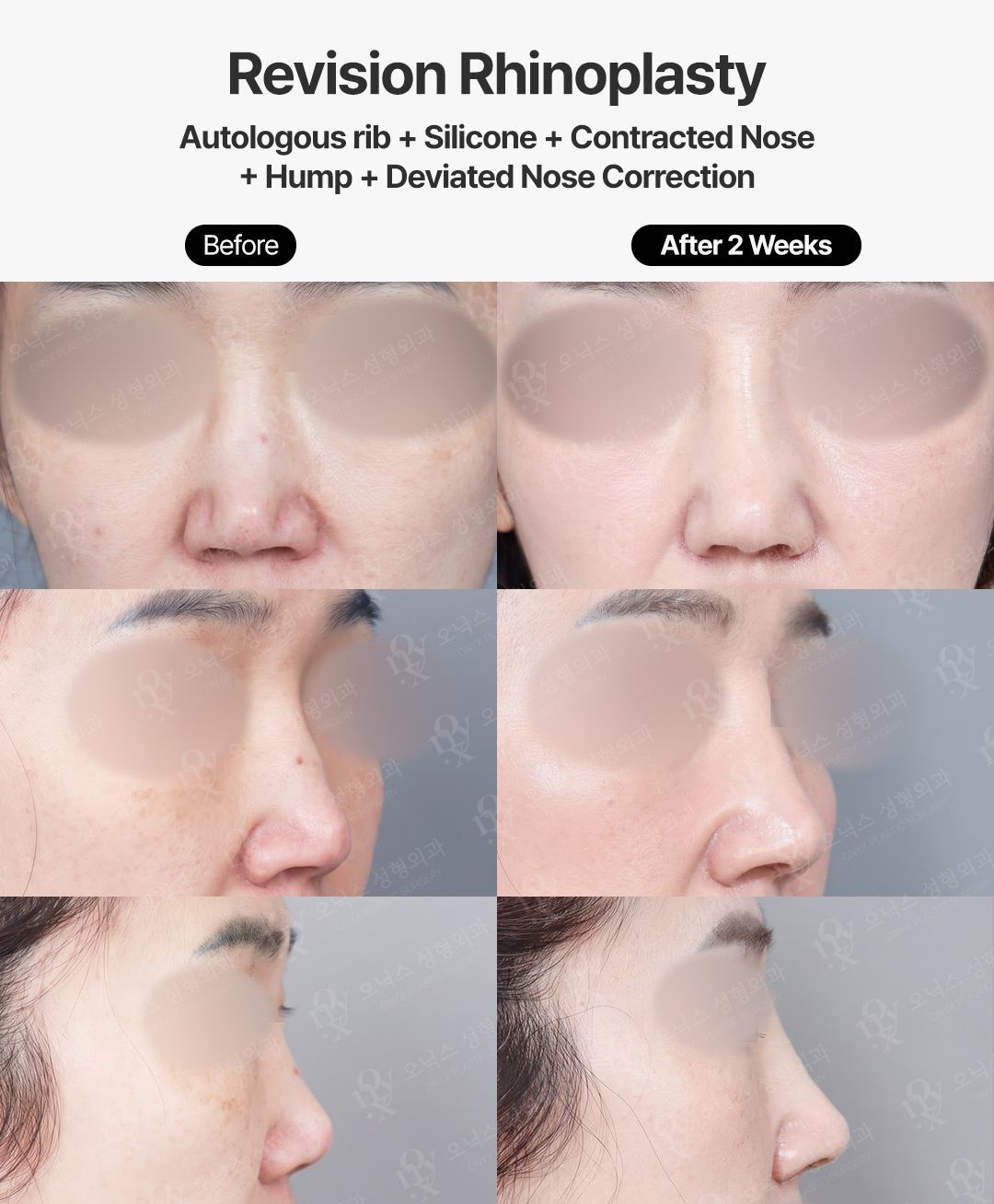
- Revision rhinoplasty
- Structural reconstruction
- Nasal collapse correction
- Implant replacement
- Functional restoration
- Scar-related reconstruction
- Extensive deformity correction
The amount and type of cartilage required vary by case.
Customized Surgical Design
Using the patient's own tissue allows surgeons to tailor reconstruction to individual anatomy.
Planning may take into account:
- Facial proportions
- Skin thickness
- Existing nasal structure
- Functional concerns
- Previous surgery
- Cosmetic goals
- Long-term expectations
Individualized planning contributes to balanced and natural-looking outcomes.
Recovery Considerations
Recovery depends on both the rhinoplasty procedure and the cartilage donor site.
Patients may experience:
- Swelling
- Mild bruising
- Temporary congestion
- Donor site tenderness
- Progressive healing
- Ongoing contour refinement
- Continued improvement over several months
Healing experiences differ among individuals.
Questions to Ask During Your Consultation
Before surgery, consider discussing:
- Which cartilage source is recommended
- Why autologous cartilage is appropriate
- Whether additional donor sites are needed
- Expected recovery timeline
- Potential risks and benefits
- Long-term structural goals
- Alternative treatment options
A thorough consultation helps patients understand the rationale behind the surgical plan.
Final Thoughts
Autologous cartilage is a valuable resource in modern rhinoplasty because it offers personalized structural support using the patient's own tissue. Whether sourced from the septum, ear, or rib, it can play an important role in cosmetic enhancement, functional improvement, and complex reconstruction. With individualized planning and careful surgical technique, autologous cartilage can help achieve stable, natural-looking, and long-lasting results.