Long-Term Safety of Silicone Implants
Long-Term Safety of Silicone Implants
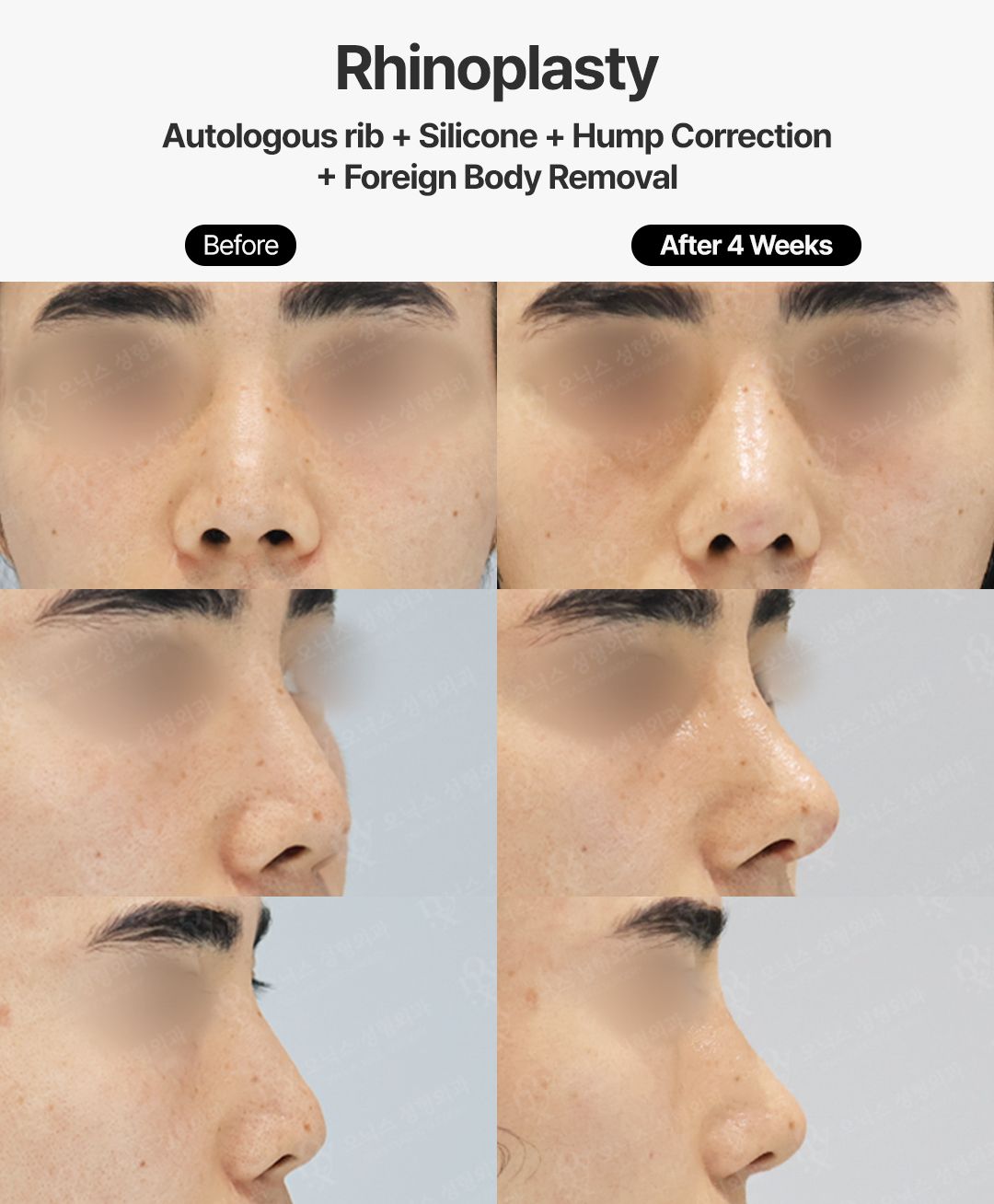
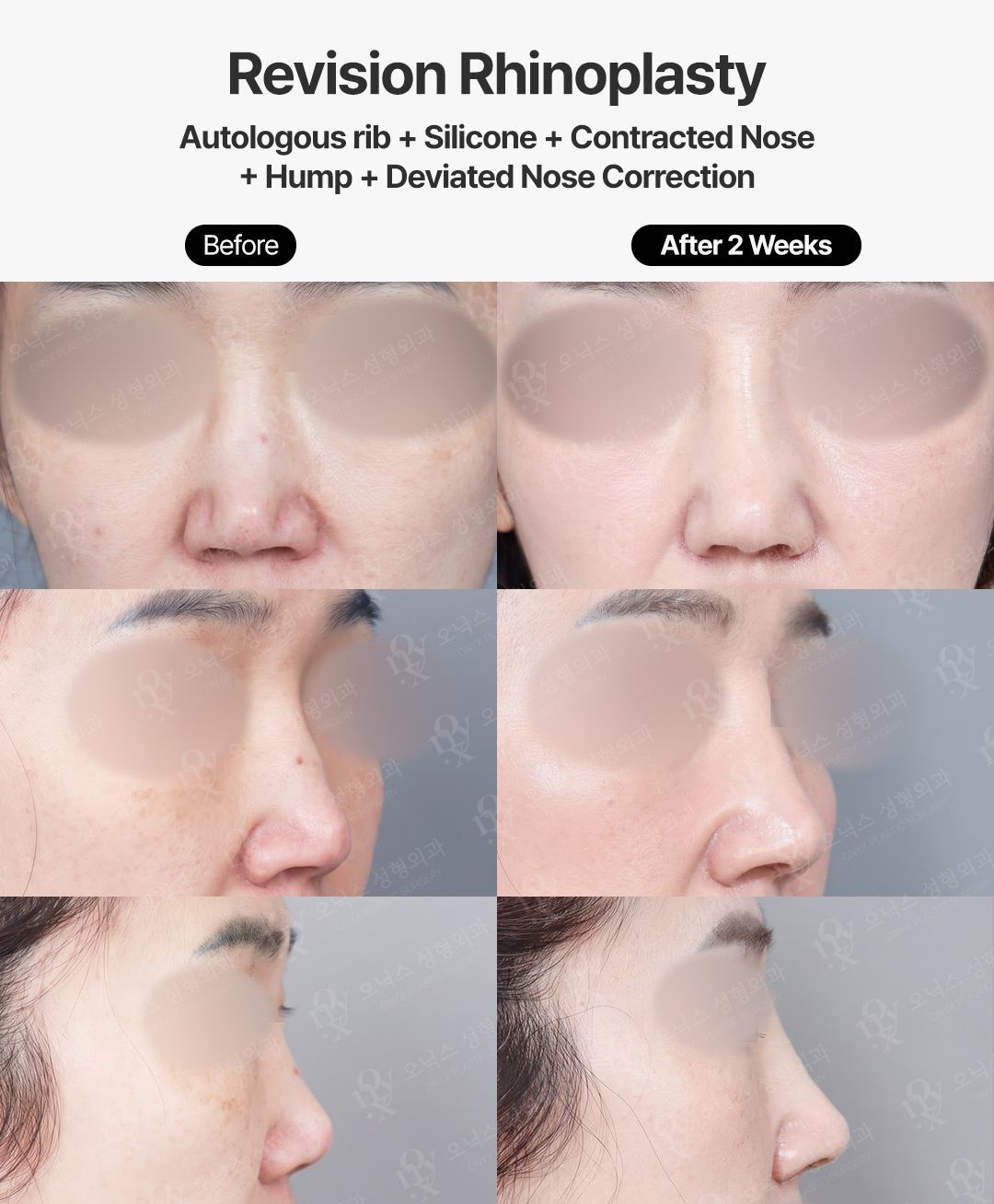
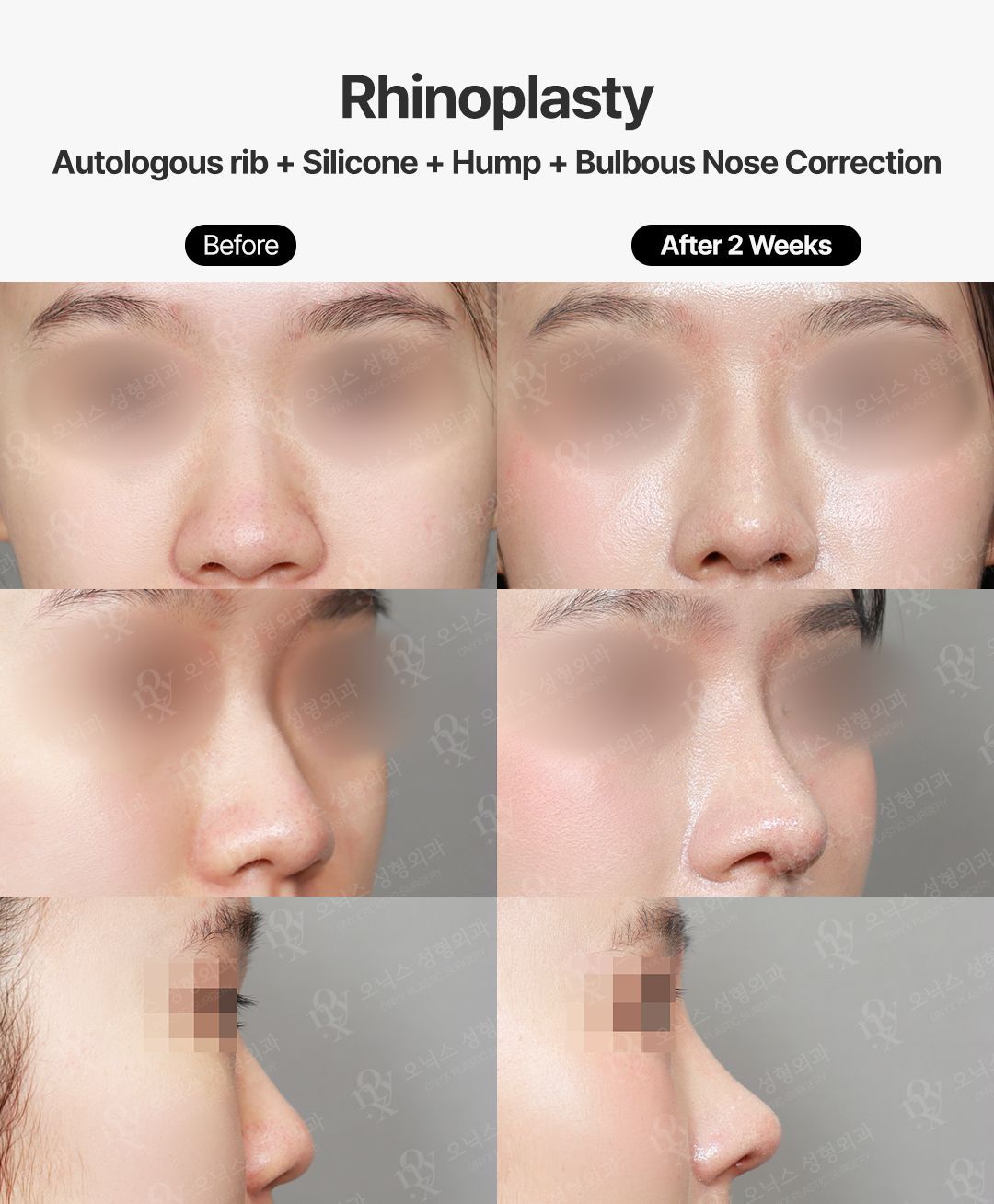
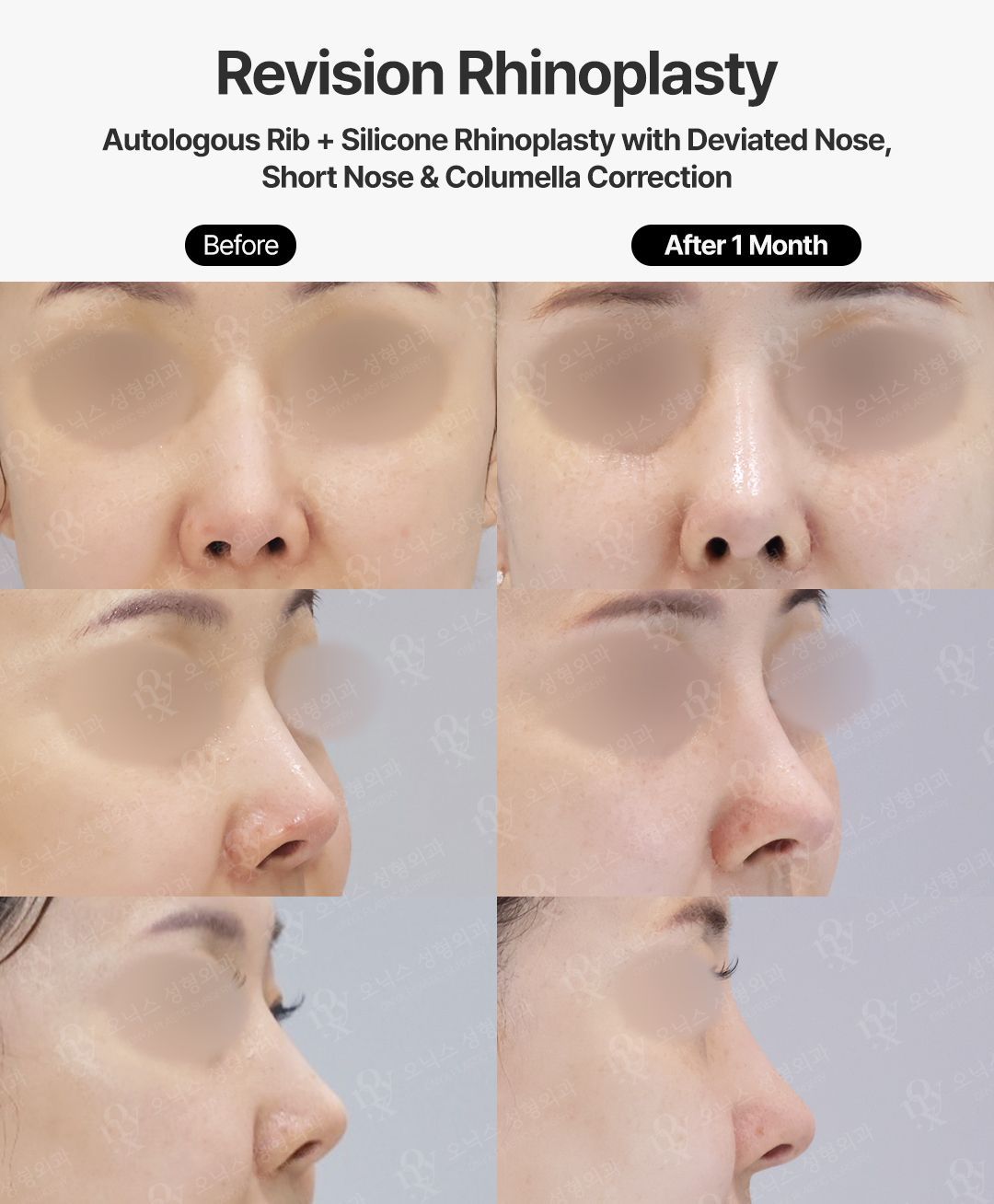
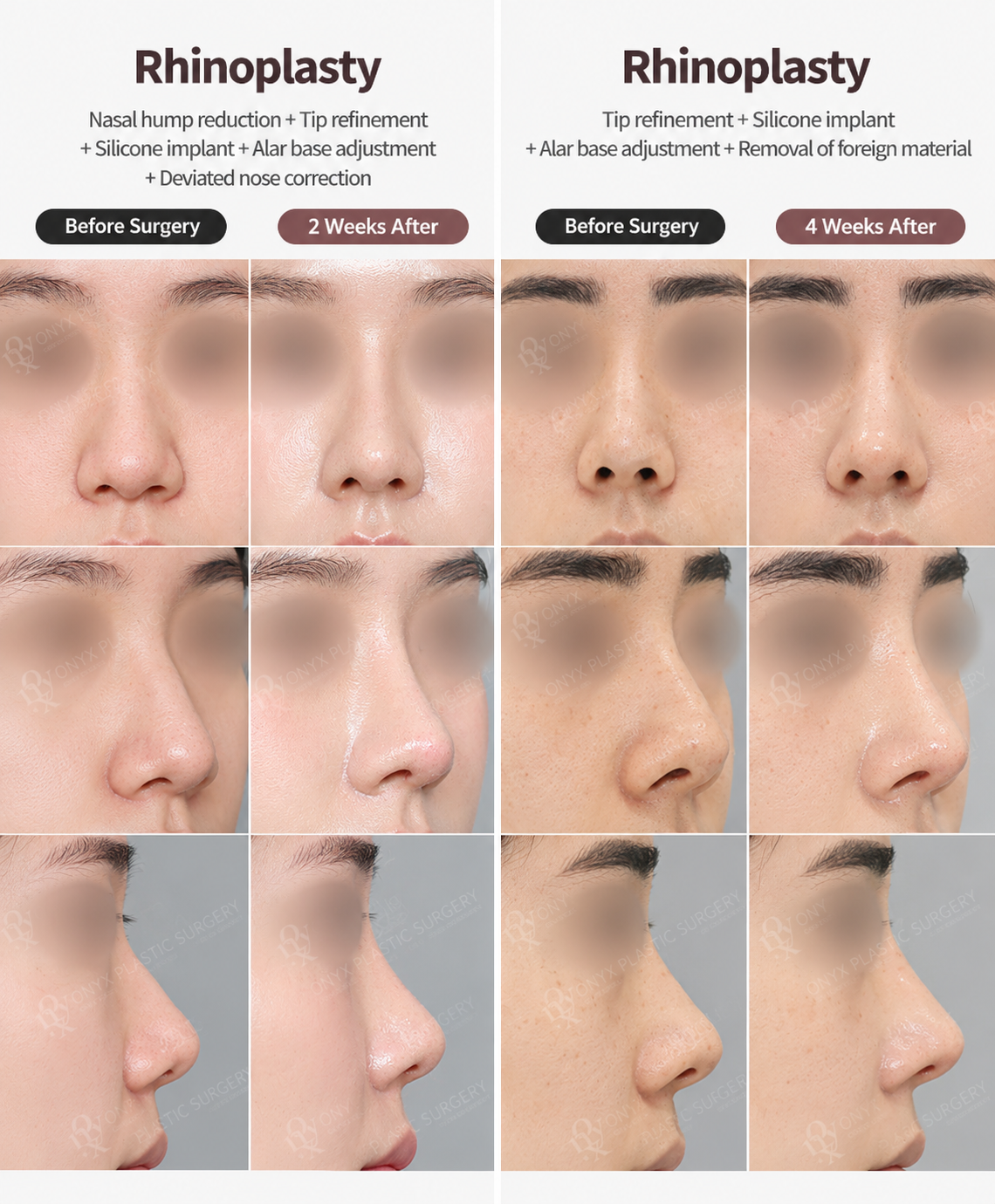
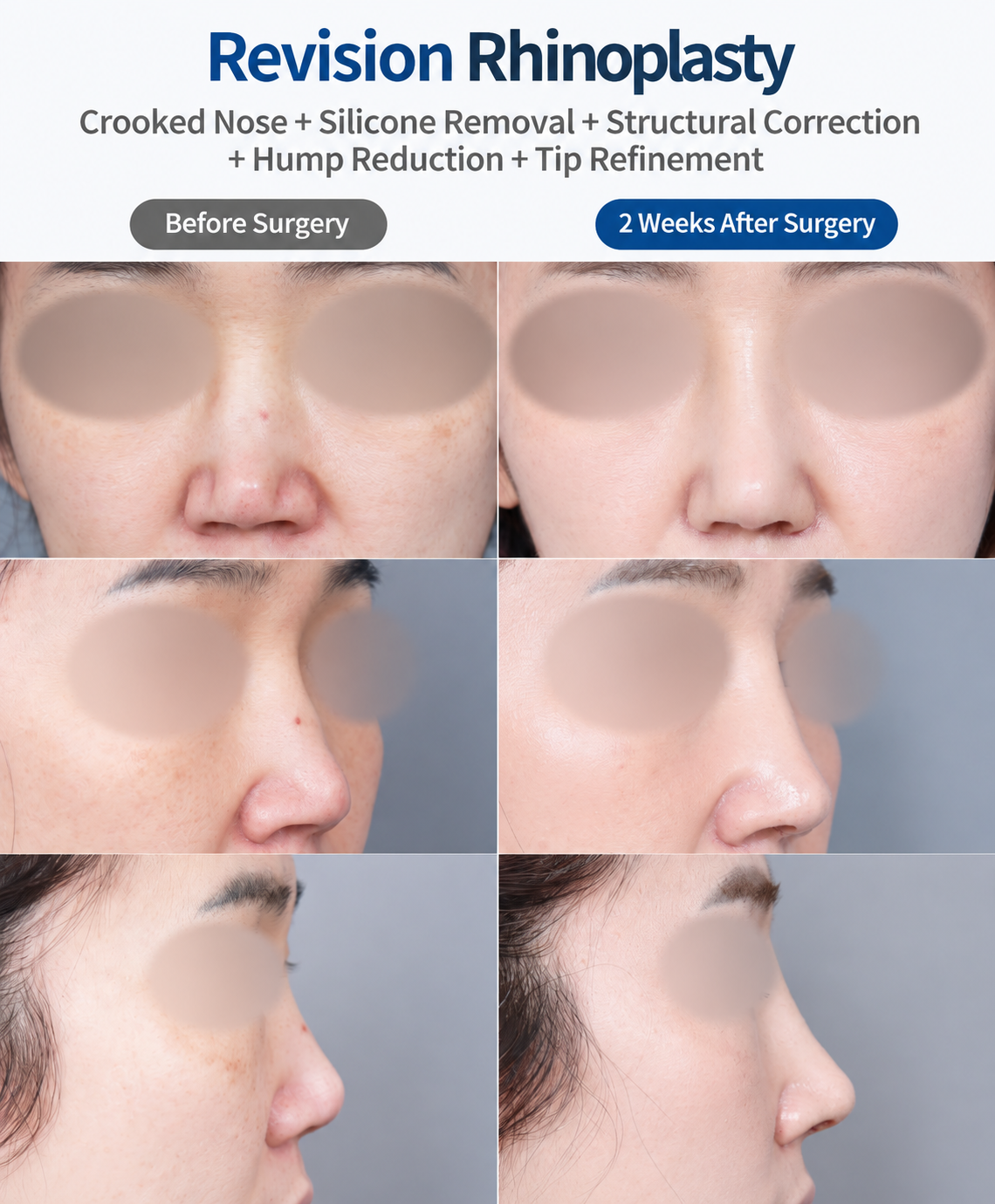
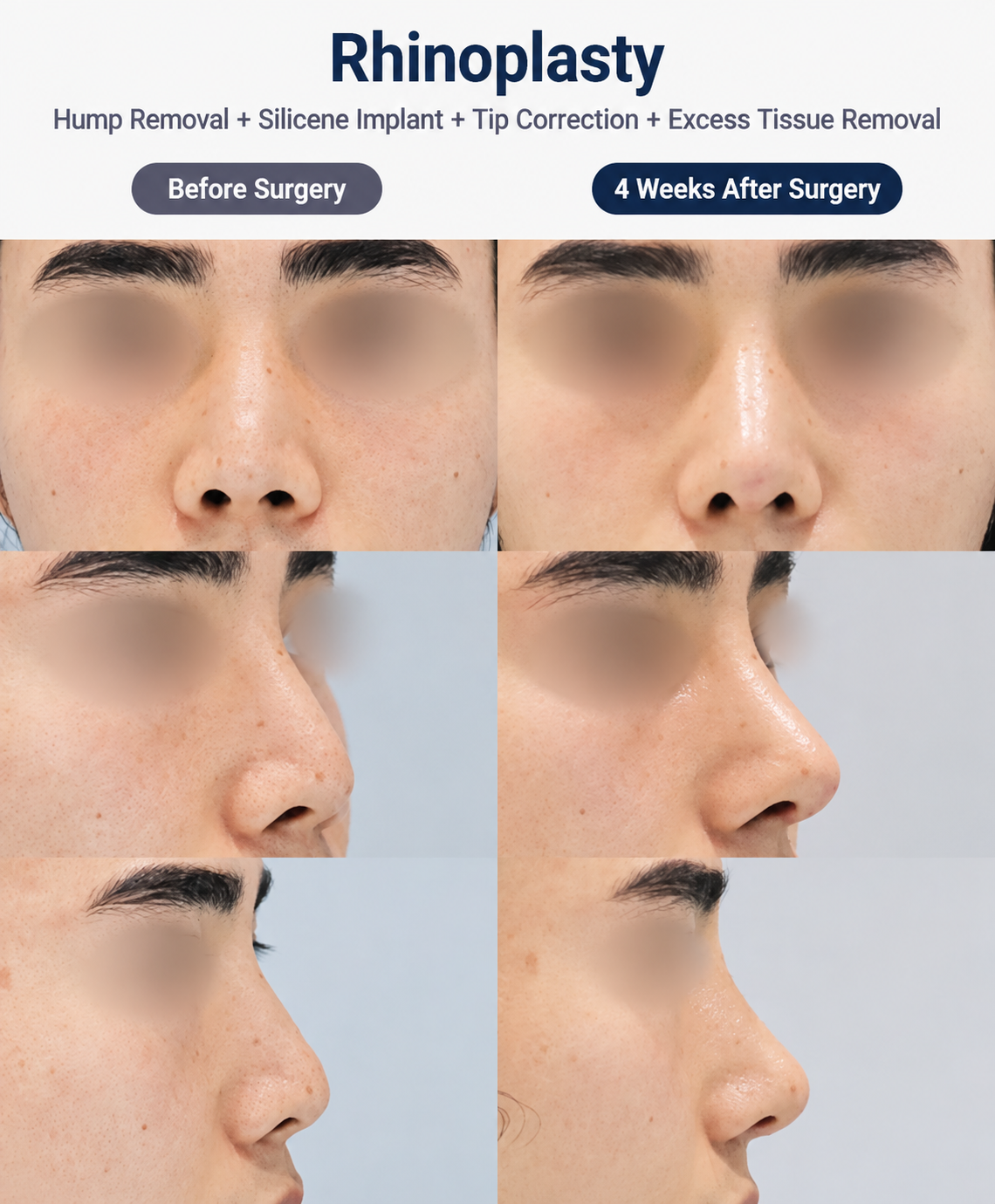
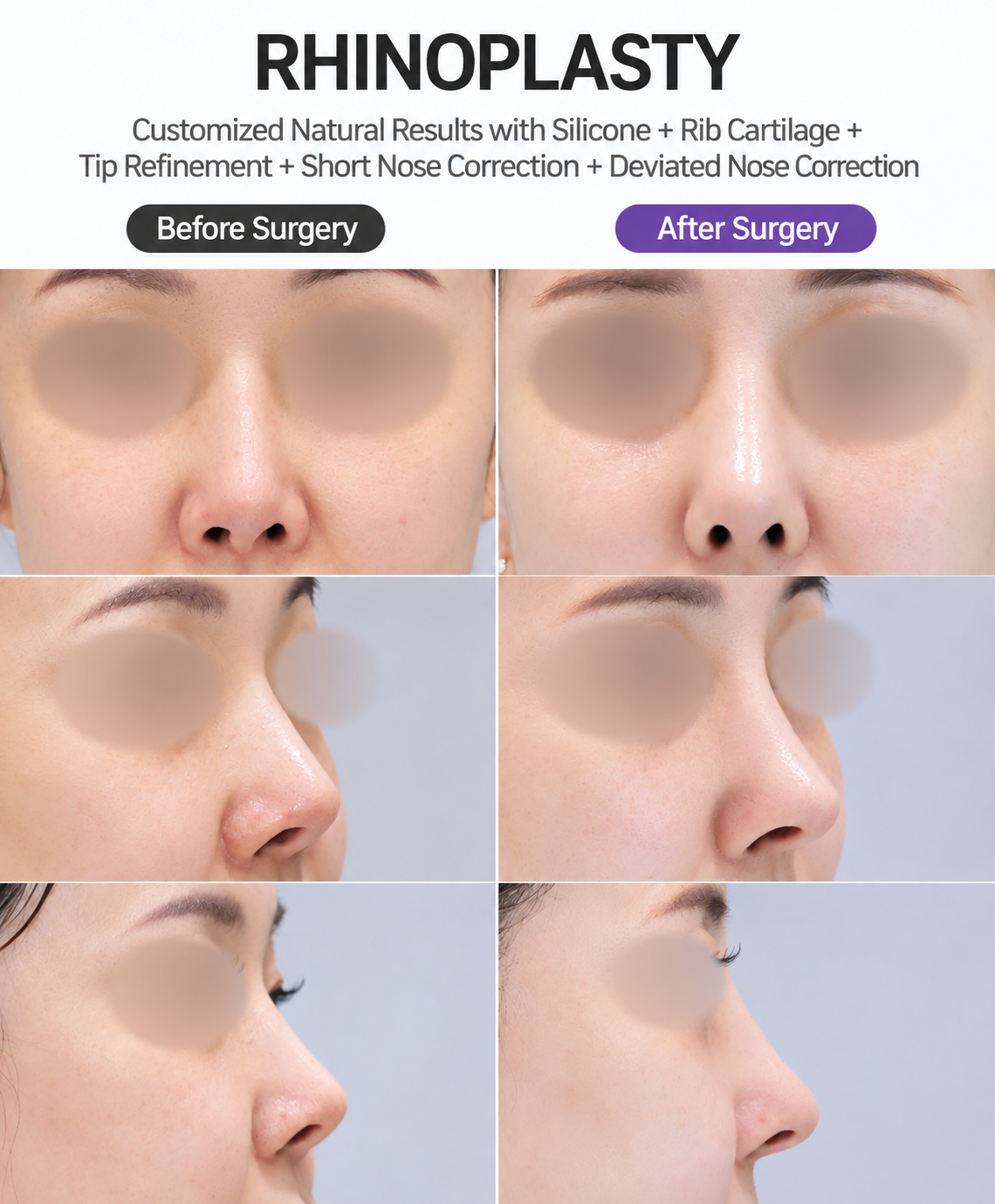
Silicone implants have been used in rhinoplasty for decades and remain a common option for nasal bridge augmentation in many parts of the world. When properly selected and placed by an experienced surgeon, they can provide stable and long-lasting results. However, like any implanted medical device, they also carry potential risks and require individualized evaluation, careful surgical planning, and long-term follow-up.
What Are Silicone Implants Used For?
In rhinoplasty, silicone implants are most commonly used to enhance the nasal bridge and improve facial balance.
Common applications include:
- Bridge augmentation
- Profile enhancement
- Facial balance
- Structural definition
- Contour improvement
- Cosmetic refinement
- Personalized treatment planning
The exact approach depends on the patient's anatomy and goals.
Potential Long-Term Benefits
For appropriately selected patients, silicone implants may offer several advantages.
Possible benefits include:
- Long-lasting bridge enhancement
- Consistent shape
- Stable structural support
- Predictable contour
- Customized sizing
- Well-established surgical use
- Durable aesthetic improvement
Results vary depending on surgical technique and individual healing.
Potential Long-Term Risks
As with any implant, long-term complications are possible and should be discussed before surgery.
Potential concerns include:
- Implant displacement
- Infection
- Visible implant edges
- Asymmetry
- Skin thinning
- Capsular changes
- Need for revision surgery
Not every patient will experience these issues, but awareness is important.
Factors That Influence Long-Term Outcomes
Several factors can affect how well a silicone implant performs over time.
These include:
- Surgical technique
- Implant positioning
- Skin thickness
- Individual healing
- Previous nasal surgery
- Postoperative care
- Long-term structural support
Careful planning can contribute to more stable outcomes.
Can Silicone Be Combined With Cartilage?
Yes, many rhinoplasty procedures combine silicone implants with cartilage grafts.
This approach may provide:
- Bridge enhancement
- Tip support
- Structural reinforcement
- Improved contour transition
- Better facial harmony
- Functional stability
- Personalized reconstruction
The specific combination depends on the patient's needs.
Importance of Regular Follow-Up
Routine follow-up appointments can help monitor healing and long-term results.
Follow-up care may include:
- Physical examinations
- Healing assessment
- Implant evaluation
- Functional review
- Cosmetic assessment
- Recovery guidance
- Long-term monitoring
Patients should report any unusual changes promptly.
Questions to Ask Before Surgery
During your consultation, consider asking:
- Why is a silicone implant recommended?
- Are there alternative treatment options?
- Would cartilage grafting be appropriate?
- What are the potential long-term risks?
- How often should follow-up visits occur?
- What symptoms should prompt medical evaluation?
- What happens if revision surgery becomes necessary?
Clear communication helps patients make informed decisions.
Making an Informed Choice
Choosing the right material involves balancing cosmetic goals with long-term considerations.
Important factors include:
- Personal anatomy
- Functional needs
- Aesthetic preferences
- Previous surgeries
- Structural requirements
- Recovery expectations
- Long-term treatment goals
Every treatment plan should be individualized rather than based on trends alone.
Final Thoughts
Silicone implants have a long history of use in rhinoplasty and can provide durable, natural-looking results for appropriately selected patients. Their long-term safety depends on careful patient selection, proper surgical technique, ongoing follow-up, and realistic expectations. A thorough consultation with an experienced surgeon can help determine whether silicone implants, autologous cartilage, or a combination of techniques is the most appropriate choice for your specific needs.