Hybrid Rhinoplasty Techniques
Hybrid Rhinoplasty Techniques
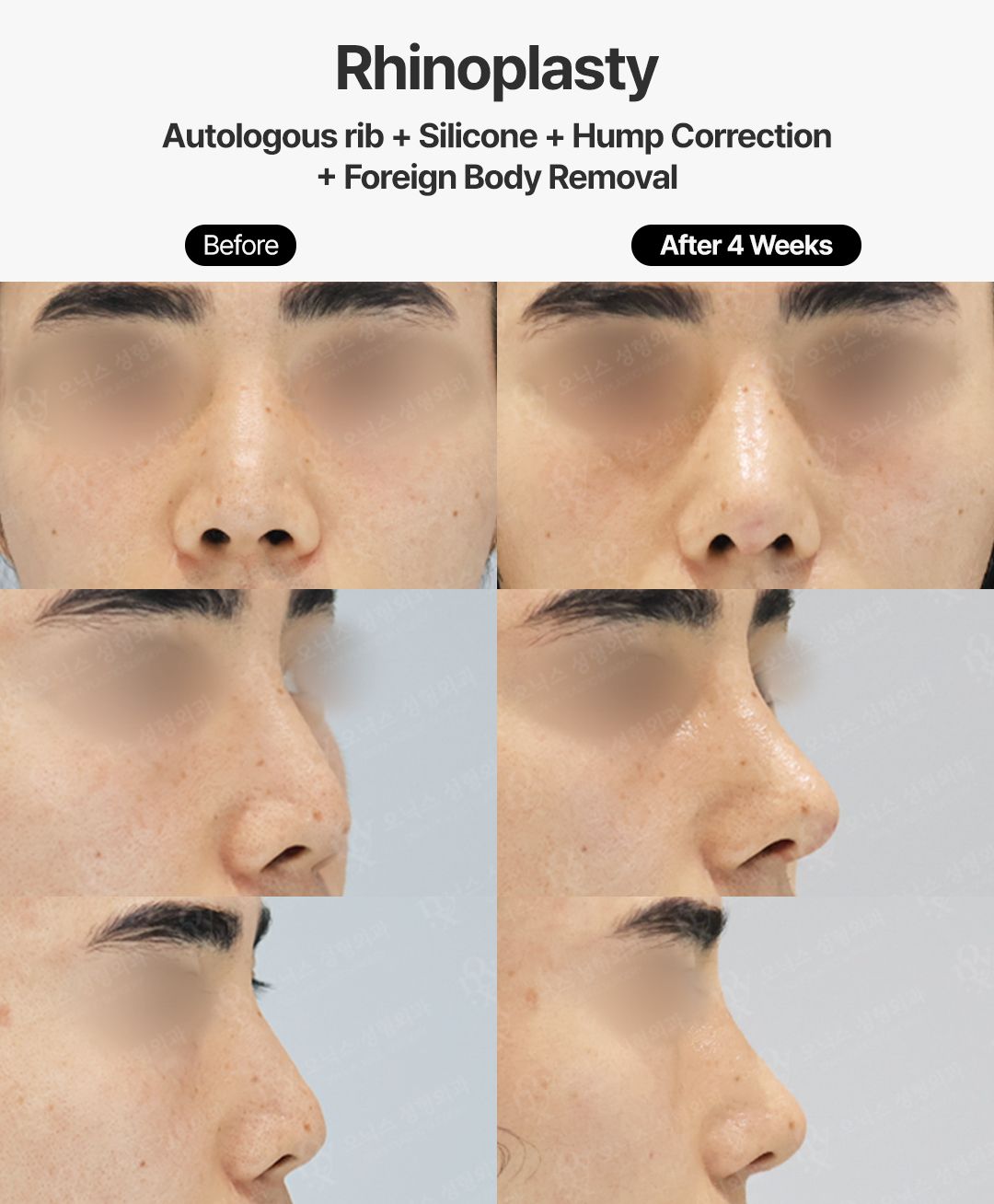
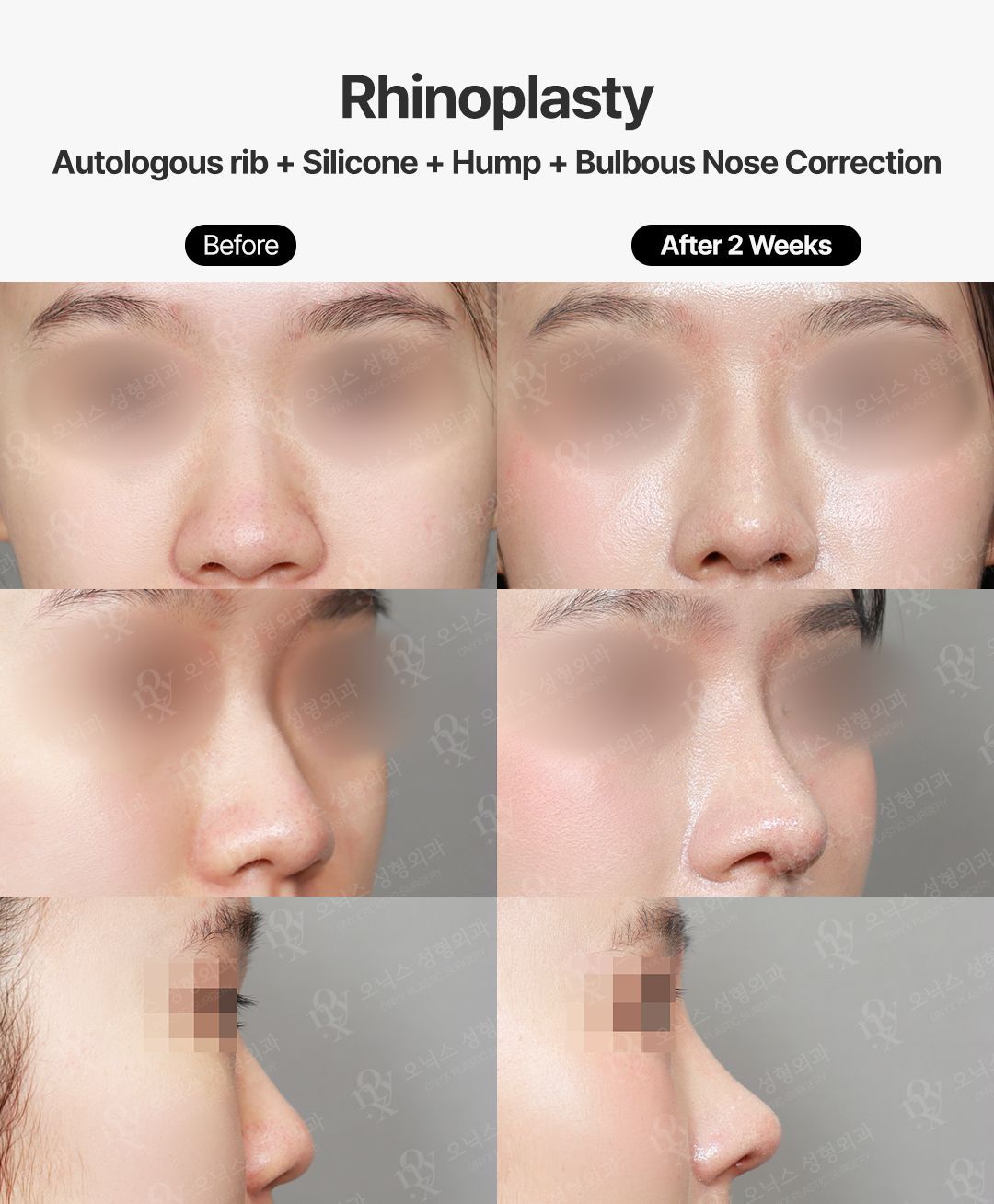
Hybrid rhinoplasty combines multiple surgical techniques and materials to achieve both aesthetic and functional goals. Rather than relying on a single method, surgeons may use a combination of implants, autologous cartilage, and structural reconstruction techniques to create a personalized treatment plan. The approach is tailored to each patient's anatomy, facial proportions, and long-term objectives.
What Is Hybrid Rhinoplasty?
Hybrid rhinoplasty integrates different techniques to optimize both appearance and structural support.
Common elements may include:
- Implant augmentation
- Septal cartilage grafting
- Ear cartilage grafting
- Rib cartilage grafting
- Structural rhinoplasty
- Tip refinement
- Functional reconstruction
The exact combination varies from patient to patient.
Why a Hybrid Approach Is Used
Some patients require more than a single technique to achieve balanced results.
Common reasons include:
- Bridge augmentation
- Tip support
- Improved facial harmony
- Functional correction
- Structural reinforcement
- Complex anatomy
- Revision surgery
Combining methods can provide greater flexibility in surgical planning.
Implants and Cartilage Together
One of the most common hybrid approaches combines synthetic implants with the patient's own cartilage.
Possible combinations include:
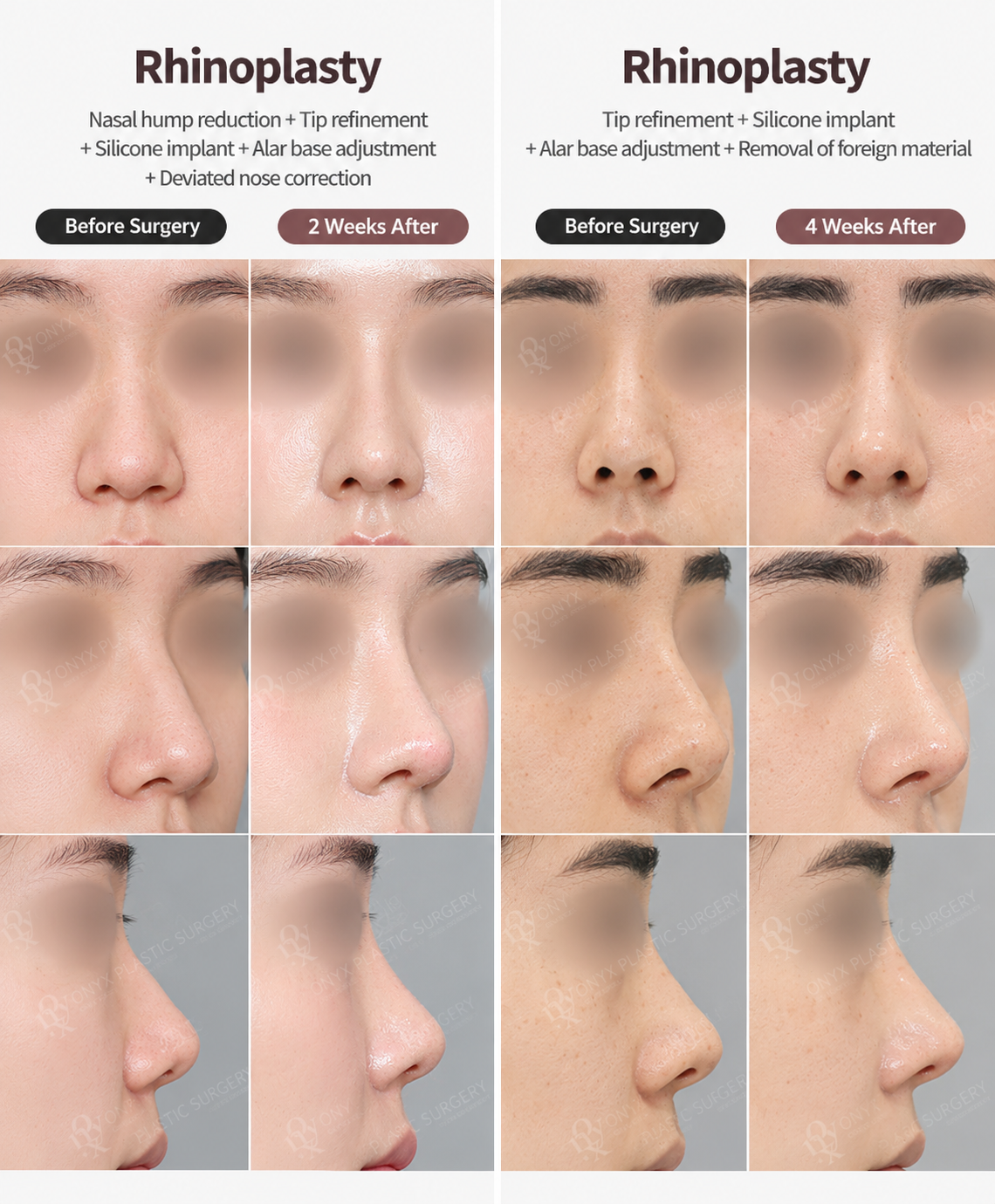
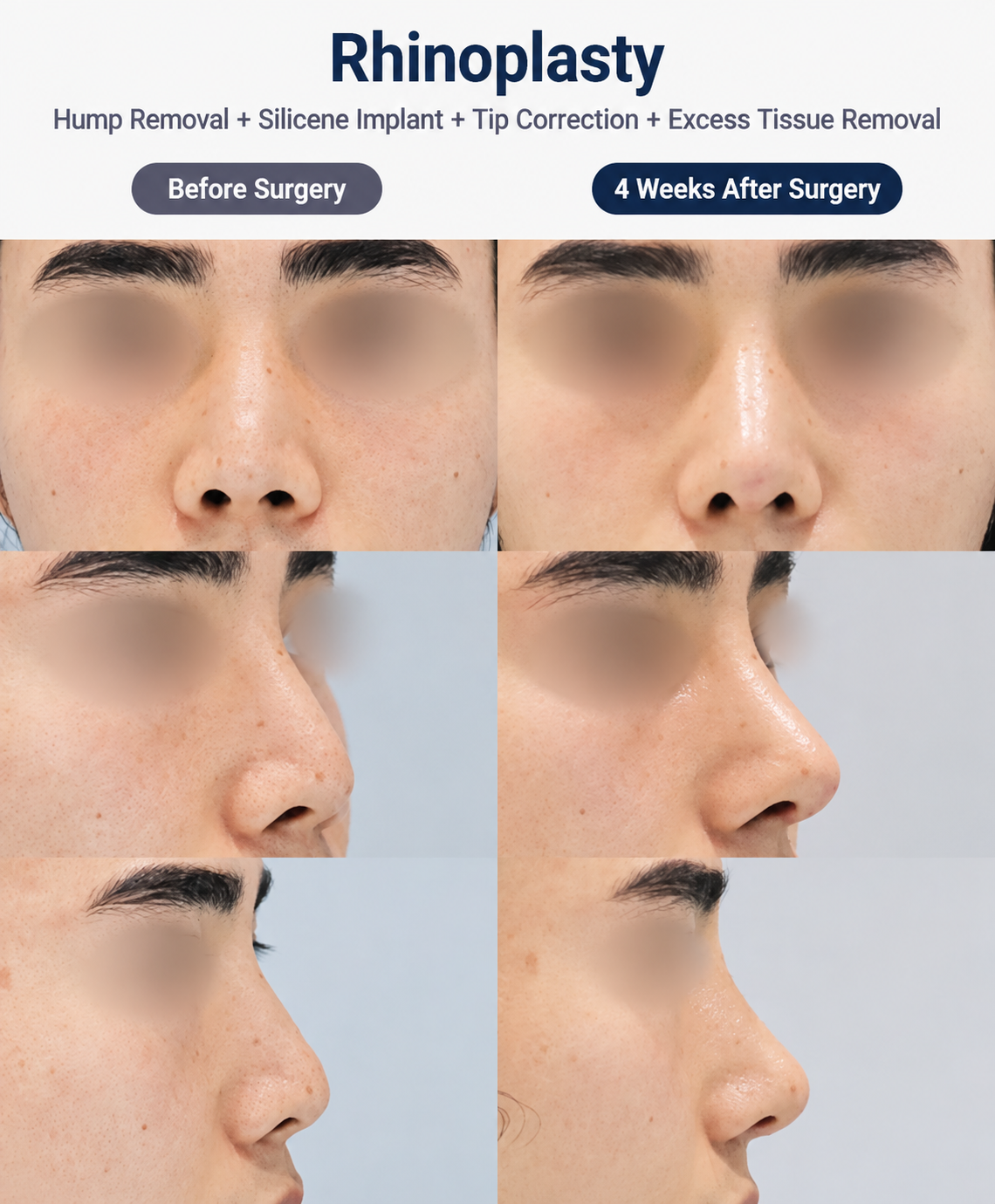
- Silicone bridge with cartilage tip support
- Gore-Tex bridge with structural grafts
- Implant augmentation with septal cartilage
- Implant with ear cartilage refinement
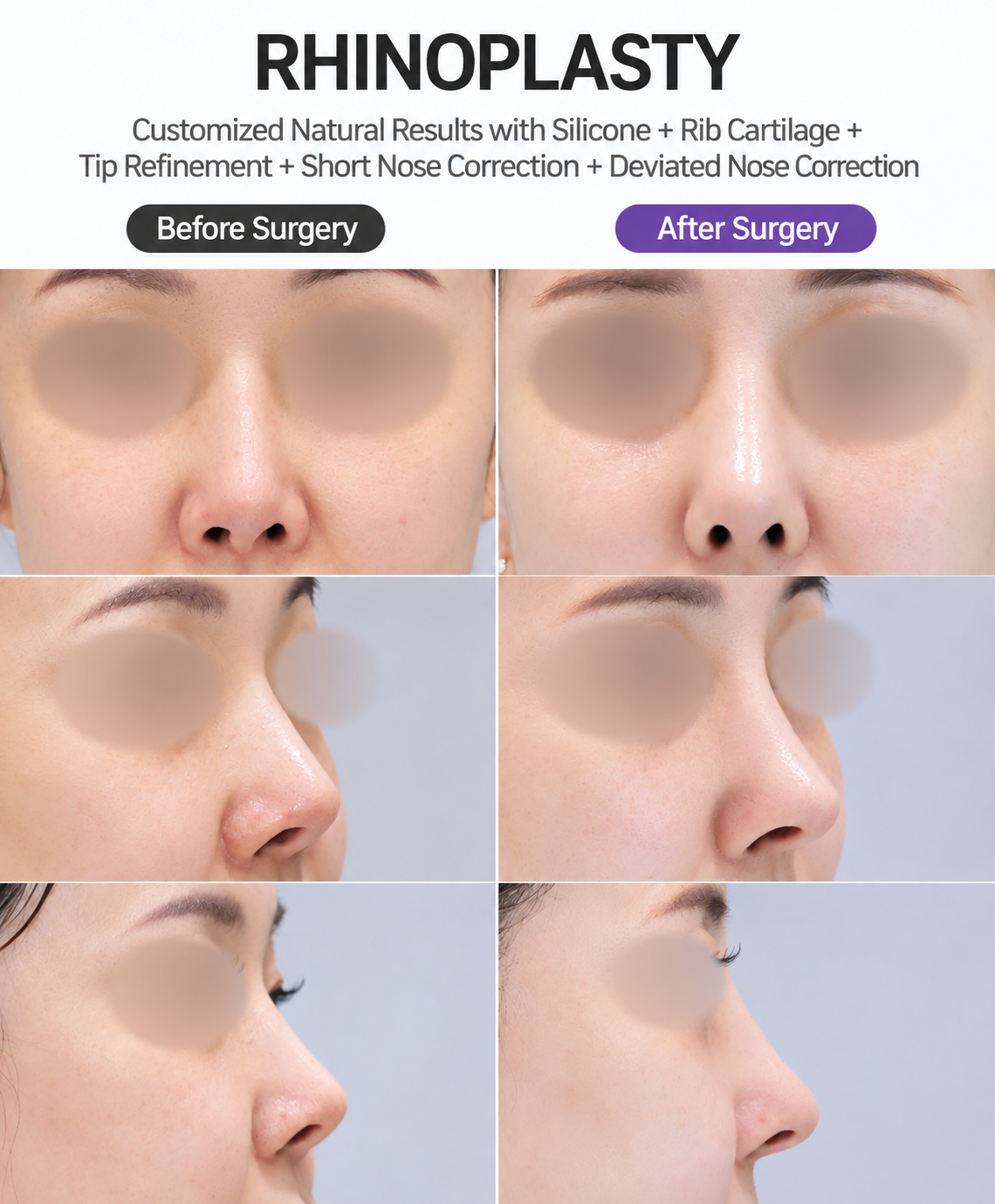
- Implant with rib cartilage reconstruction
- Structural reinforcement with grafting
- Personalized contour enhancement
The choice depends on surgical goals and individual anatomy.
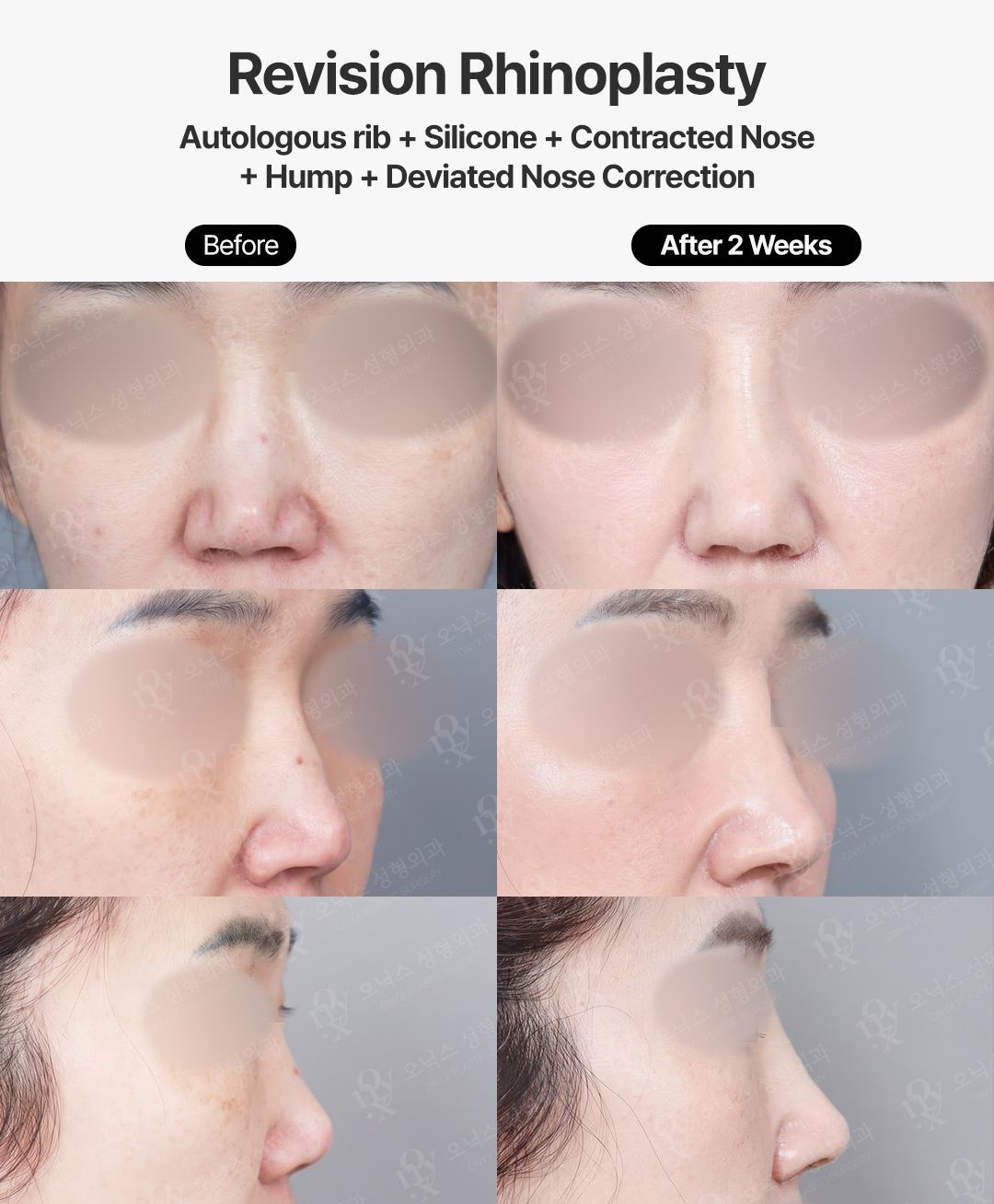
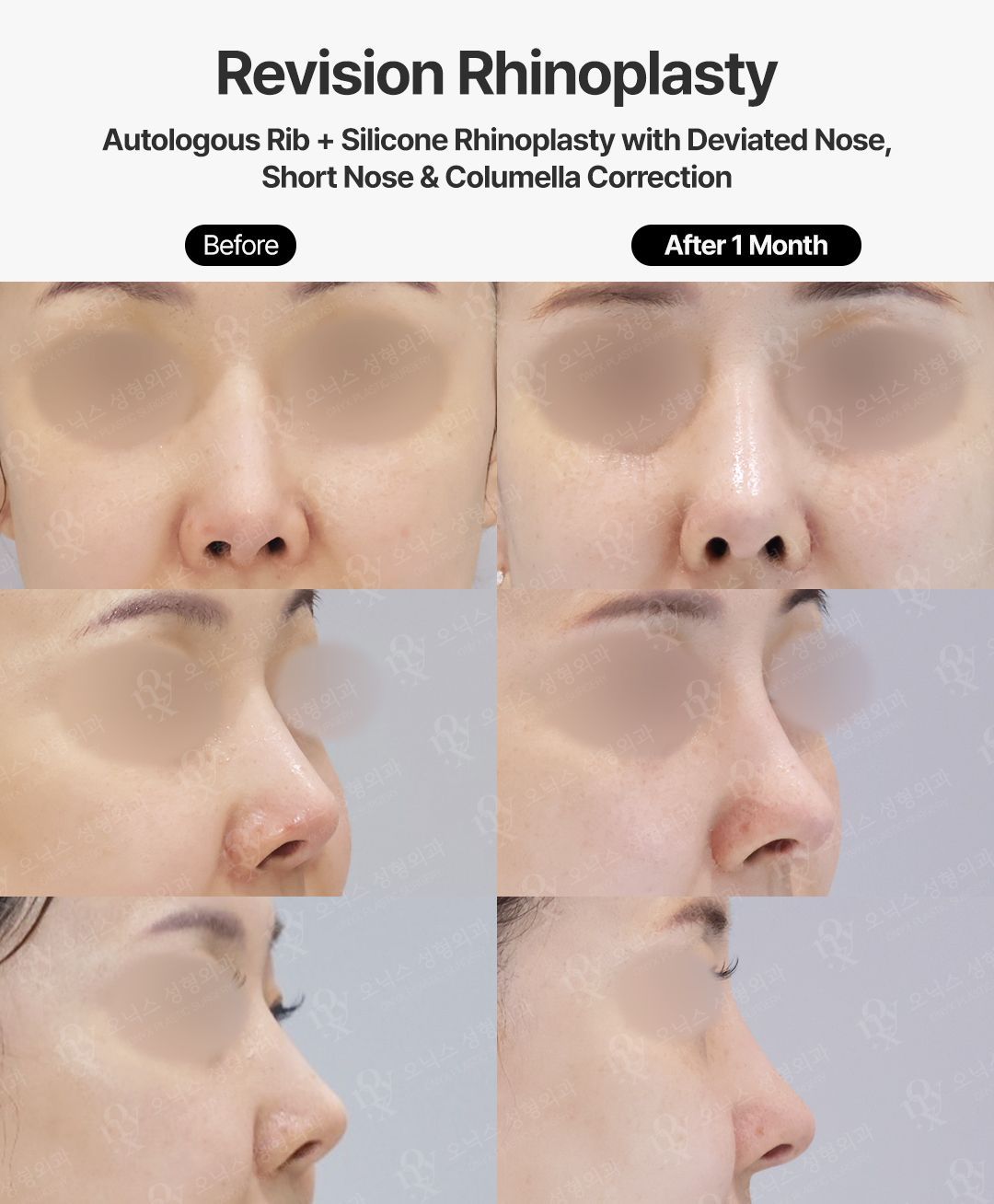
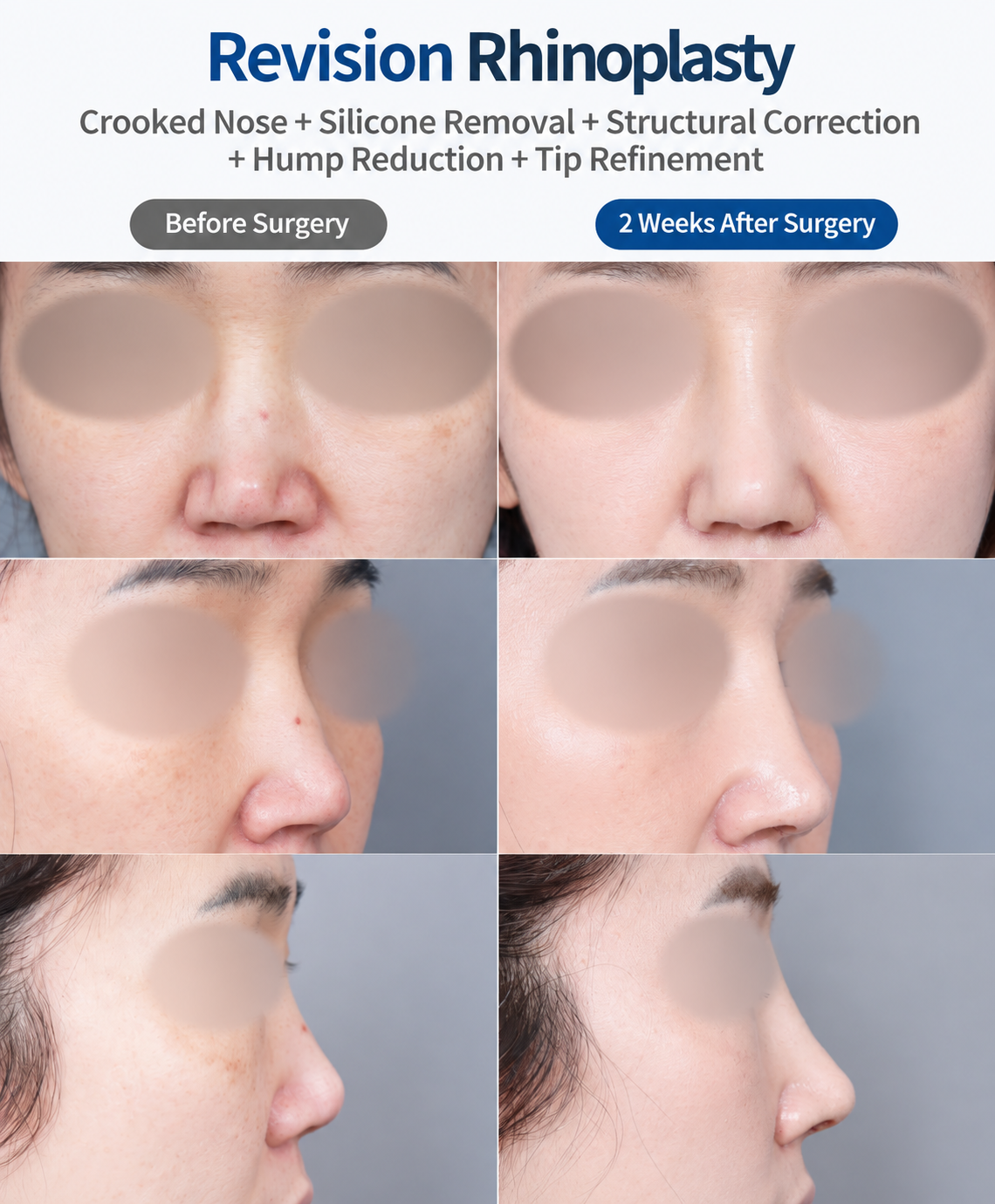
Hybrid Techniques in Revision Rhinoplasty
Revision cases often require multiple reconstructive strategies.
Hybrid approaches may involve:
- Implant replacement
- Cartilage reconstruction
- Structural reinforcement
- Tip rebuilding
- Bridge correction
- Functional repair
- Scar tissue management
These procedures are typically customized to address previous surgical changes.
Balancing Cosmetic and Functional Goals
Modern rhinoplasty often aims to improve both appearance and nasal function.
Hybrid techniques may help address:
- Breathing concerns
- Nasal support
- Tip projection
- Bridge contour
- Facial balance
- Airway stability
- Long-term durability
Functional considerations are an important part of surgical planning.
Factors That Influence Technique Selection
Every treatment plan is individualized based on multiple factors.
These may include:
- Skin thickness
- Cartilage availability
- Existing nasal anatomy
- Previous surgery
- Functional concerns
- Cosmetic goals
- Long-term structural needs
No single hybrid technique is suitable for every patient.
Recovery Expectations
Recovery depends on the complexity of the procedure and the materials used.
Patients may experience:
- Swelling
- Mild bruising
- Temporary congestion
- Tip firmness
- Donor site discomfort if cartilage is harvested
- Progressive contour refinement
- Continued healing over several months
Healing timelines vary between individuals.
Questions to Ask During Your Consultation
Before surgery, consider discussing:
- Why a hybrid approach is recommended
- Which materials will be used
- Whether cartilage harvesting is necessary
- Expected aesthetic and functional outcomes
- Recovery timeline
- Potential risks and benefits
- Long-term follow-up care
A detailed consultation helps establish realistic expectations and a personalized surgical plan.
Final Thoughts
Hybrid rhinoplasty techniques combine the strengths of different surgical methods and materials to create individualized treatment plans for both cosmetic enhancement and functional improvement. By integrating implants, autologous cartilage, and structural reconstruction when appropriate, surgeons can develop balanced, natural-looking, and long-lasting solutions that are tailored to each patient's unique anatomy and goals.