Choosing the Best Rhinoplasty Material
Choosing the Best Rhinoplasty Material
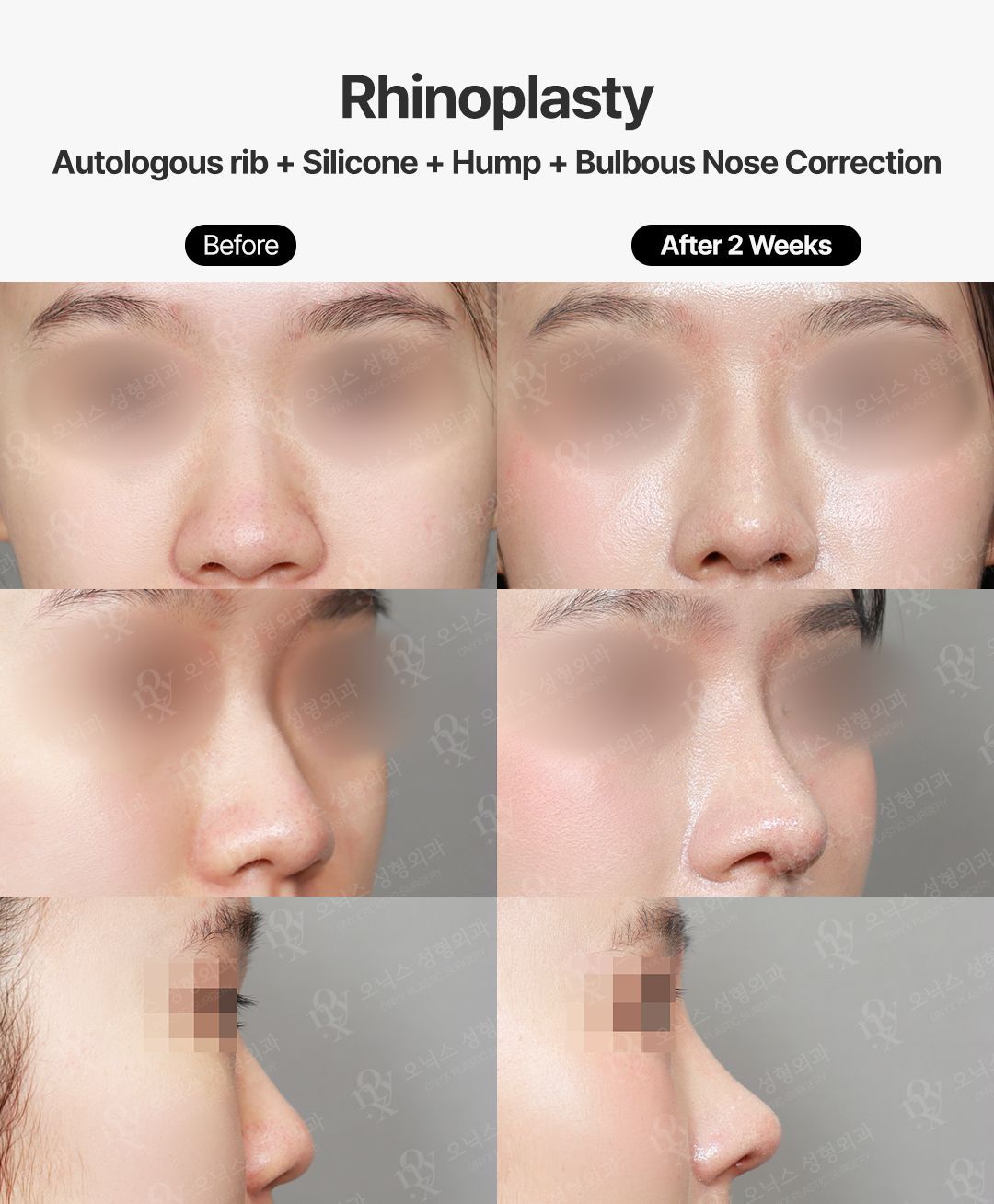
Selecting the best material for rhinoplasty is one of the most important decisions in surgical planning. There is no universal option that is ideal for every patient, as the choice depends on individual anatomy, cosmetic goals, functional needs, and the complexity of the procedure. Modern rhinoplasty emphasizes personalized treatment plans designed to achieve natural-looking, stable, and long-lasting results.
Common Materials Used in Rhinoplasty
Different materials serve different purposes depending on the surgical plan.
Common options include:
- Septal cartilage
- Ear cartilage
- Rib cartilage
- Silicone implants
- Gore-Tex implants
- Native nasal cartilage
- Combined graft techniques
Each option has its own characteristics and potential applications.
Autologous Cartilage
Using the patient's own cartilage is a common approach in both cosmetic and reconstructive rhinoplasty.
Potential advantages include:
- Natural biological tissue
- Personalized reconstruction
- Structural support
- Flexible shaping
- Long-term stability
- Functional applications
- Versatile surgical use
The availability of cartilage depends on the individual patient.
Silicone Implants
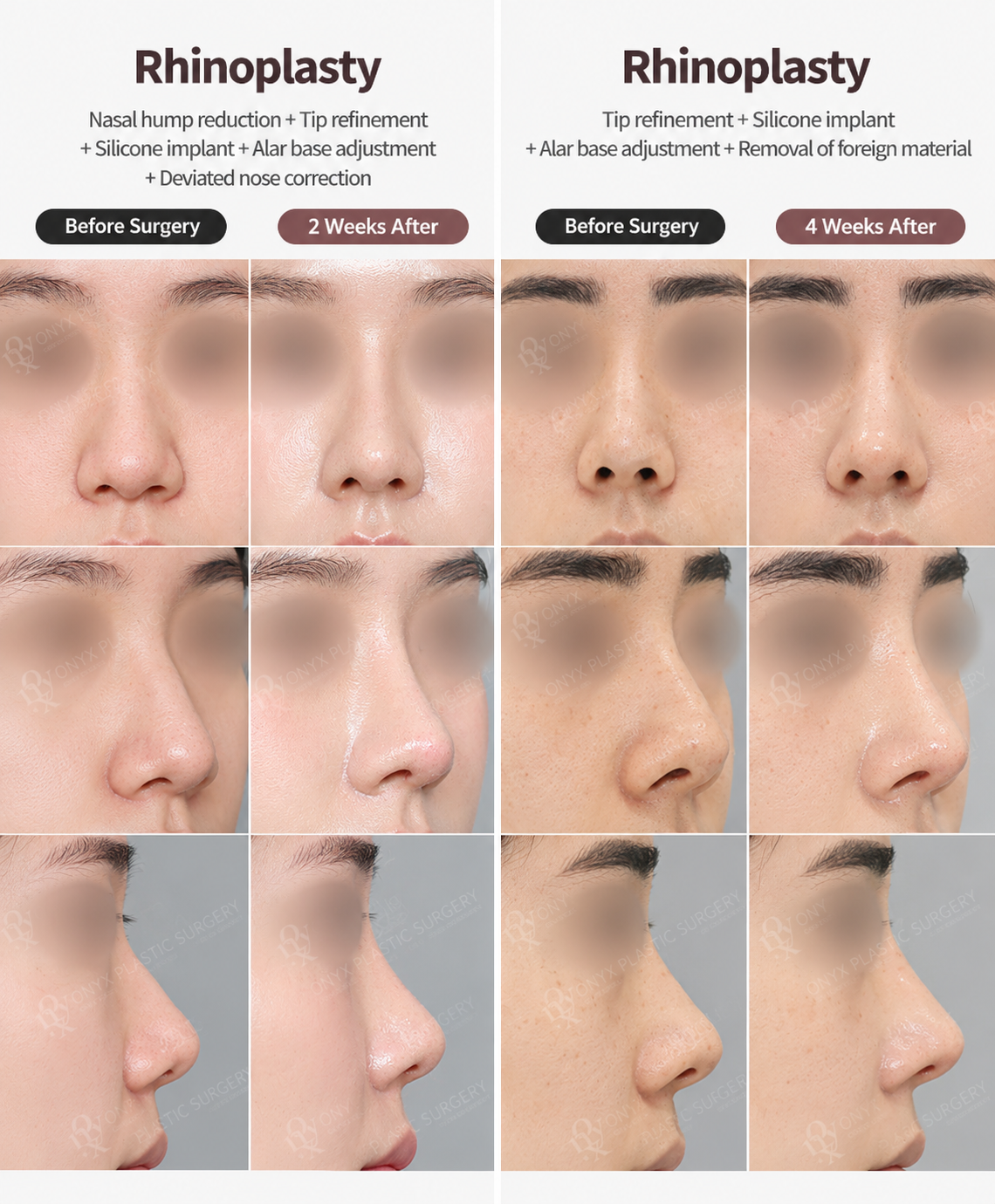
Silicone implants are widely used for bridge augmentation in many rhinoplasty procedures.
Potential characteristics include:
- Consistent shape
- Bridge enhancement
- Profile improvement
- Structural definition
- Customizable sizing
- Long-term placement
- Established clinical use
Suitability should be evaluated on an individual basis.
Gore-Tex Implants
Gore-Tex is another implant material that may be selected for certain patients.
Possible characteristics include:
- Soft texture
- Flexible contouring
- Porous structure
- Custom shaping
- Bridge augmentation
- Structural support
- Established surgical use
The choice depends on surgical goals and surgeon preference.
When Combination Techniques Are Used
Many modern rhinoplasty procedures use more than one material.
Examples include:
- Silicone with septal cartilage
- Silicone with ear cartilage
- Silicone with rib cartilage
- Gore-Tex with cartilage grafts
- Multiple cartilage grafts
- Structural reinforcement techniques
- Personalized hybrid reconstruction
Combination approaches can provide both cosmetic enhancement and structural stability.
Factors That Influence Material Selection
Several considerations help determine the most appropriate option.
These include:
- Skin thickness
- Nasal anatomy
- Cartilage availability
- Functional concerns
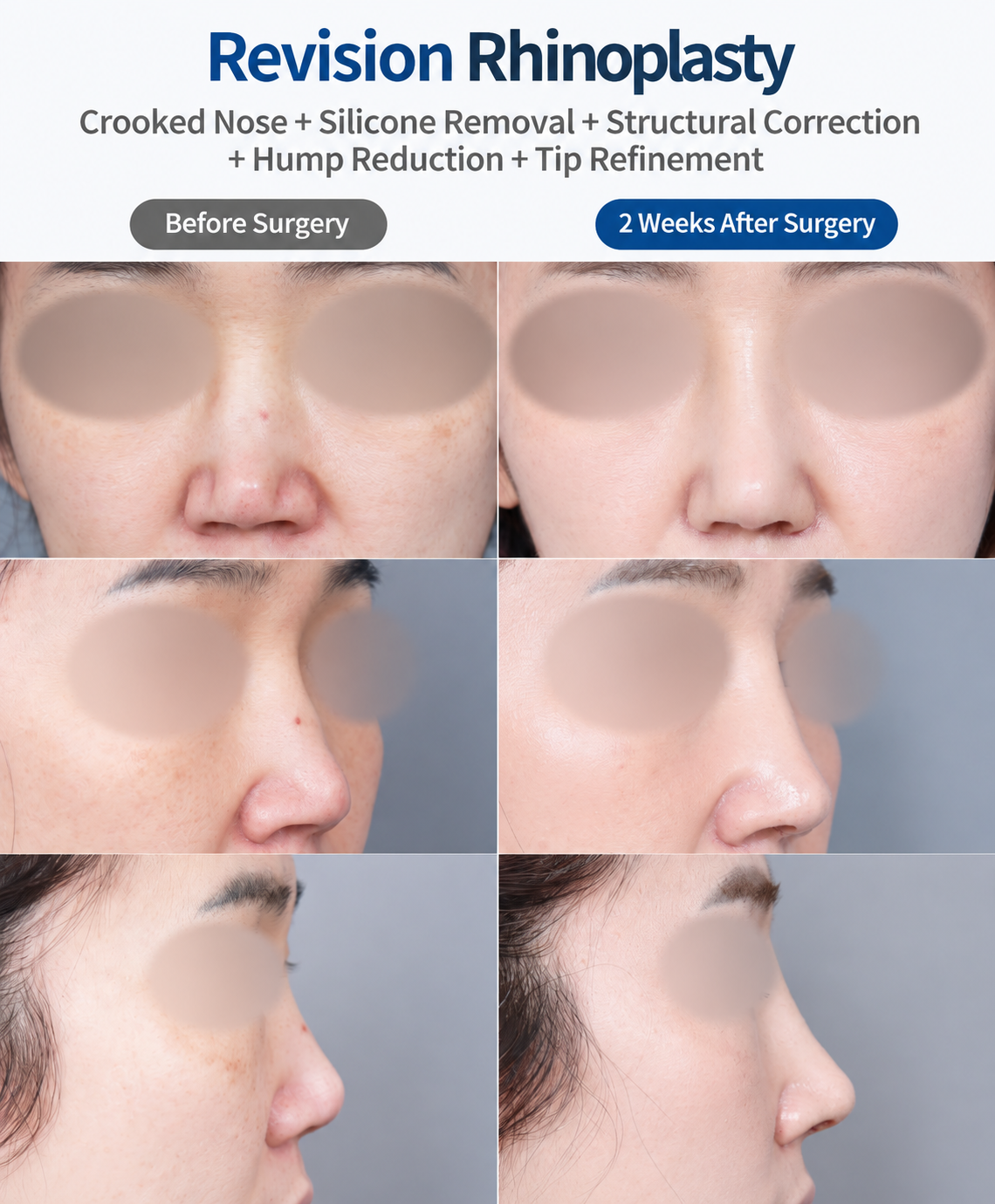
- Previous surgery
- Cosmetic goals
- Long-term treatment planning
Every patient requires an individualized assessment.
Questions to Ask Your Surgeon
During your consultation, consider asking:
- Which material is recommended for my case?
- Why is this option appropriate?
- Are alternative materials available?
- Will cartilage harvesting be necessary?
- What are the expected long-term results?
- What are the potential risks?
- How could this affect future revision surgery?
Understanding the reasoning behind the recommendation can help you make an informed decision.
Balancing Appearance and Long-Term Stability
The ideal material should support both cosmetic and functional objectives.
Important priorities include:
- Natural-looking appearance
- Structural durability
- Facial harmony
- Functional preservation
- Personalized planning
- Long-term stability
- Realistic expectations
The best choice is one that aligns with your unique anatomy and goals rather than following a general trend.
Final Thoughts
Choosing the best rhinoplasty material requires careful evaluation of your anatomy, desired results, and long-term needs. Whether the procedure involves septal cartilage, ear cartilage, rib cartilage, silicone, Gore-Tex, or a combination of techniques, individualized planning is the key to achieving balanced, natural-looking, and durable outcomes. A thorough consultation with an experienced surgeon can help determine the most appropriate approach for your specific situation.