Functional Rhinoplasty Explained
Functional Rhinoplasty Explained
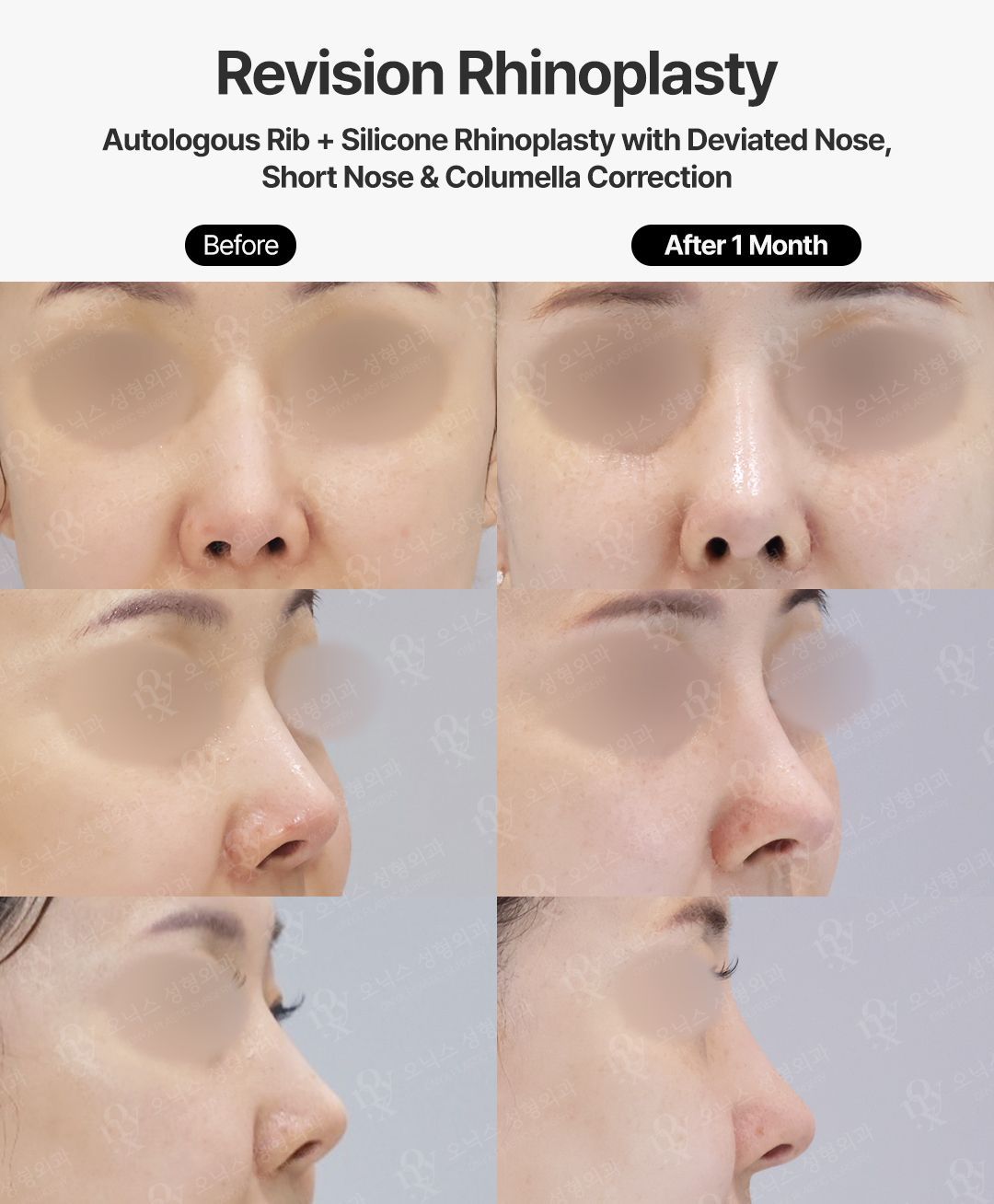
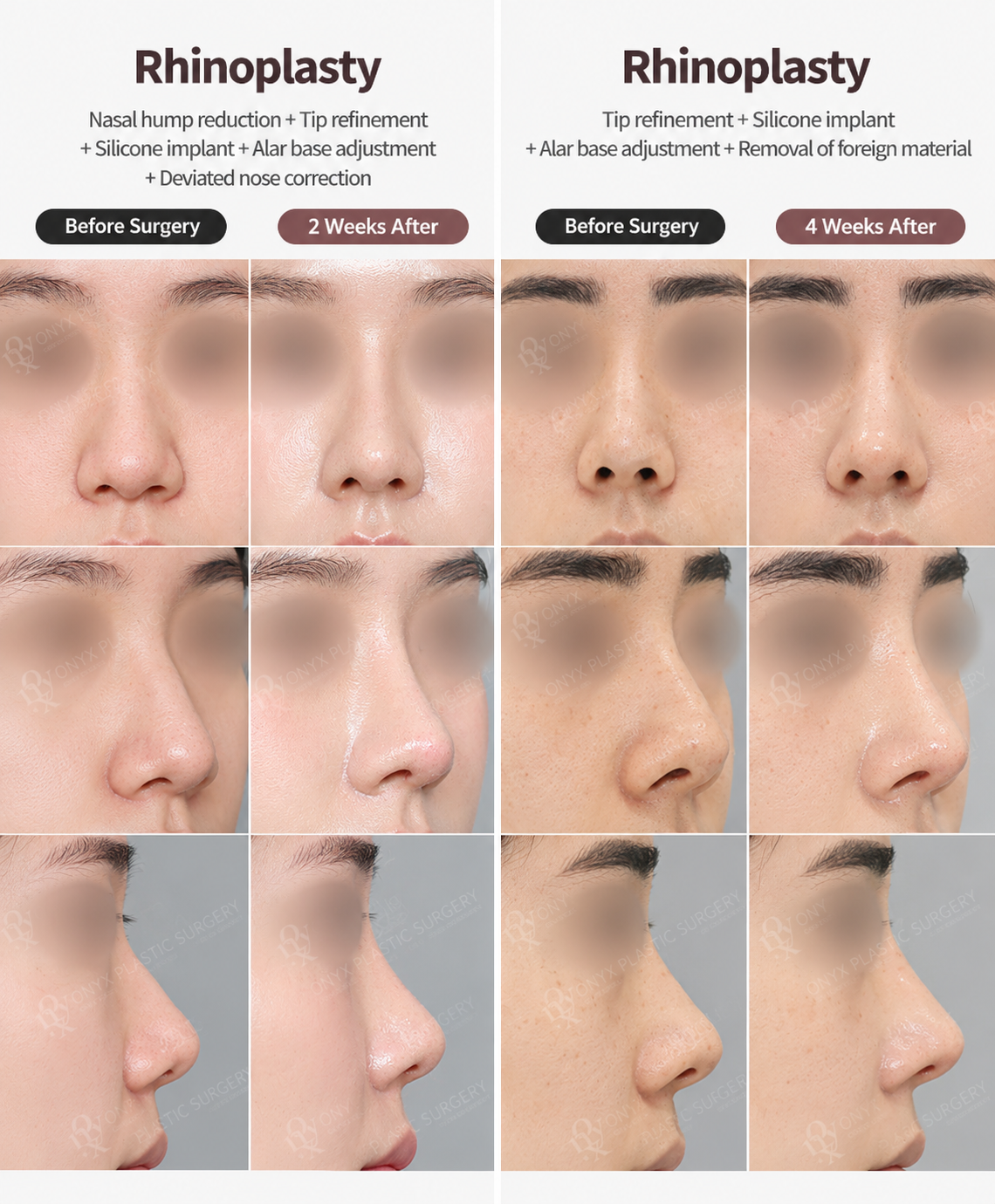
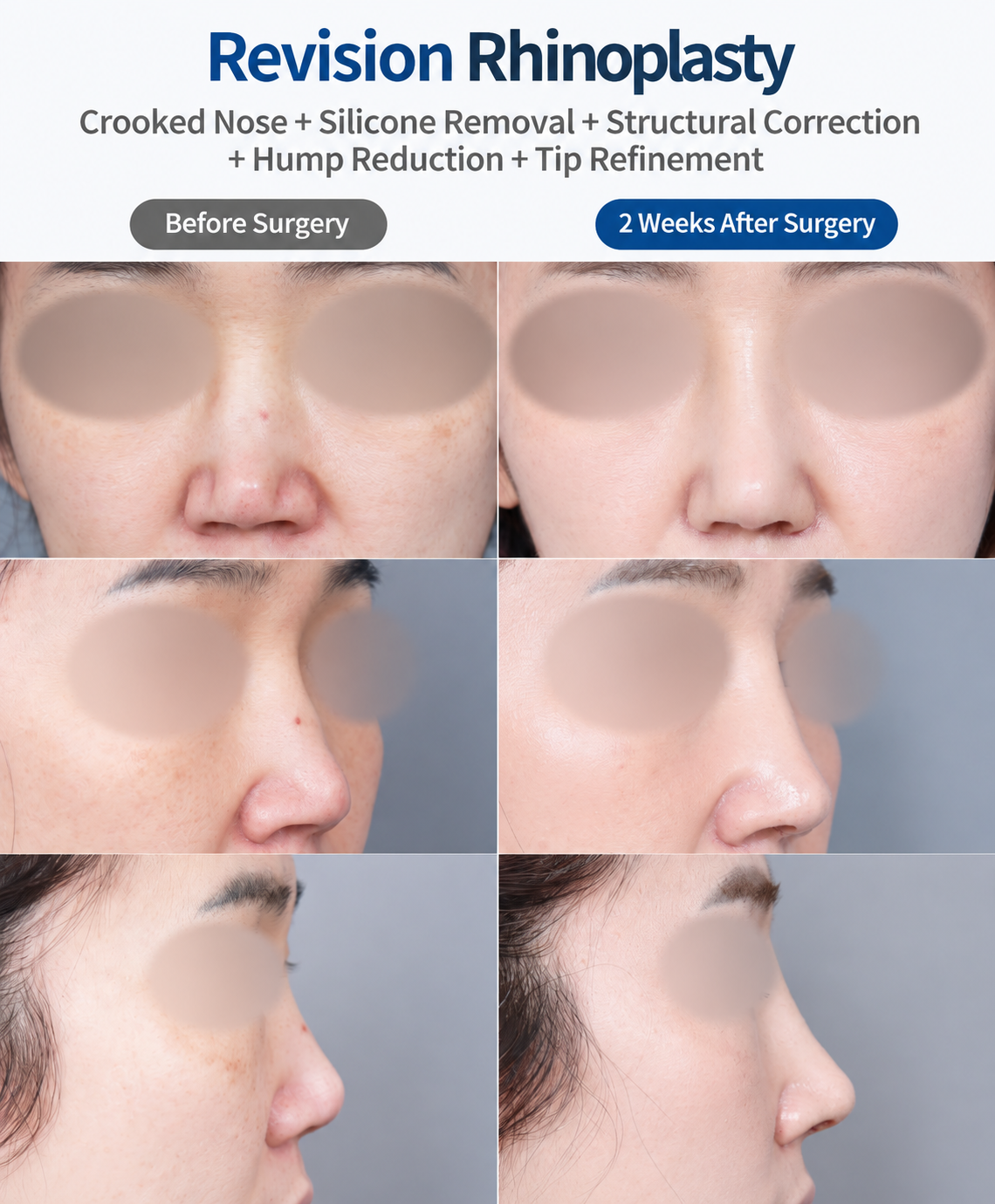
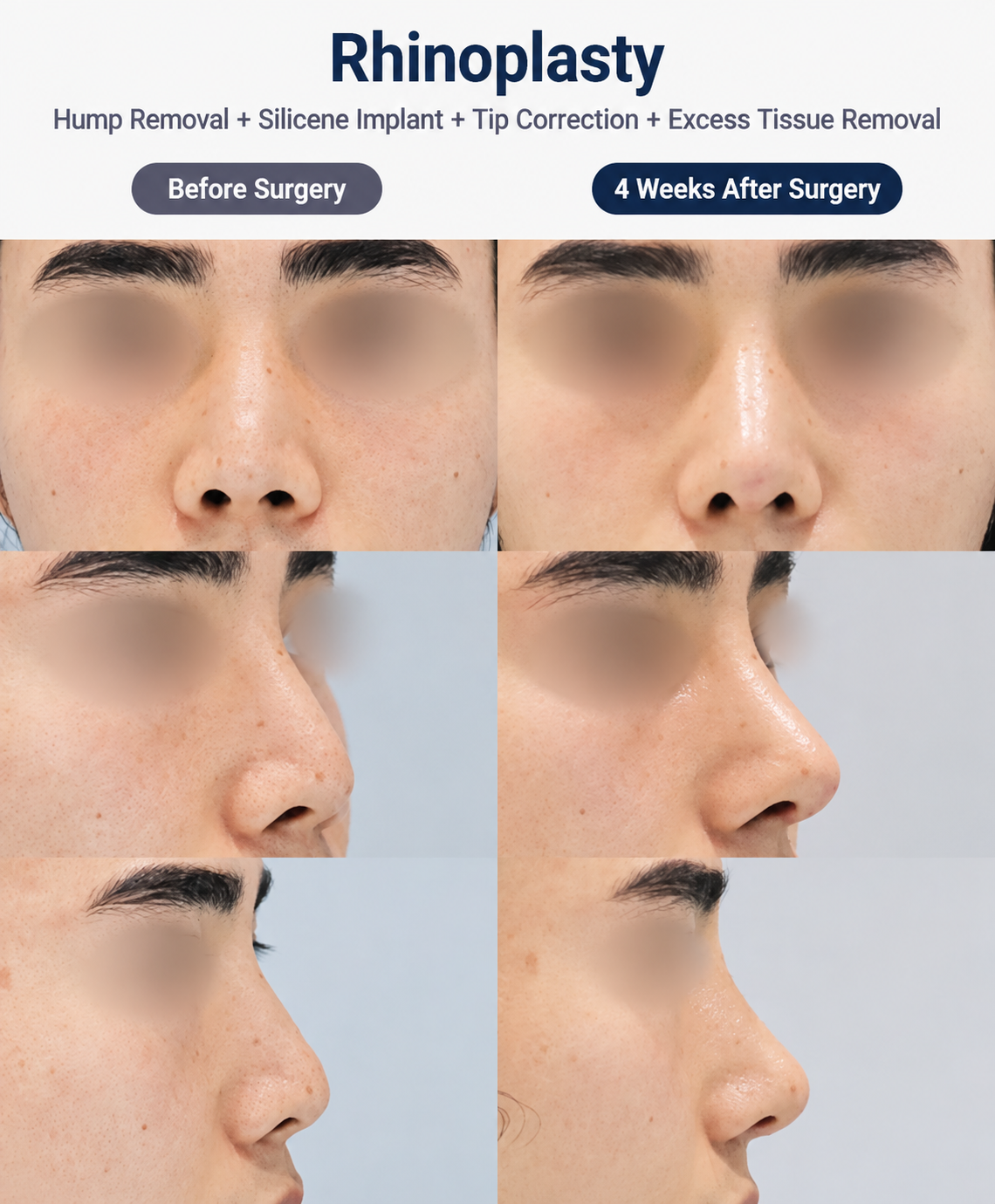
Functional rhinoplasty is a surgical procedure designed to improve the structure and function of the nose, particularly to enhance breathing and airflow. Unlike cosmetic rhinoplasty, which primarily focuses on appearance, functional rhinoplasty aims to correct structural problems that interfere with normal nasal function. In many cases, cosmetic and functional improvements can be performed together as part of a personalized treatment plan.
What Is Functional Rhinoplasty?
The procedure addresses internal nasal structures that affect breathing and stability.
Common goals include:
- Improved airflow
- Better nasal function
- Structural reinforcement
- Enhanced breathing
- Internal support
- Long-term stability
- Preservation of nasal anatomy
The exact approach depends on the patient's condition and symptoms.
Who May Benefit From Functional Rhinoplasty?
The procedure may be appropriate for patients experiencing structural or breathing-related concerns.
Common indications include:
- Chronic nasal obstruction
- Difficulty breathing through the nose
- Internal nasal valve collapse
- External nasal valve weakness
- Septal deviation
- Previous nasal trauma
- Breathing problems after prior rhinoplasty
A thorough medical evaluation is necessary to determine the underlying cause.
Common Conditions Treated
Functional rhinoplasty can address a variety of anatomical problems.
These may include:
- Deviated septum
- Nasal valve collapse
- Structural weakness
- Traumatic deformities
- Congenital abnormalities
- Internal support deficiencies
- Airway narrowing
Treatment is customized to each patient's anatomy.
Common Surgical Techniques
Multiple reconstructive methods may be used during surgery.
Possible techniques include:
- Structural rhinoplasty
- Septal reconstruction
- Cartilage grafting
- Spreader graft placement
- Tip support techniques
- Nasal valve repair
- Functional reconstruction
The specific combination depends on the surgical goals.
The Role of Cartilage Grafts
Cartilage grafts often provide additional support and improve long-term stability.
Common sources include:
- Septal cartilage
- Ear cartilage
- Rib cartilage
They may be used for:
- Structural reinforcement
- Valve support
- Tip support
- Airway improvement
- Shape preservation
- Functional reconstruction
The graft source depends on availability and surgical complexity.
Can Functional and Cosmetic Rhinoplasty Be Combined?
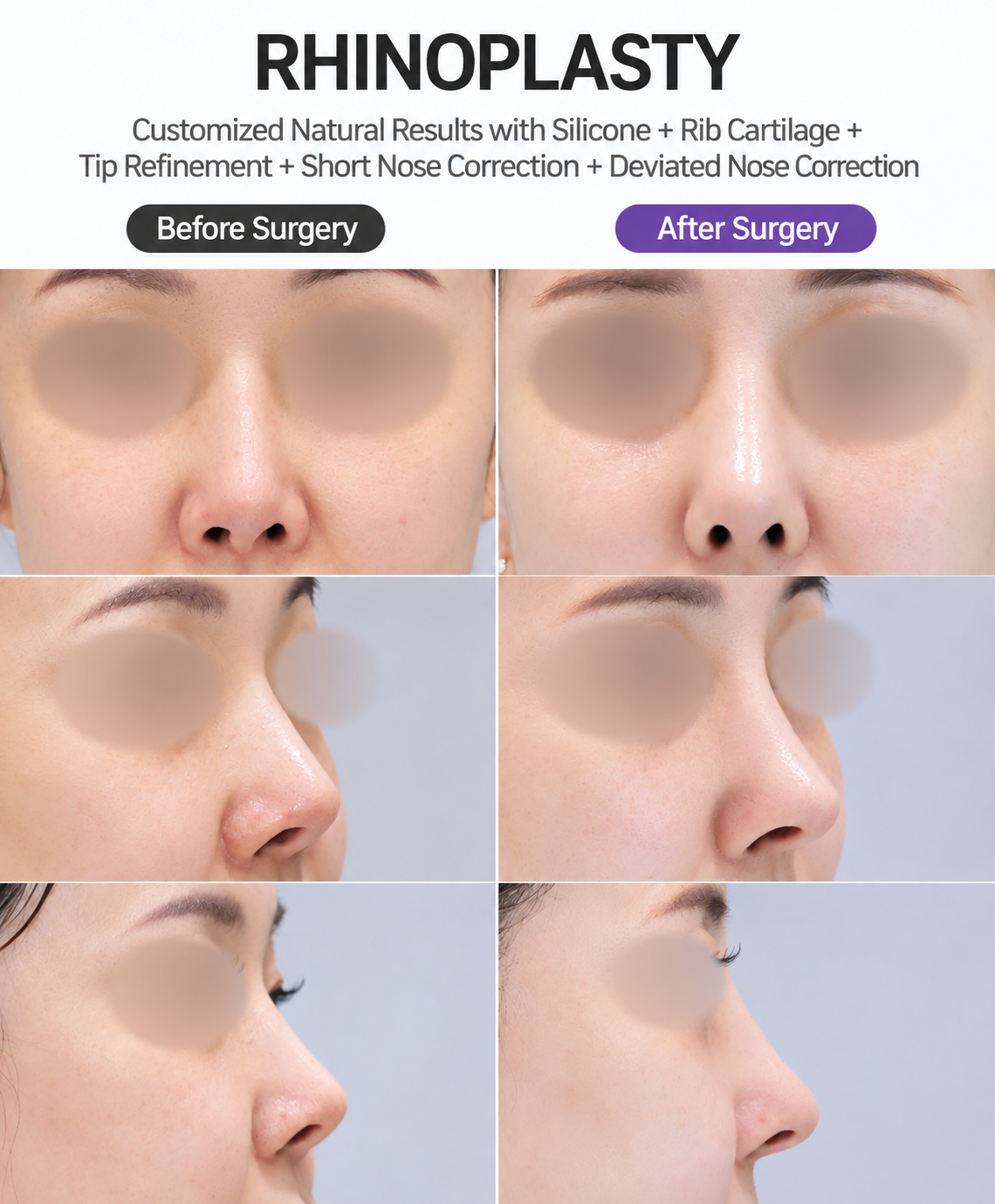
Yes, many patients choose to address both breathing concerns and appearance during the same procedure.
Combined goals may include:
- Better breathing
- Improved facial harmony
- Tip refinement
- Bridge reshaping
- Structural stability
- Balanced proportions
- Long-term functional support
A personalized treatment plan can address both objectives simultaneously.
Recovery Expectations
Recovery varies depending on the extent of reconstruction and any cosmetic procedures performed.
Patients commonly experience:
- Swelling
- Mild bruising
- Temporary congestion
- Nasal tenderness
- Progressive healing
- Gradual improvement in breathing
- Continued refinement over several months
Healing timelines differ among individuals.
Questions to Ask During Your Consultation
Before surgery, consider discussing:
- The cause of your breathing difficulties
- Recommended surgical techniques
- Whether cartilage grafts are needed
- Potential cosmetic changes
- Recovery timeline
- Expected functional improvements
- Long-term follow-up care
A detailed consultation helps establish realistic expectations and an individualized treatment plan.
Final Thoughts
Functional rhinoplasty is designed to restore or improve nasal breathing while preserving or enhancing structural stability. Whether performed alone or combined with cosmetic rhinoplasty, the procedure focuses on individualized planning and long-term function as well as appearance. With appropriate evaluation and surgical technique, patients can achieve meaningful improvements in both nasal airflow and overall facial balance.