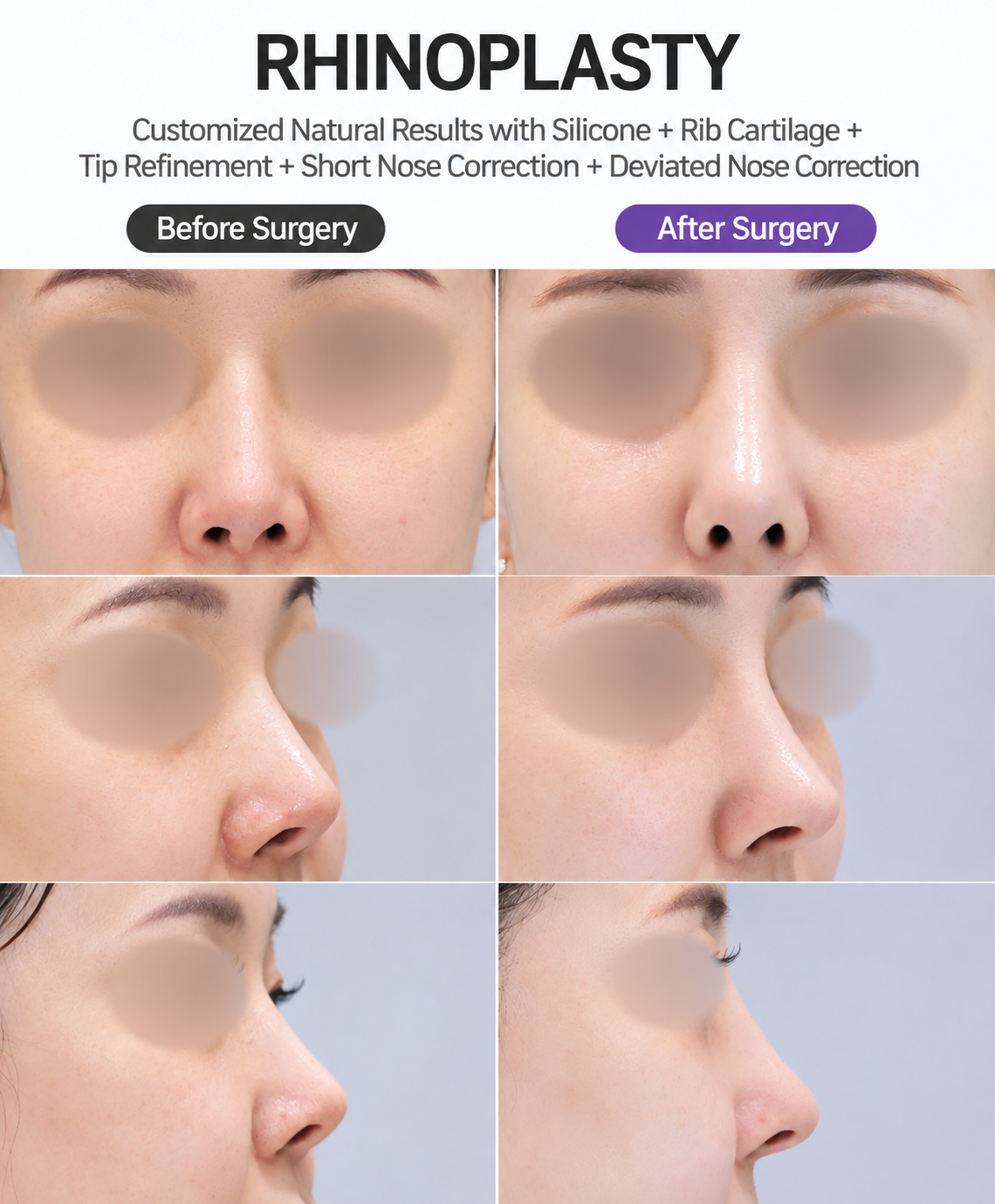
Can Rhinoplasty Improve Breathing?
Can Rhinoplasty Improve Breathing?
Yes, rhinoplasty can improve breathing in certain situations, but the outcome depends on the underlying cause of the problem. When breathing difficulties are related to structural abnormalities within the nose, surgical correction may help improve airflow and nasal function. Cosmetic rhinoplasty alone is not necessarily designed to address breathing issues, so a thorough evaluation is important before surgery.
How Breathing Problems Develop
Nasal obstruction can result from a variety of structural conditions.
Common causes include:
- Deviated septum
- Nasal valve collapse
- Structural weakness
- Previous nasal injury
- Congenital abnormalities
- Scar tissue
- Prior nasal surgery
Identifying the exact cause is essential for choosing the appropriate treatment.
How Rhinoplasty Can Help
When structural problems are corrected, rhinoplasty may improve nasal airflow.
Potential improvements include:
- Better breathing
- Improved airflow
- Enhanced nasal support
- Stronger internal structure
- Better functional balance
- Increased comfort
- Long-term stability
The extent of improvement varies between patients.
Functional Rhinoplasty vs Cosmetic Rhinoplasty
Although the two procedures may overlap, they have different primary goals.
Functional rhinoplasty focuses on:
- Airway improvement
- Structural support
- Nasal valve repair
- Septal correction
- Better breathing
- Functional stability
- Internal reconstruction
Cosmetic rhinoplasty primarily focuses on improving appearance, though it can be combined with functional corrections.
Common Techniques Used to Improve Breathing
Depending on the diagnosis, surgeons may perform techniques such as:
- Septal reconstruction
- Nasal valve repair
- Structural rhinoplasty
- Cartilage grafting
- Spreader graft placement
- Tip support procedures
- Airway reinforcement
The surgical plan is tailored to each patient's anatomy.
The Role of Cartilage Grafts
Cartilage grafts are often used to strengthen and stabilize the nose.
Common sources include:
- Septal cartilage
- Ear cartilage
- Rib cartilage
These grafts may provide:
- Internal support
- Improved airflow
- Structural reinforcement
- Valve stabilization
- Tip support
- Long-term durability
The graft source depends on the complexity of the procedure.
Who May Benefit?
Patients experiencing structural breathing problems may be candidates for functional correction.
Possible candidates include those with:
- Chronic nasal obstruction
- Difficulty breathing through the nose
- Previous nasal trauma
- Nasal valve collapse
- Deviated septum
- Breathing issues after rhinoplasty
- Congenital structural concerns
A comprehensive examination is necessary to determine suitability.
Recovery Expectations
Recovery varies according to the extent of surgery and individual healing.
Patients may experience:
- Temporary congestion
- Swelling
- Mild bruising
- Nasal tenderness
- Progressive healing
- Gradual breathing improvement
- Continued recovery over several months
Final functional and cosmetic results may take time to fully develop.
Questions to Ask During Your Consultation
Before surgery, consider discussing:
- What is causing my breathing problem?
- Can rhinoplasty improve it?
- Will septal correction be necessary?
- Are cartilage grafts recommended?
- What results can I realistically expect?
- What is the recovery timeline?
- How will breathing be monitored after surgery?
A detailed consultation can help create a personalized treatment plan based on your symptoms and goals.
Final Thoughts
Rhinoplasty can improve breathing when nasal obstruction is caused by structural problems that can be corrected surgically. By addressing issues such as septal deviation, nasal valve collapse, or weakened support structures, functional rhinoplasty may enhance airflow while also preserving or improving facial harmony. A thorough evaluation and individualized surgical plan are essential for achieving the best possible functional and aesthetic outcomes.