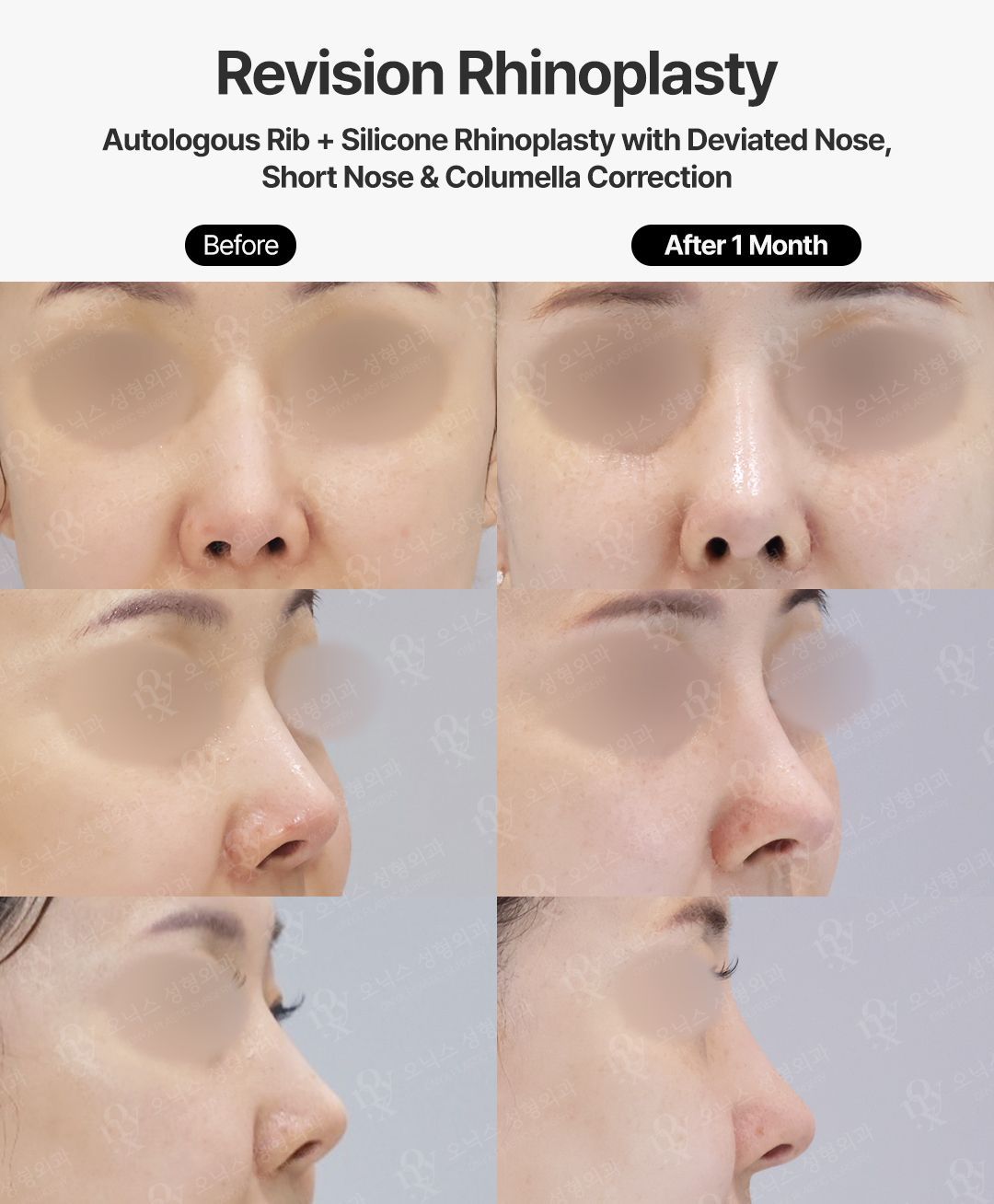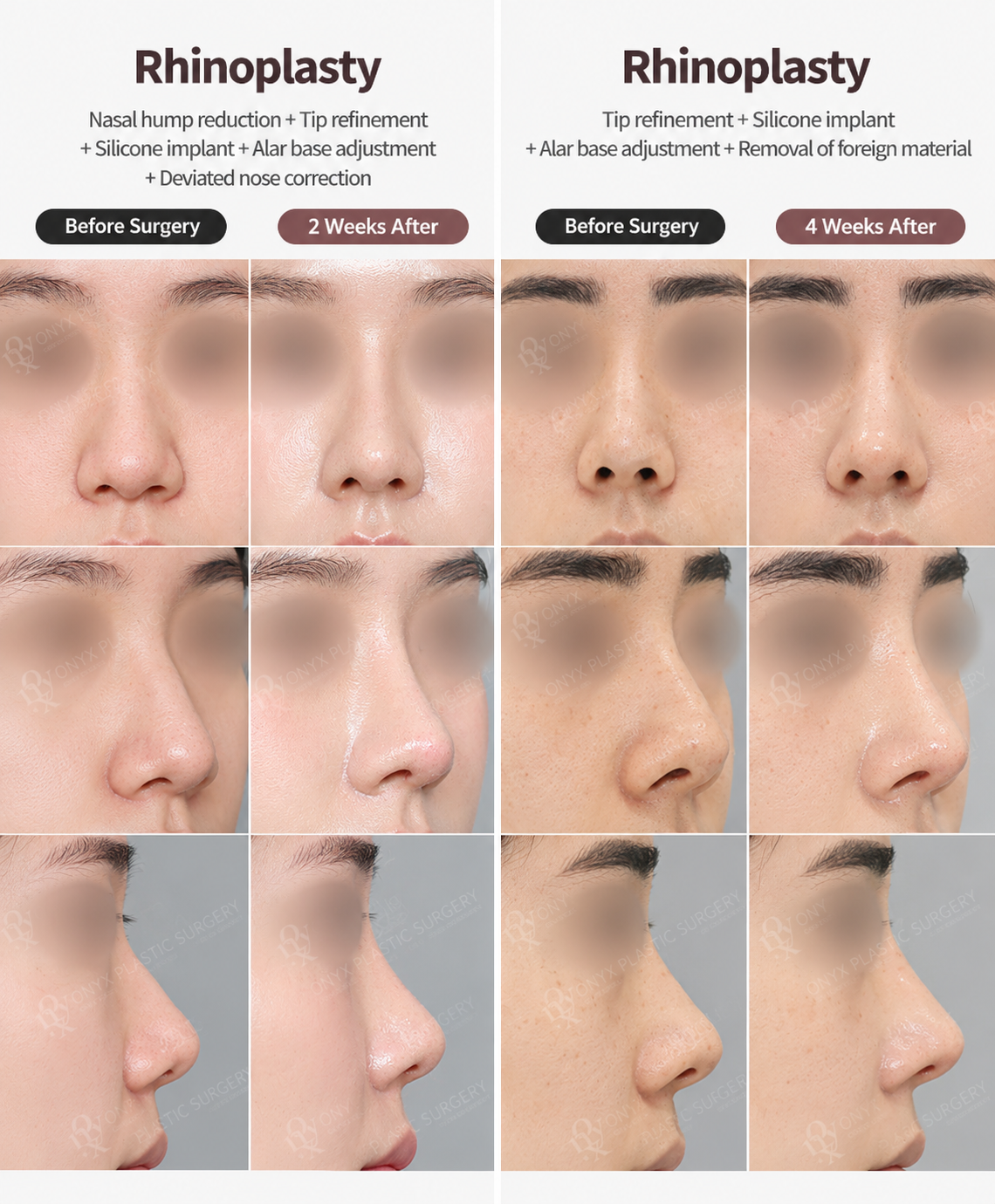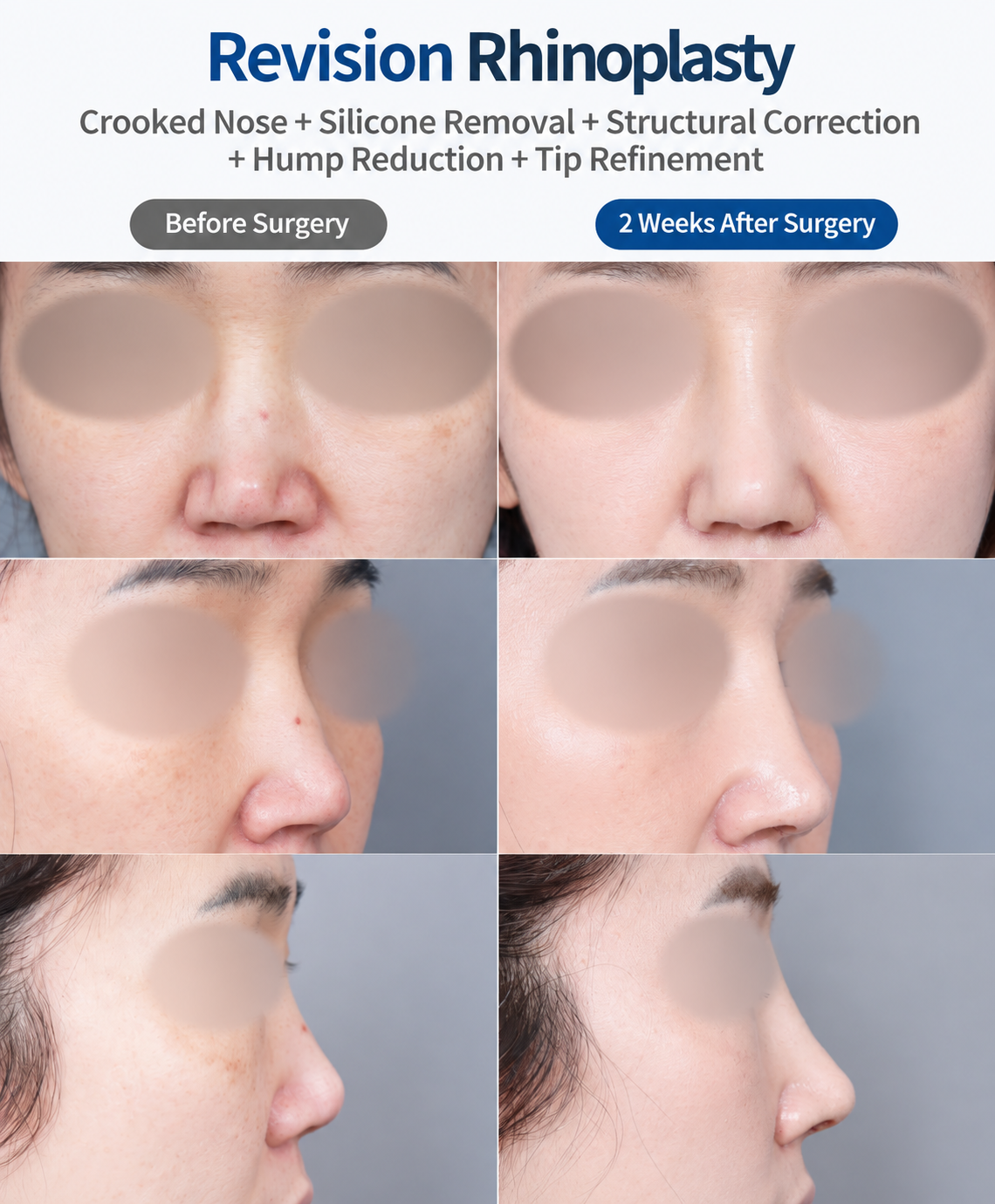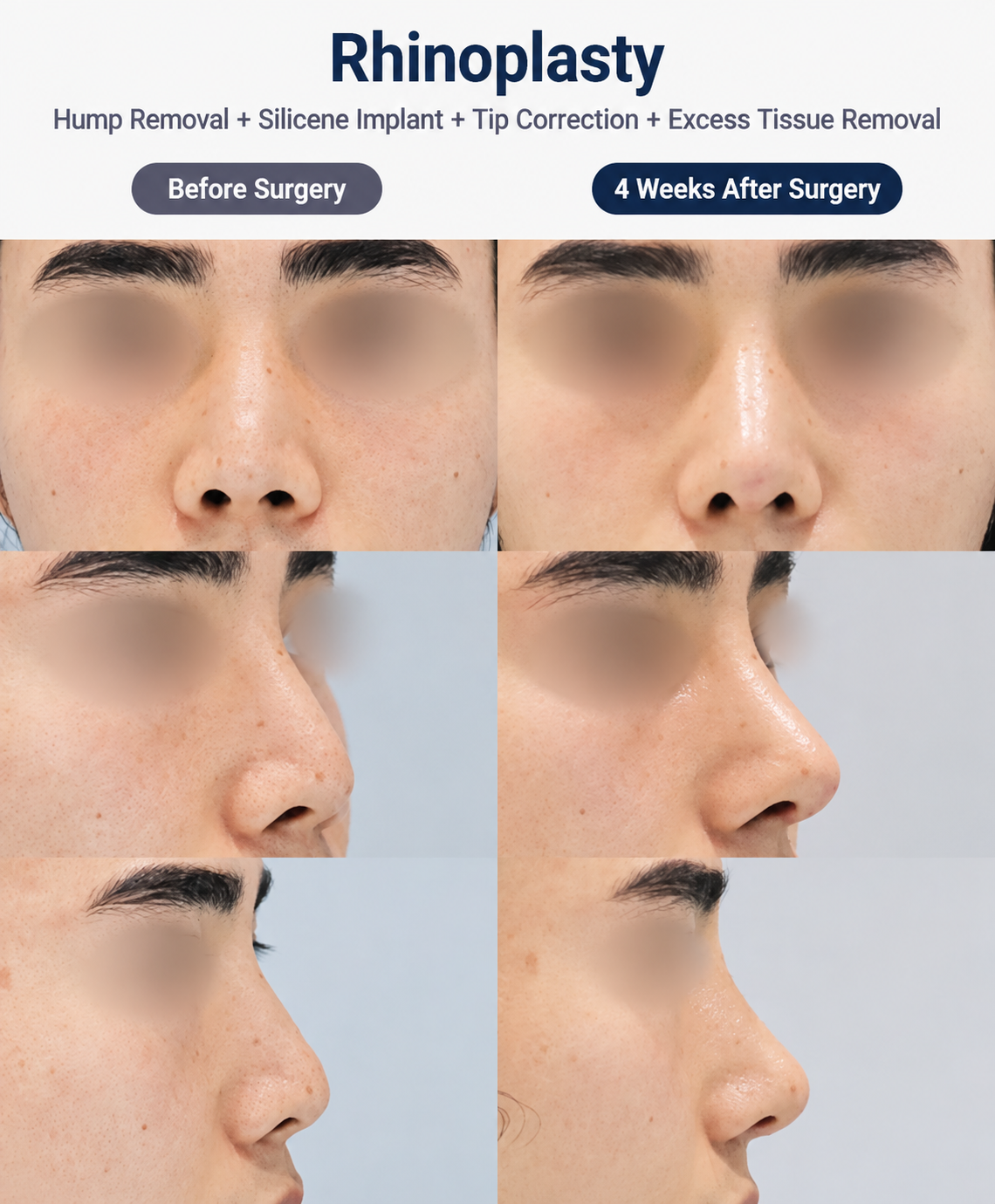
Deviated Septum Surgery in Korea
Deviated Septum Surgery in Korea
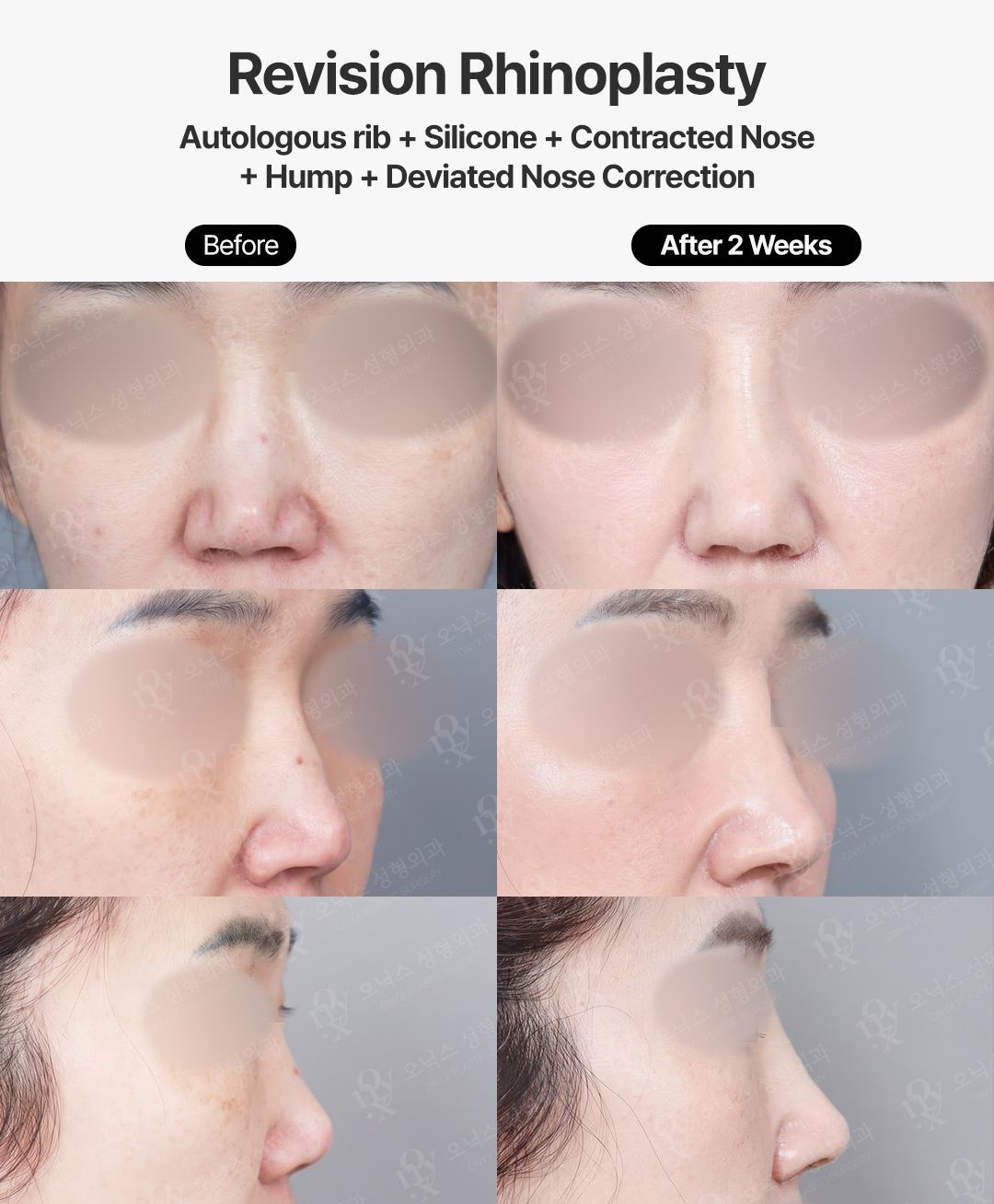
Deviated septum surgery, also known as septoplasty, is a procedure designed to straighten the nasal septum and improve airflow through the nose. In Korea, the surgery is commonly performed for patients with breathing difficulties, chronic nasal obstruction, or structural problems that affect both function and, in some cases, appearance. Depending on the patient's needs, septoplasty may also be combined with rhinoplasty for simultaneous functional and cosmetic improvement.
What Is a Deviated Septum?
A deviated septum occurs when the wall separating the nasal passages is significantly off-center.
Common symptoms may include:
- Difficulty breathing through the nose
- Chronic nasal congestion
- One-sided nasal blockage
- Frequent nosebleeds
- Mouth breathing
- Snoring
- Sleep-related breathing discomfort
The severity and symptoms vary from person to person.
Who May Benefit From Surgery?
Septoplasty may be recommended for patients with structural nasal obstruction.
Common indications include:
- Persistent breathing problems
- Significant septal deviation
- Chronic nasal blockage
- Recurrent sinus issues
- Sleep-related symptoms
- Nasal trauma
- Functional nasal concerns
A detailed examination helps determine whether surgery is appropriate.
Common Surgical Techniques
The exact procedure depends on the patient's anatomy and the extent of the deviation.
Possible techniques include:
- Septal straightening
- Cartilage reshaping
- Structural reinforcement
- Functional reconstruction
- Cartilage preservation
- Internal correction
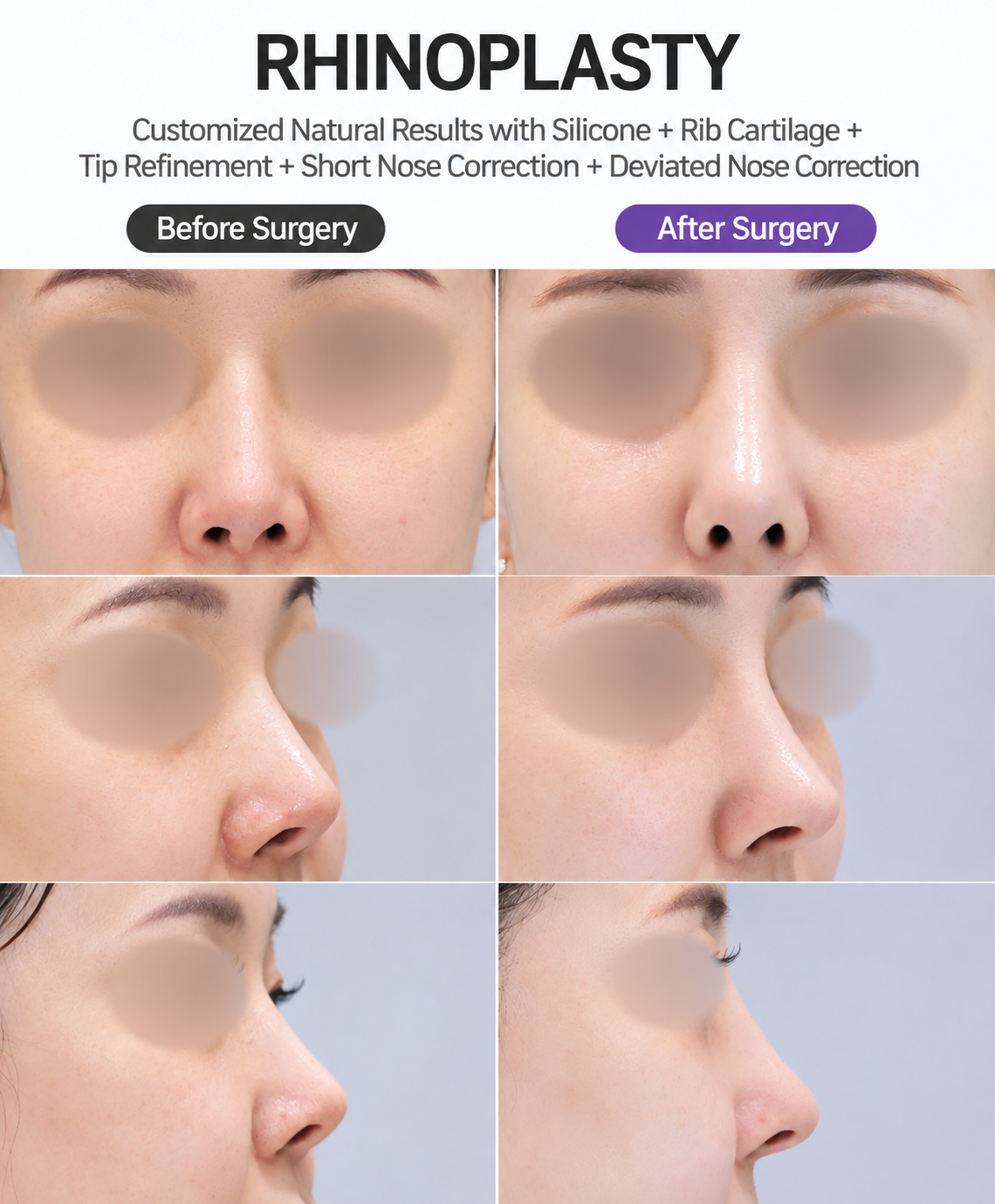
- Combined rhinoplasty when appropriate
The surgical plan is individualized for each patient.
Can Septoplasty Be Combined With Rhinoplasty?
Yes, many patients choose to combine functional and cosmetic procedures.
Potential combined goals include:
- Better breathing
- Straighter nasal structure
- Improved facial harmony
- Tip refinement
- Bridge reshaping
- Structural support
- Long-term stability
Combining procedures may reduce the need for multiple recovery periods.
Recovery Expectations
Recovery varies depending on the complexity of the surgery and whether cosmetic rhinoplasty is also performed.
Patients commonly experience:
- Temporary congestion
- Mild swelling
- Minor discomfort
- Internal healing
- Progressive breathing improvement
- Gradual recovery
- Continued healing over several months
Recovery timelines differ between individuals.
Potential Benefits
When performed for appropriate candidates, septoplasty may help improve both comfort and function.
Possible benefits include:
- Improved nasal airflow
- Easier breathing
- Better sleep quality
- Reduced nasal obstruction
- Improved structural support
- Enhanced quality of life
- Long-term functional improvement
Results depend on the underlying condition and individual healing.
Questions to Ask During Your Consultation
Before surgery, consider discussing:
- How severe is my septal deviation?
- Is septoplasty recommended for my symptoms?
- Should rhinoplasty be performed at the same time?
- What functional improvements can I expect?
- What is the expected recovery timeline?
- What are the potential risks?
- How will postoperative progress be monitored?
A thorough consultation helps establish realistic expectations and a personalized treatment plan.
Final Thoughts
Deviated septum surgery in Korea is commonly performed to improve nasal airflow and correct structural abnormalities that interfere with breathing. Whether performed alone or combined with rhinoplasty, septoplasty focuses on restoring function while maintaining long-term structural stability. With individualized planning and appropriate surgical care, many patients experience meaningful improvements in both breathing and overall quality of life.