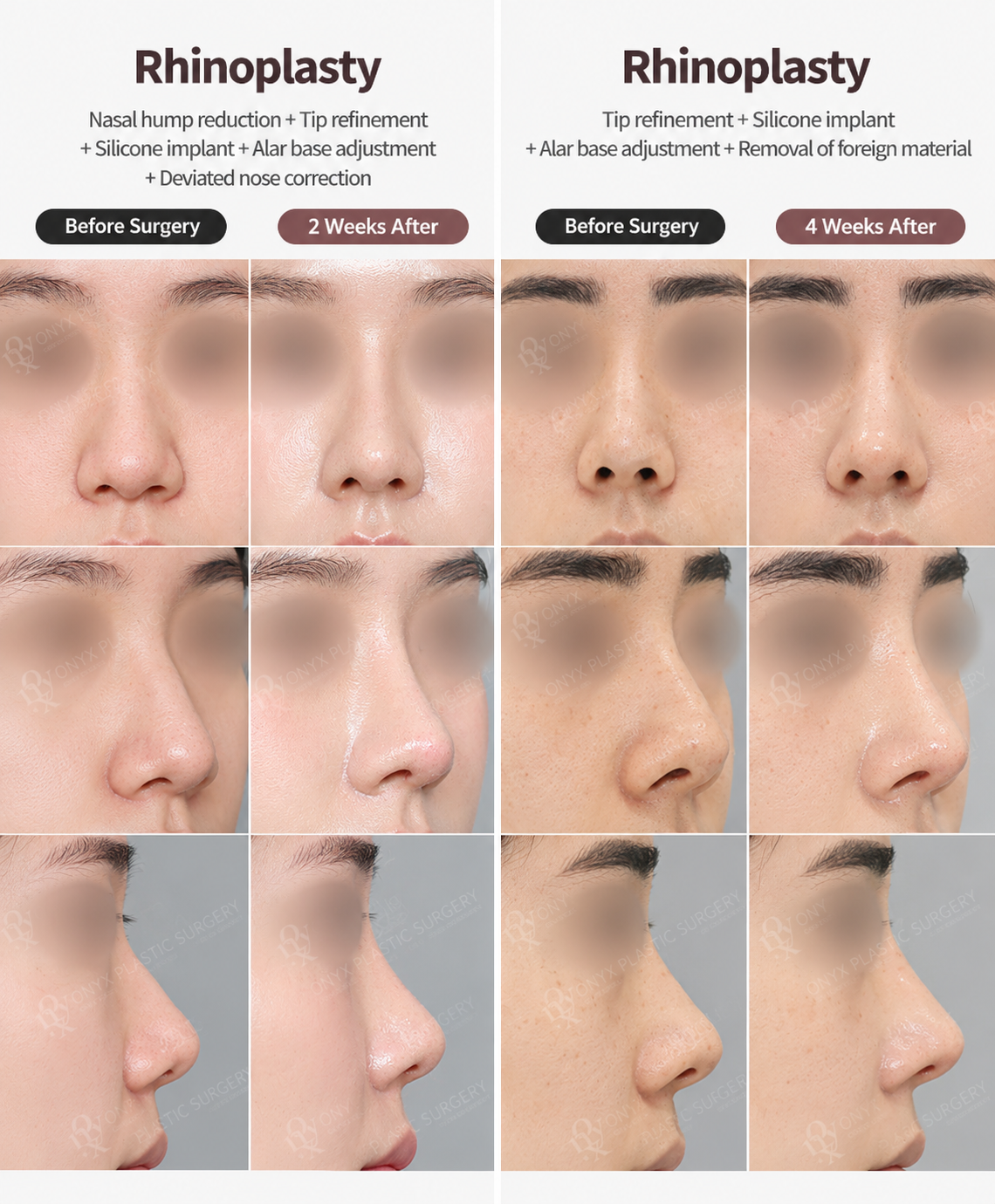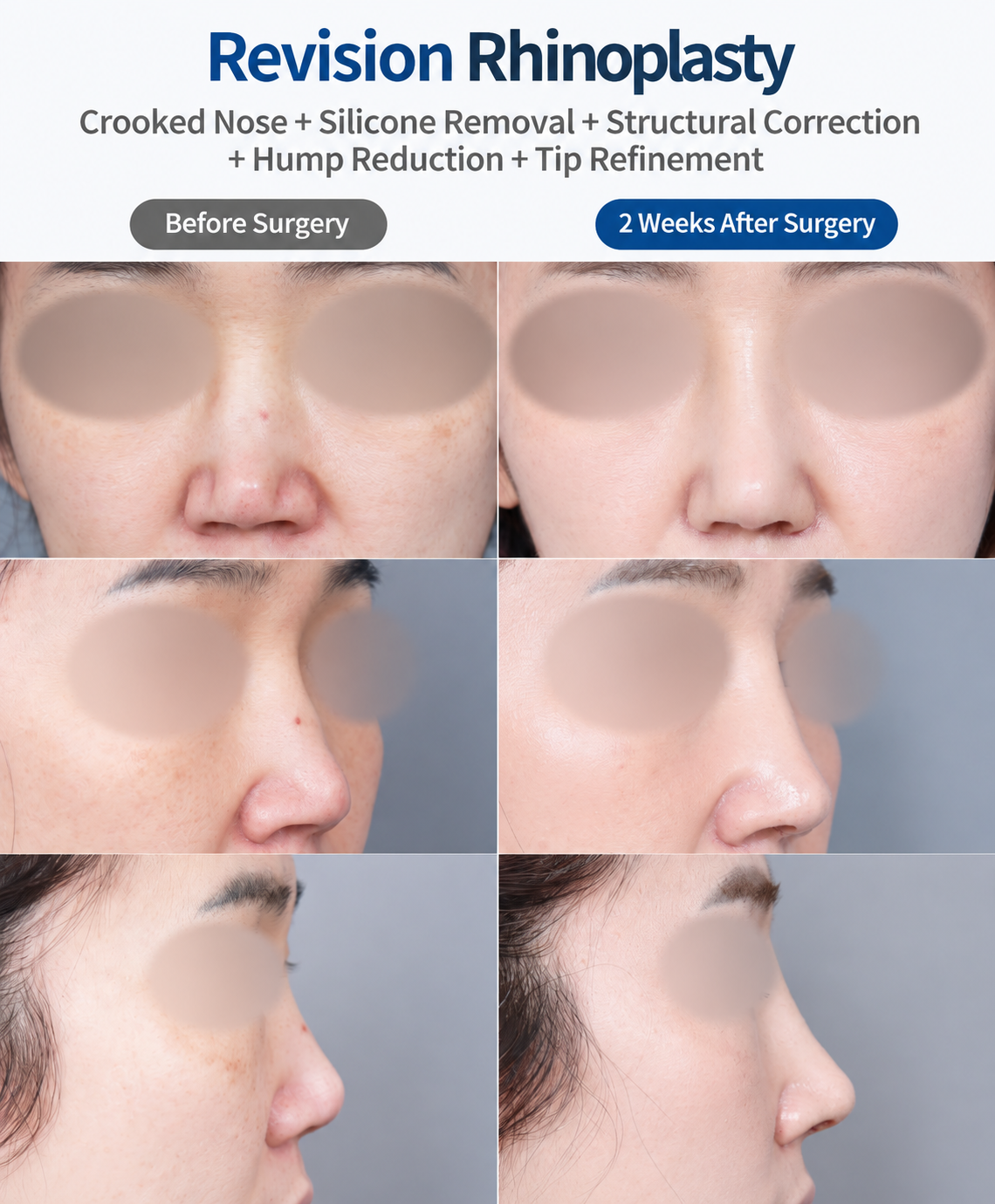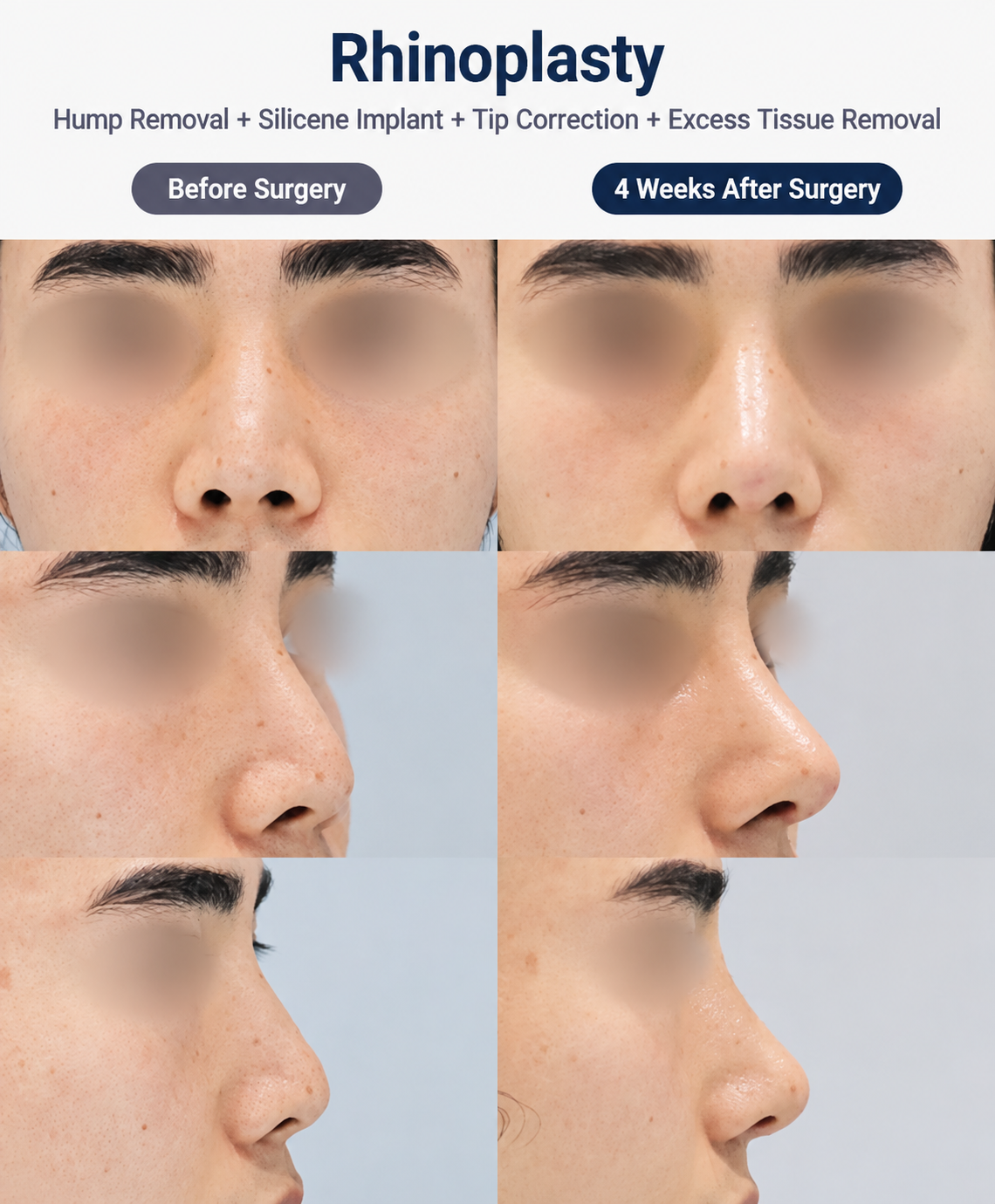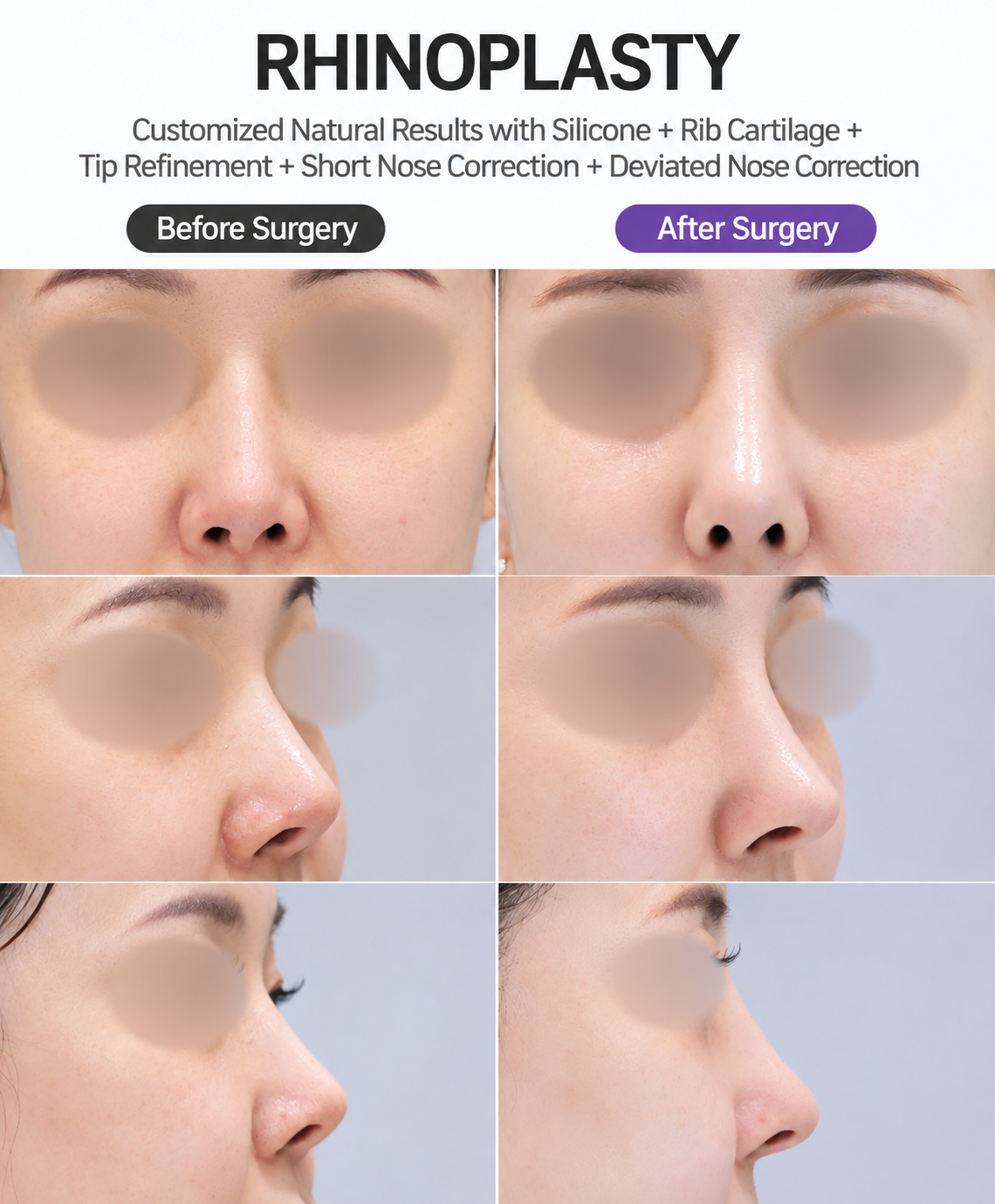
Rib Cartilage Rhinoplasty Korea
Rib Cartilage Rhinoplasty Korea
Rib cartilage rhinoplasty is a specialized technique used to provide strong structural support and long-lasting stability for the nose. In South Korea, it is commonly performed for patients who require significant augmentation, complex reconstruction, or revision surgery. Because rib cartilage comes from the patient's own body, it can offer a durable and versatile solution for cases where additional support is needed.
What Is Rib Cartilage Rhinoplasty?
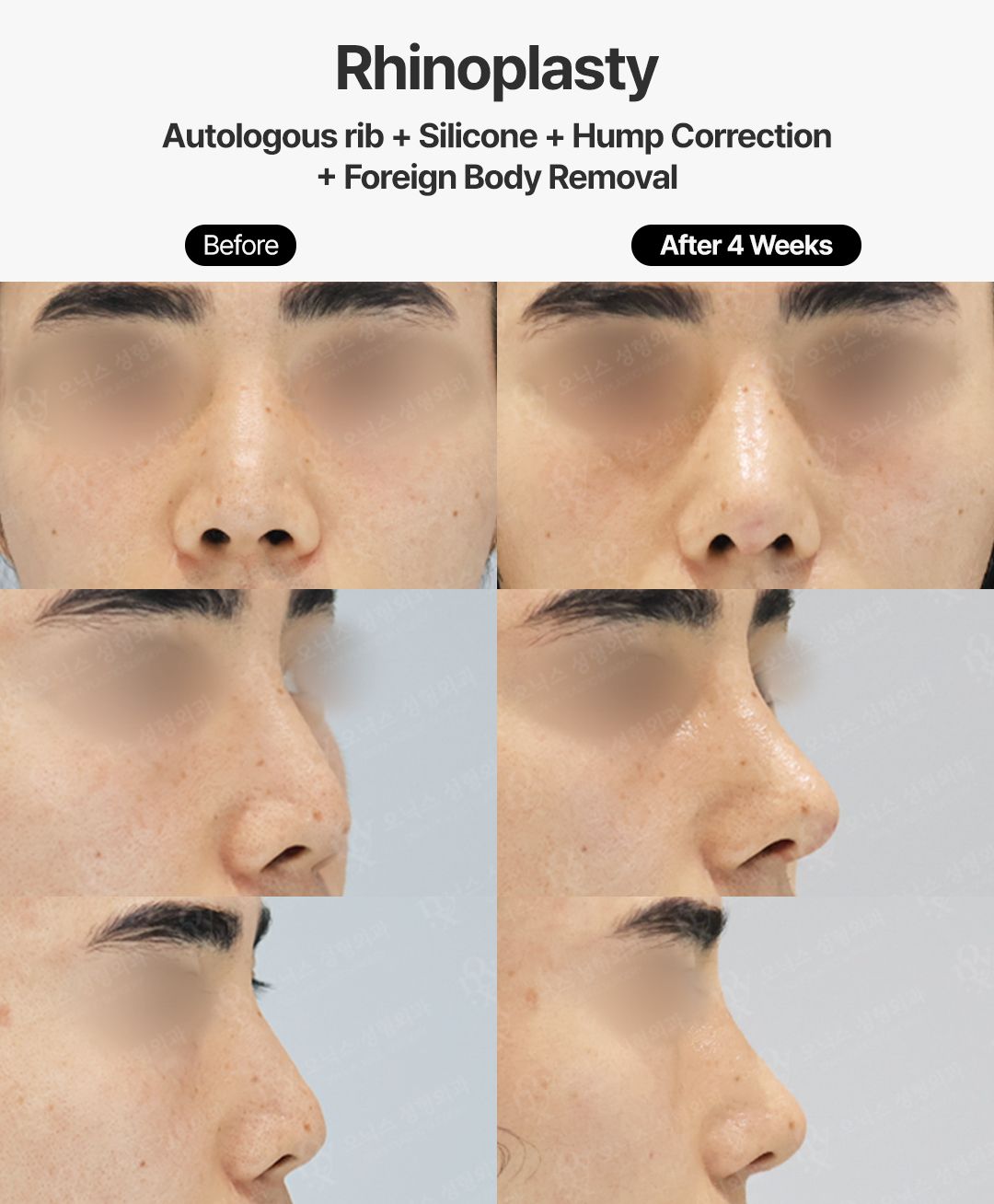
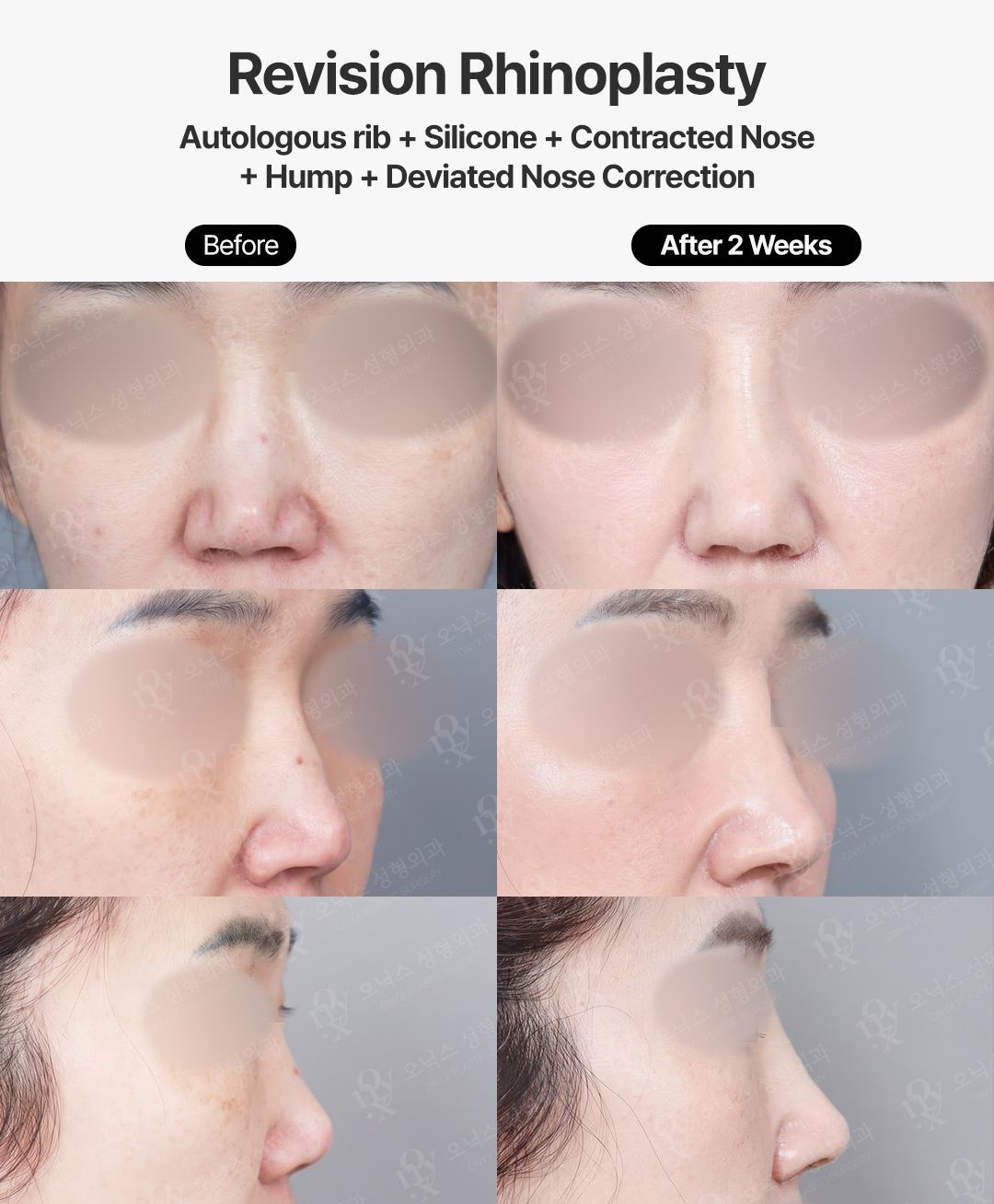
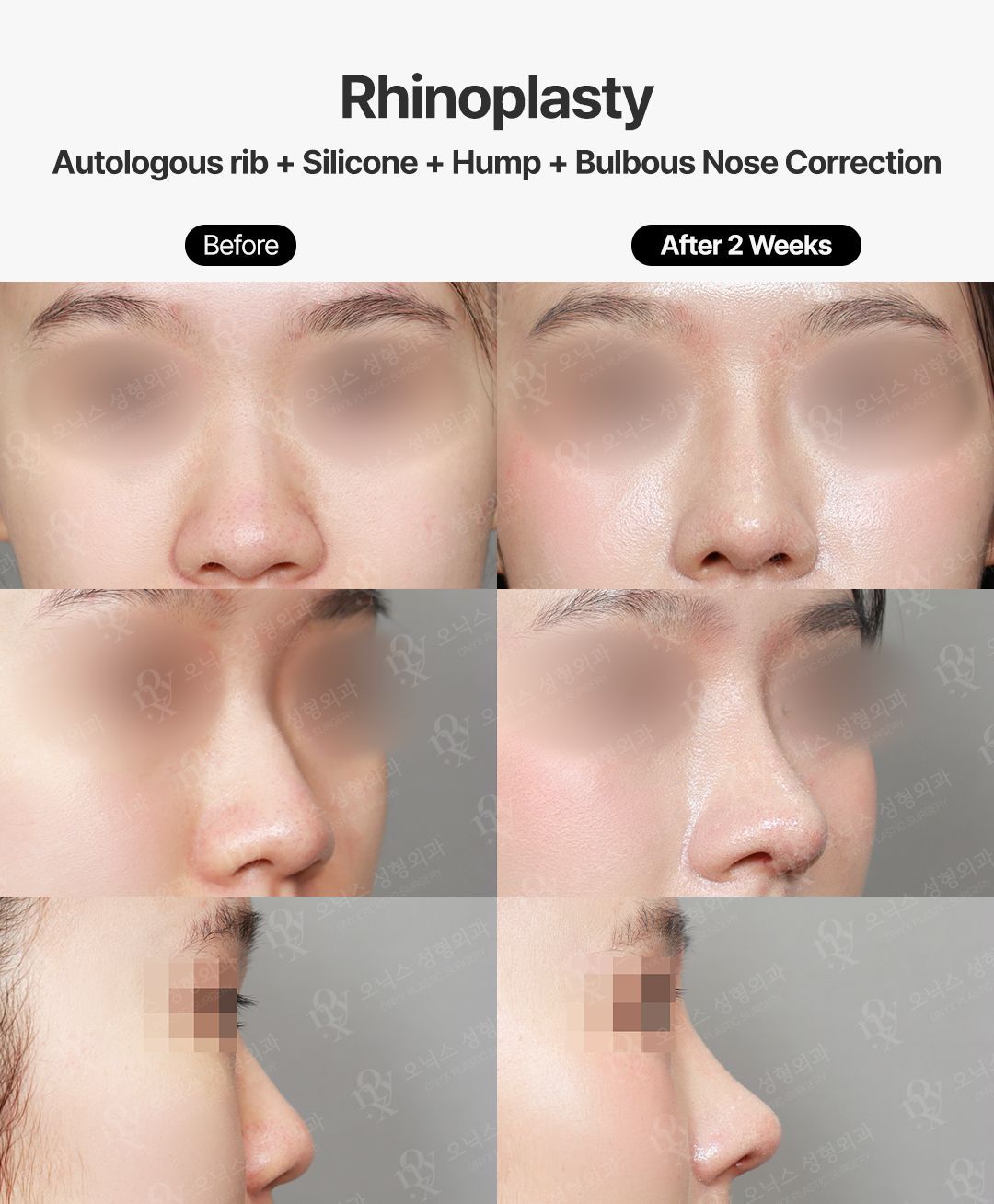
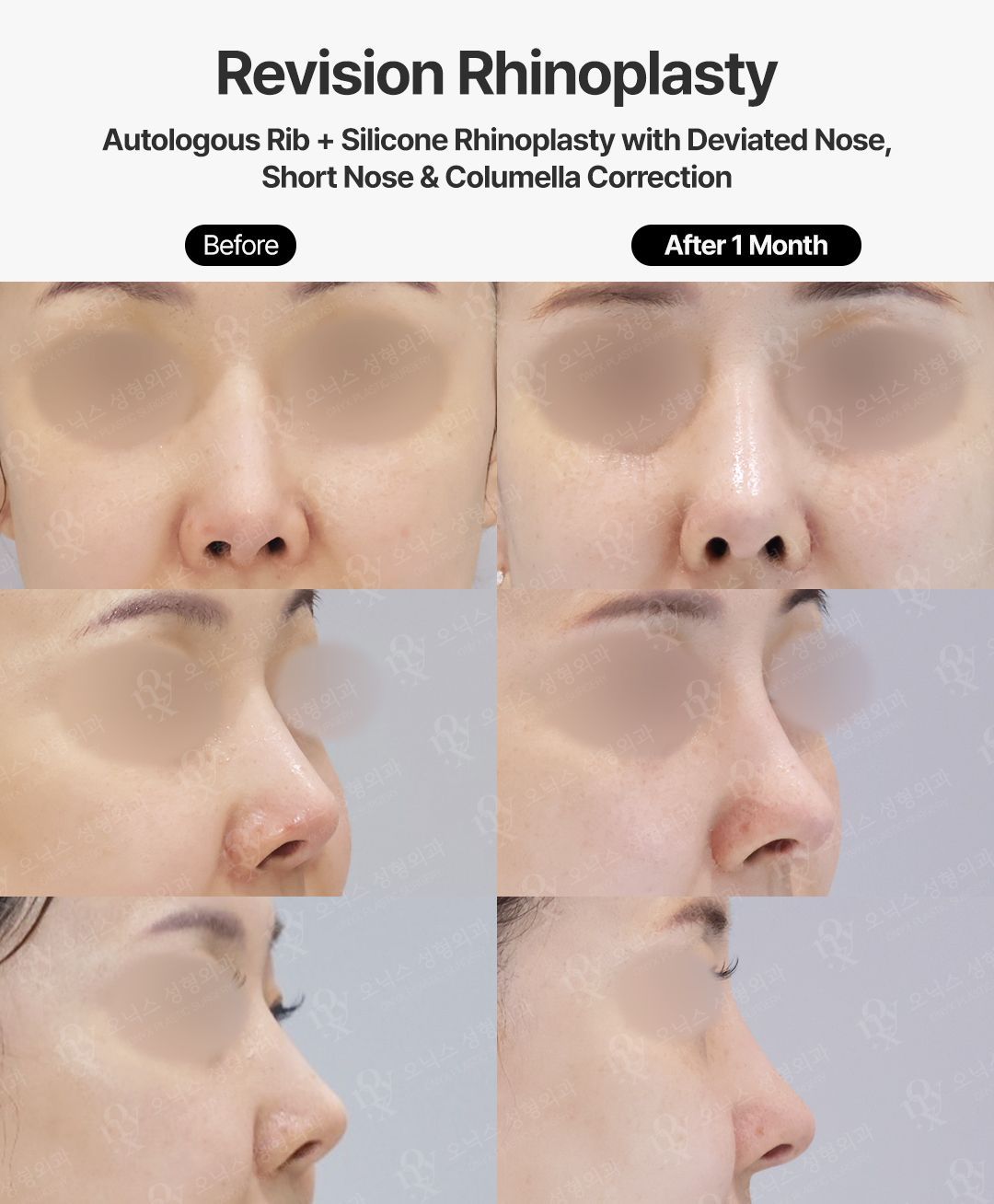
Rib cartilage rhinoplasty uses cartilage harvested from the patient's rib to reshape or reinforce the nose.
It may be used to:
- Increase bridge height
- Build stronger nasal support
- Improve tip projection
- Correct deformities
- Restore structural integrity
- Address previous surgical complications
- Create customized reconstruction
The surgical approach is tailored to each patient's anatomy and goals.
Why Is Rib Cartilage Used?
Rib cartilage provides a larger amount of material than many other graft sources.
Common reasons for choosing rib cartilage include:
- Significant structural support
- Large graft availability
- Complex reconstruction
- Revision rhinoplasty
- Severe asymmetry correction
- Better support for major changes
- Customized graft shaping
It is particularly useful when other cartilage sources are insufficient.
Who May Be a Good Candidate?
Not every patient requires rib cartilage.
Potential candidates include:
- Revision rhinoplasty patients
- Individuals with limited septal cartilage
- Patients seeking substantial bridge augmentation
- Those requiring major structural reconstruction
- Cases involving previous implant complications
- Patients with significant nasal deformities
- Individuals requiring stronger long-term support
A comprehensive consultation helps determine whether rib cartilage is appropriate.
Rib Cartilage vs Ear Cartilage
Both materials have important roles in rhinoplasty, but they serve different purposes.
Rib cartilage often offers:
- Greater structural strength
- Larger graft volume
- Better support for major reconstruction
- More versatility for complex cases
Ear cartilage may be preferred for:
- Smaller refinements
- Tip adjustments
- Minor structural support
- Softer contour modifications
The best option depends on the individual treatment plan.
The Surgical Process
Although techniques vary, the procedure generally includes several stages.
Typical steps include:
- Preoperative evaluation and planning
- Cartilage harvesting from the rib area
- Careful shaping of the graft
- Nasal reconstruction or augmentation
- Final structural stabilization
- Closure and postoperative monitoring
Every surgical plan is customized according to the patient's anatomy.
Recovery Timeline
Healing involves both the nose and the cartilage donor site.
General recovery may include:
- Week 1: swelling, bruising, and early healing
- Weeks 2–4: gradual improvement
- Months 2–3: continued refinement
- Months 4–6: improved definition
- Months 6–12: ongoing maturation
- Up to 18 months for complete refinement in some cases
Recovery experiences vary from patient to patient.
Typical Cost in Korea
Pricing depends on surgical complexity and reconstruction requirements.
General estimates include:
- Standard rib cartilage rhinoplasty: 5,000,000–9,000,000 KRW
- Complex structural reconstruction: 8,000,000–12,000,000 KRW
- Revision cases using rib cartilage: 10,000,000–15,000,000 KRW or more
Additional procedures or extensive reconstruction may increase overall costs.
Important Considerations Before Surgery
Patients should understand both the benefits and limitations of rib cartilage rhinoplasty.
Points to discuss during consultation include:
- Surgical goals
- Donor site healing
- Scar location
- Recovery expectations
- Long-term structural support
- Possible complications
- Alternative graft options
Clear communication helps establish realistic expectations before surgery.
Final Thoughts
Rib cartilage rhinoplasty in Korea is often chosen for patients who require substantial structural support, complex reconstruction, or revision surgery. With individualized planning and advanced surgical techniques, rib cartilage can provide durable and natural-looking results while allowing surgeons greater flexibility in addressing challenging nasal conditions.