Functional Rhinoplasty for Better Breathing
Functional Rhinoplasty for Better Breathing
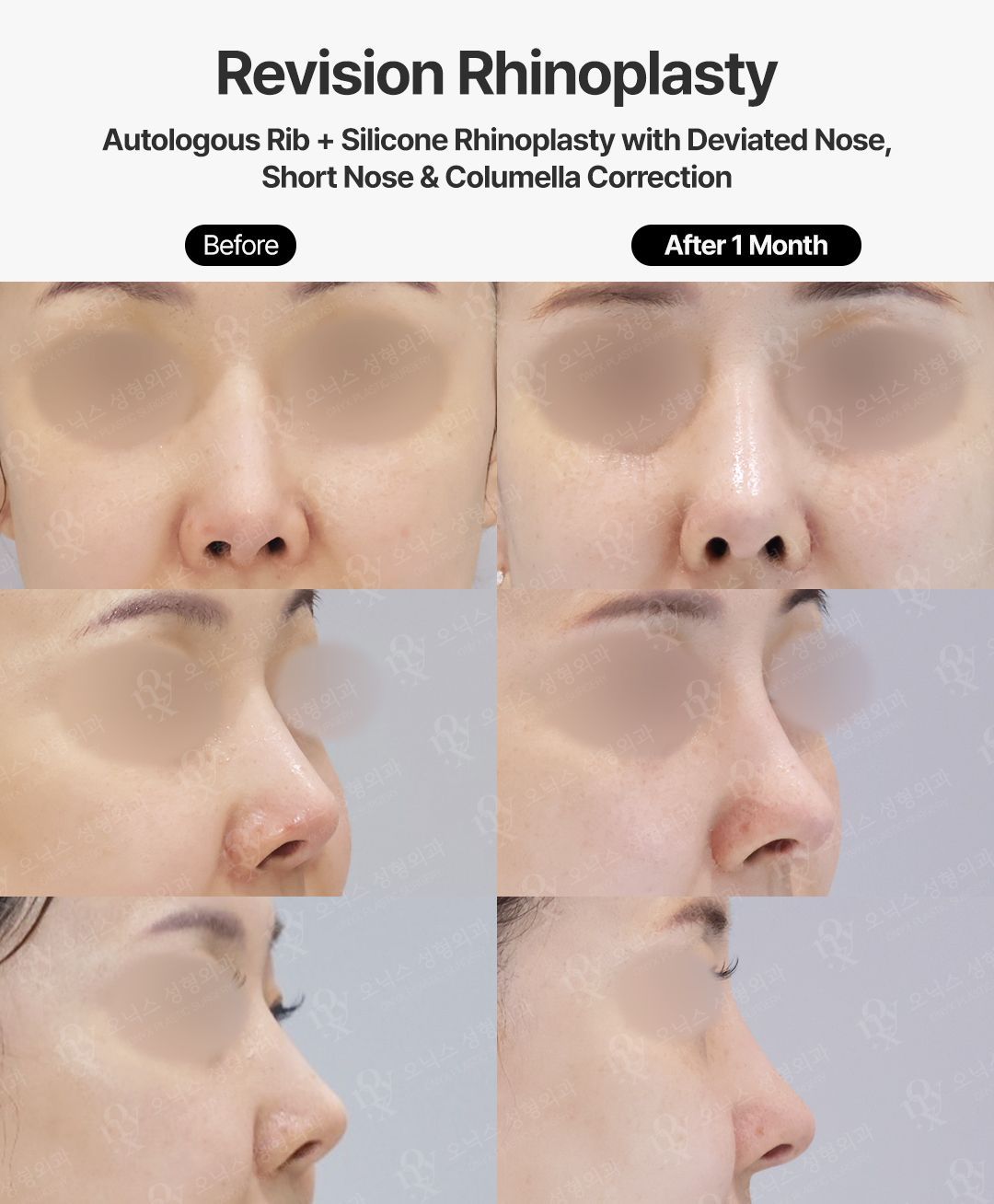
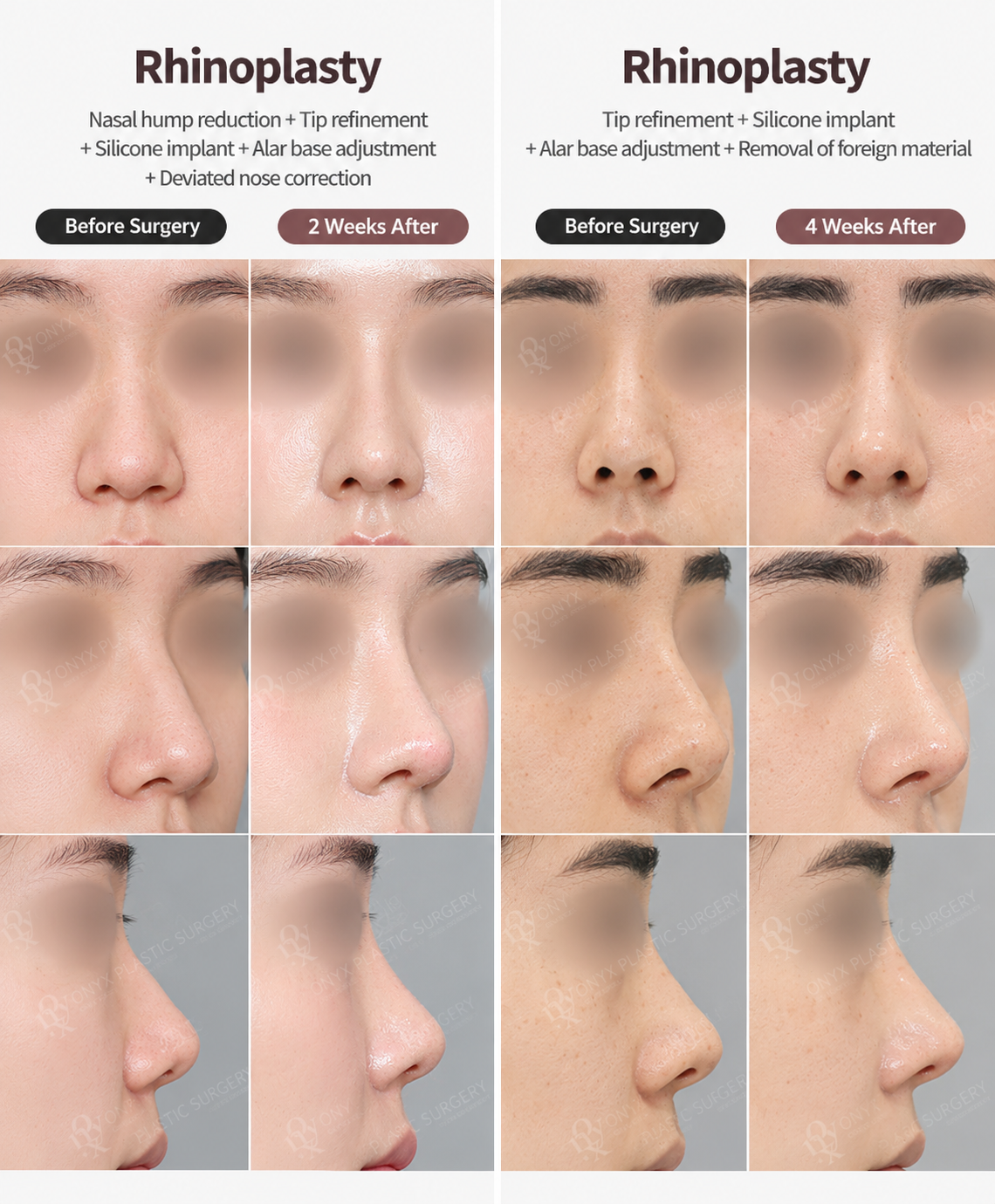
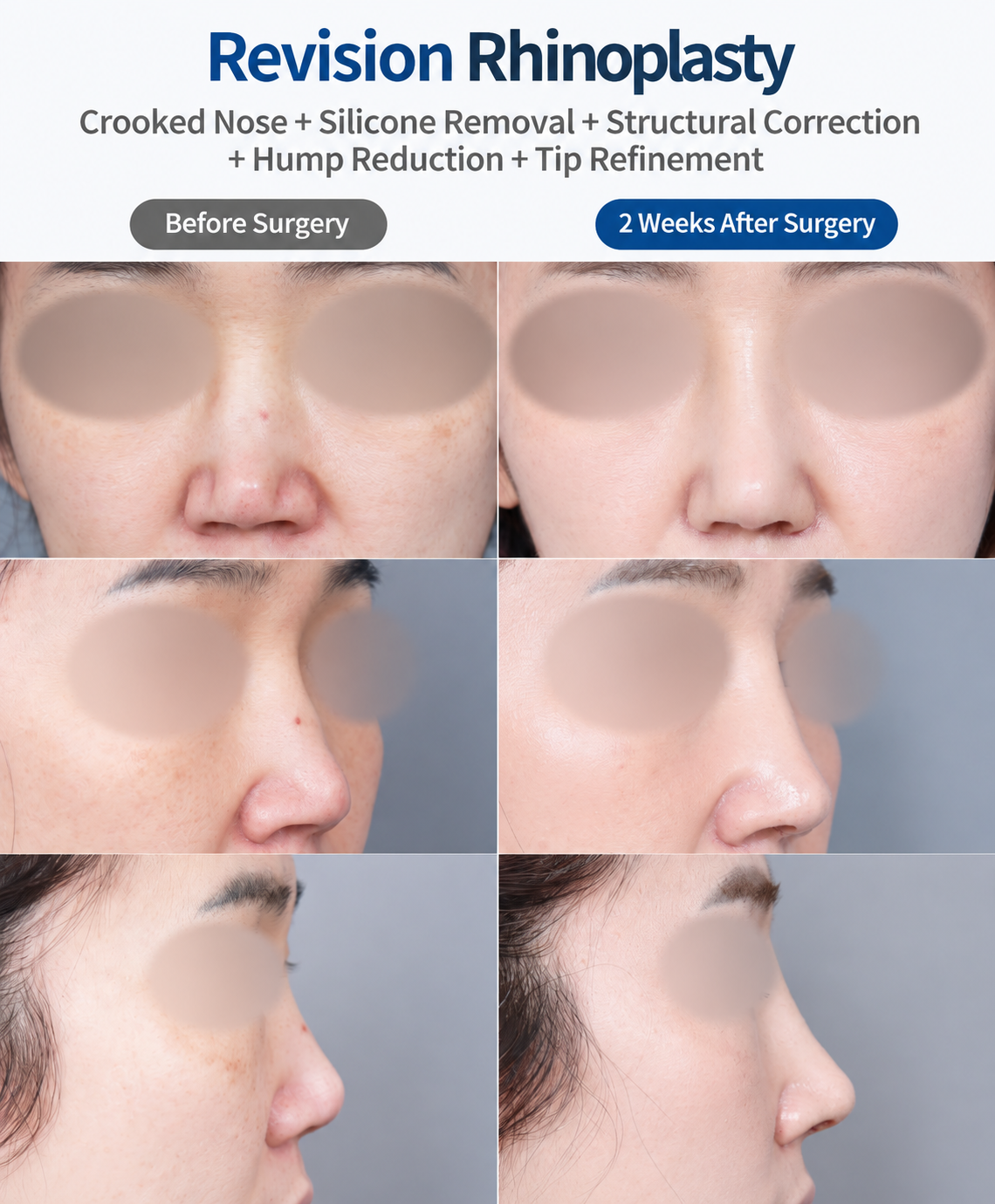
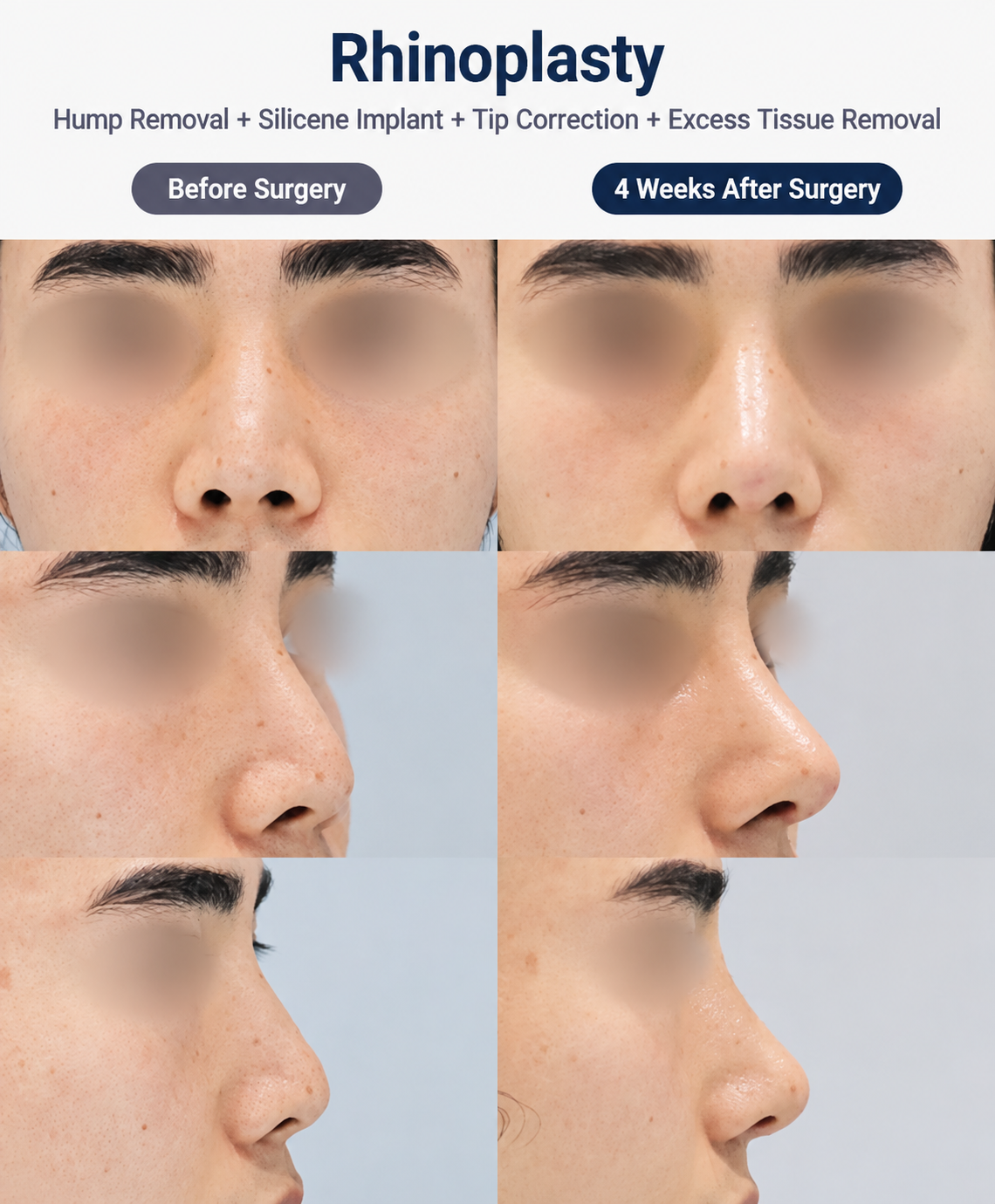
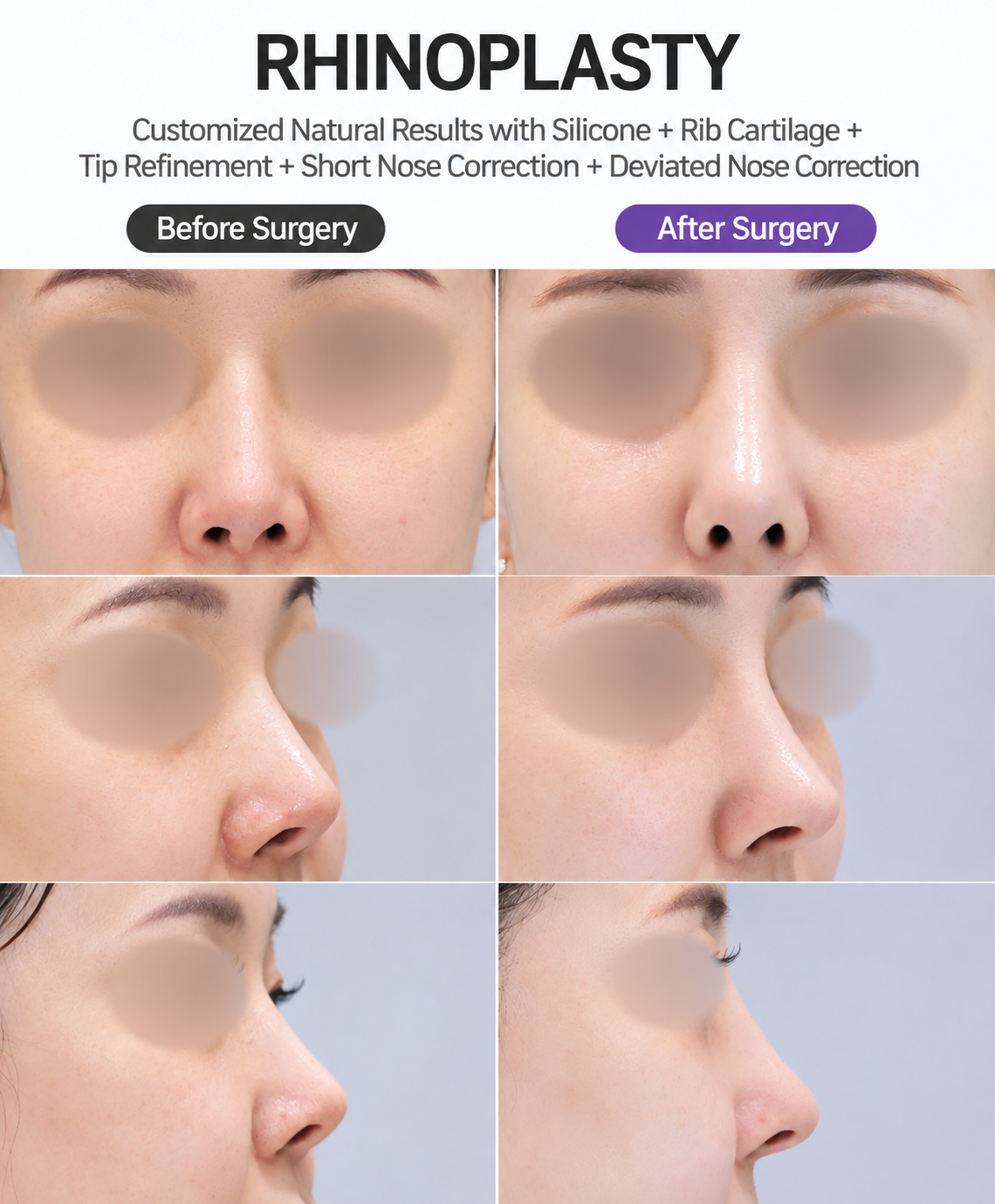
Functional rhinoplasty is a surgical procedure designed to improve nasal airflow and breathing while preserving or enhancing the appearance of the nose when appropriate. Unlike purely cosmetic rhinoplasty, its primary goal is to correct structural problems that interfere with normal breathing. In many cases, functional and cosmetic improvements can be performed during the same operation.
What Is Functional Rhinoplasty?
Functional rhinoplasty focuses on restoring or improving the function of the nose by correcting structural abnormalities.
Common objectives include:
- Improving nasal airflow
- Correcting structural deformities
- Reducing breathing obstruction
- Strengthening nasal support
- Improving nasal valve function
- Restoring symmetry after injury
- Enhancing overall nasal function
The treatment plan depends on the patient's specific anatomy and symptoms.
Who May Benefit from Functional Rhinoplasty?
Patients experiencing persistent breathing difficulties may be candidates for this procedure.
Common reasons include:
- Chronic nasal obstruction
- Collapsed nasal valves
- Structural weakness
- Congenital deformities
- Previous nasal trauma
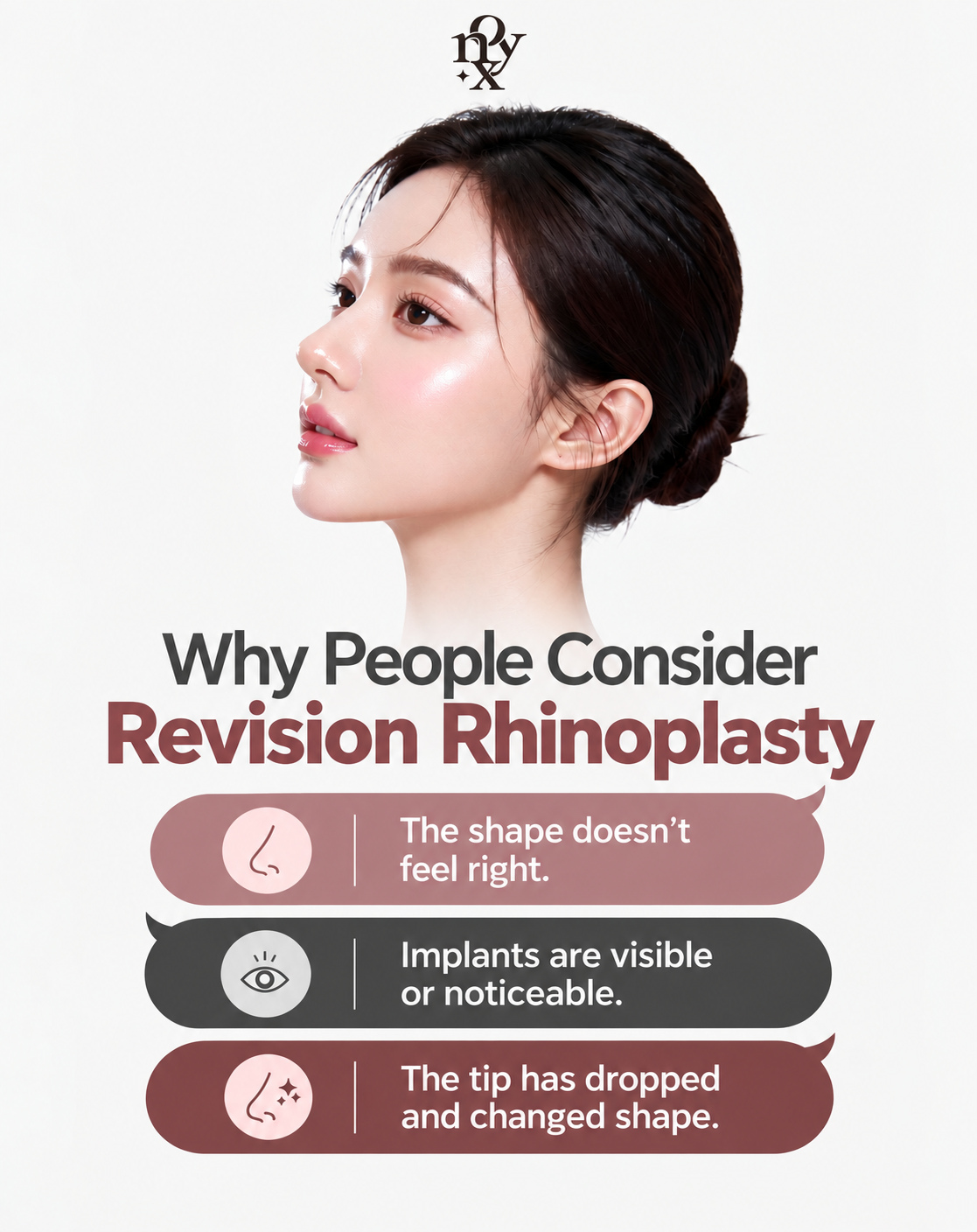
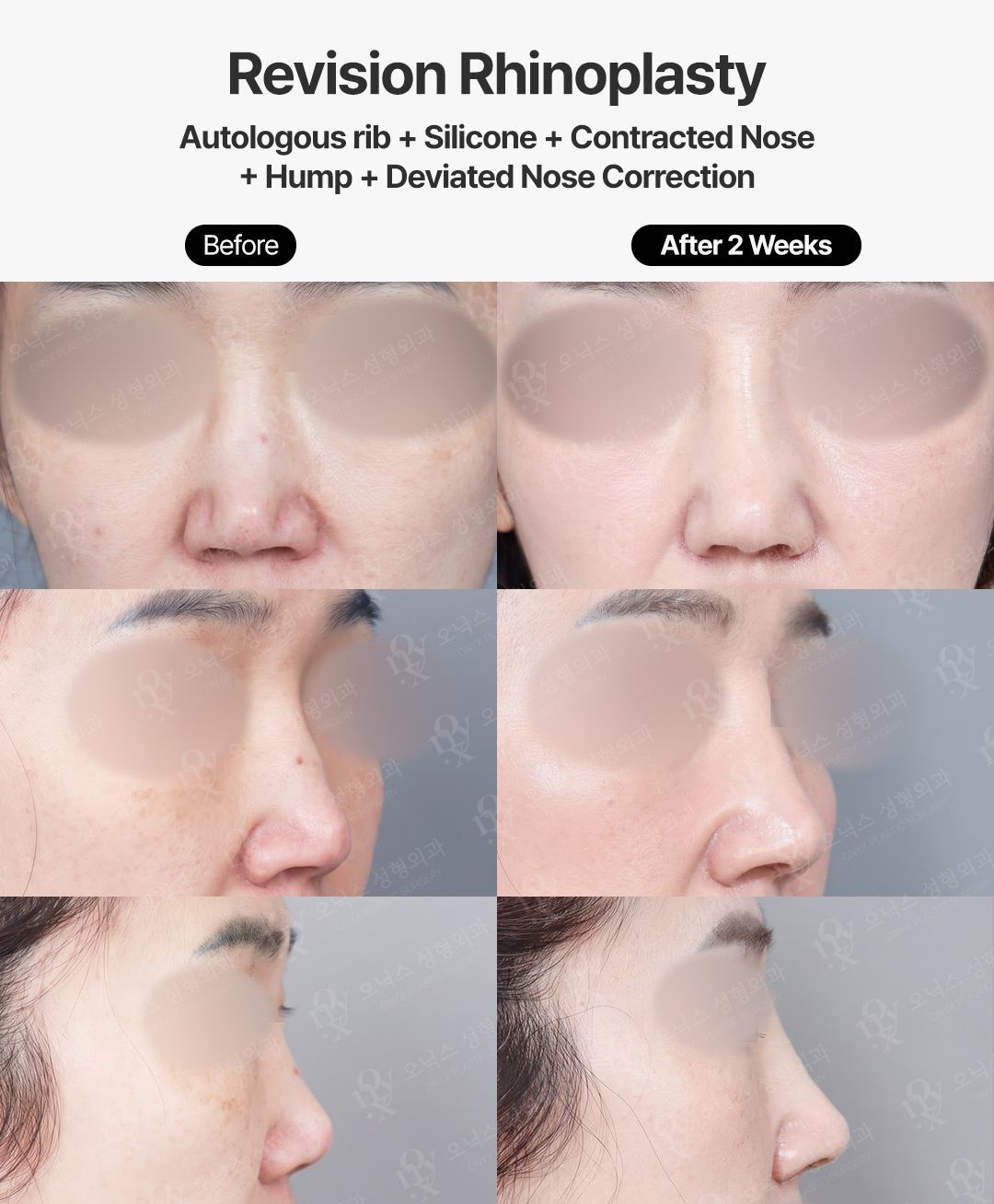
- Breathing problems after rhinoplasty
- Internal nasal asymmetry
A comprehensive medical evaluation is necessary before surgery is recommended.
Common Conditions Treated
Functional rhinoplasty can address a variety of structural problems affecting airflow.
These may include:
- Deviated nasal structures
- Internal nasal valve collapse
- External nasal valve collapse
- Weak cartilage support
- Post-traumatic deformities
- Congenital abnormalities
- Previous surgical complications
Some patients may require multiple corrections during a single procedure.
Functional Rhinoplasty vs Cosmetic Rhinoplasty
Although both procedures involve the nose, their primary goals are different.
Functional rhinoplasty typically focuses on:
- Better breathing
- Structural stability
- Improved airflow
- Long-term nasal support
Cosmetic rhinoplasty generally focuses on:
- Appearance
- Facial harmony
- Profile refinement
- Aesthetic enhancement
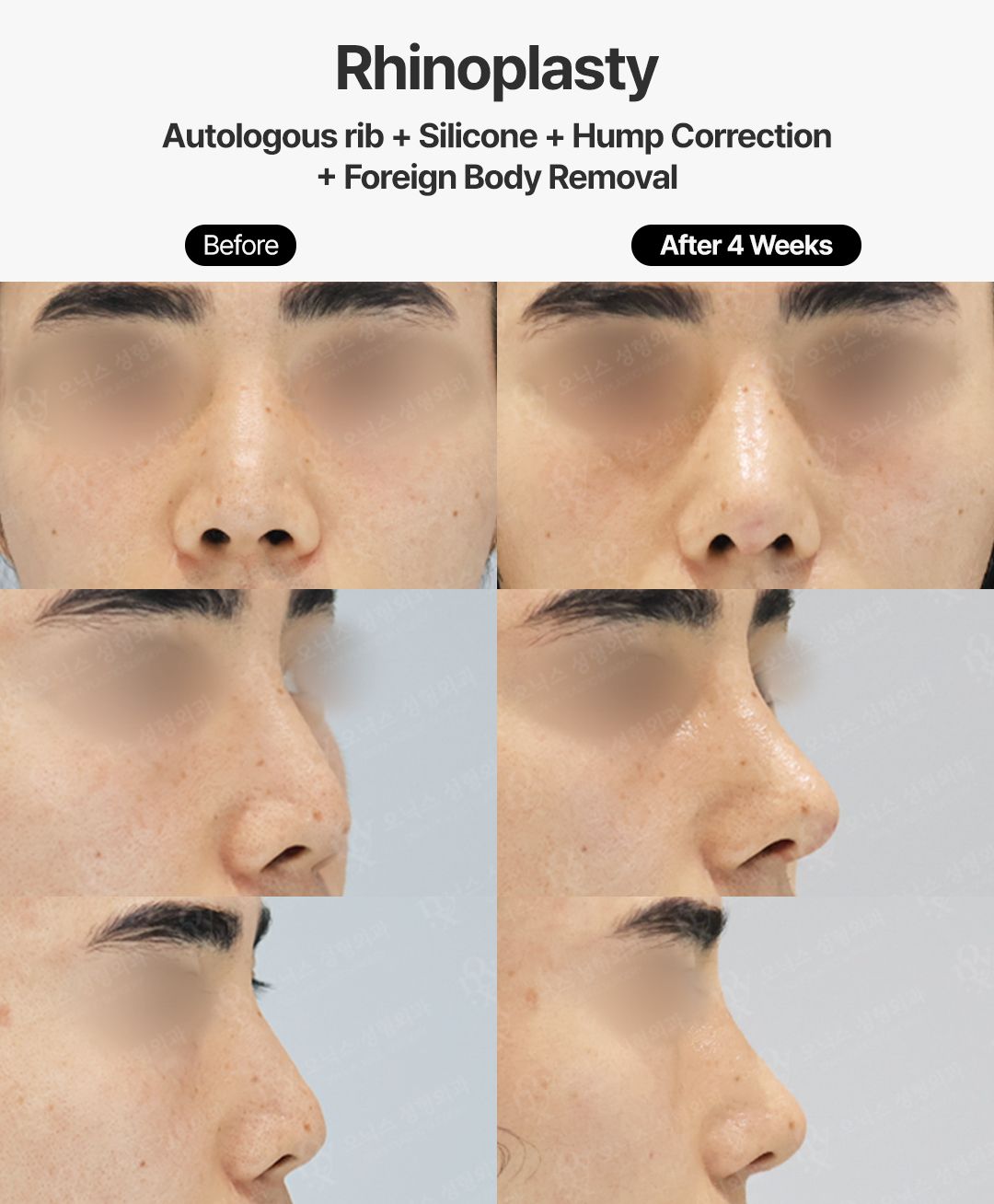
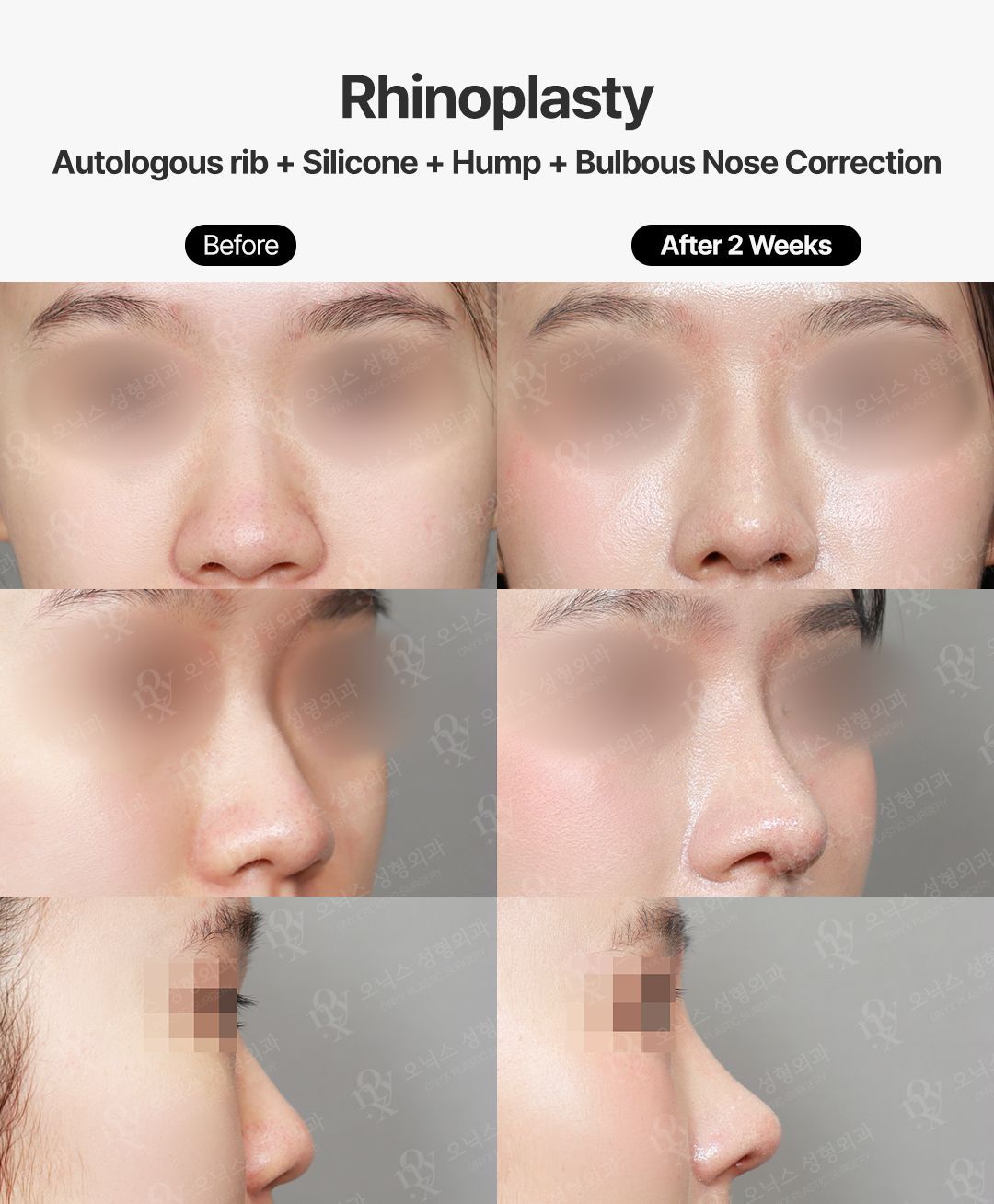
Many patients choose to combine both objectives into one operation.
Common Surgical Techniques
The exact techniques vary depending on the underlying condition.
Procedures may involve:
- Cartilage grafting
- Structural reinforcement
- Nasal valve reconstruction
- Septal support improvement
- Tip support correction
- Bridge reconstruction
- Internal airway stabilization
Every surgery is customized to the patient's needs.
Recovery Timeline
Recovery is similar in many ways to cosmetic rhinoplasty, although healing varies between individuals.
Typical recovery milestones include:
- Week 1: swelling and congestion
- Week 2: reduced bruising
- Weeks 3–4: gradual improvement
- Months 2–3: continued healing
- Months 4–6: improved definition
- Up to 12 months or longer for full refinement
Breathing improvements may occur gradually as swelling subsides.
Typical Cost in Korea
Costs vary depending on surgical complexity and whether cosmetic procedures are performed at the same time.
General price ranges may include:
- Functional rhinoplasty alone: 4,000,000–8,000,000 KRW
- Combined functional and cosmetic rhinoplasty: 5,000,000–10,000,000 KRW
- Complex reconstruction or revision procedures: 8,000,000–15,000,000 KRW or more
Individual quotations depend on the treatment plan and surgical requirements.
Important Considerations Before Surgery
Patients should have a detailed discussion with their surgeon before making a decision.
Topics often include:
- Cause of breathing problems
- Expected functional improvement
- Surgical techniques
- Recovery timeline
- Potential risks
- Cosmetic goals if applicable
- Long-term expectations
Clear communication helps establish realistic and achievable outcomes.
Final Thoughts
Functional rhinoplasty can provide meaningful improvements in nasal airflow and quality of life for patients with structural breathing problems. When carefully planned and tailored to the individual's anatomy, the procedure can restore function while also supporting balanced and natural-looking aesthetic results when desired.