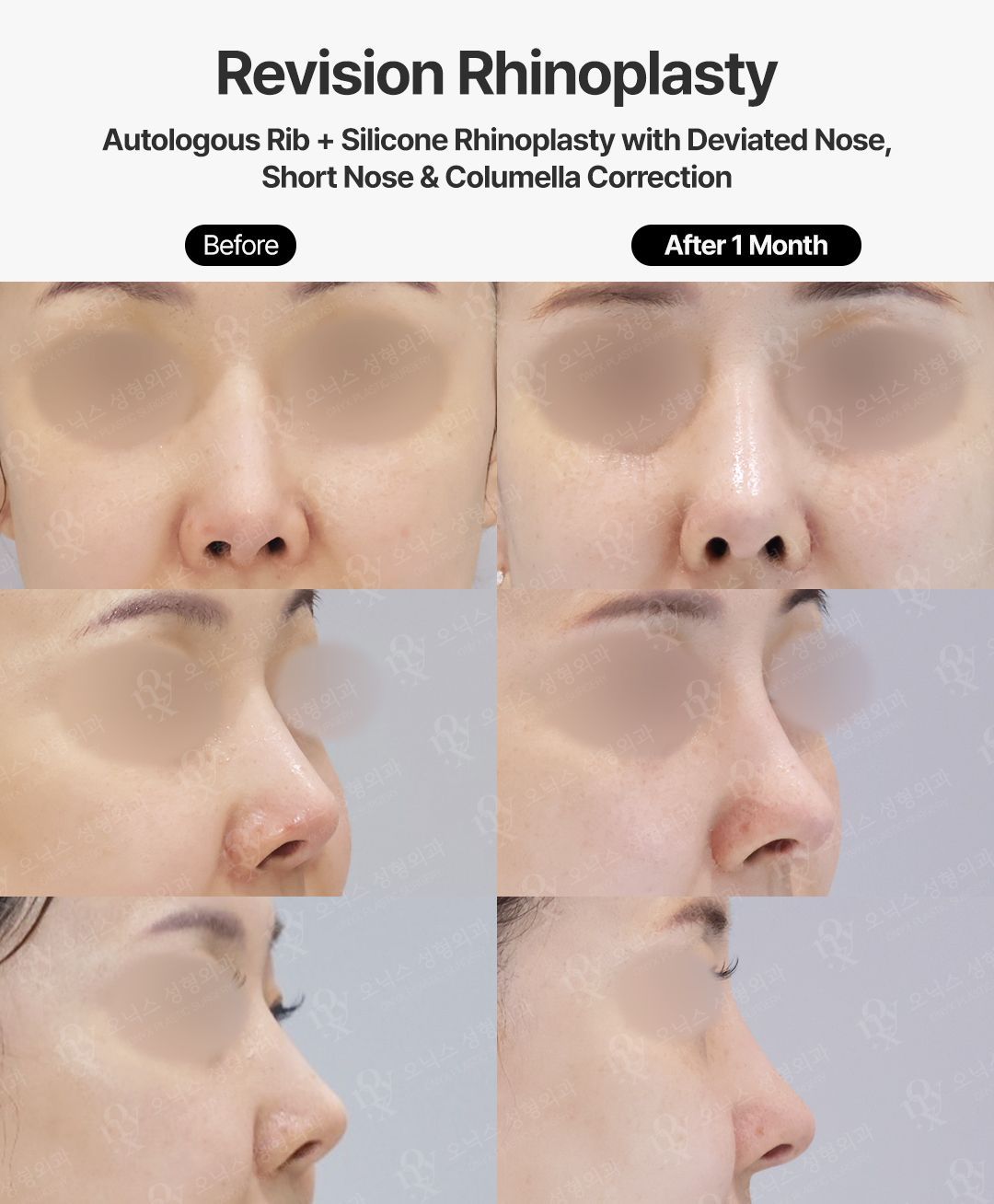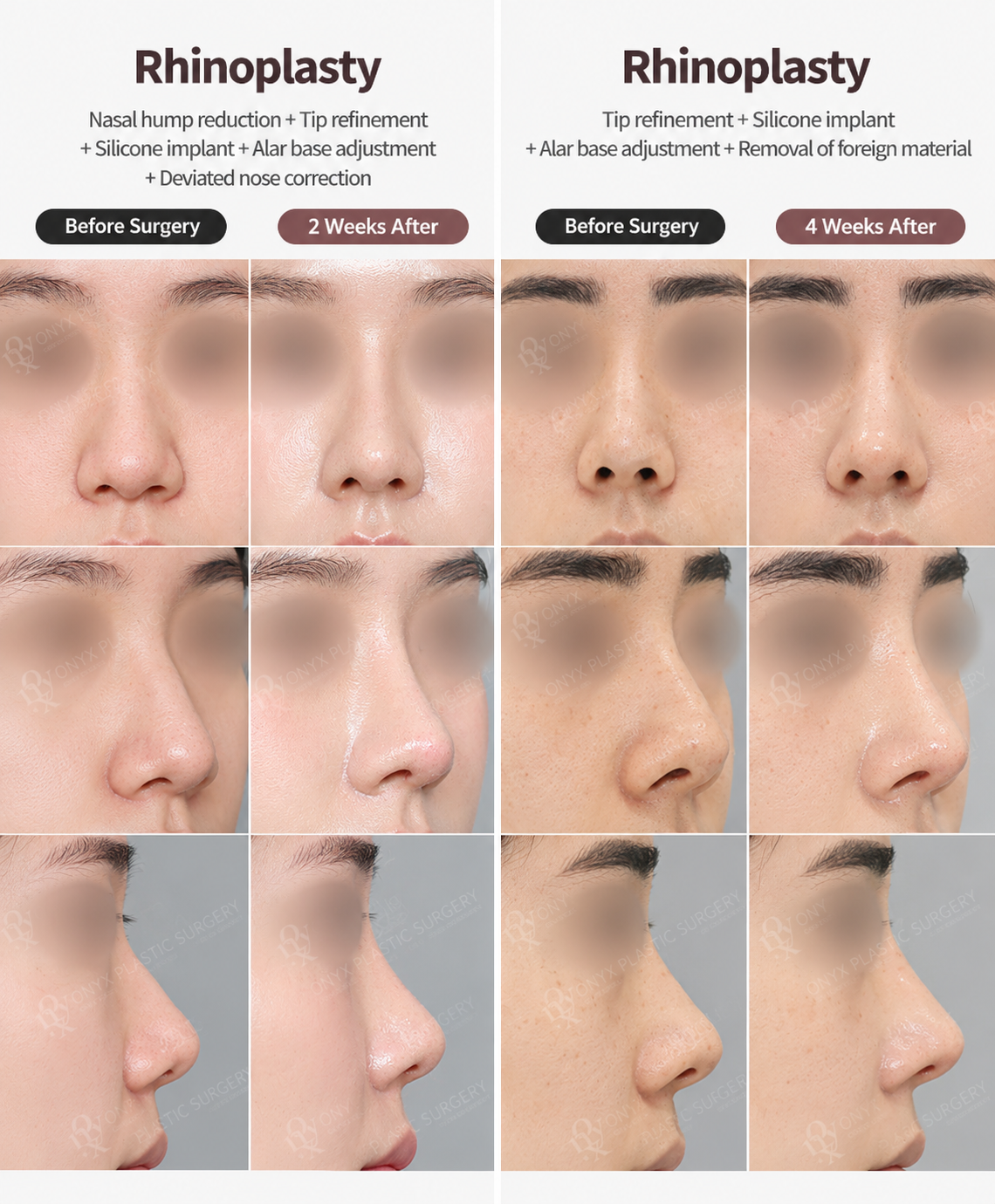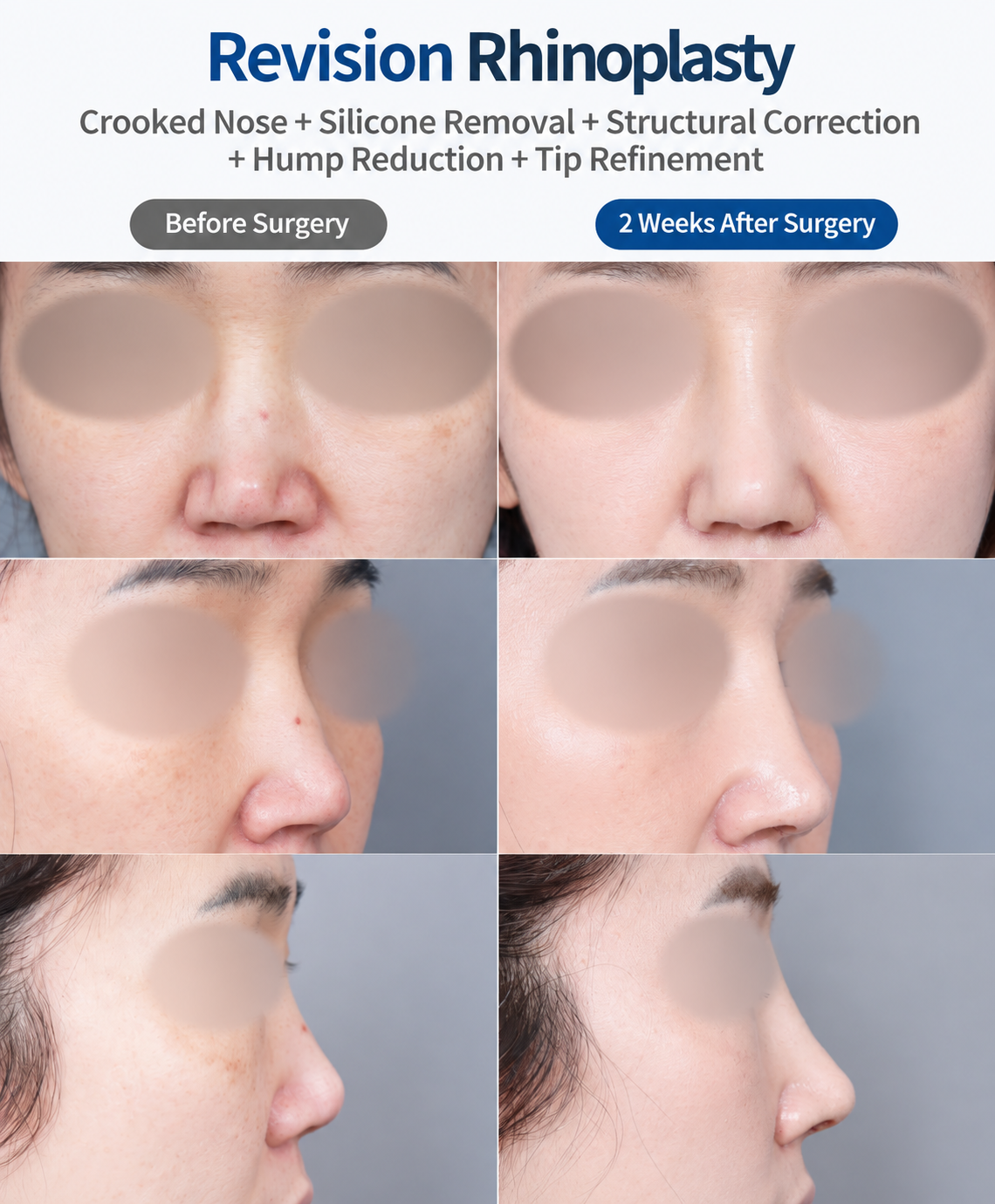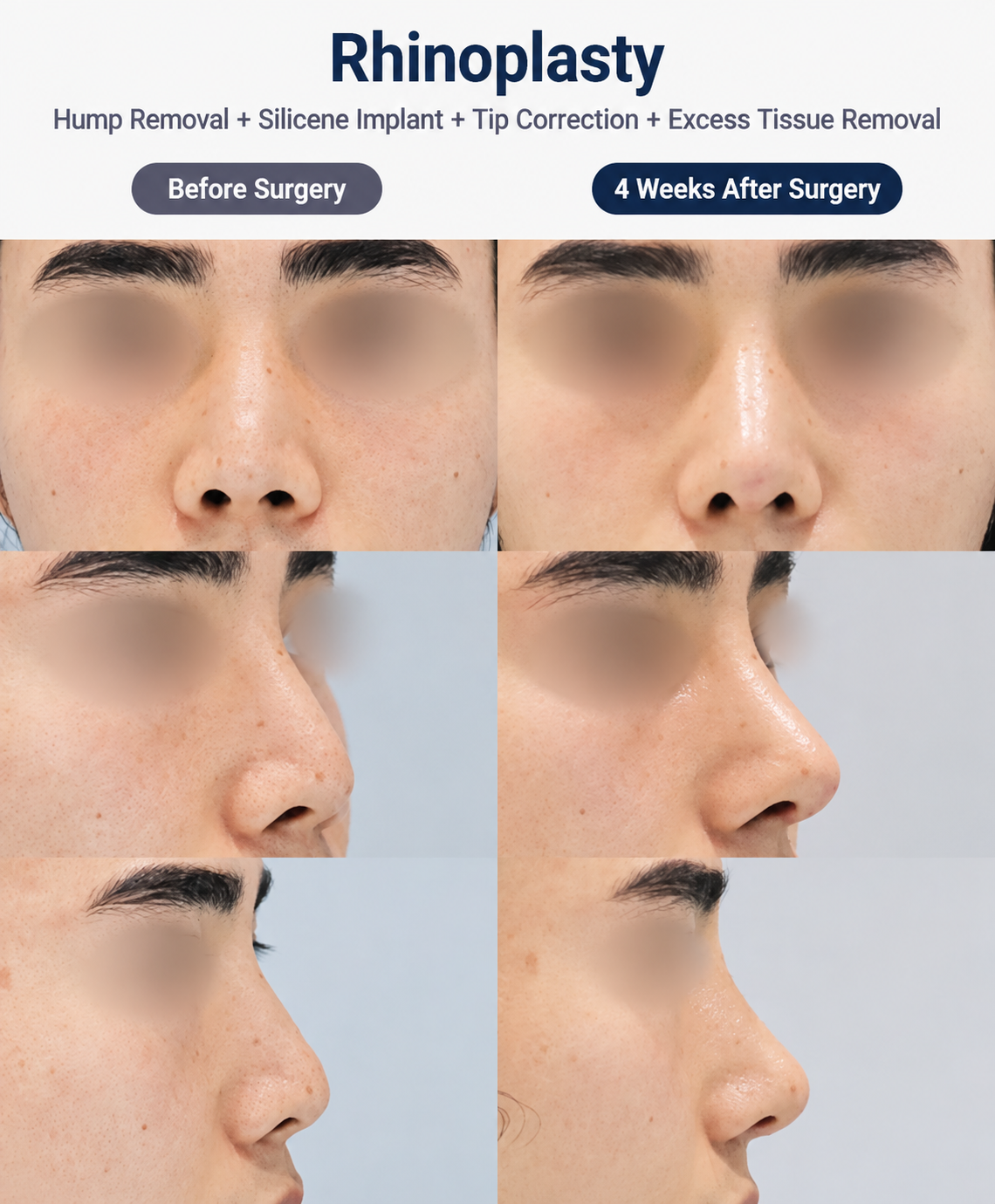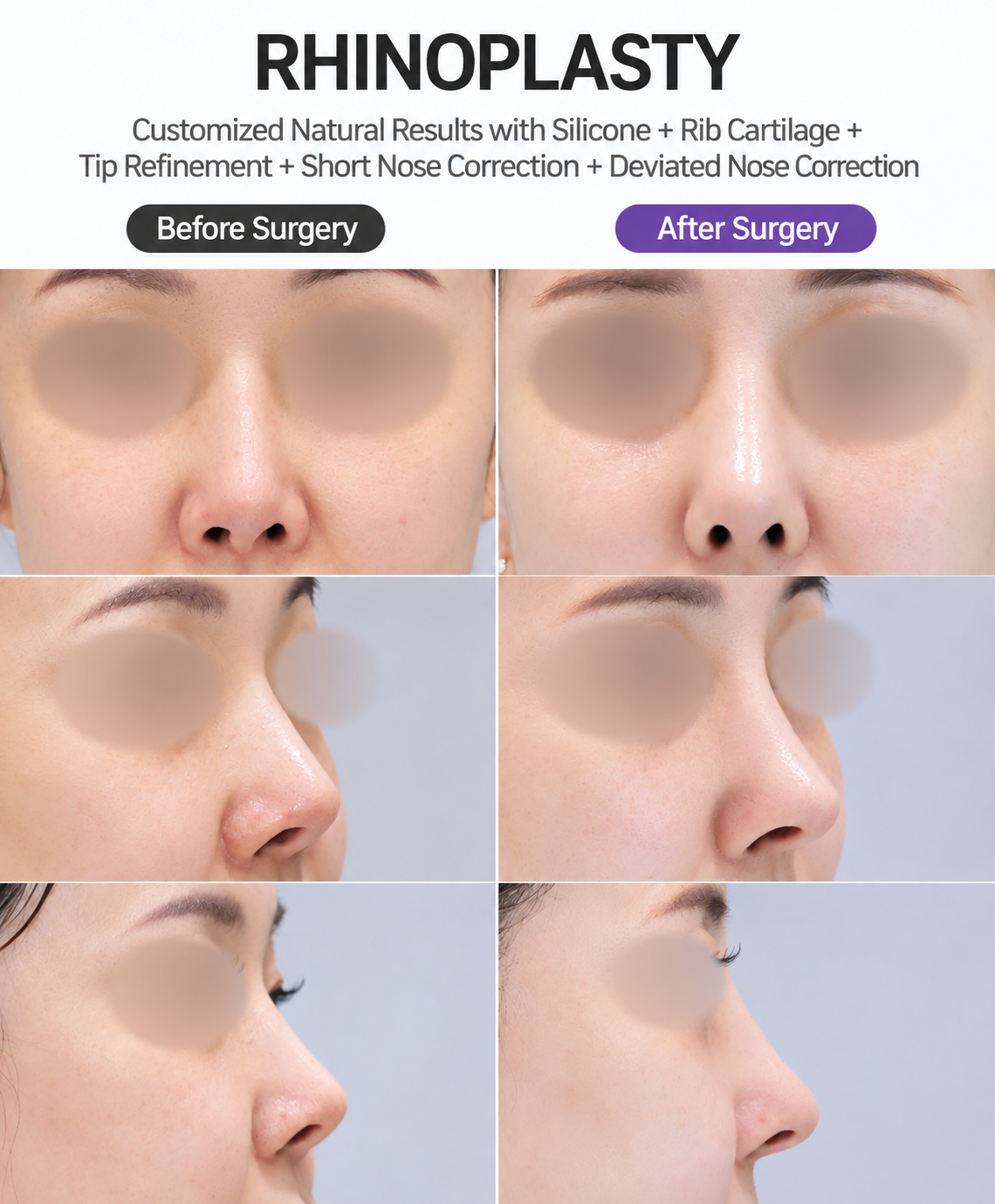
Revision Rhinoplasty in Korea
Revision Rhinoplasty in Korea
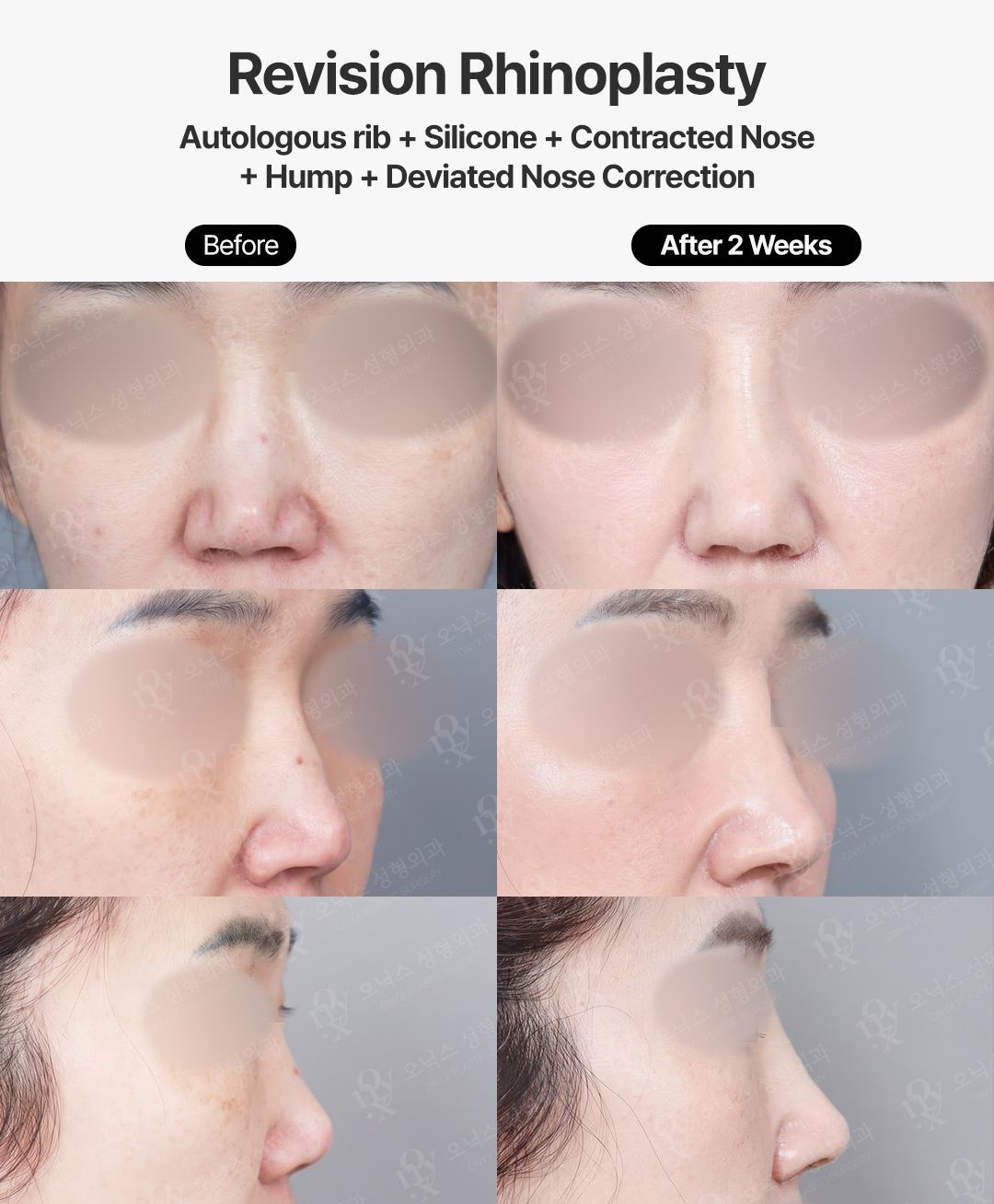
Revision rhinoplasty is a specialized procedure performed to correct or improve the results of a previous nose surgery. It is often more complex than primary rhinoplasty because surgeons must work with scar tissue, altered anatomy, and existing structural changes. South Korea has become a popular destination for revision rhinoplasty due to its extensive experience with advanced reconstructive and cosmetic nasal procedures.
What Is Revision Rhinoplasty?
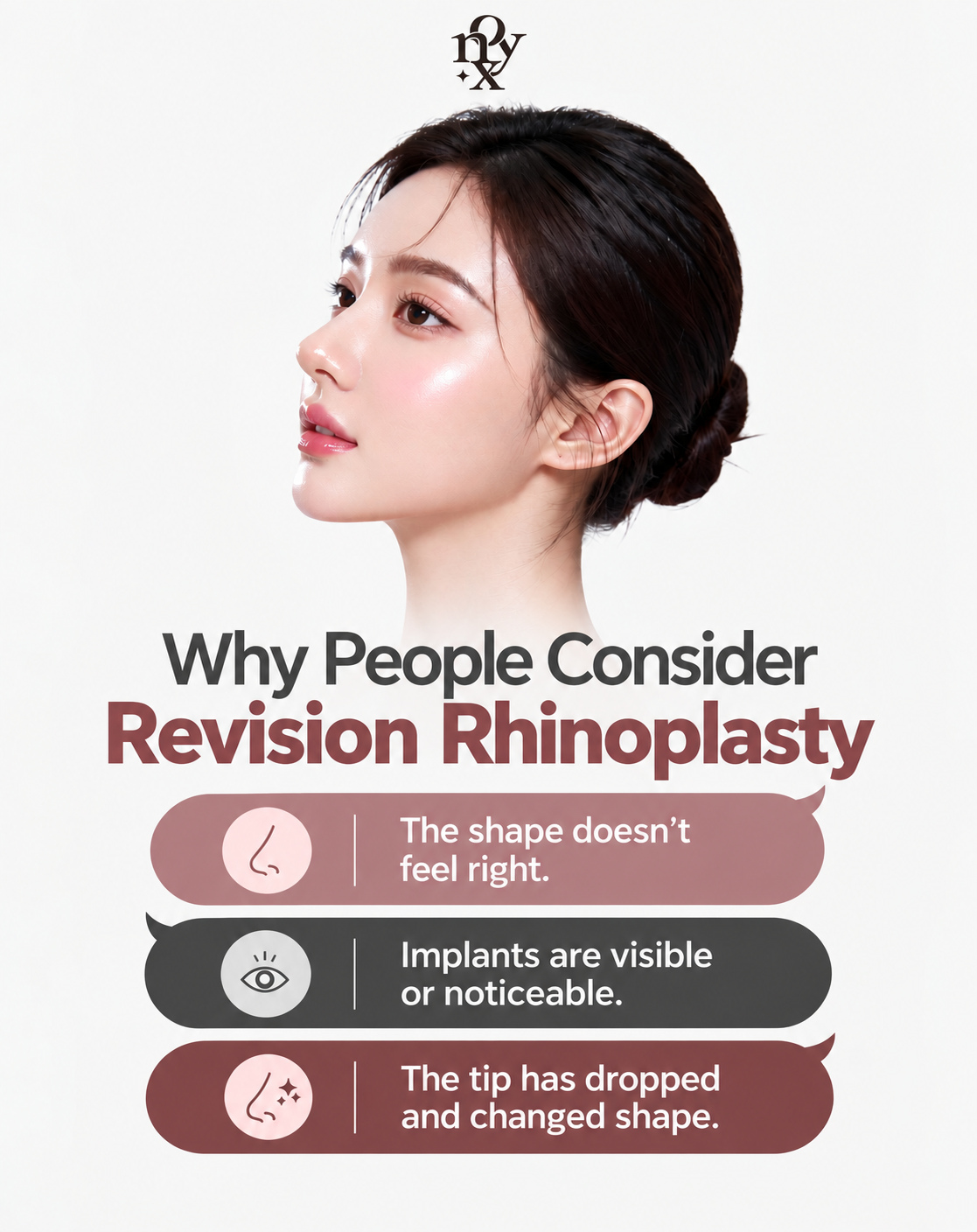
Revision rhinoplasty is performed after a previous rhinoplasty when functional or aesthetic concerns remain.
Common reasons for revision include:
- Unsatisfactory cosmetic results
- Asymmetry
- Nasal tip irregularities
- Implant-related issues
- Breathing difficulties
- Structural collapse
- Persistent deformities
Every revision case is unique and requires individualized planning.
Why Is Revision Rhinoplasty More Challenging?
Unlike primary surgery, revision procedures involve tissue that has already healed and changed after the first operation.
Challenges may include:
- Scar tissue
- Weakened cartilage support
- Previous implants
- Limited available cartilage
- Altered anatomy
- Reduced tissue flexibility
- Complex reconstruction needs
For these reasons, revision surgery often requires a highly customized approach.
Common Techniques Used
The surgical plan depends on the patient's anatomy and previous procedures.
Techniques may include:
- Cartilage grafting
- Structural reconstruction
- Implant removal or replacement
- Nasal tip revision
- Bridge correction
- Septal reconstruction
- Functional airway correction
Multiple techniques are frequently combined during a single procedure.
Cartilage Sources for Revision Surgery
Additional structural support is often necessary in revision cases.
Common graft sources include:
- Septal cartilage
- Ear cartilage
- Rib cartilage
When septal cartilage is no longer available, ear or rib cartilage may provide the support needed for reconstruction.
Who May Be a Good Candidate?
Revision rhinoplasty may be considered for patients experiencing cosmetic or functional concerns after previous surgery.
Possible candidates include those with:
- Persistent asymmetry
- Implant complications
- Breathing problems
- Tip deformities
- Overcorrection
- Undercorrection
- Structural instability
A thorough evaluation is necessary before determining the most appropriate treatment plan.
Recovery Timeline
Recovery varies depending on the complexity of reconstruction.
General expectations include:
- Week 1: swelling and bruising
- Weeks 2–4: gradual improvement
- Months 2–3: continued healing
- Months 4–6: increased definition
- Months 6–12: ongoing refinement
- Up to 18 months or longer for final results
Healing may take longer than after primary rhinoplasty.
Typical Cost of Revision Rhinoplasty in Korea
Revision procedures generally cost more than primary rhinoplasty due to their increased technical difficulty.
Typical price ranges may include:
- Moderate revision: 6,000,000–10,000,000 KRW
- Complex revision: 10,000,000–15,000,000 KRW
- Major reconstructive cases: 15,000,000 KRW or more
Actual costs depend on surgical complexity, graft requirements, and individual treatment plans.
Choosing the Right Surgeon
Selecting an experienced surgeon is particularly important for revision cases.
Factors many patients evaluate include:
- Revision surgery experience
- Structural reconstruction expertise
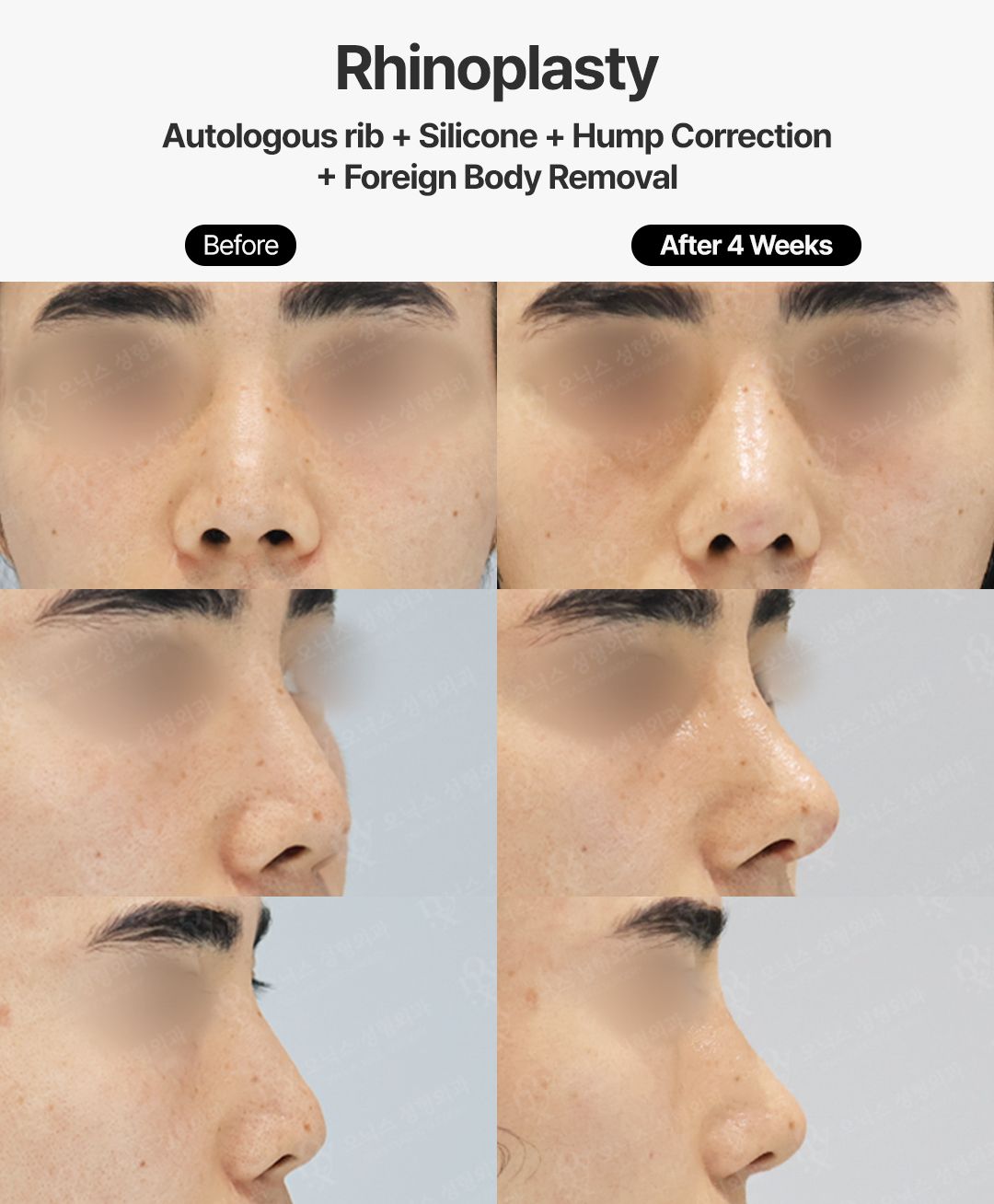
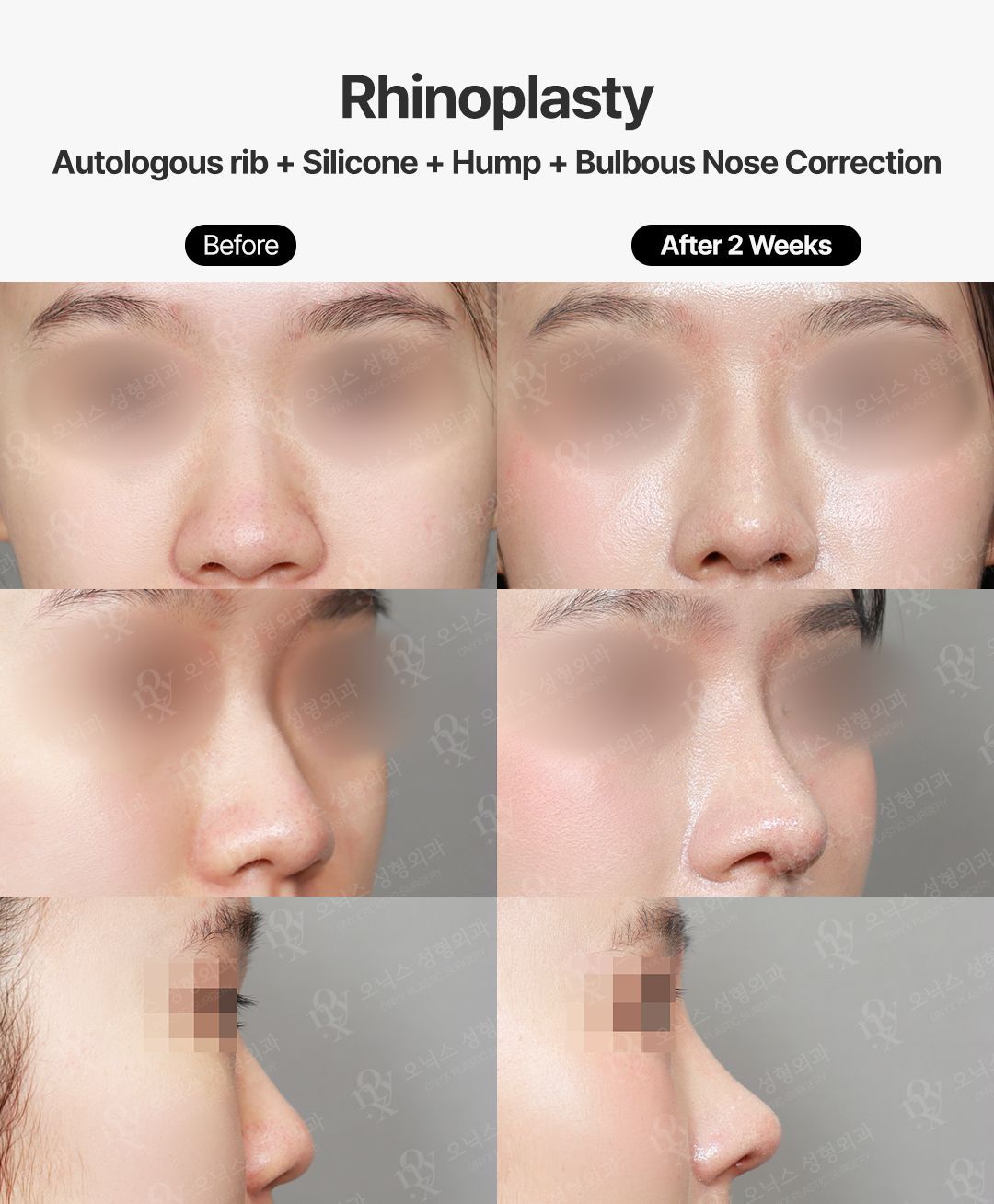
- Consistent before-and-after results
- Personalized consultations
- Functional and cosmetic planning
- Communication quality
- Comprehensive postoperative care
Careful evaluation can help patients make more informed decisions before undergoing another procedure.
Final Thoughts
Revision rhinoplasty in Korea offers advanced solutions for patients seeking to improve the function or appearance of a previous nose surgery. Because every case presents unique challenges, successful outcomes often depend on individualized planning, structural expertise, realistic expectations, and careful long-term follow-up.