Customized Nose Surgery Planning
Customized Nose Surgery Planning
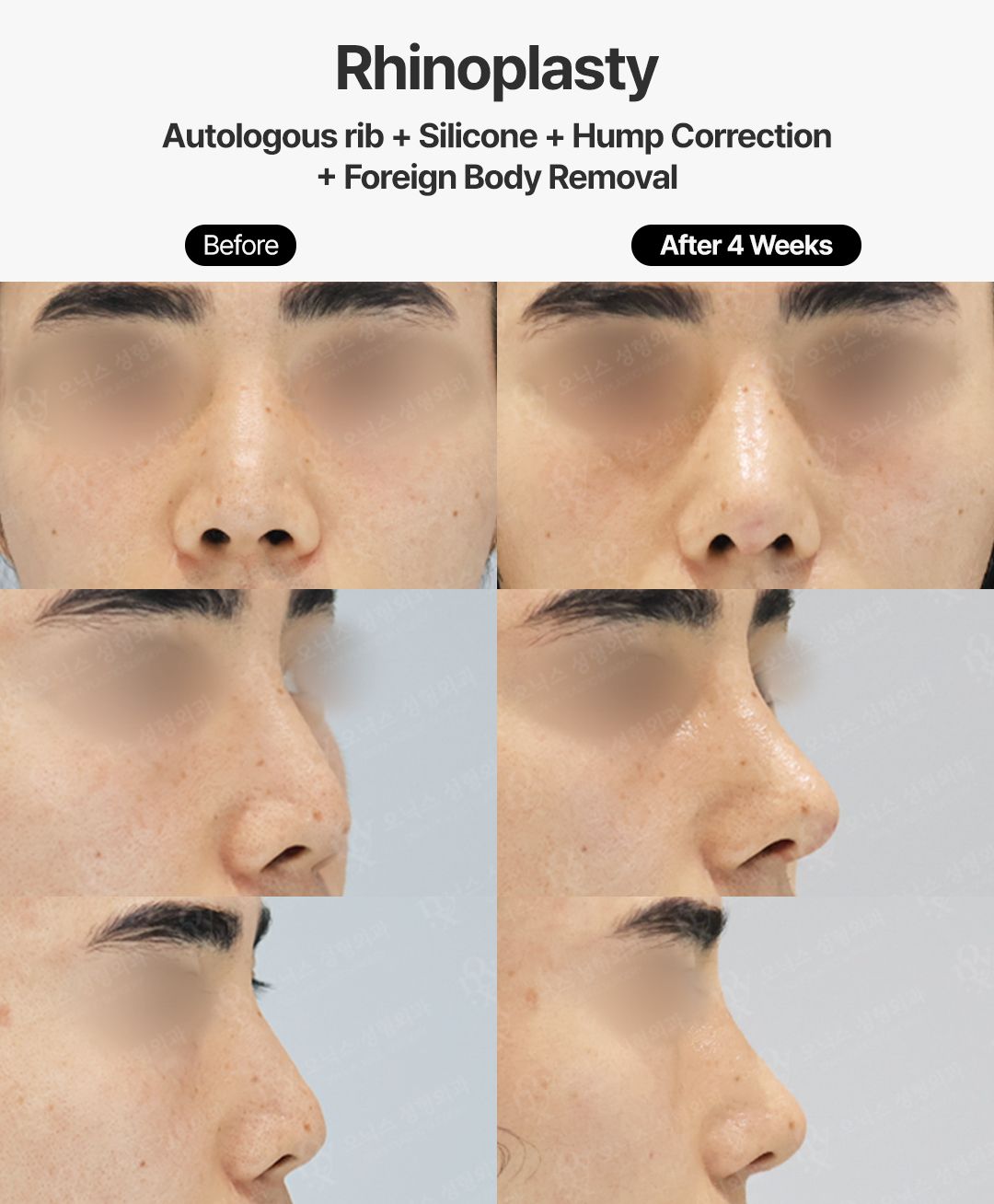
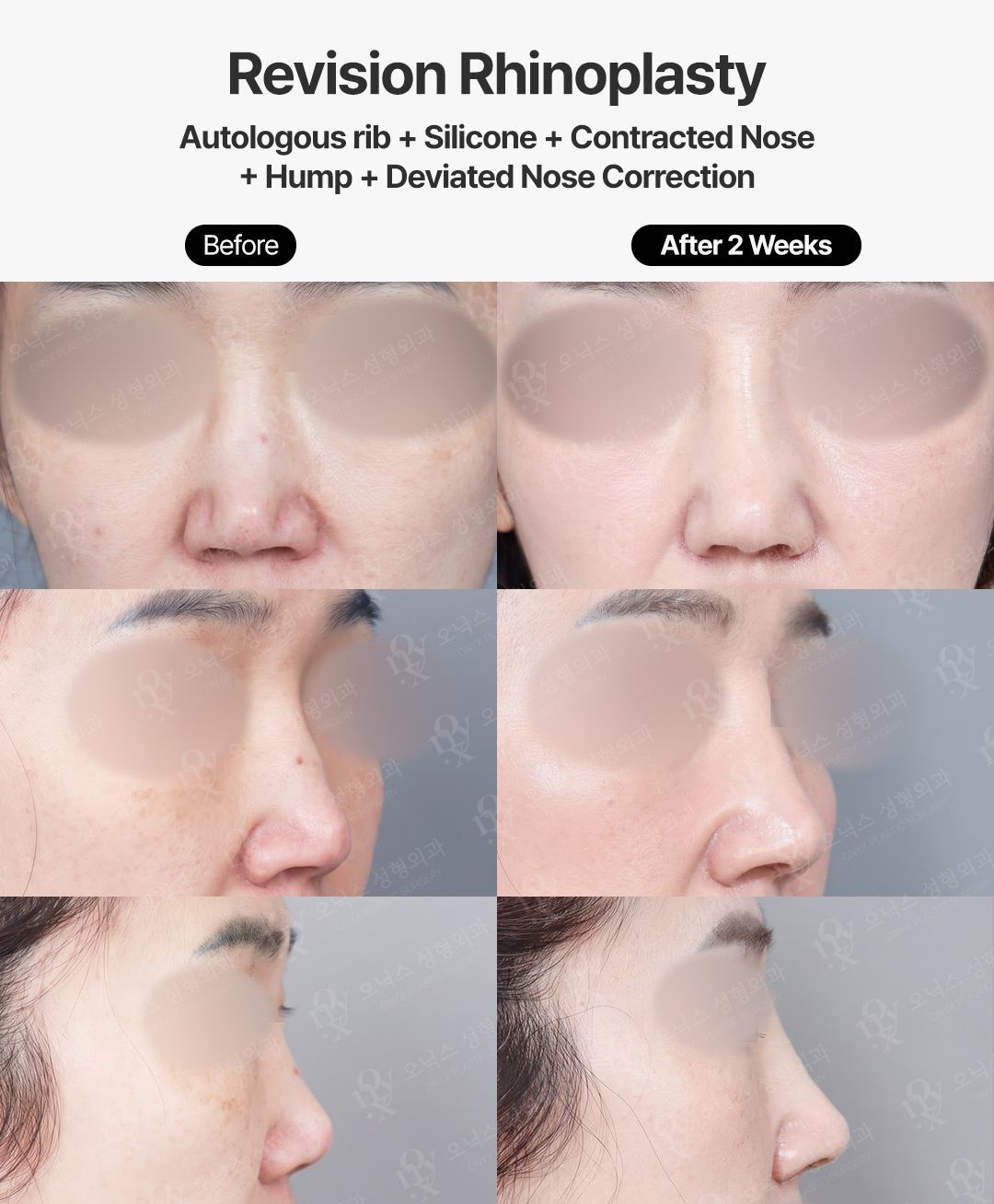
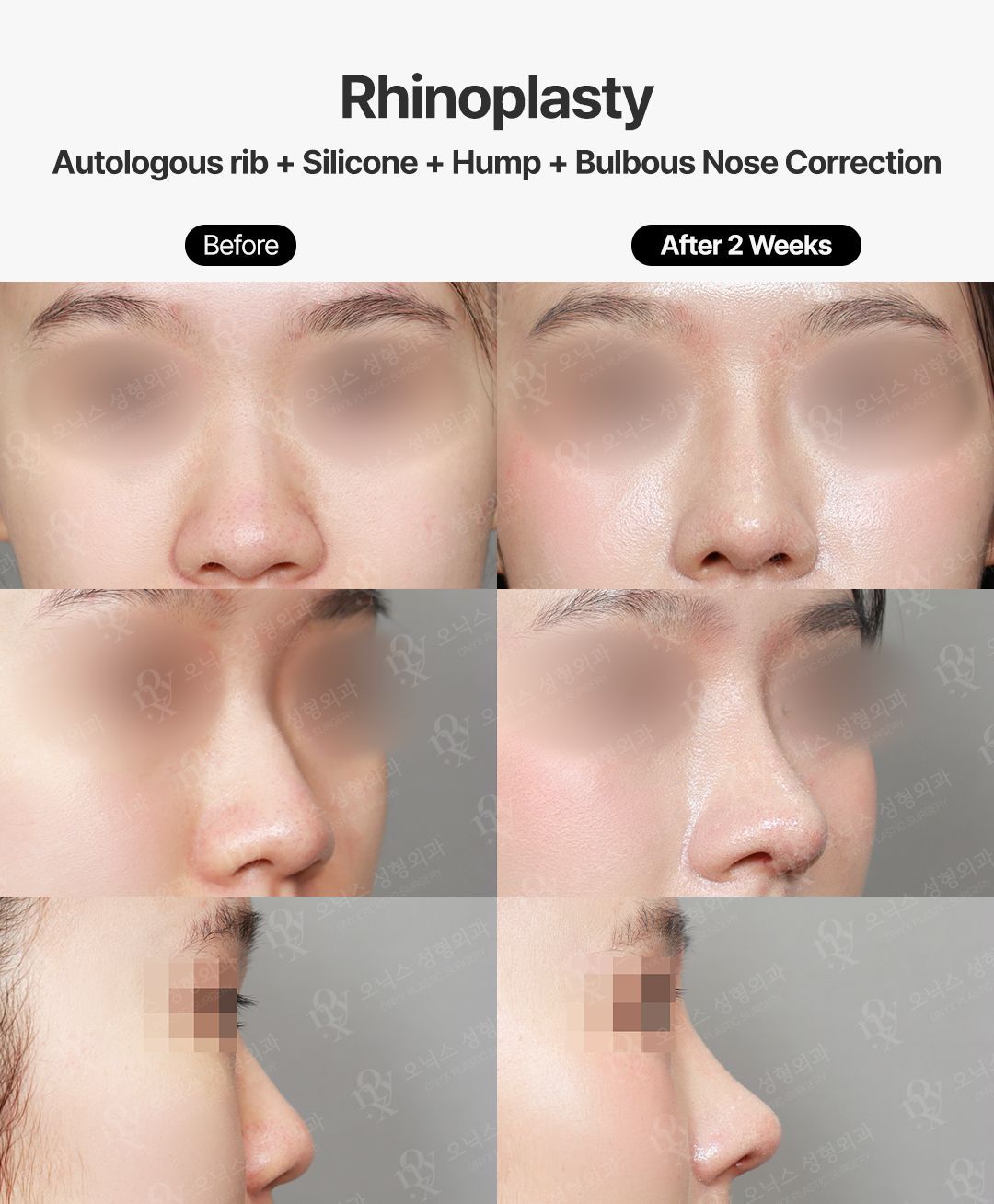
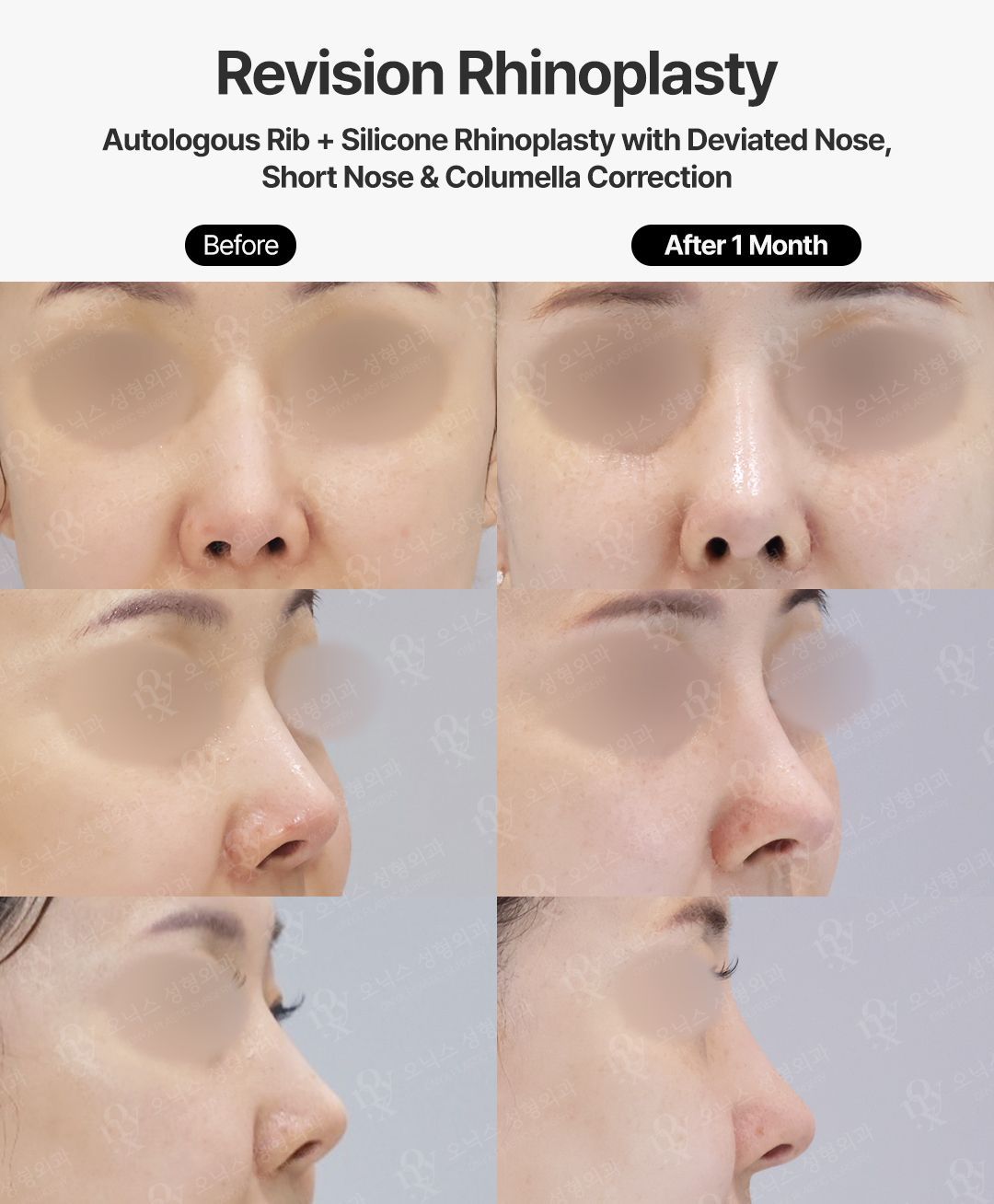
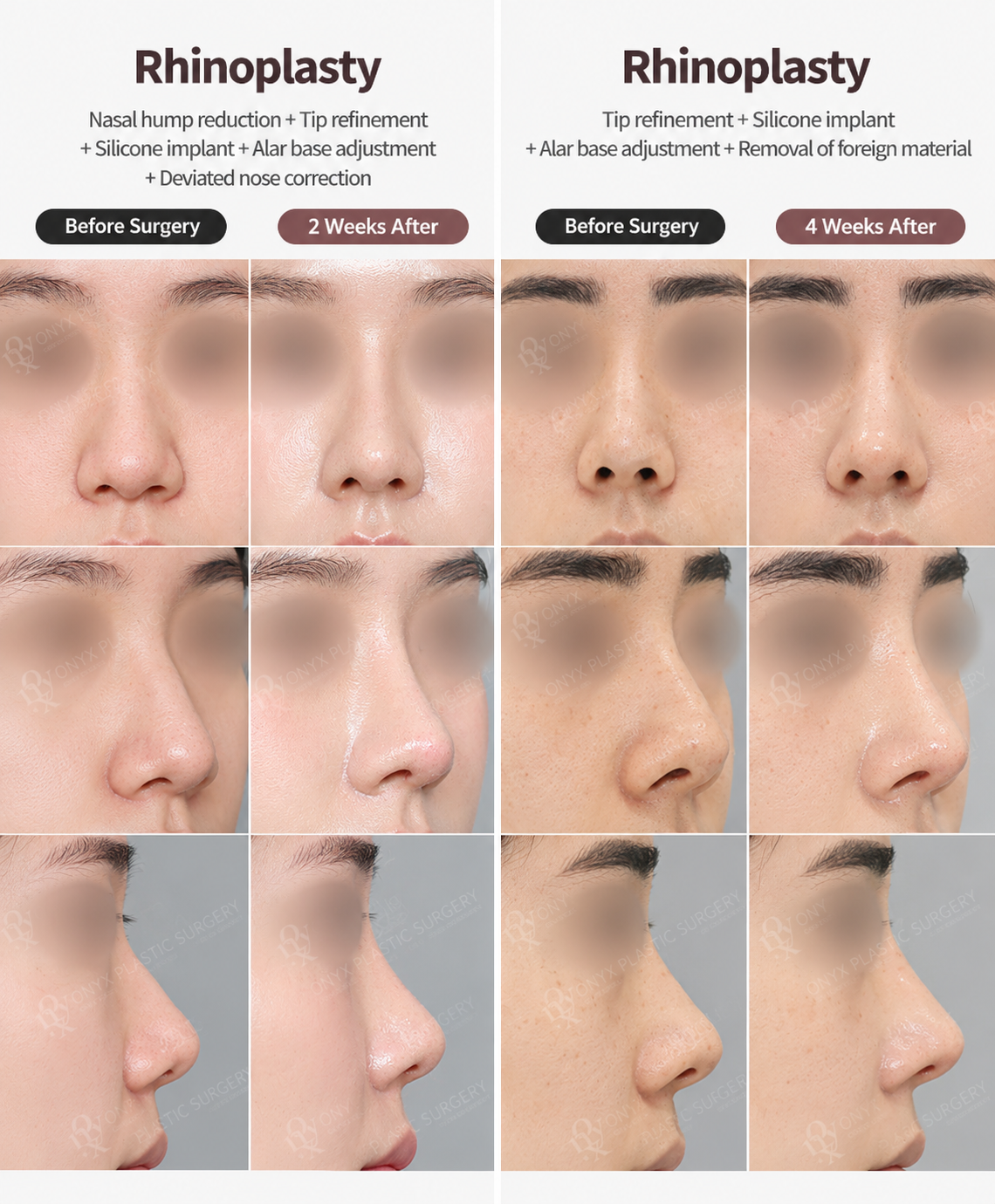
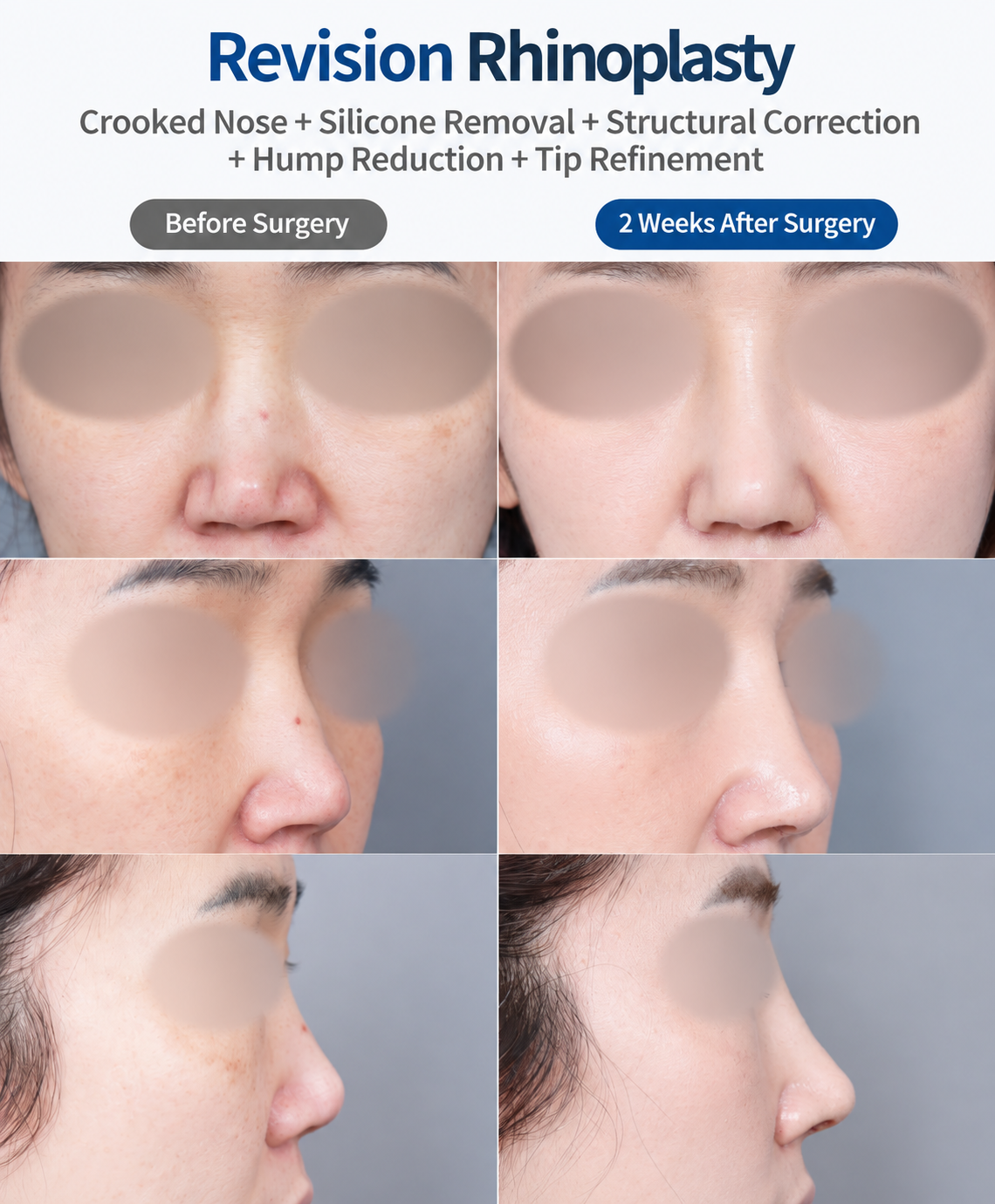
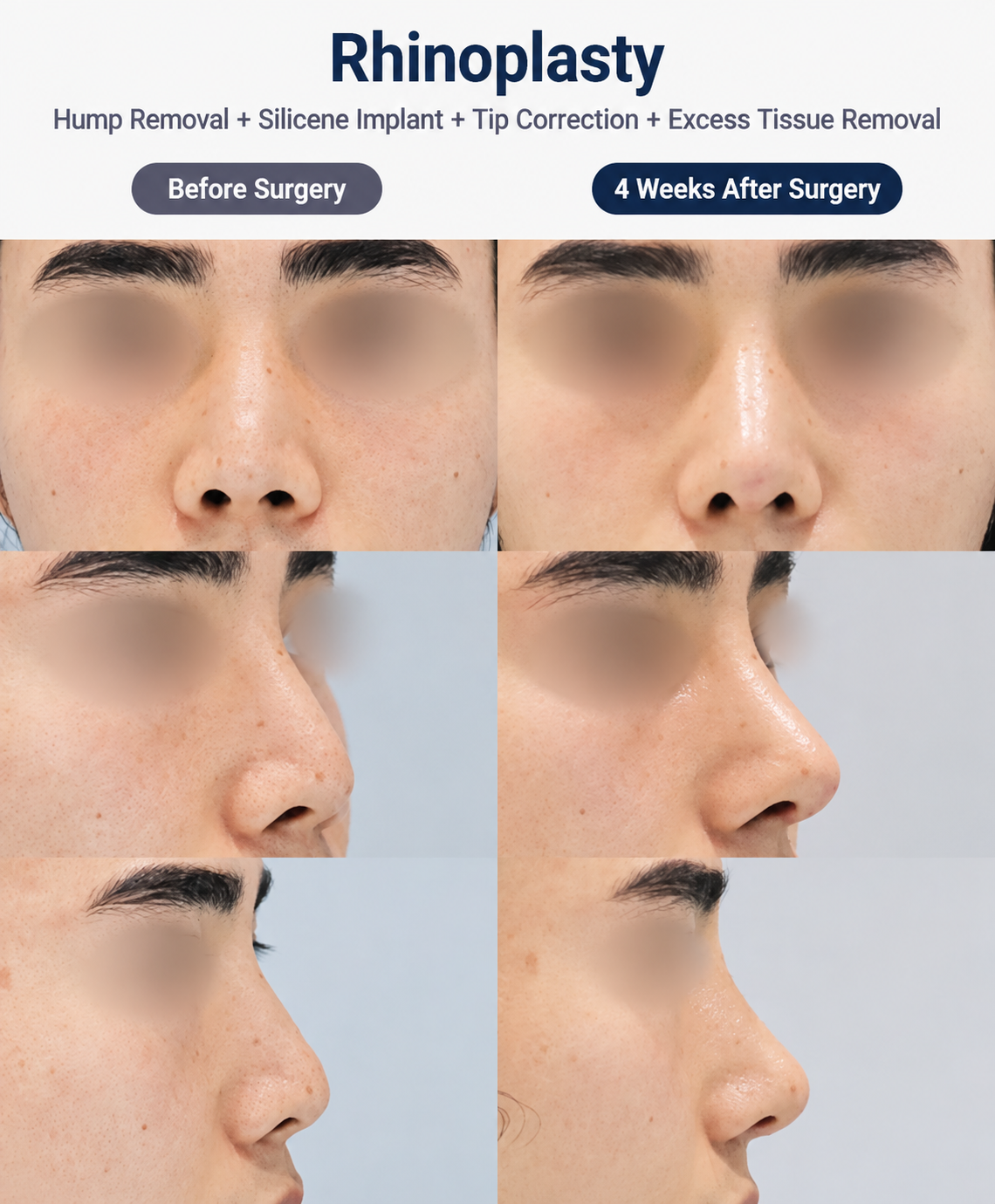
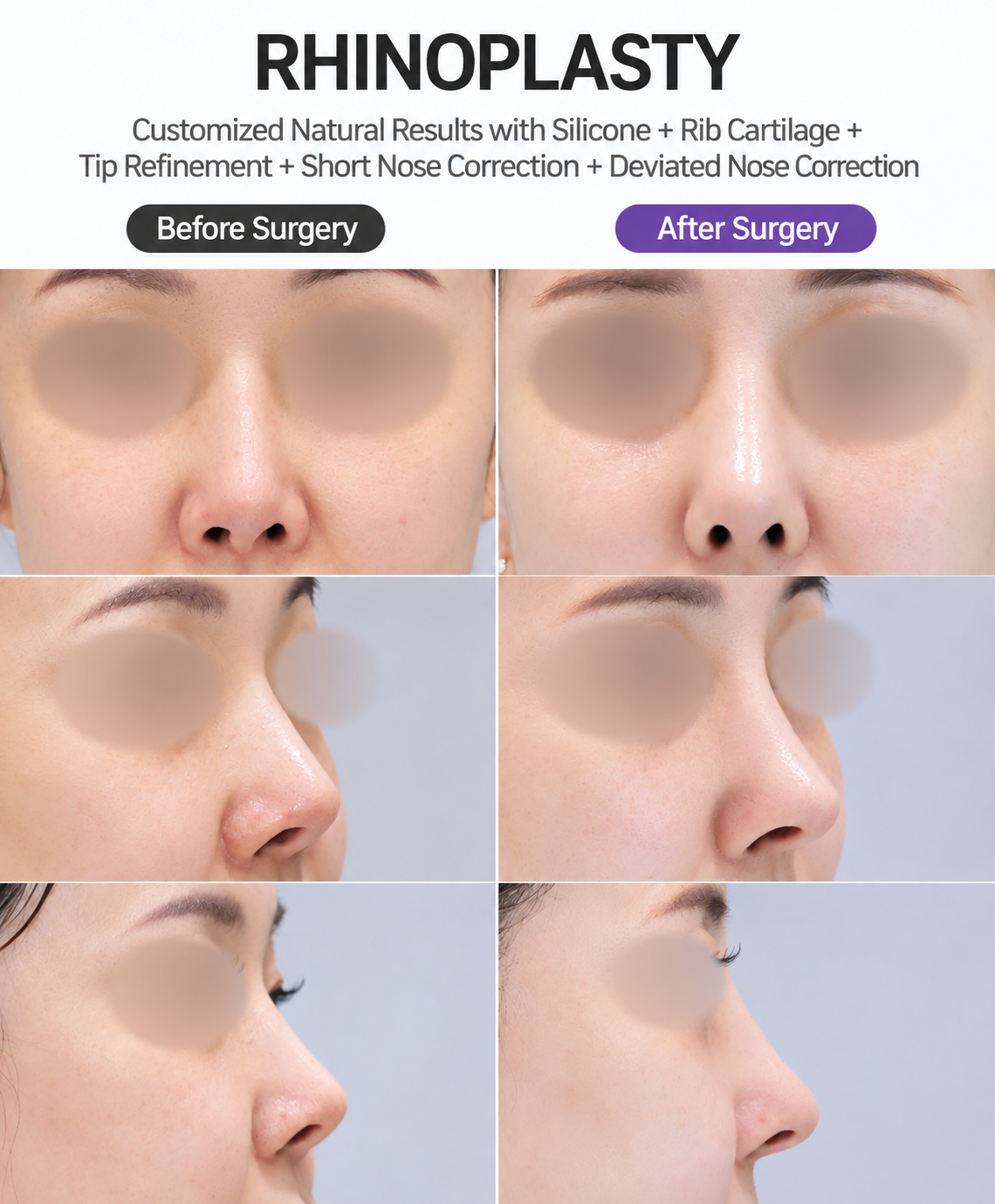
Customized nose surgery planning is the foundation of successful rhinoplasty. Rather than applying the same technique to every patient, surgeons develop an individualized treatment plan based on facial proportions, nasal anatomy, functional concerns, and personal aesthetic goals. A personalized approach helps create results that are balanced, natural-looking, and suited to each individual's unique features.
Why Personalization Matters
Every nose and every face are different.
A customized approach may help achieve:
- Better facial harmony
- Natural-looking results
- Balanced proportions
- Individualized refinement
- Structural stability
- Functional improvement when needed
- Long-term satisfaction
The ideal surgical plan varies from patient to patient.
Comprehensive Facial Analysis
Planning begins with a detailed evaluation of the entire face rather than the nose alone.
Important factors may include:
- Facial symmetry
- Overall proportions
- Chin position
- Forehead profile
- Skin thickness
- Nose shape
- Facial balance
This broader assessment helps ensure that the nose complements surrounding features.
Detailed Nasal Assessment
A thorough examination of the nose helps guide surgical decisions.
Areas commonly evaluated include:
- Bridge height
- Nasal length
- Tip projection
- Tip rotation
- Nostril shape
- Cartilage strength
- Internal nasal structure
Each finding contributes to the final treatment plan.
Creating Personalized Surgical Goals
The consultation is an opportunity to define realistic and individualized objectives.
Topics often discussed include:
- Desired appearance
- Natural-looking results
- Functional concerns
- Lifestyle considerations
- Previous nasal surgery
- Long-term expectations
- Recovery planning
Clear communication helps align expectations between the patient and surgeon.
Selecting the Right Surgical Techniques
Different techniques may be combined depending on the patient's anatomy and goals.
Possible methods include:
- Structural rhinoplasty
- Tip refinement
- Bridge augmentation
- Hump reduction
- Cartilage grafting
- Alar reduction
- Septal correction
The chosen approach is tailored to the specific needs of each case.
Planning for Structural Stability
A successful rhinoplasty should focus on both appearance and durability.
Planning may include:
- Cartilage support
- Tip reinforcement
- Bridge stability
- Functional preservation
- Long-term shape retention
- Airway support
- Balanced structural design
Maintaining proper support is essential for lasting results.
Recovery Planning Before Surgery
Preparation is an important part of the overall treatment process.
Patients should discuss:
- Recovery timeline
- Time away from work
- Travel arrangements
- Follow-up appointments
- Activity restrictions
- Postoperative care
- Expected healing stages
Proper planning can make the recovery period smoother and less stressful.
Questions to Ask During Your Consultation
Before moving forward with surgery, consider asking:
- What techniques do you recommend?
- What results are realistically achievable?
- Will cartilage grafting be necessary?
- How long is the recovery process?
- What are the potential risks?
- How will my breathing be affected?
- What follow-up care is required?
An informed discussion helps patients make confident decisions.
Final Thoughts
Customized nose surgery planning is about creating a treatment strategy that reflects each patient's anatomy, goals, and long-term needs. Through detailed evaluation, personalized surgical techniques, and careful structural planning, rhinoplasty can achieve balanced, natural-looking, and lasting results that enhance facial harmony while preserving individual character.