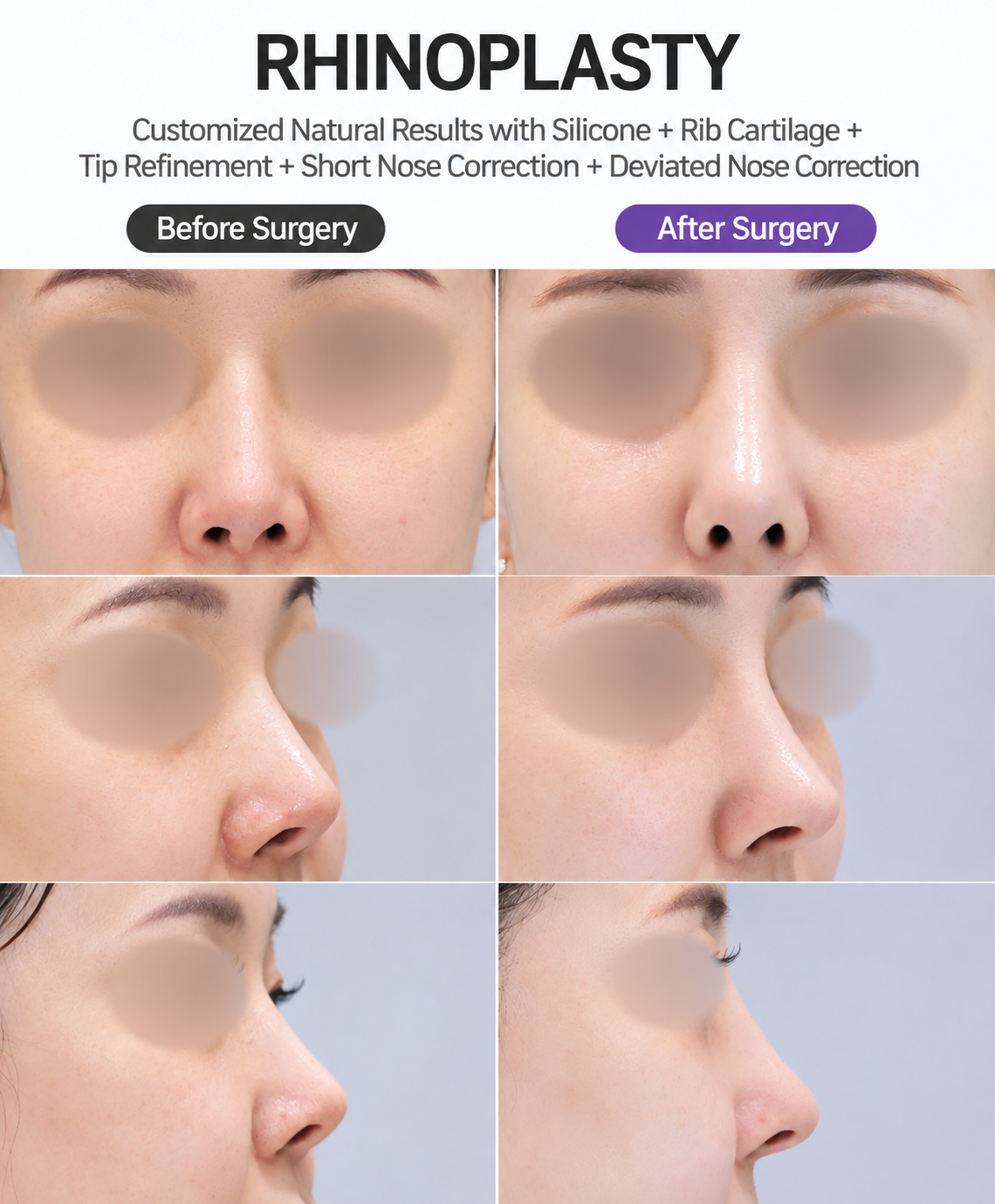
Natural Nose Design for Asian Faces
Natural Nose Design for Asian Faces
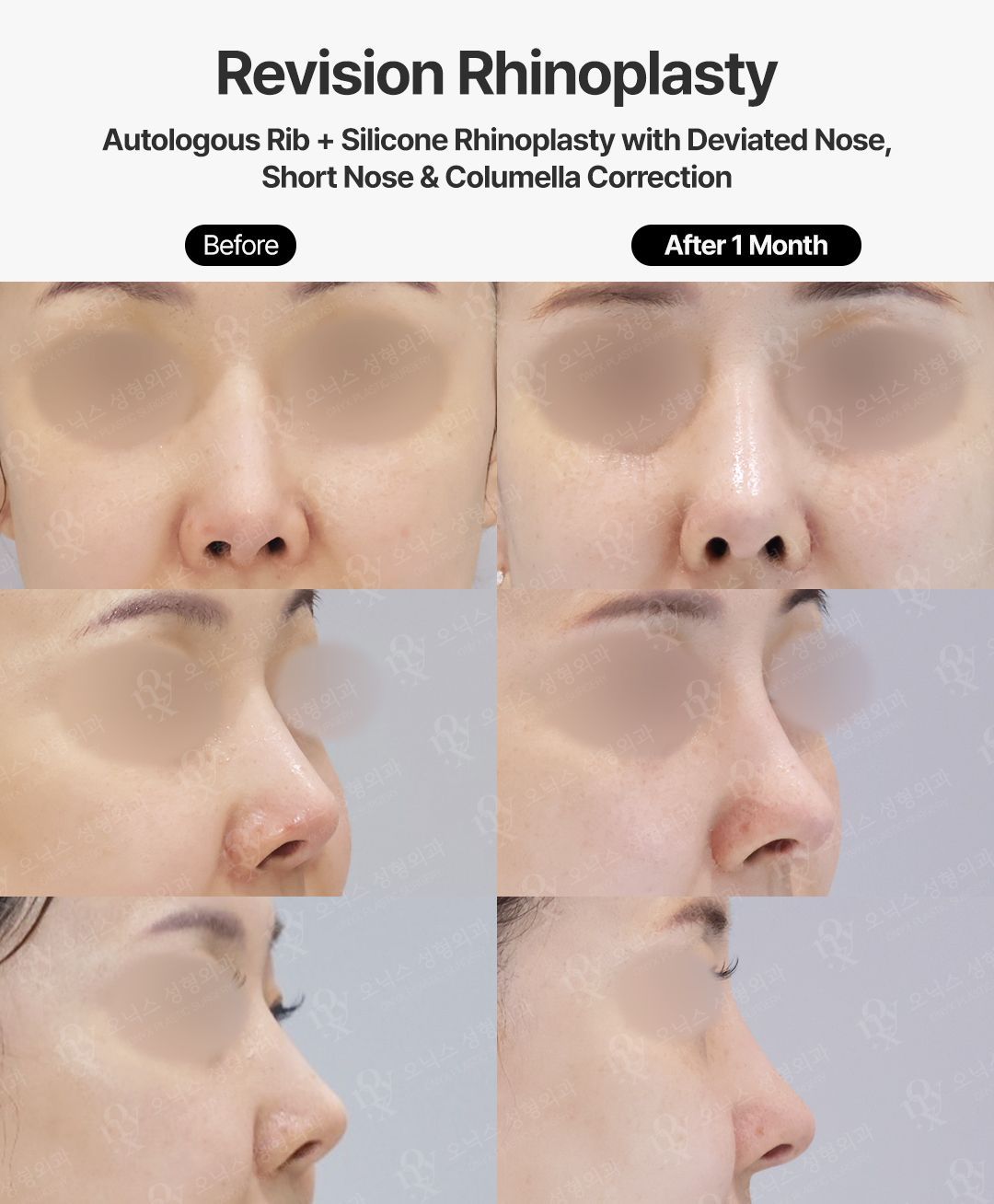
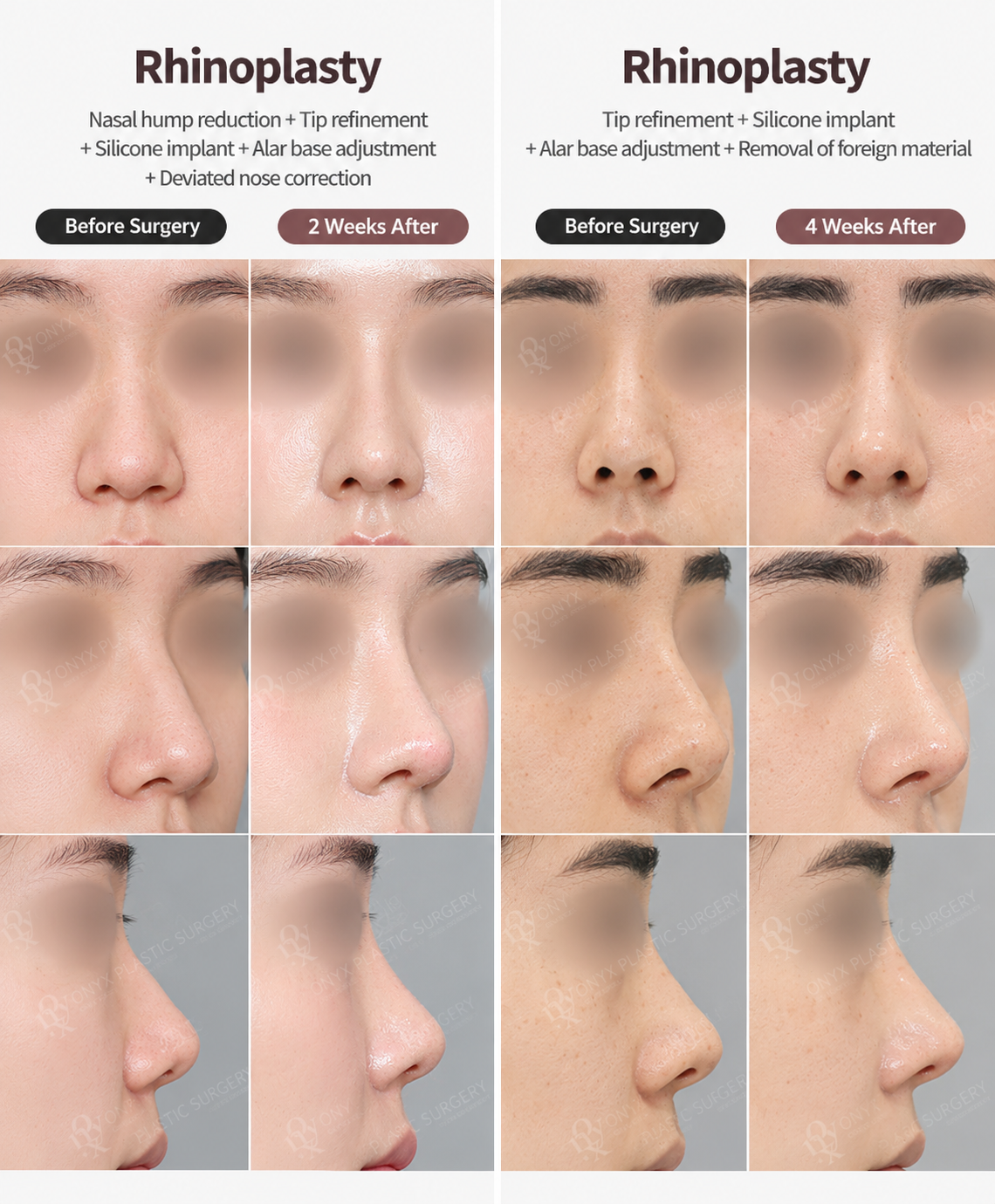
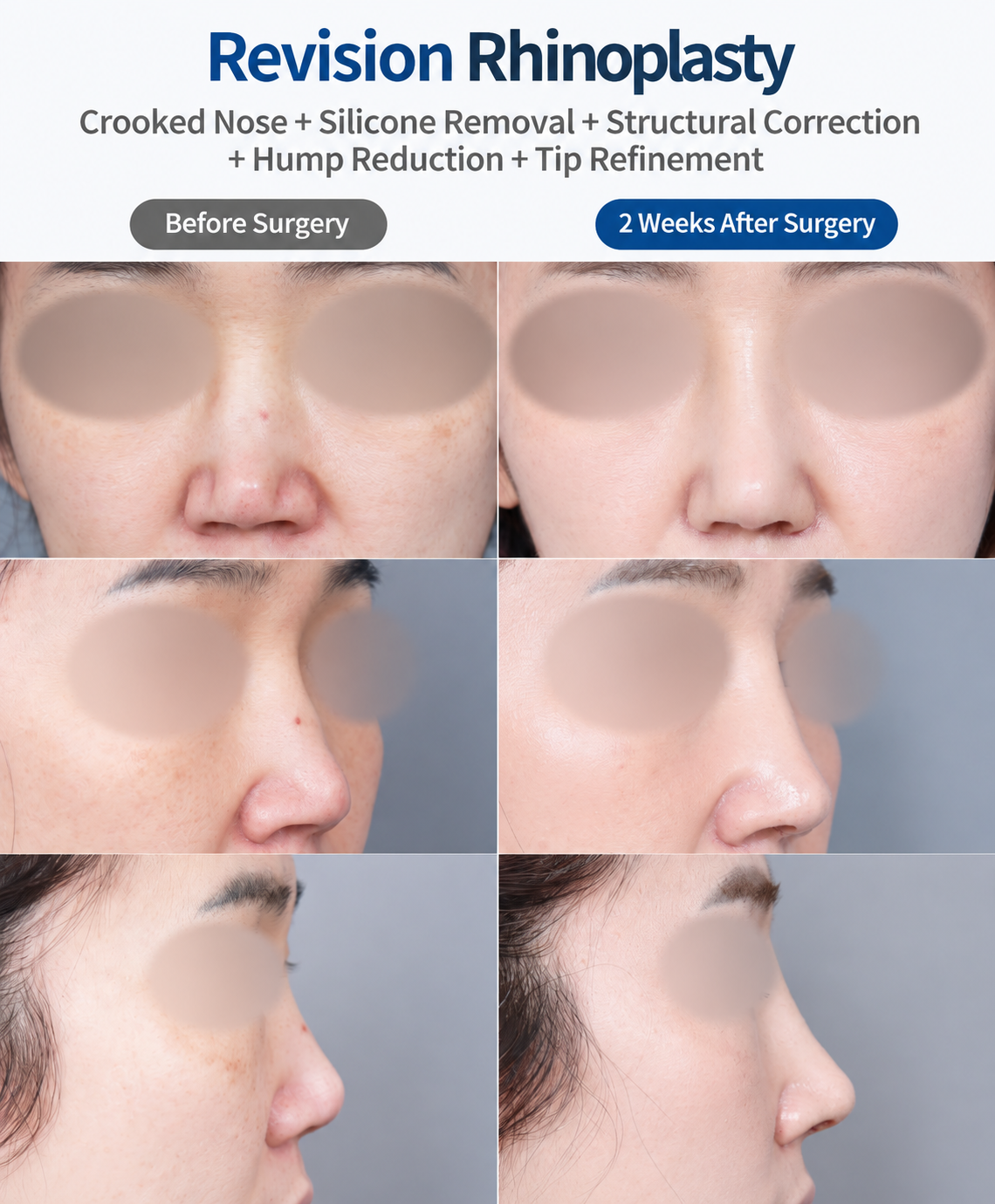
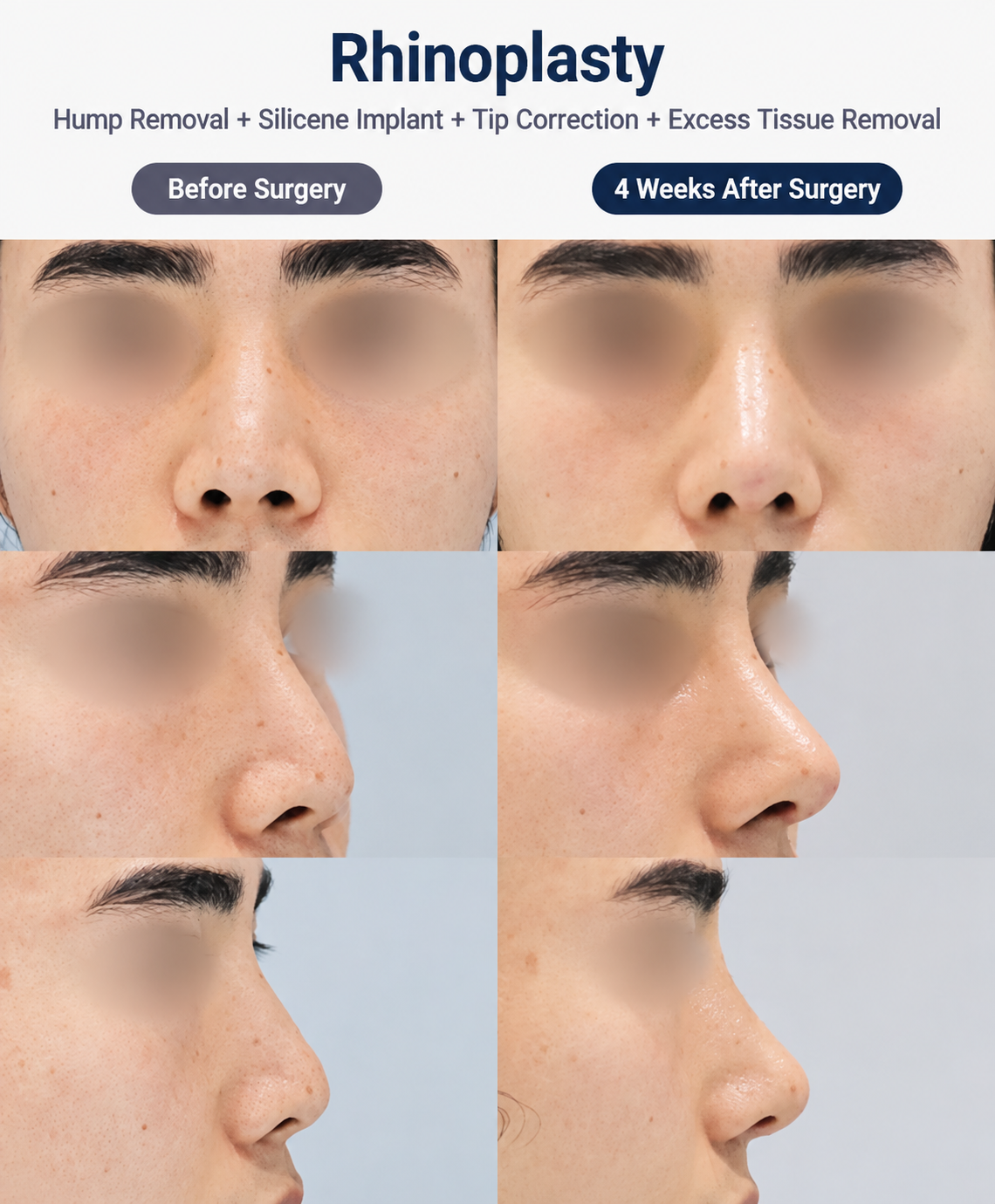
Natural nose design for Asian faces focuses on enhancing facial harmony rather than creating dramatic or artificial changes. Modern rhinoplasty emphasizes individualized planning, respecting each patient's unique anatomy and ethnic characteristics while improving balance, definition, and proportion. The goal is to achieve results that look refined and authentic rather than obviously surgical.
What Defines a Natural-Looking Result?
A natural outcome should complement the entire face instead of drawing unnecessary attention.
Key characteristics may include:
- Balanced proportions
- Smooth contours
- Appropriate bridge height
- Well-defined tip
- Symmetrical appearance
- Soft transitions
- Facial harmony
The ideal design is different for every individual.
The Importance of Personalized Planning
No single nose shape suits every face.
During treatment planning, surgeons may evaluate:
- Facial proportions
- Skin thickness
- Cartilage strength
- Nasal width
- Tip projection
- Side profile
- Overall facial balance
Individualized planning helps create results that fit naturally with existing features.
Bridge Design Considerations
The nasal bridge plays a significant role in facial balance.
Design goals may include:
- Gentle bridge definition
- Appropriate height
- Smooth profile
- Natural contour
- Balanced projection
- Soft transition to the forehead
- Harmonious proportions
Excessive augmentation may not produce the most natural appearance.
Nasal Tip Refinement
The tip is often one of the most carefully planned parts of rhinoplasty.
Possible objectives include:
- Better definition
- Improved projection
- Natural rotation
- Enhanced symmetry
- Structural support
- Smooth contours
- Balanced proportions
The desired shape should complement the patient's facial characteristics.
Structural Support for Long-Term Stability
A beautiful result should also be structurally stable.
Support techniques may involve:
- Cartilage grafting
- Tip reinforcement
- Structural rhinoplasty
- Septal support
- Bridge stabilization
- Shape preservation
- Long-term durability
Proper support helps maintain results over time.
Preserving Individual Features
Natural rhinoplasty does not aim to erase individuality.
Many patients wish to preserve:
- Ethnic identity
- Personal facial characteristics
- Unique profile
- Familiar appearance
- Family resemblance
- Natural expressions
- Overall facial character
The objective is enhancement rather than complete transformation.
Recovery and Gradual Refinement
The final appearance develops slowly as healing progresses.
Patients commonly experience:
- Temporary swelling
- Mild bruising
- Tip firmness
- Progressive contour refinement
- Gradual reduction in swelling
- Ongoing tissue healing
- Continued improvement over several months
Patience is essential throughout the recovery process.
Questions to Discuss During Consultation
Before surgery, consider asking about:
- Personalized design goals
- Expected bridge height
- Tip refinement plan
- Cartilage graft options
- Recovery timeline
- Long-term stability
- Natural-looking outcome expectations
Clear communication helps align surgical planning with your personal preferences.
Final Thoughts
Natural nose design for Asian faces is based on personalized planning, structural stability, and respect for each individual's unique facial features. Rather than pursuing a standardized appearance, modern rhinoplasty aims to create balanced, refined, and long-lasting results that enhance facial harmony while preserving natural identity and character.