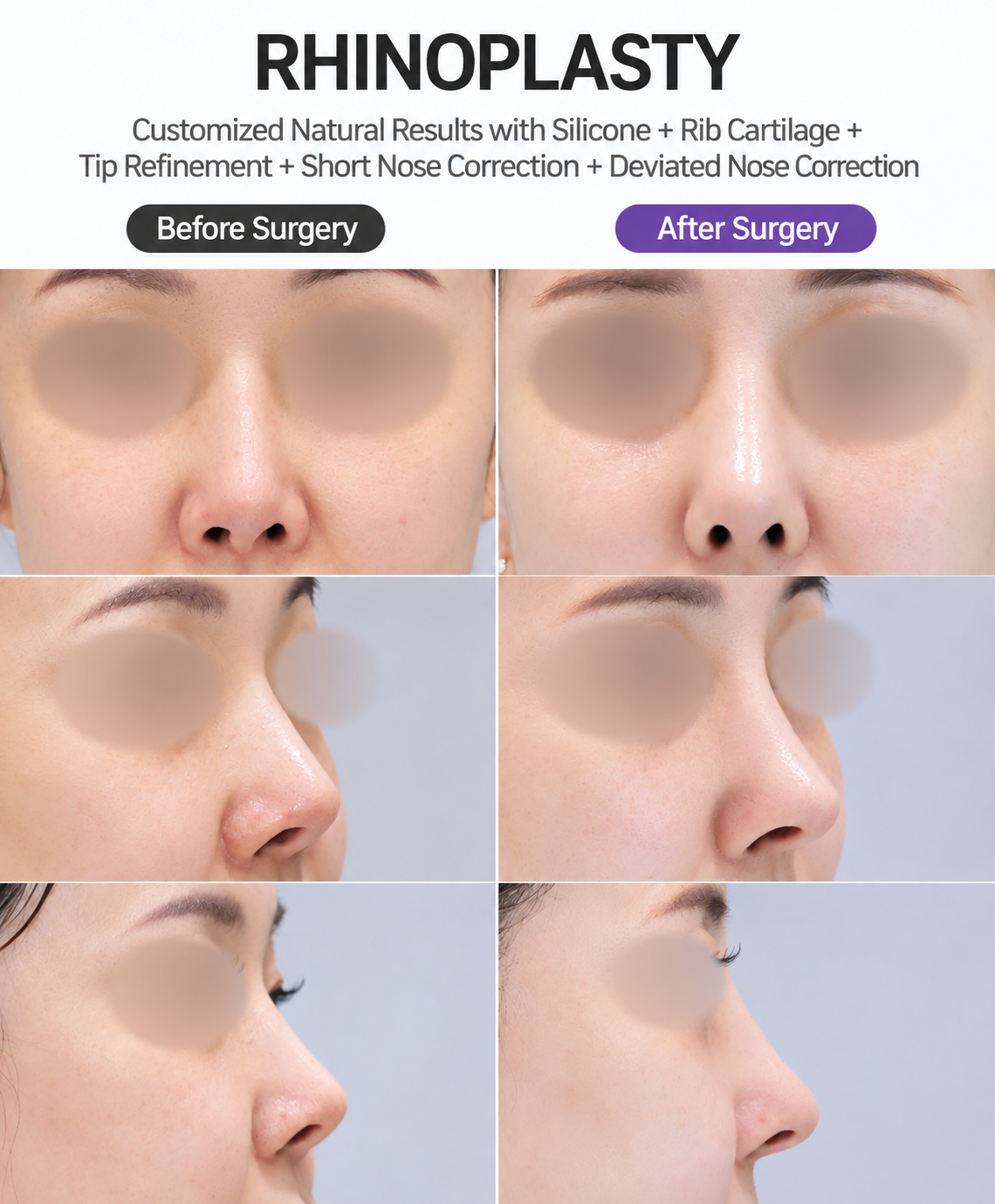
Before and After Asian Rhinoplasty
Before and After Asian Rhinoplasty
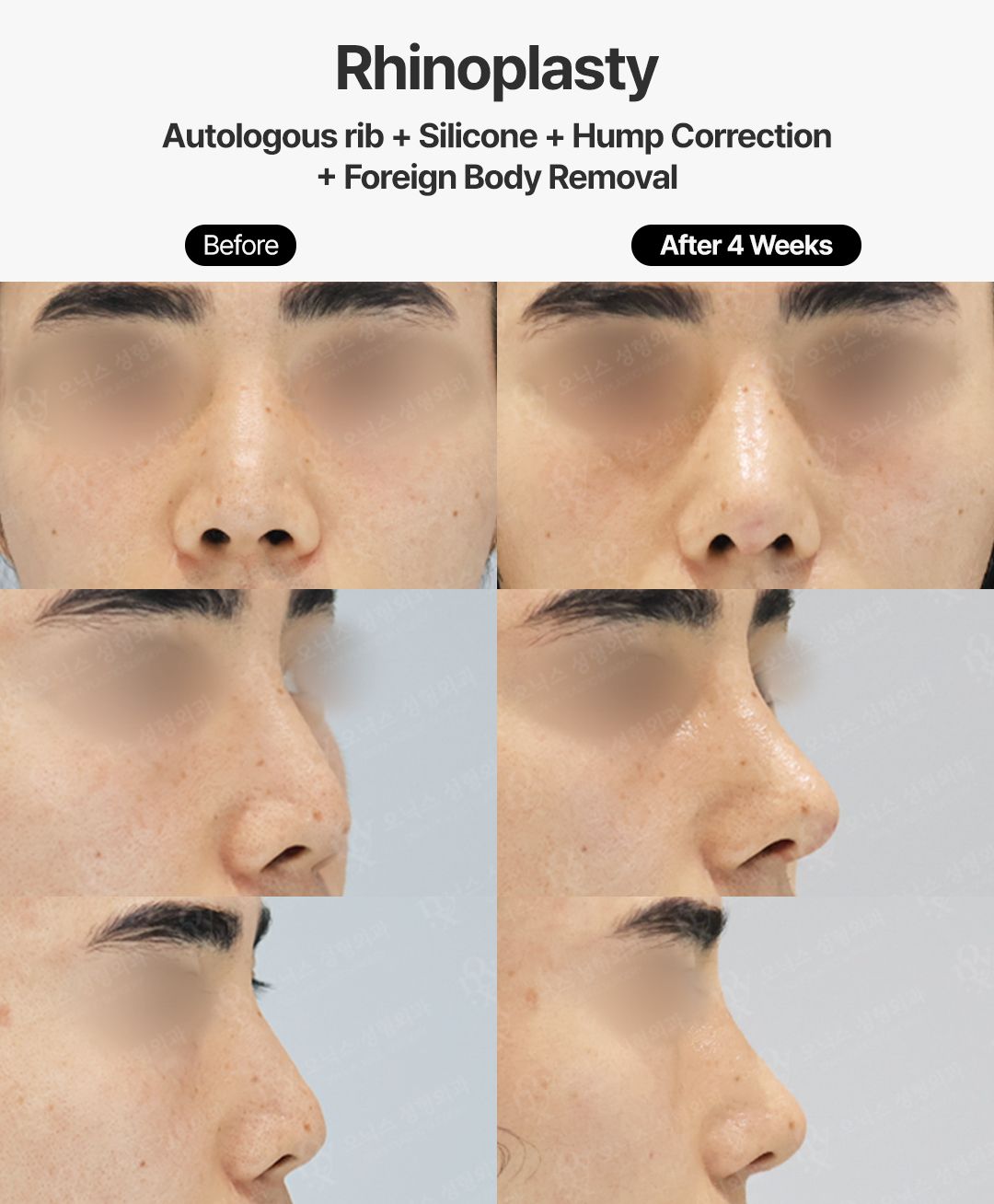
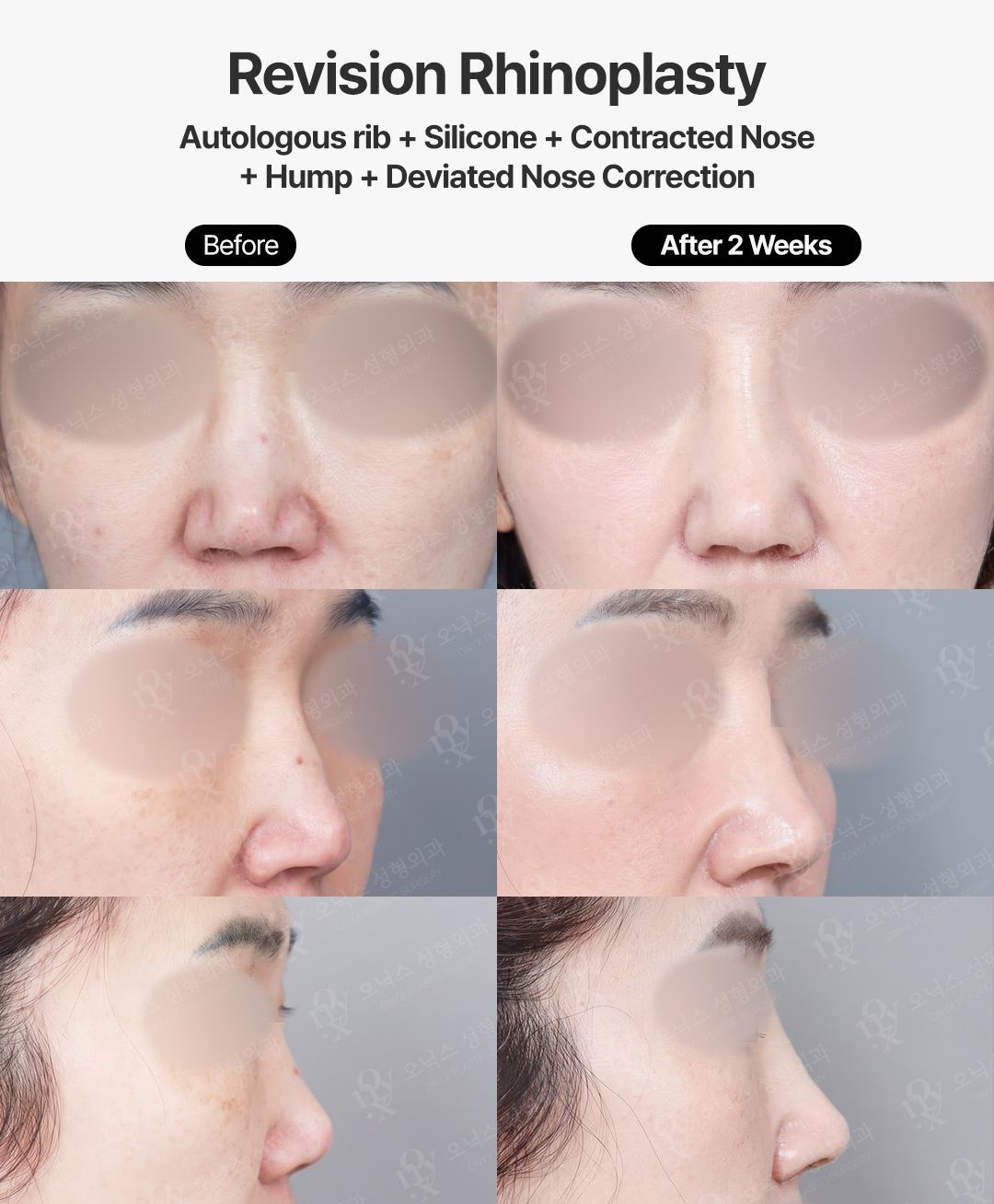
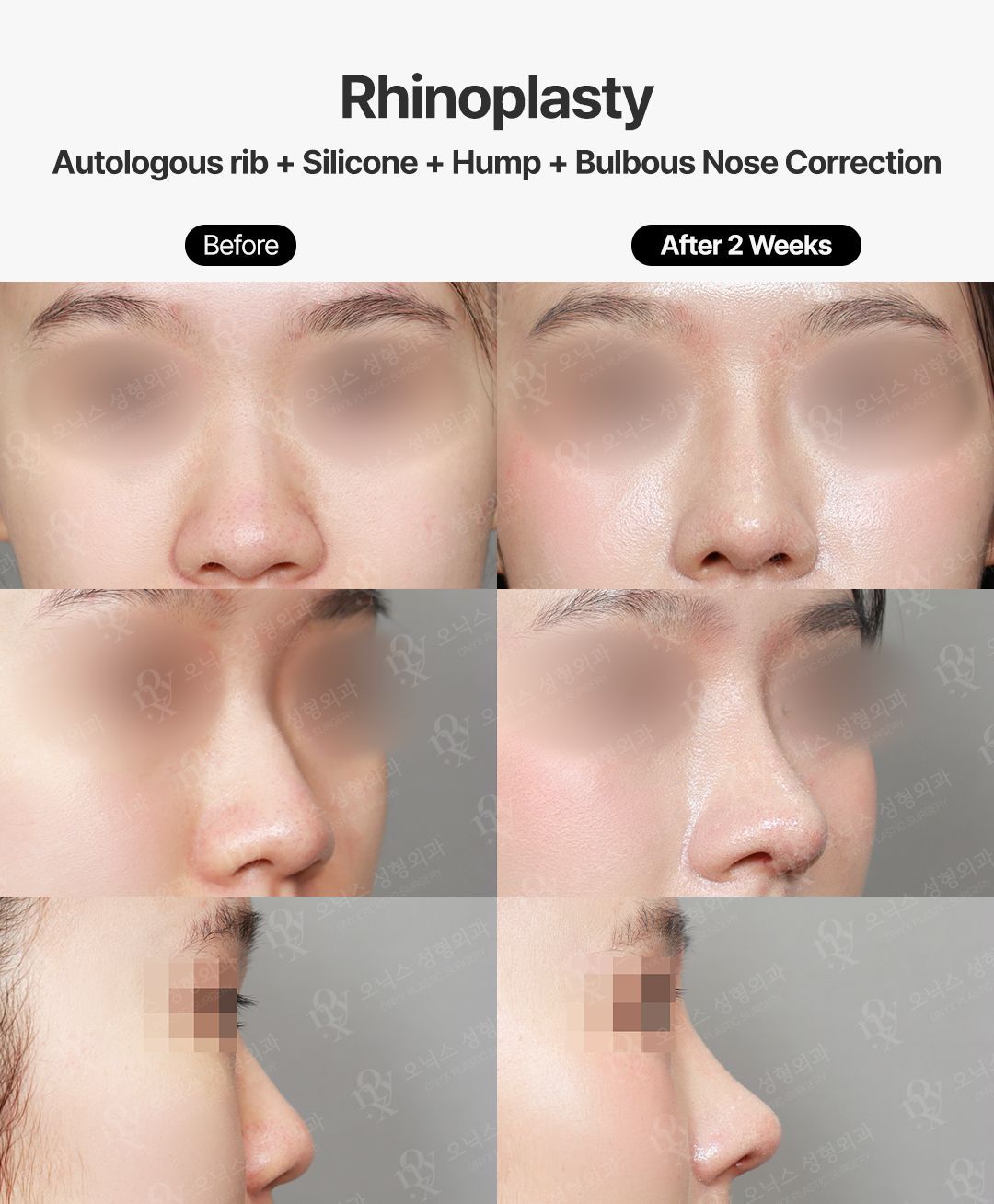
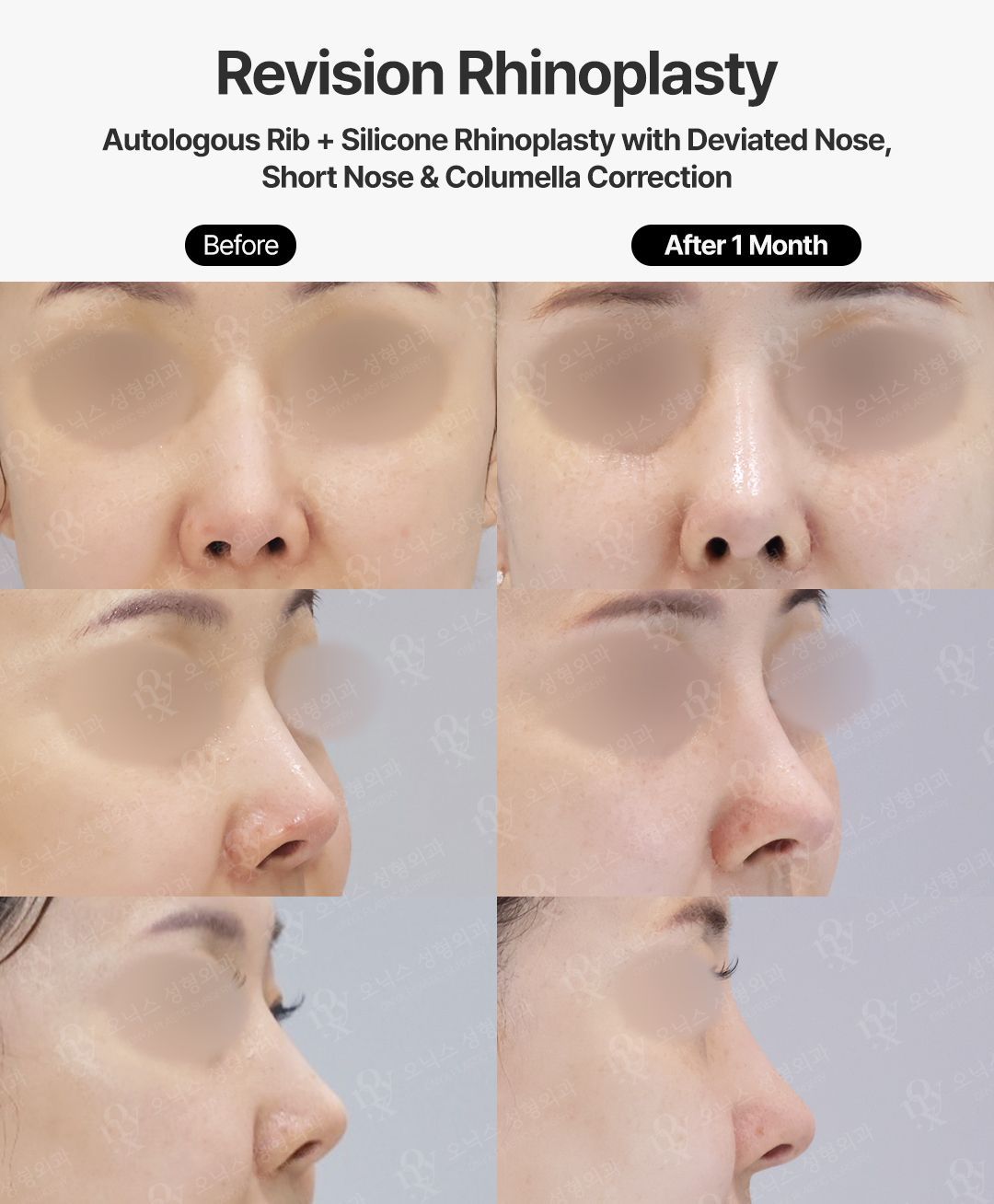
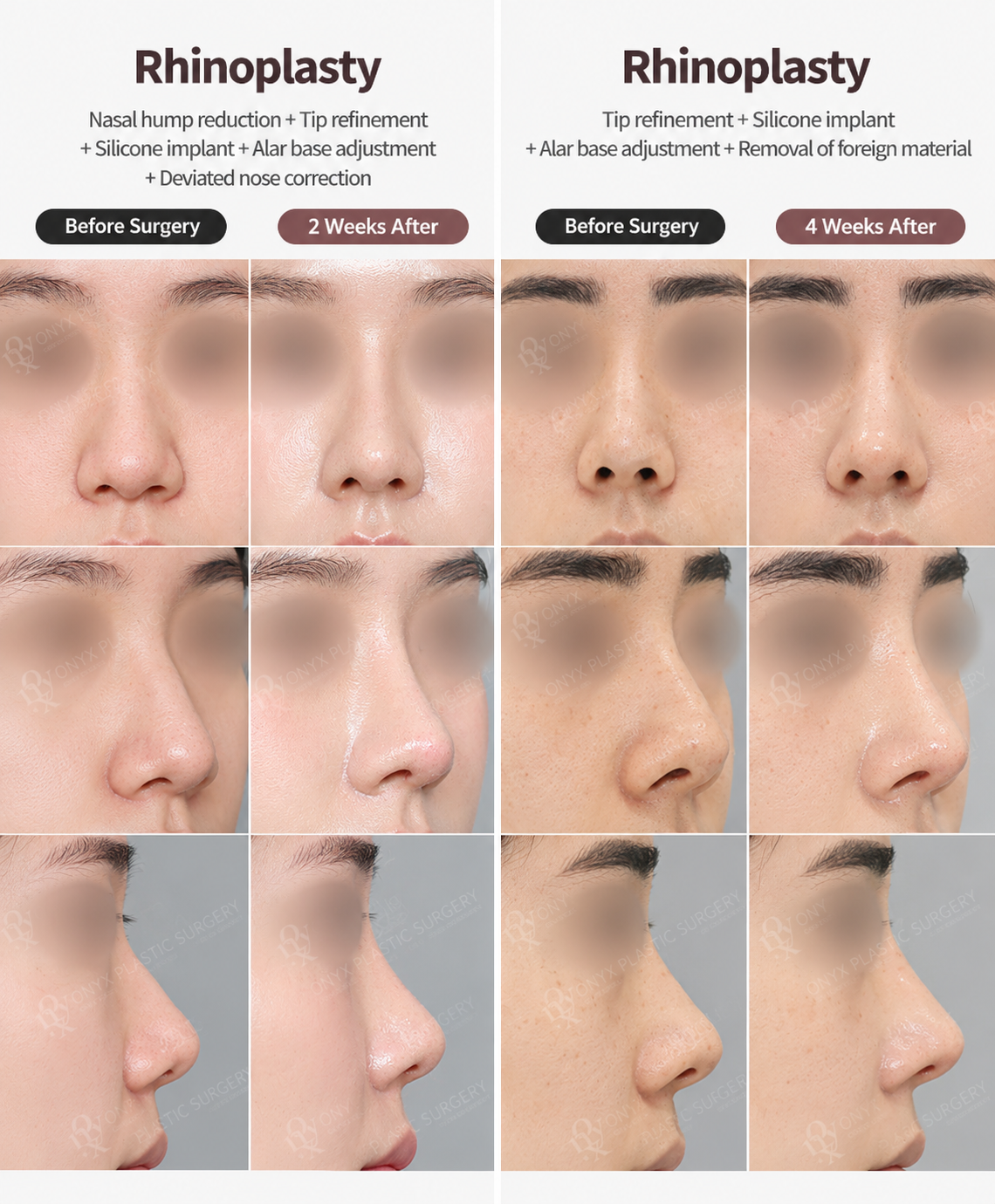
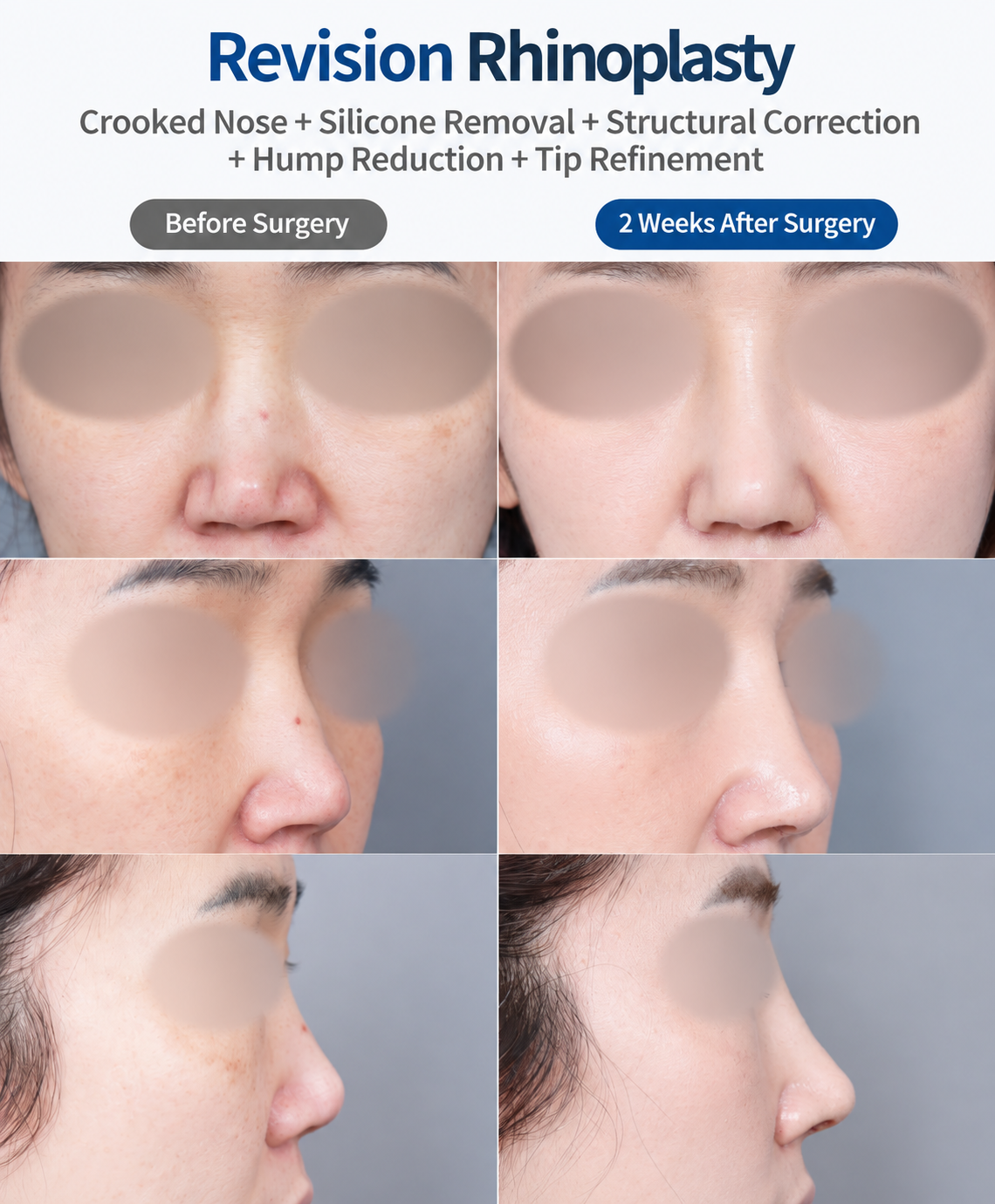
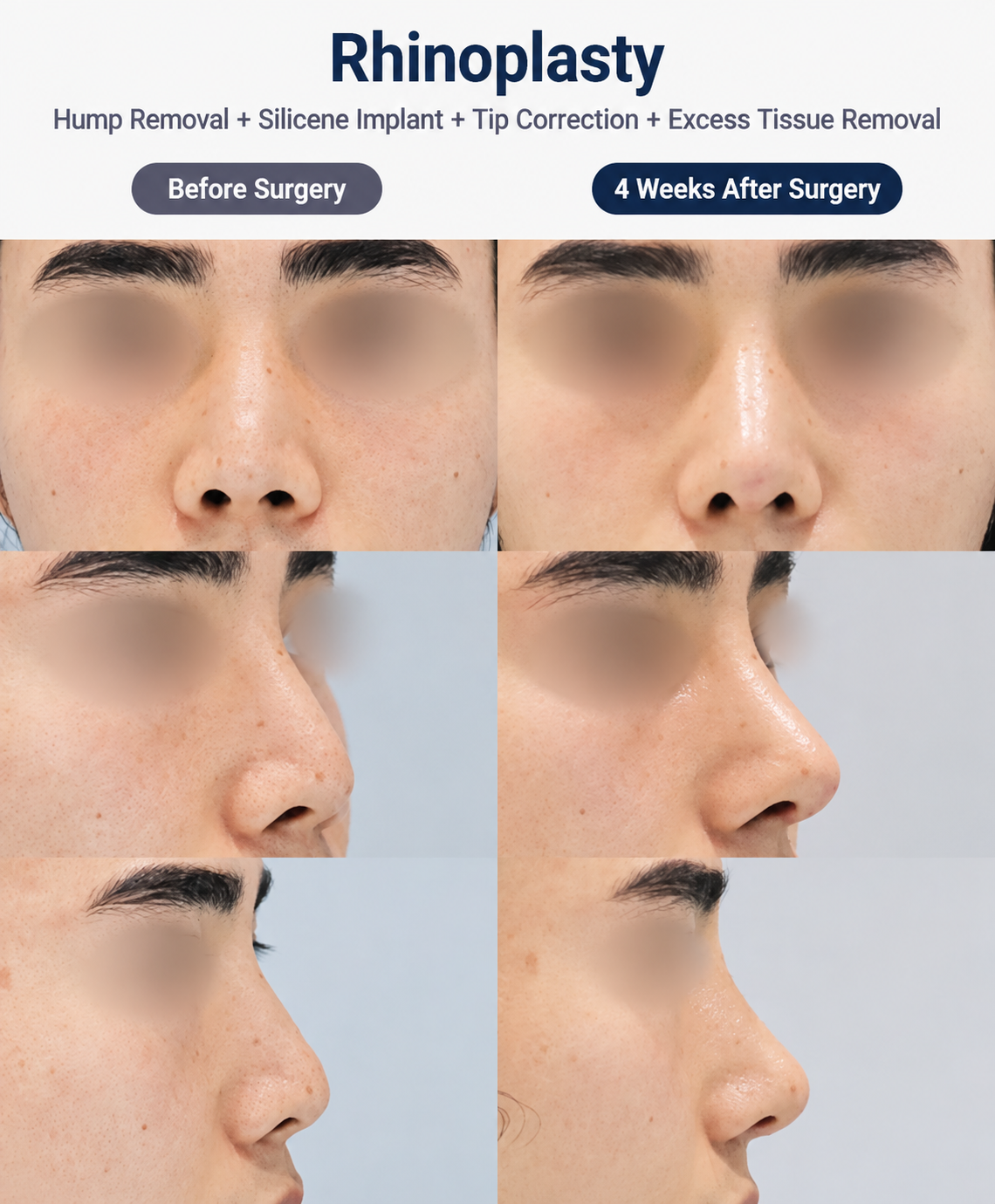
Before and after Asian rhinoplasty comparisons can help patients understand the types of changes that may be possible with surgery. However, every nose is unique, and results vary based on facial anatomy, skin thickness, cartilage structure, healing response, and individual goals. The focus of modern Asian rhinoplasty is typically on creating balanced, natural-looking improvements rather than dramatic transformation.
What Is Evaluated Before Surgery?
A comprehensive consultation helps create a personalized treatment plan.
The evaluation may include:
- Facial proportions
- Nasal bridge height
- Tip projection
- Tip shape
- Nostril width
- Skin thickness
- Overall facial harmony
These factors guide the surgical approach and expected outcome.
Common Before and After Changes
Depending on the procedure, patients may notice improvements in several areas.
Potential changes include:
- Higher nasal bridge
- Better tip definition
- Improved projection
- Enhanced symmetry
- Refined contours
- Better facial balance
- More harmonious profile
The exact results depend on each individual's anatomy and goals.
Bridge Enhancement
For patients with a lower nasal bridge, augmentation may improve profile definition.
Possible outcomes include:
- Increased bridge height
- Smoother contour
- Better side profile
- Natural transition
- Improved facial proportions
- Enhanced definition
- Balanced appearance
The amount of augmentation is carefully planned to avoid an artificial look.
Nasal Tip Refinement
Tip refinement is often an important component of Asian rhinoplasty.
Potential improvements include:
- Better tip projection
- Increased definition
- Improved symmetry
- Refined contours
- Better structural support
- Balanced proportions
- Natural appearance
The objective is to complement the rest of the face rather than create excessive sharpness.
Changes in Facial Harmony
Even subtle adjustments to the nose can influence the overall facial appearance.
Patients may notice:
- Better profile balance
- Improved front-view proportions
- Softer transitions
- More defined facial features
- Enhanced overall symmetry
- Increased confidence
- Natural-looking refinement
Well-planned changes often appear harmonious rather than obvious.
Recovery Before Final Results
Immediate postoperative appearance does not represent the final outcome.
During recovery, patients commonly experience:
- Swelling
- Mild bruising
- Temporary congestion
- Tip firmness
- Gradual contour refinement
- Progressive reduction in swelling
- Continued healing over many months
Patience is essential while the nose continues to settle.
Setting Realistic Expectations
Before and after photos can provide general examples but should not be viewed as guarantees.
Important considerations include:
- Individual anatomy
- Healing differences
- Skin thickness
- Surgical technique
- Cartilage quality
- Functional needs
- Personal goals
A consultation with an experienced surgeon is the best way to understand your likely outcome.
Questions to Discuss During Consultation
Before surgery, consider asking about:
- Expected changes for your anatomy
- Personalized treatment plan
- Cartilage graft options
- Recovery timeline
- Potential risks
- Long-term stability
- Realistic outcome expectations
Clear communication helps establish achievable goals and informed expectations.
Final Thoughts
Before and after Asian rhinoplasty results should be viewed as individualized outcomes rather than universal standards. Through personalized planning, careful structural techniques, and attention to facial harmony, the procedure can create natural-looking, balanced, and long-lasting improvements that enhance each patient's unique features while preserving their individual identity.