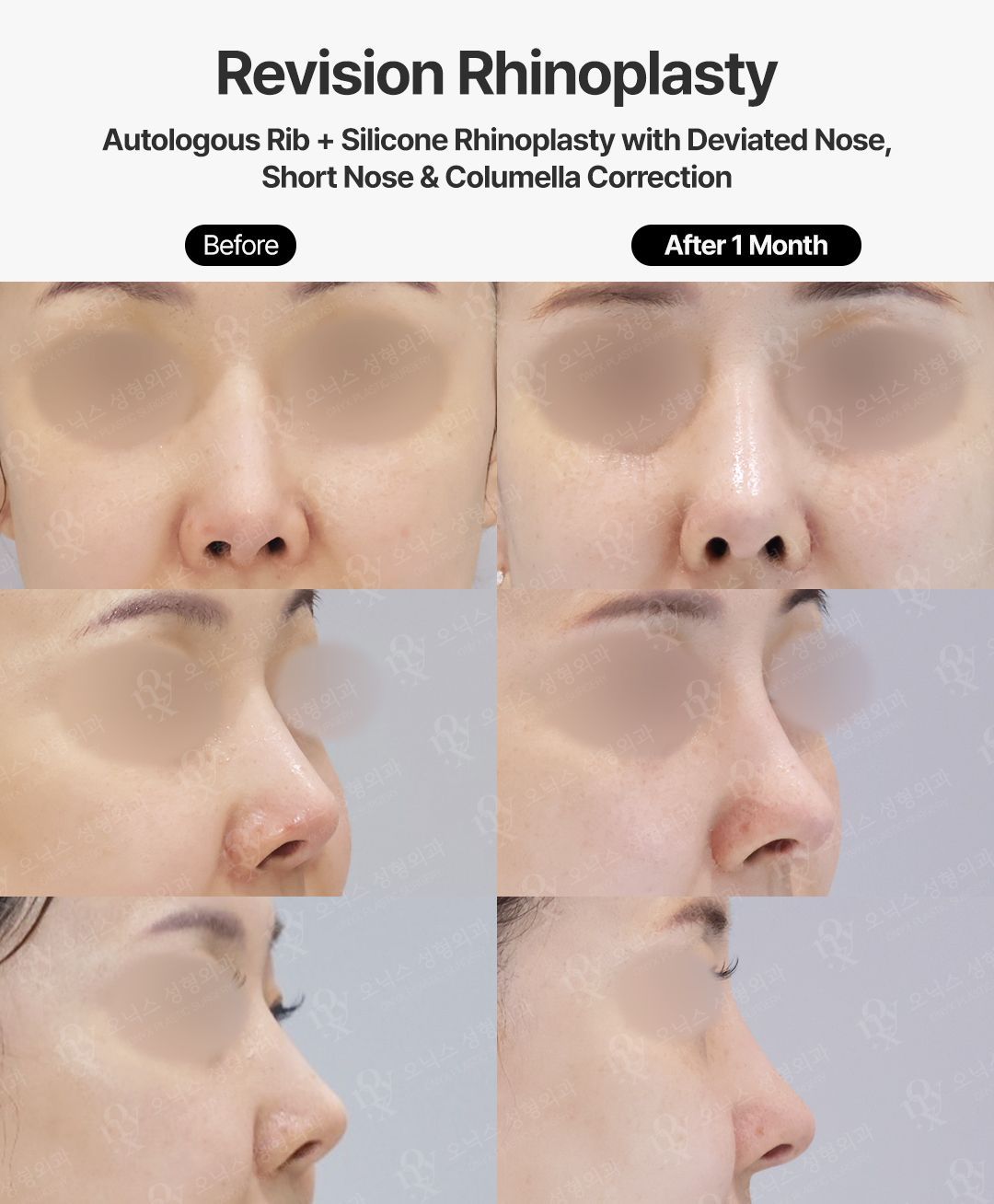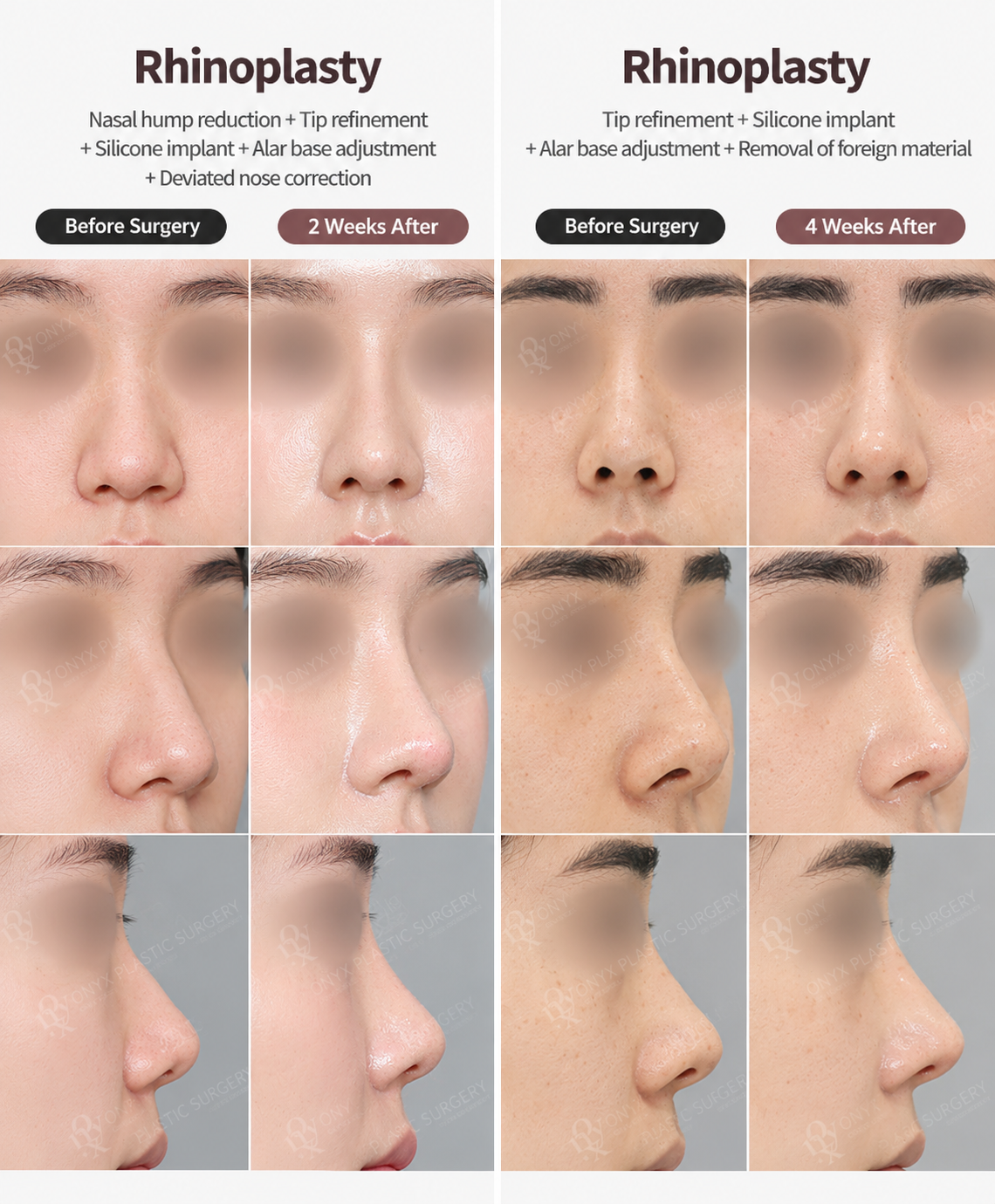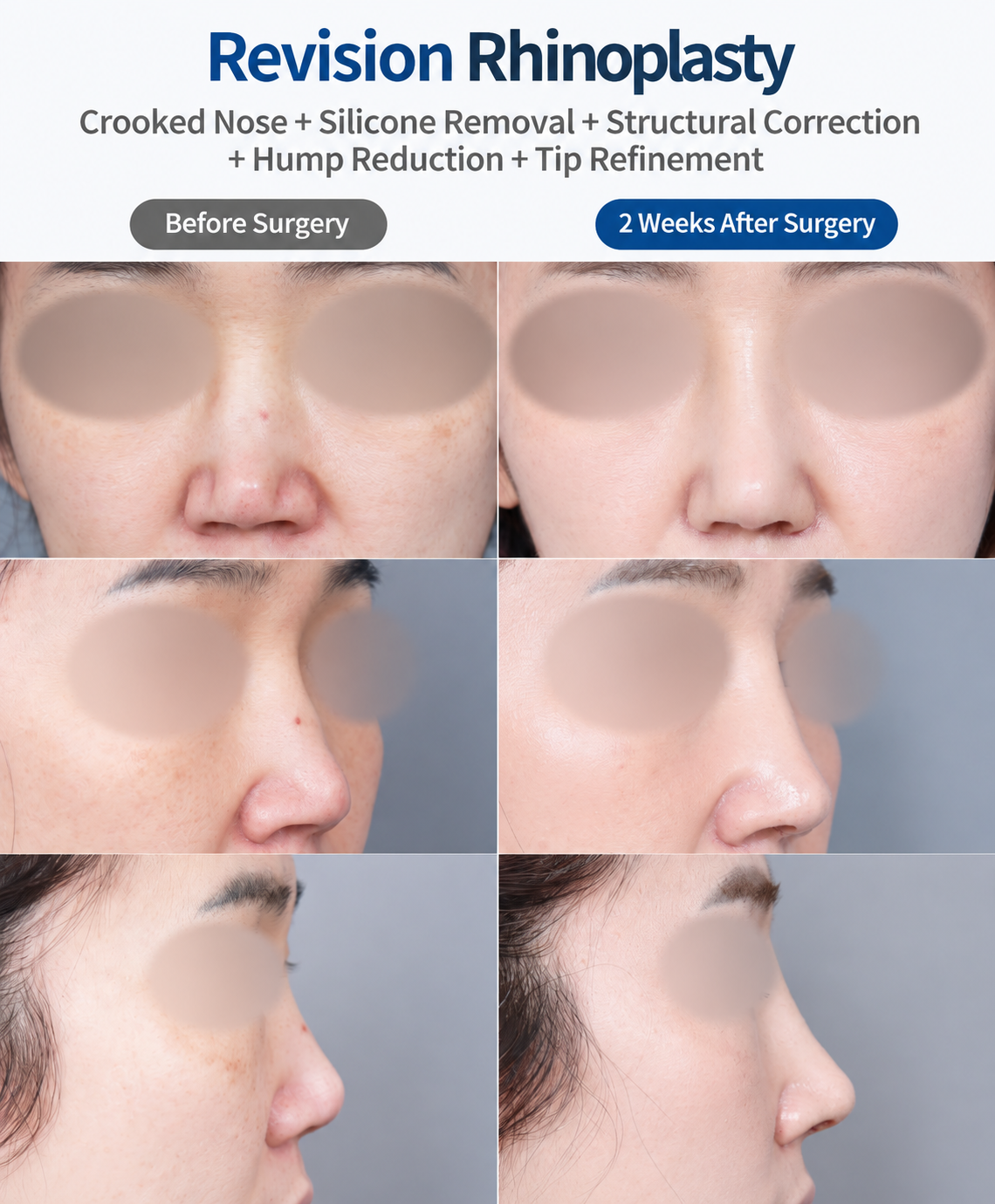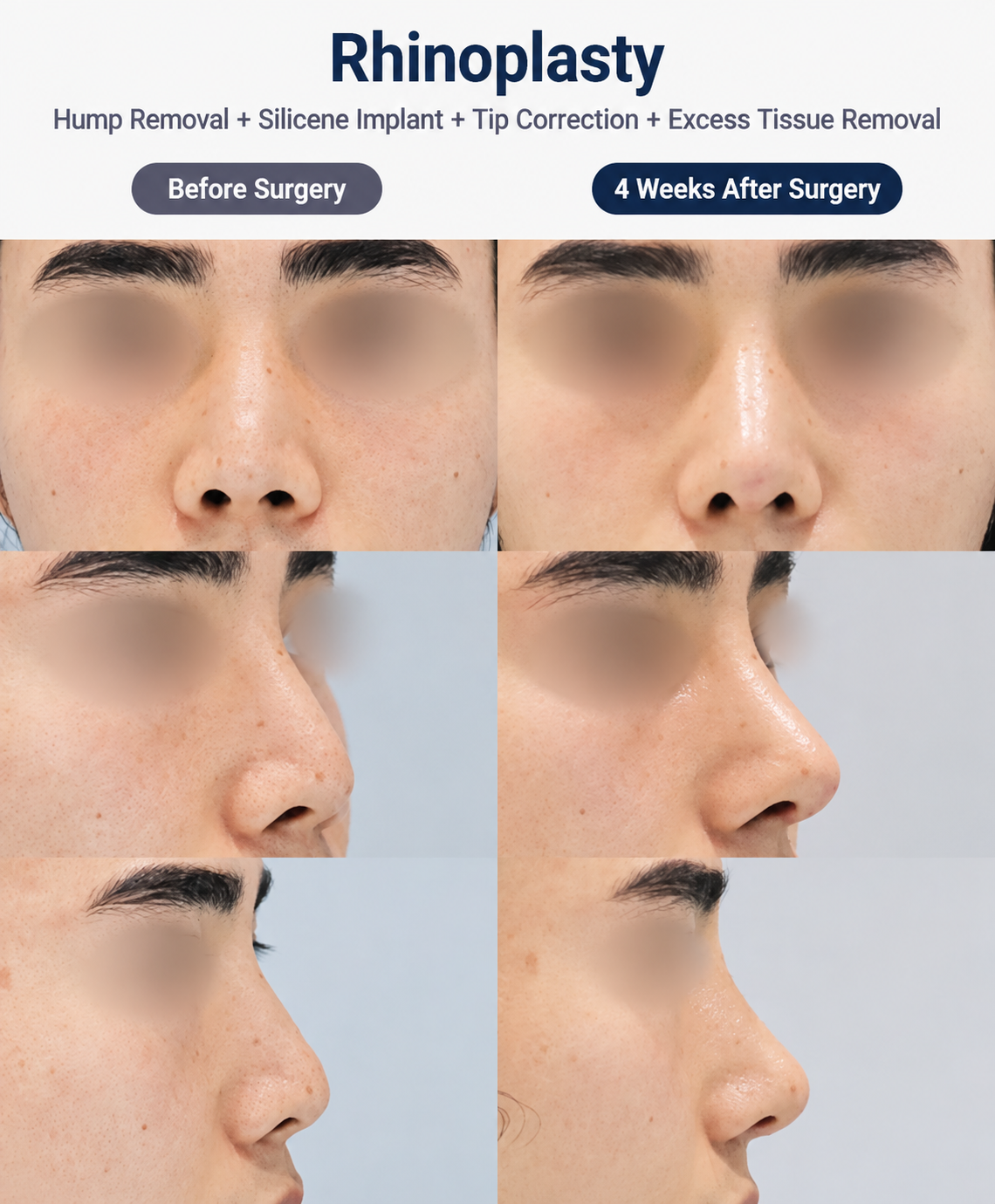
Cosmetic and Functional Rhinoplasty Together
Cosmetic and Functional Rhinoplasty Together
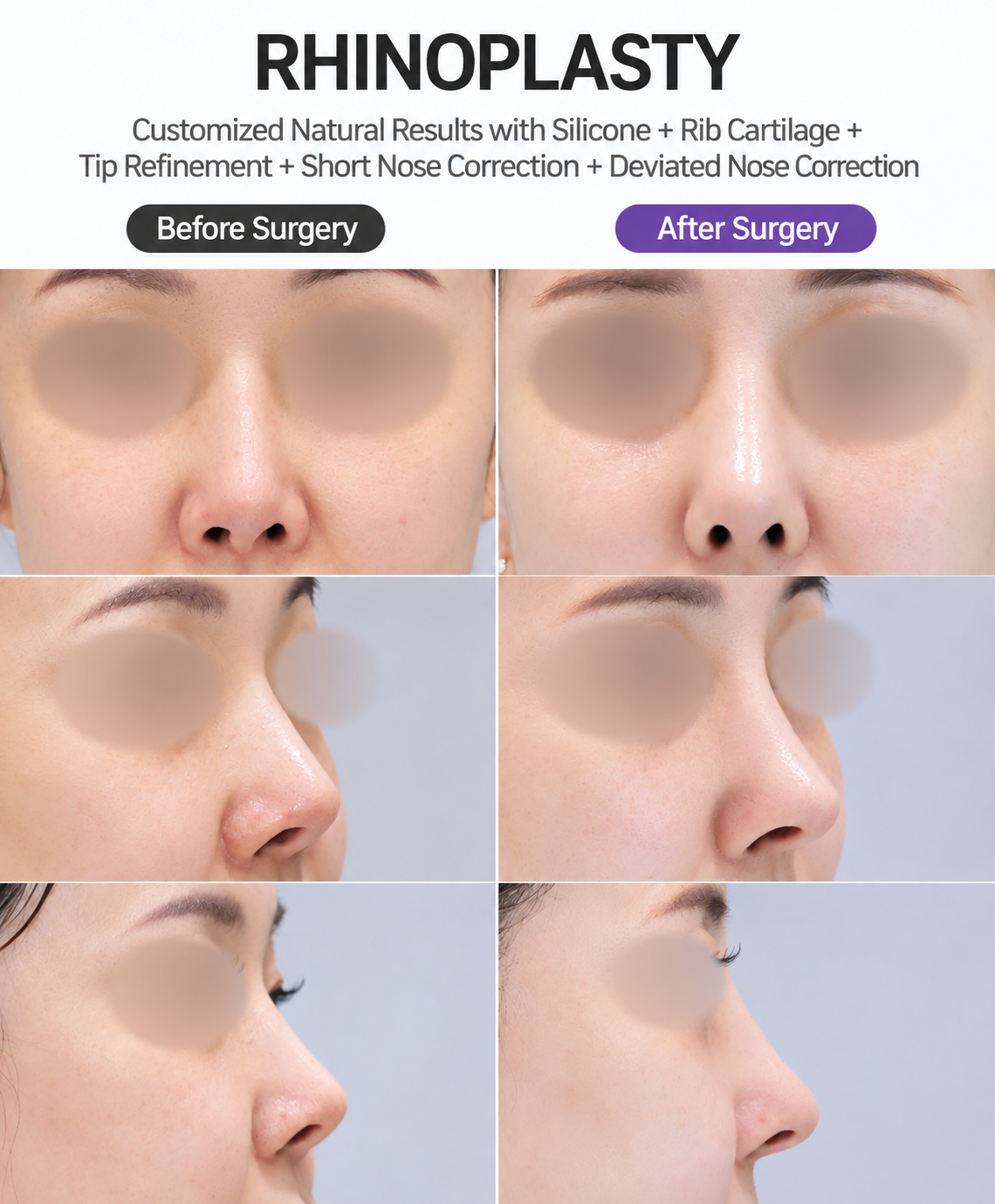
Cosmetic and functional rhinoplasty can often be performed during the same operation, allowing patients to improve both the appearance of the nose and its ability to function properly. By addressing structural and aesthetic concerns simultaneously, surgeons can create a treatment plan that supports facial harmony while also improving nasal airflow and stability.
What Is Combined Rhinoplasty?
A combined procedure focuses on both cosmetic enhancement and functional correction.
Common goals include:
- Better facial balance
- Improved nasal breathing
- Structural reinforcement
- Tip refinement
- Bridge reshaping
- Enhanced symmetry
- Long-term stability
The exact surgical plan is customized for each patient.
Who May Be a Good Candidate?
Some patients have both cosmetic concerns and structural issues that affect breathing.
Common reasons for combined surgery include:
- Deviated septum
- Nasal valve collapse
- Crooked nose
- Previous nasal trauma
- Bridge irregularities
- Tip asymmetry
- Functional breathing problems
A comprehensive evaluation helps determine the most appropriate approach.
Common Functional Procedures
Functional components of surgery may include:
- Septoplasty
- Nasal valve repair
- Structural rhinoplasty
- Turbinate reduction
- Cartilage grafting
- Airway reconstruction
- Internal support techniques
These procedures are designed to improve airflow and nasal function.
Common Cosmetic Procedures
The aesthetic portion of surgery may address:
- Bridge augmentation
- Hump reduction
- Tip refinement
- Tip projection
- Nose straightening
- Alar reduction
- Overall contour improvement
The goal is to create balanced, natural-looking results that complement the patient's facial features.
The Role of Cartilage Grafts
Cartilage grafts are frequently used to support both cosmetic and functional outcomes.
Common sources include:
- Septal cartilage
- Ear cartilage
- Rib cartilage
They may provide:
- Tip support
- Structural reinforcement
- Nasal valve stability
- Airway improvement
- Shape refinement
- Long-term durability
The choice of graft depends on the patient's anatomy and surgical needs.
Benefits of Combining Procedures
For appropriate candidates, performing both procedures together may offer several advantages.
Potential benefits include:
- Single operation
- One recovery period
- Coordinated surgical planning
- Improved breathing
- Enhanced facial harmony
- Structural stability
- Comprehensive treatment approach
The suitability of combined surgery varies between patients.
Recovery Expectations
Recovery depends on the complexity of the procedure and individual healing characteristics.
Patients commonly experience:
- Swelling
- Mild bruising
- Temporary congestion
- Nasal tenderness
- Progressive healing
- Gradual breathing improvement
- Continued contour refinement over several months
Following postoperative instructions is important for optimal recovery.
Questions to Ask During Your Consultation
Before surgery, consider discussing:
- Can my cosmetic and functional concerns be treated together?
- What techniques will be used?
- Will cartilage grafts be necessary?
- What improvements in breathing can I realistically expect?
- What cosmetic changes are planned?
- What is the expected recovery timeline?
- How will long-term results be monitored?
A detailed consultation helps create a personalized surgical plan and realistic expectations.
Final Thoughts
Combining cosmetic and functional rhinoplasty allows surgeons to address appearance and breathing concerns in a single, individualized procedure. By integrating structural correction with aesthetic refinement, patients may achieve improved nasal function, balanced facial harmony, and durable long-term results while benefiting from a unified recovery process.