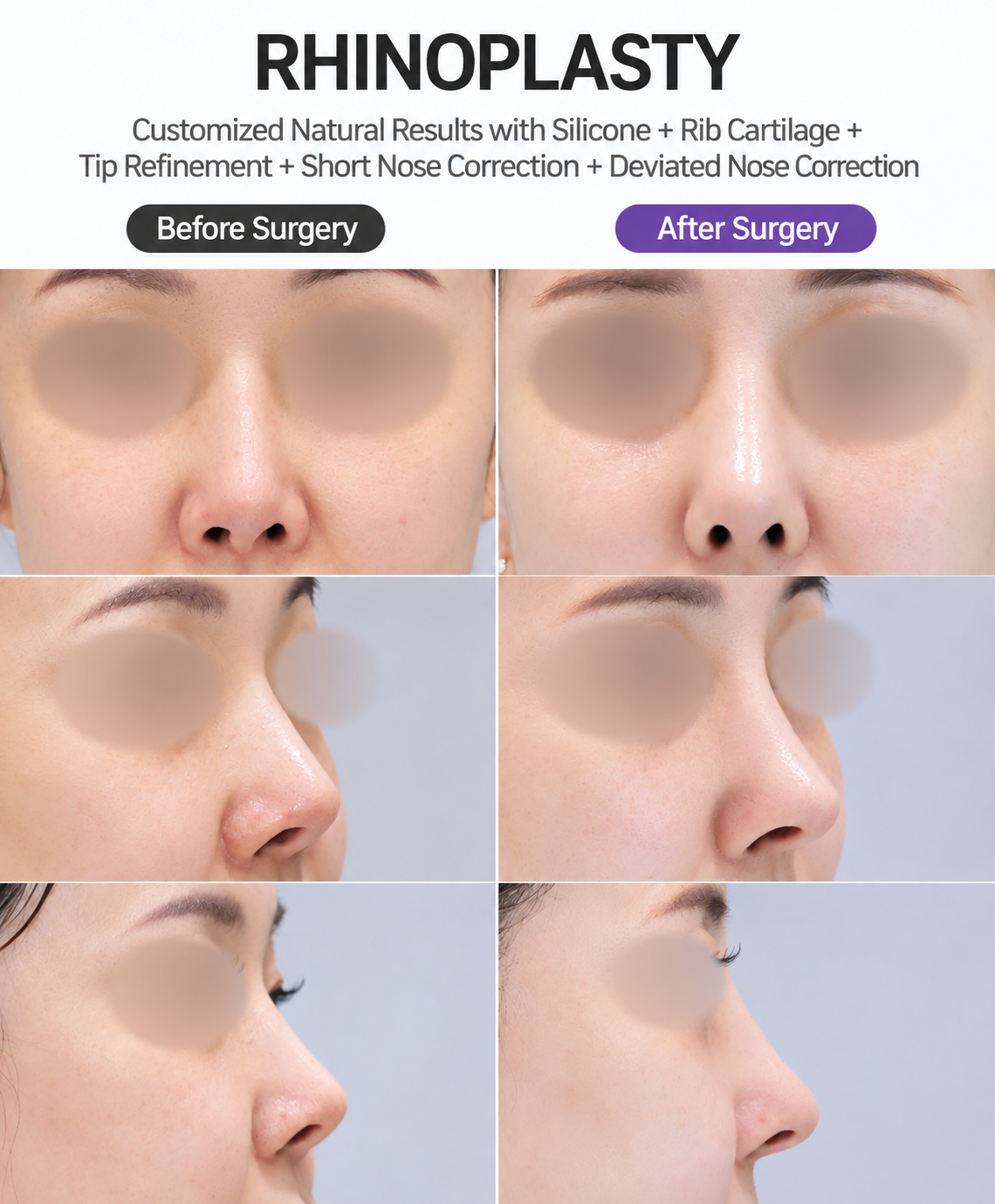
Functional Rhinoplasty for Athletes
Functional Rhinoplasty for Athletes
Functional rhinoplasty for athletes is designed to improve nasal structure and airflow when breathing problems are caused by anatomical issues such as a deviated septum or nasal valve collapse. For individuals who participate in endurance sports or high-intensity training, efficient nasal breathing can play an important role in comfort and performance. The procedure focuses on restoring function while preserving long-term structural stability and, when appropriate, maintaining a natural-looking appearance.
Why Athletes Consider Functional Rhinoplasty
Athletes may seek treatment when structural nasal problems interfere with breathing during exercise.
Common reasons include:
- Chronic nasal obstruction
- Deviated septum
- Nasal valve collapse
- Previous sports injuries
- Difficulty breathing during training
- Structural instability
- Persistent nasal congestion
A comprehensive evaluation is necessary to identify the underlying cause.
Common Goals of Surgery
The procedure is tailored to improve function while preserving healthy nasal anatomy.
Typical objectives include:
- Better nasal airflow
- Improved breathing comfort
- Structural reinforcement
- Enhanced airway stability
- Long-term functional support
- Correction of anatomical abnormalities
- Natural structural balance
Individual goals vary depending on the patient's condition.
Common Surgical Techniques
Several techniques may be used depending on the diagnosis.
Possible procedures include:
- Septoplasty
- Nasal valve repair
- Structural rhinoplasty
- Cartilage grafting
- Spreader graft placement
- Turbinate reduction
- Functional reconstruction
Multiple techniques are often combined when necessary.
The Role of Cartilage Grafts
Cartilage grafts can strengthen weakened areas and support better airflow.
Common graft sources include:
- Septal cartilage
- Ear cartilage
- Rib cartilage
They may be used for:
- Nasal valve support
- Structural reinforcement
- Airway stabilization
- Tip support
- Functional reconstruction
- Long-term durability
The graft source depends on the complexity of the procedure.
Recovery and Return to Sports
Recovery timelines vary depending on the extent of surgery and the type of athletic activity.
During recovery, patients are often advised to:
- Follow postoperative instructions
- Avoid contact sports initially
- Limit strenuous exercise
- Protect the nose from impact
- Attend follow-up appointments
- Resume activity gradually
- Obtain medical clearance before full return
The appropriate timeline should be determined by the treating surgeon.
Potential Benefits for Athletes
For appropriate candidates, functional correction may provide meaningful improvements.
Possible benefits include:
- Easier nasal breathing
- Improved airflow
- Greater comfort during exercise
- Better structural stability
- Reduced nasal obstruction
- Enhanced daily comfort
- Long-term functional support
Individual results can vary depending on the underlying condition.
Questions to Ask During Your Consultation
Before surgery, consider discussing:
- What is causing my breathing difficulty?
- Will functional rhinoplasty address my symptoms?
- Will cartilage grafts be needed?
- When can I safely resume training?
- When can I return to contact sports?
- What recovery milestones should I expect?
- How will my breathing be evaluated after surgery?
A detailed consultation can help create a personalized treatment plan that aligns with your athletic activities and recovery goals.
Final Thoughts
Functional rhinoplasty for athletes is intended to correct structural nasal problems that interfere with breathing and overall comfort during physical activity. Through individualized planning and appropriate surgical techniques, the procedure can improve nasal airflow while preserving structural stability and supporting a safe return to sports once healing is complete.