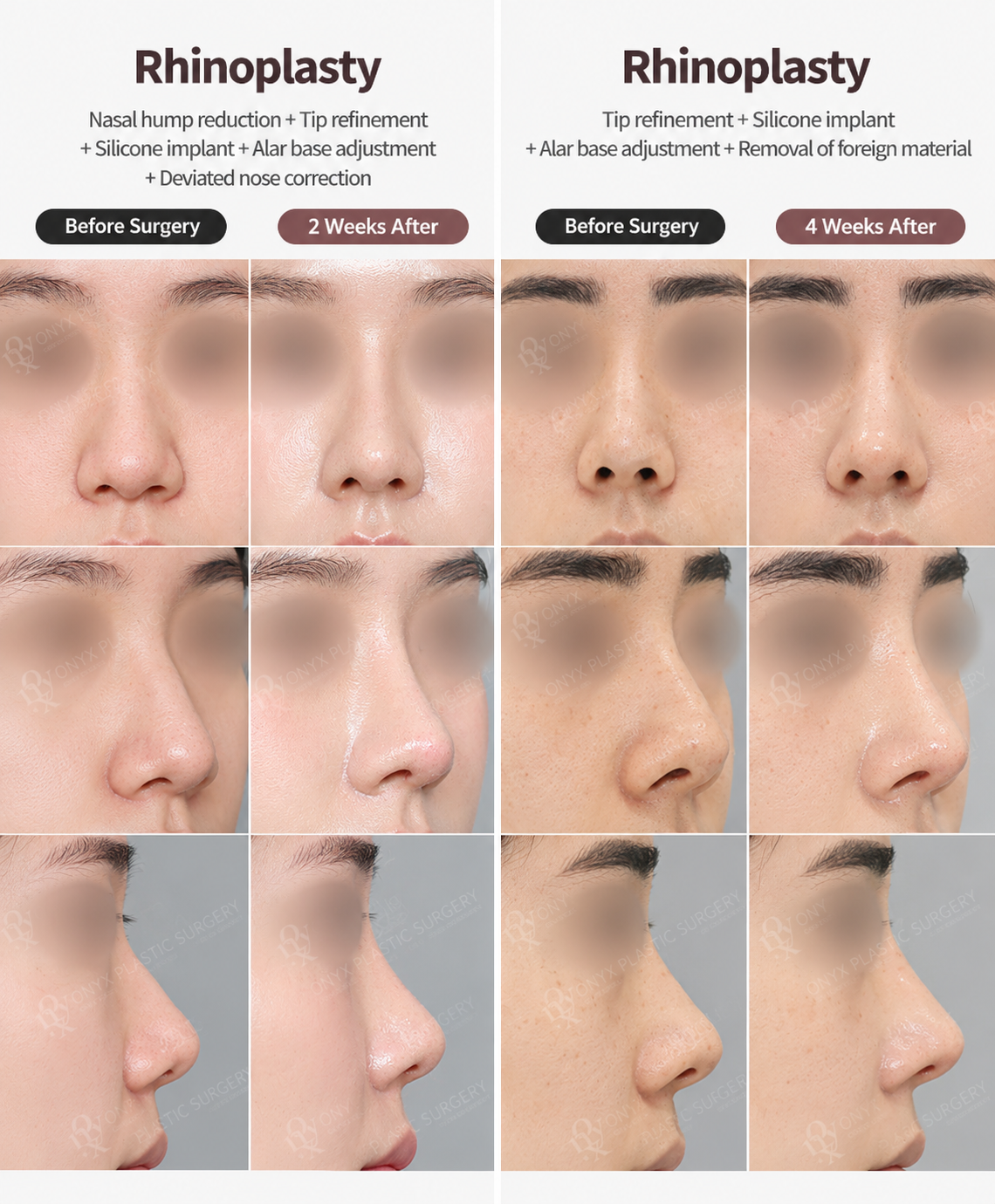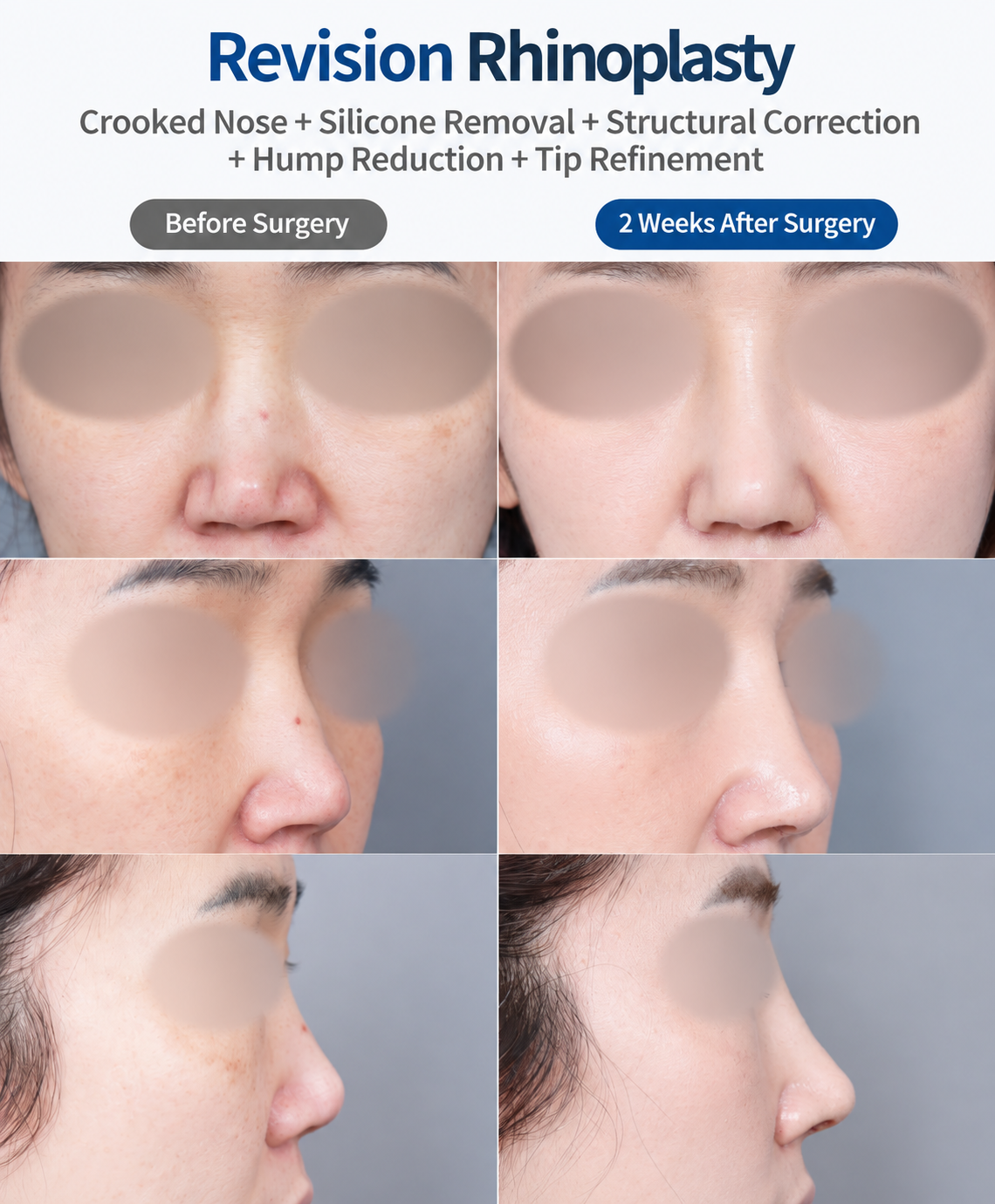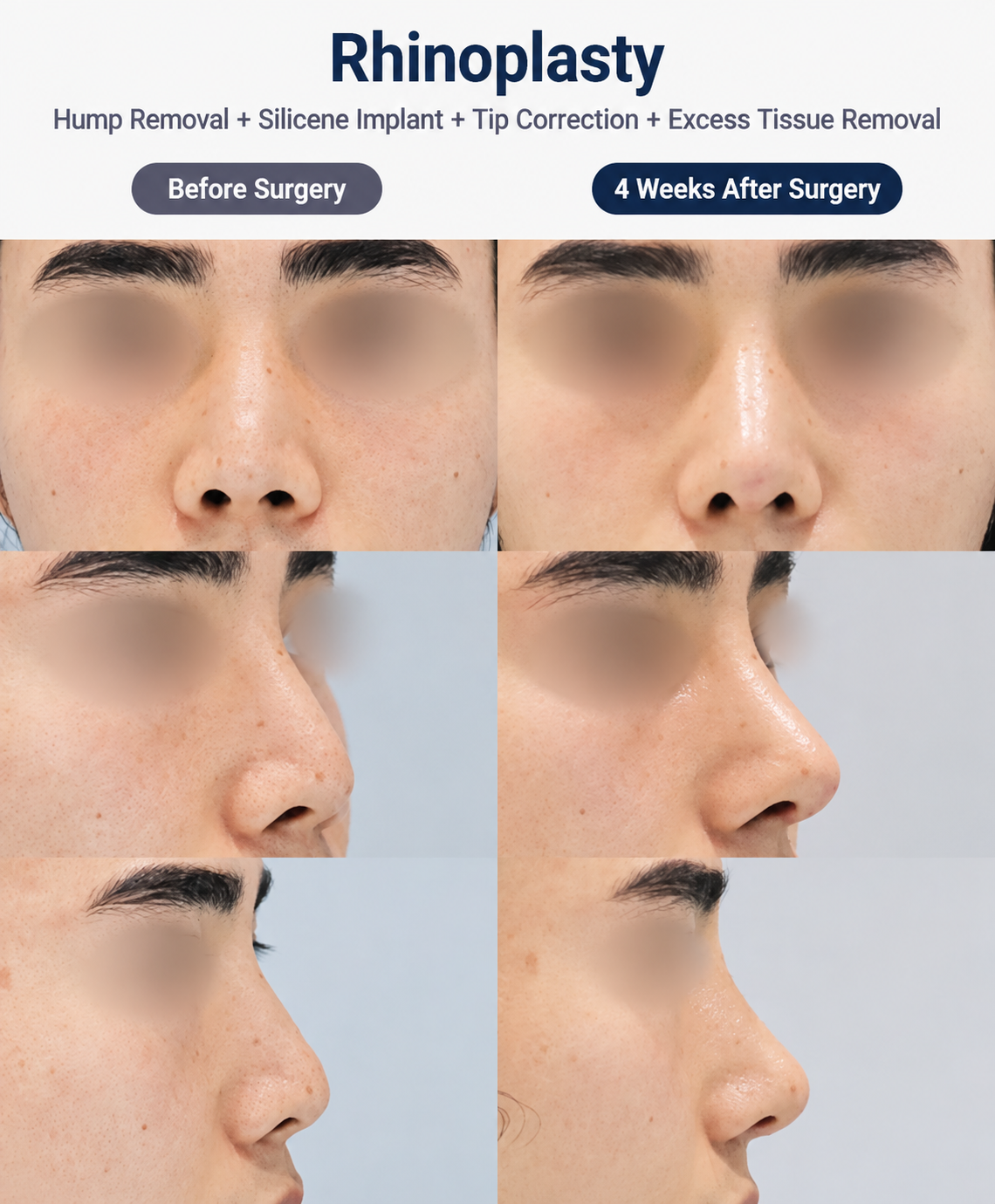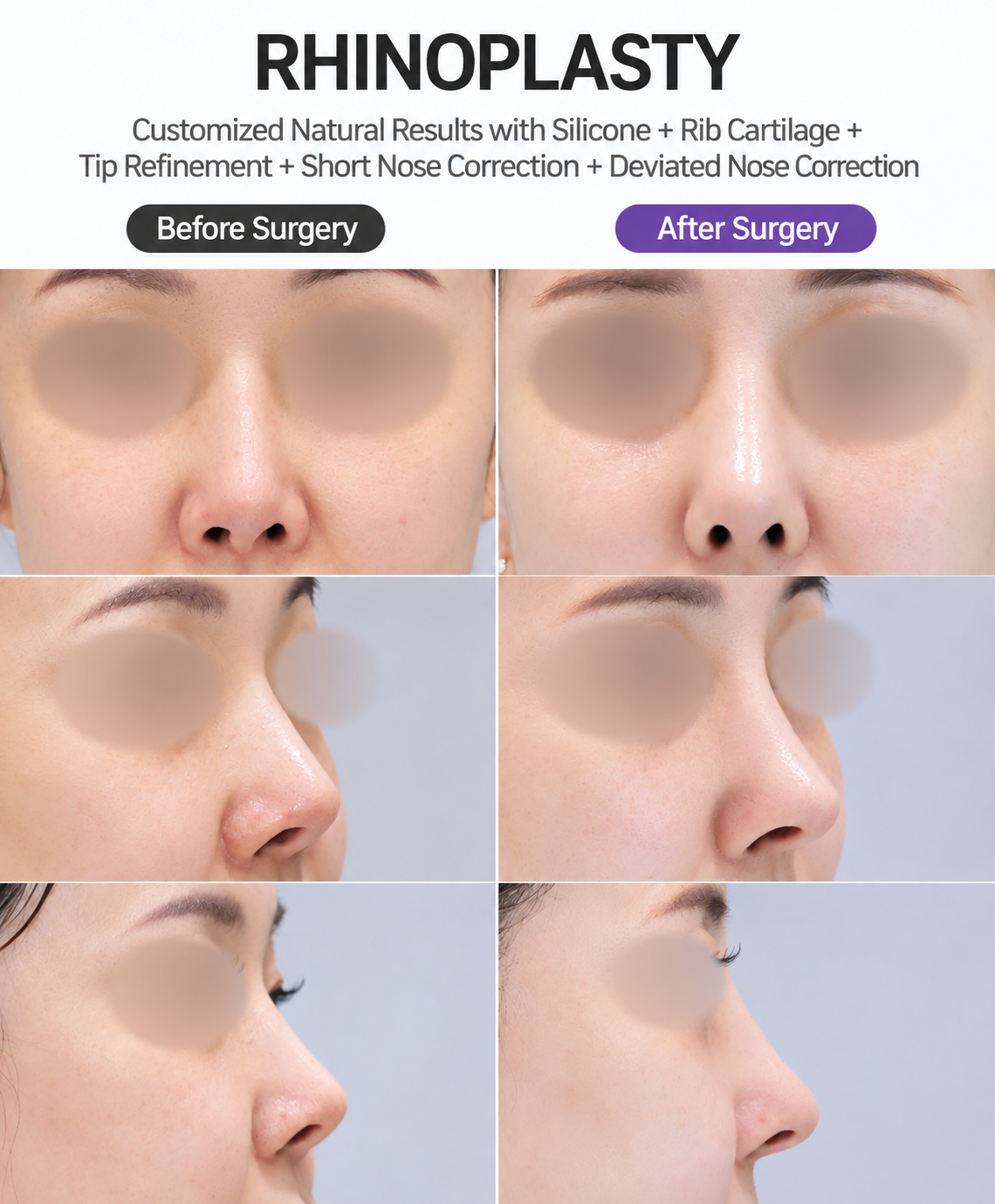
Chronic Nasal Congestion and Rhinoplasty
Chronic Nasal Congestion and Rhinoplasty
Chronic nasal congestion can significantly affect breathing, sleep quality, and everyday comfort. While many cases are related to allergies or inflammation and can be managed without surgery, some are caused by structural problems within the nose. In those situations, rhinoplasty or other functional nasal procedures may help improve airflow and reduce long-term obstruction.
Common Causes of Chronic Nasal Congestion
Persistent nasal blockage can have many different causes.
Common conditions include:
- Deviated septum
- Nasal valve collapse
- Enlarged turbinates
- Allergies
- Chronic sinus inflammation
- Nasal polyps
- Previous nasal trauma
Proper diagnosis is essential before considering treatment.
When Rhinoplasty May Help
Rhinoplasty may be beneficial when congestion is caused by structural abnormalities rather than temporary inflammation.
Possible indications include:
- Chronic nasal obstruction
- Difficulty breathing through the nose
- Structural collapse
- Crooked nasal anatomy
- Previous injury
- Congenital abnormalities
- Breathing problems after prior surgery
Not all patients with congestion require rhinoplasty.
Functional Rhinoplasty vs Medical Treatment
Treatment depends on the underlying cause of the symptoms.
Medical management may include:
- Saline nasal irrigation
- Prescription nasal sprays
- Allergy treatment
- Anti-inflammatory medications
- Environmental modifications
- Medical monitoring
- Treatment of sinus conditions
Functional rhinoplasty may be recommended when structural correction is necessary.
Common Surgical Techniques
Functional procedures may involve one or more techniques.
Possible approaches include:
- Septoplasty
- Nasal valve repair
- Structural rhinoplasty
- Turbinate reduction
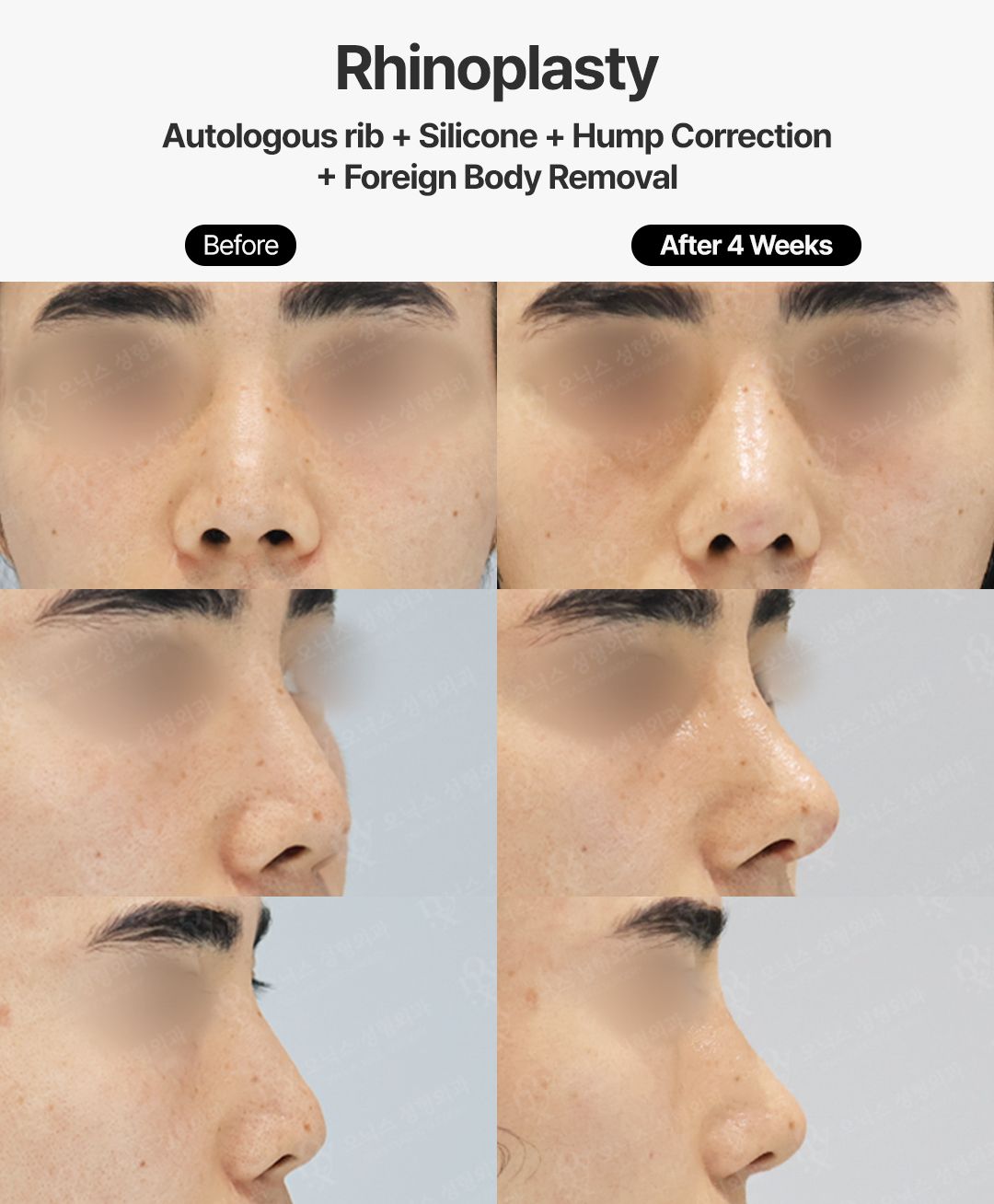
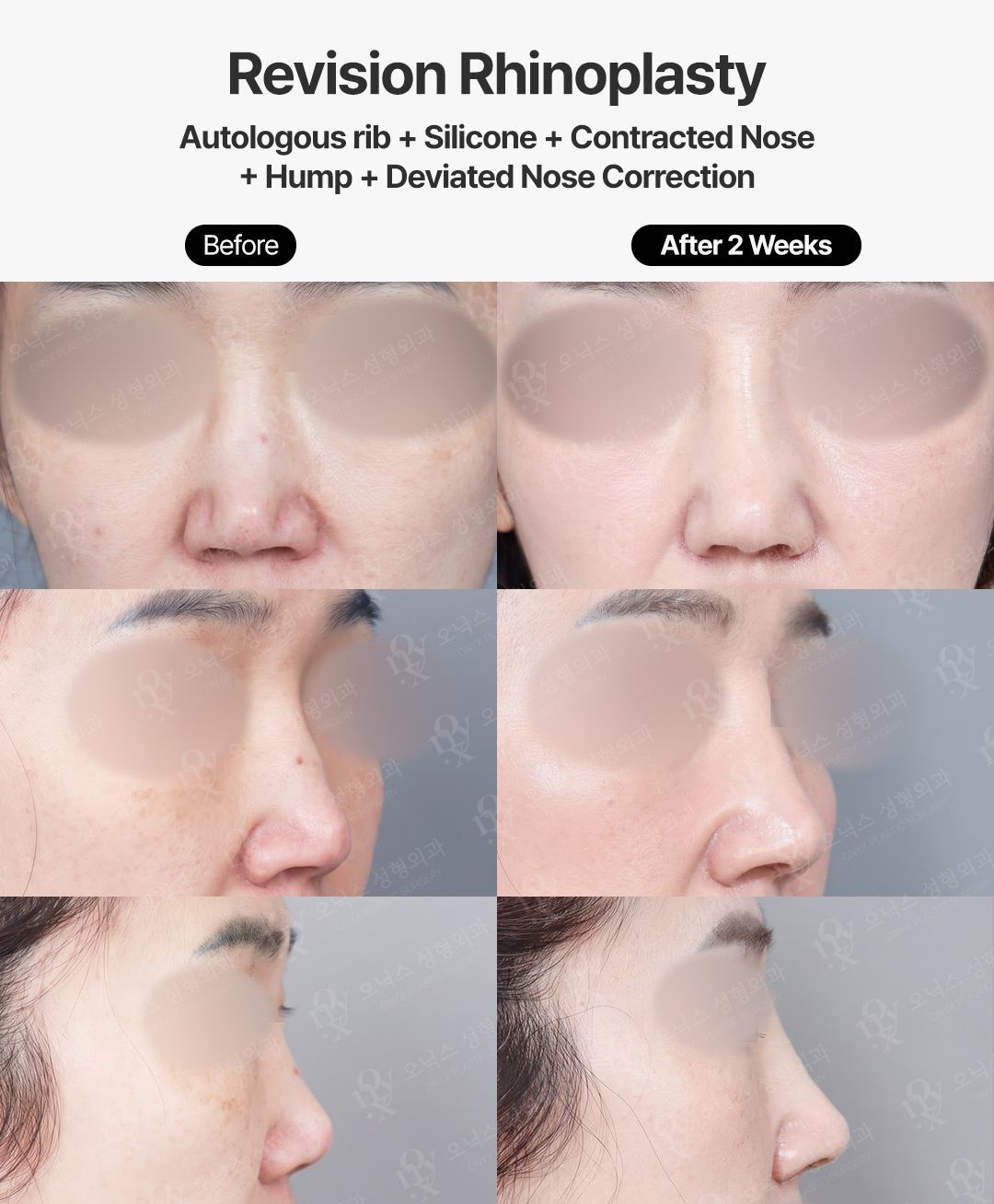
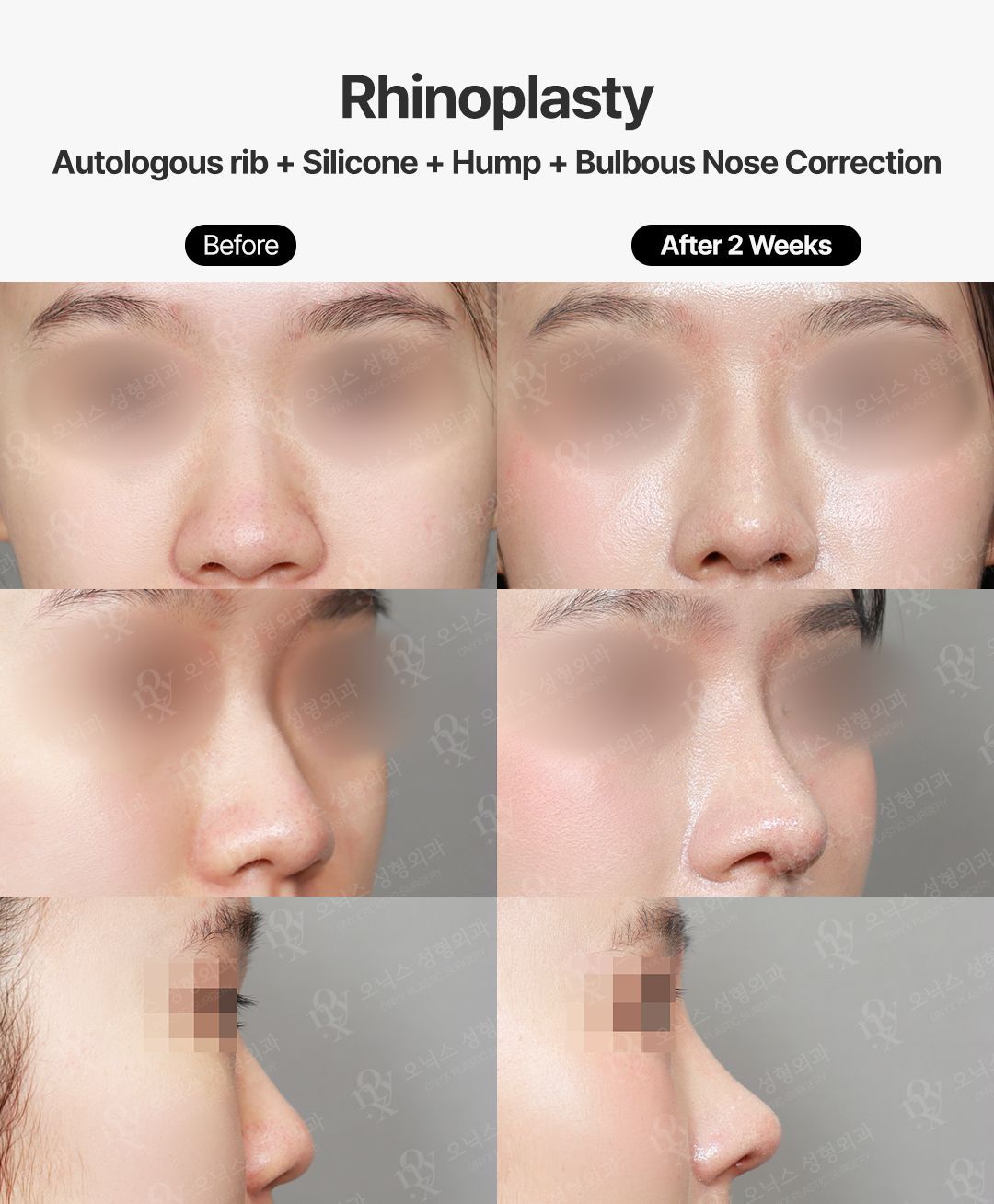
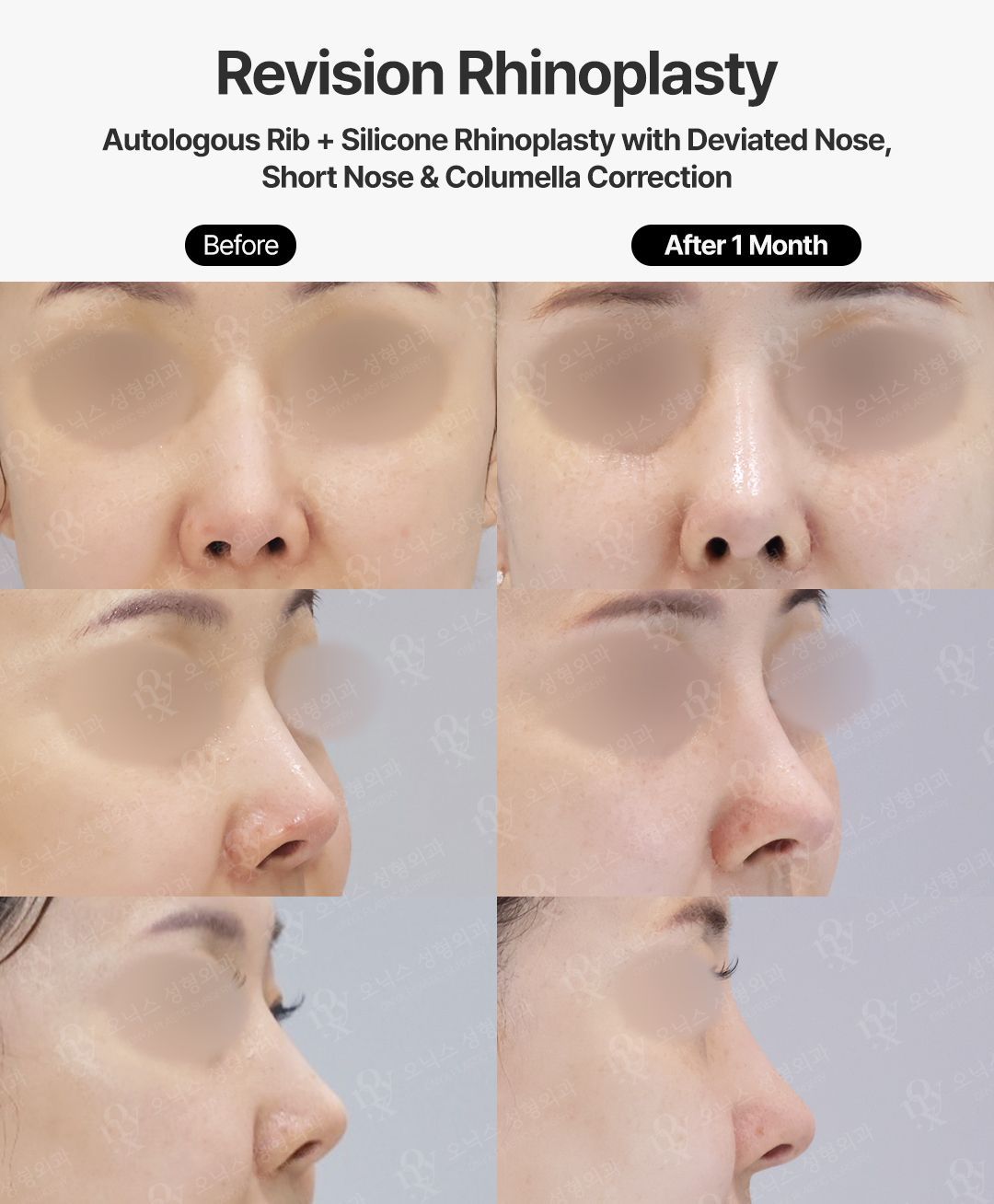
- Cartilage grafting
- Internal reconstruction
- Airway stabilization
The surgical plan is individualized for each patient.
The Role of Cartilage Grafts
Cartilage grafts may be used to strengthen weakened structures and improve airflow.
Common graft sources include:
- Septal cartilage
- Ear cartilage
- Rib cartilage
These grafts may provide:
- Valve support
- Structural reinforcement
- Airway improvement
- Tip support
- Functional stability
- Long-term durability
The choice depends on the complexity of the procedure.
Potential Benefits
For appropriately selected patients, functional correction may provide:
- Improved nasal airflow
- Easier breathing
- Better sleep quality
- Reduced obstruction
- Enhanced structural support
- Greater daily comfort
- Long-term functional improvement
Results vary based on the underlying condition and healing process.
Recovery Expectations
Recovery depends on the procedure performed and individual healing characteristics.
Patients commonly experience:
- Temporary congestion
- Swelling
- Mild discomfort
- Internal healing
- Progressive breathing improvement
- Gradual recovery
- Continued healing over several months
Following postoperative instructions is important for optimal healing.
Questions to Ask During Your Consultation
Before treatment, consider discussing:
- What is causing my chronic congestion?
- Is the problem structural or inflammatory?
- Would functional rhinoplasty help?
- Are non-surgical treatments appropriate?
- Will cartilage grafts be necessary?
- What recovery timeline should I expect?
- What results are realistically achievable?
A comprehensive evaluation helps create a treatment plan tailored to your symptoms and anatomy.
Final Thoughts
Chronic nasal congestion can result from a variety of medical and structural conditions, and the most effective treatment depends on identifying the underlying cause. When structural abnormalities are responsible for long-term obstruction, functional rhinoplasty or related procedures may improve breathing and quality of life while preserving long-term nasal stability and function.