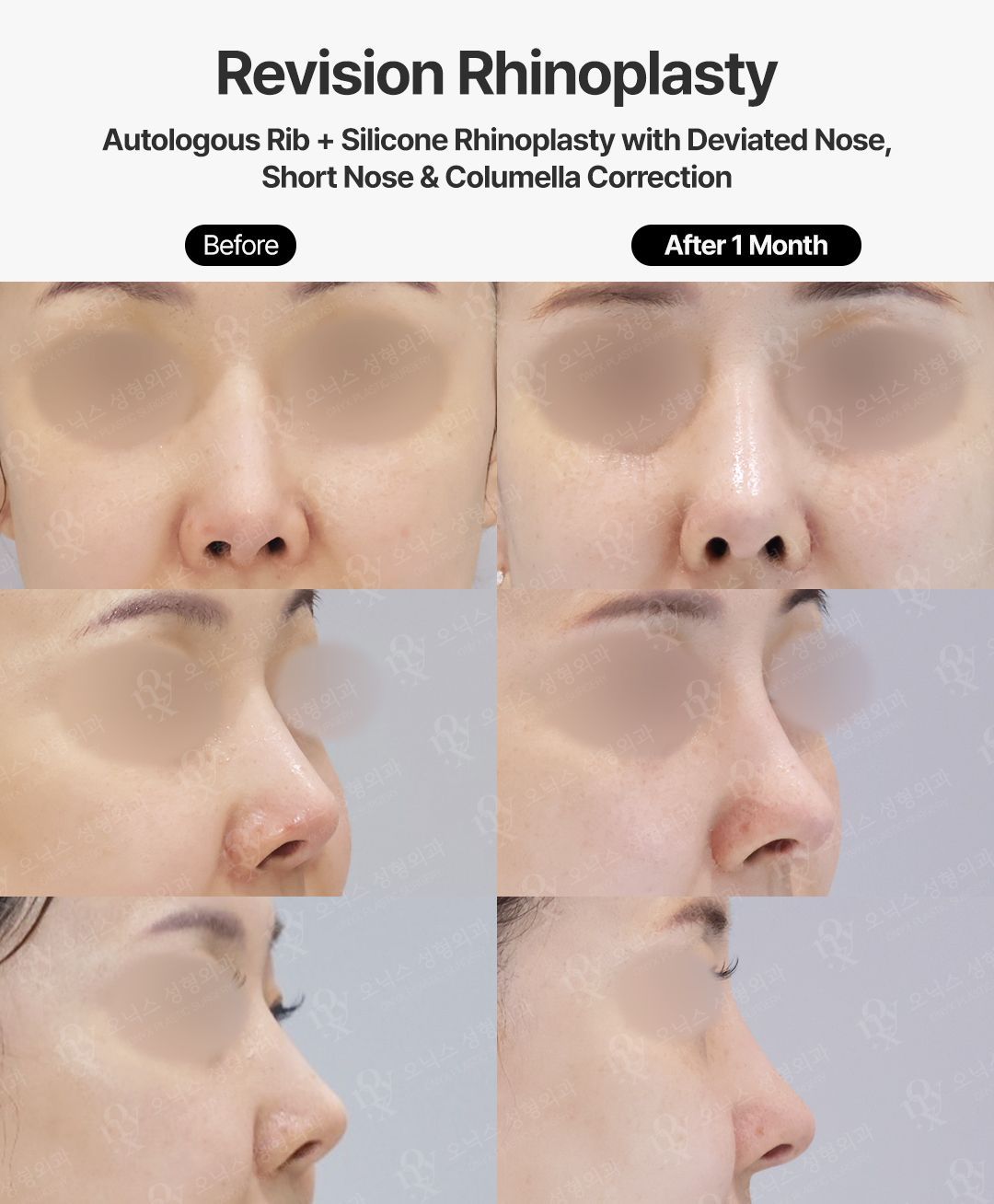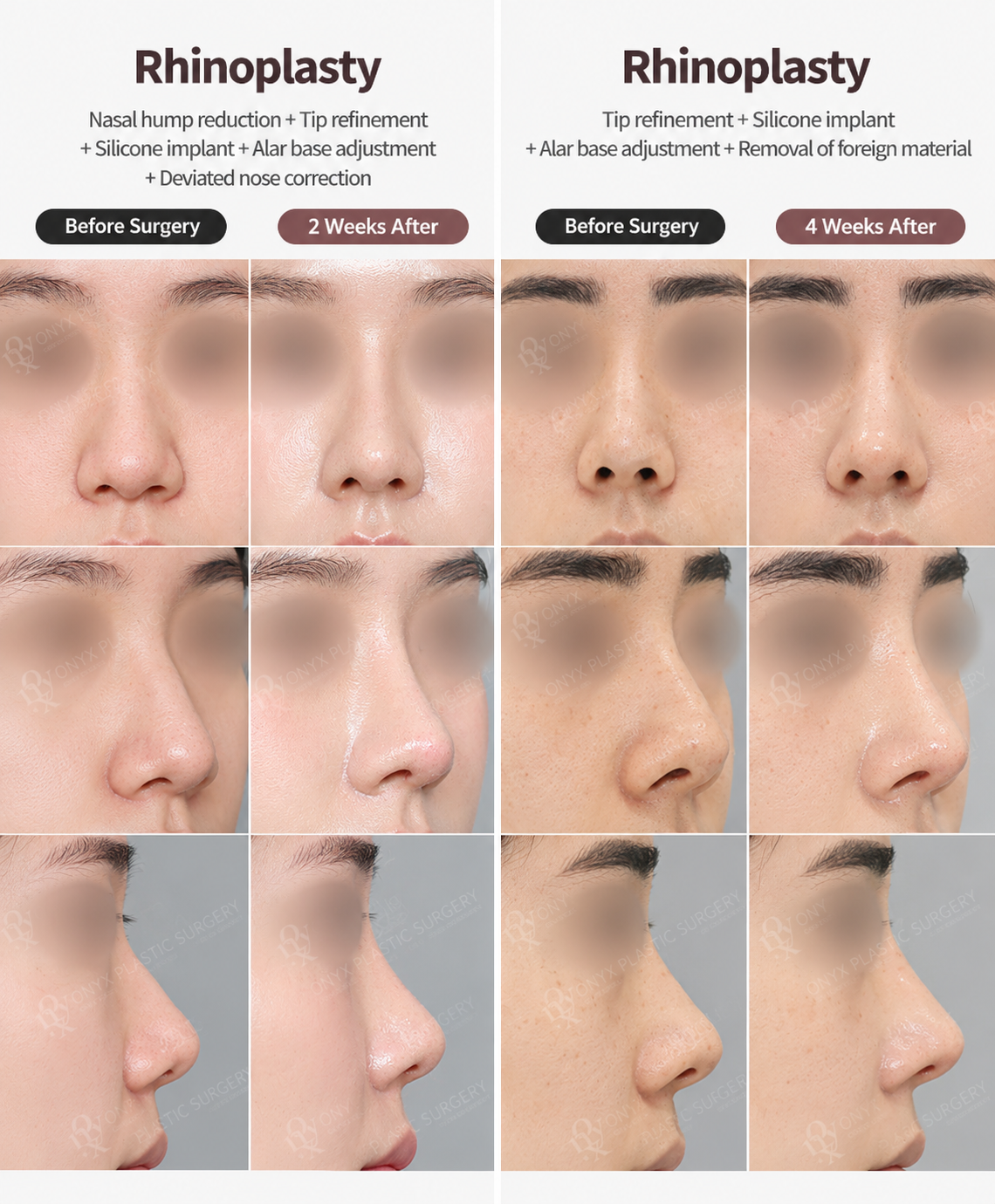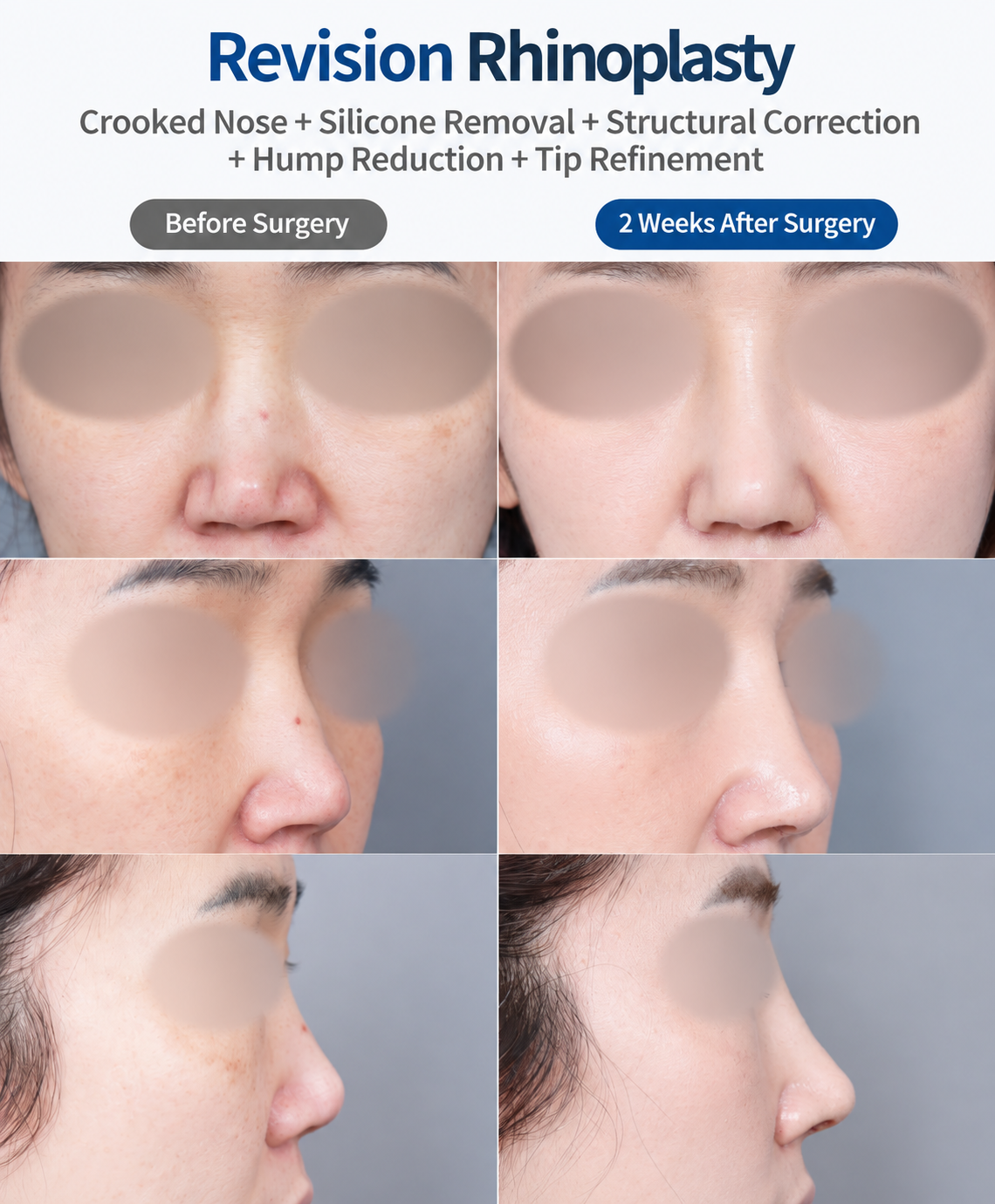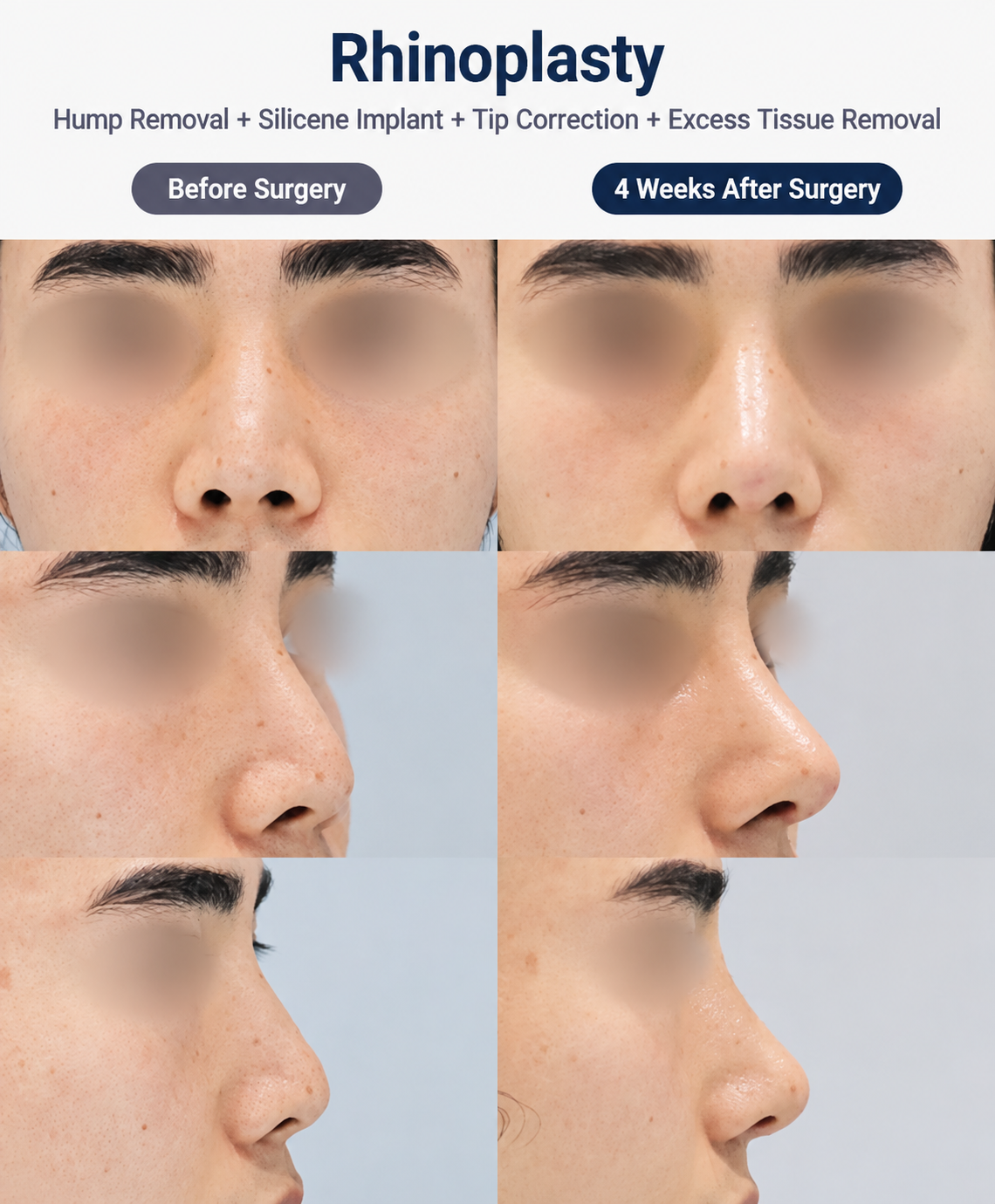
Rhinoplasty Recovery Timeline Week by Week
Rhinoplasty Recovery Timeline Week by Week
Recovering from rhinoplasty is a gradual process, and every patient heals at a different pace. While the most noticeable swelling usually improves within the first few weeks, subtle changes can continue for many months. Understanding the typical recovery timeline can help patients prepare realistic expectations and plan their stay in Korea more effectively.
Week 1: Initial Healing and Splint Removal
The first week is usually the most uncomfortable period of recovery.
Common experiences include:
- Swelling around the nose
- Bruising under the eyes
- Mild discomfort or pressure
- Nasal congestion
- Temporary difficulty breathing through the nose
- Minor drainage
Many patients have their nasal splint removed around 5–7 days after surgery, depending on their surgeon's recommendation.
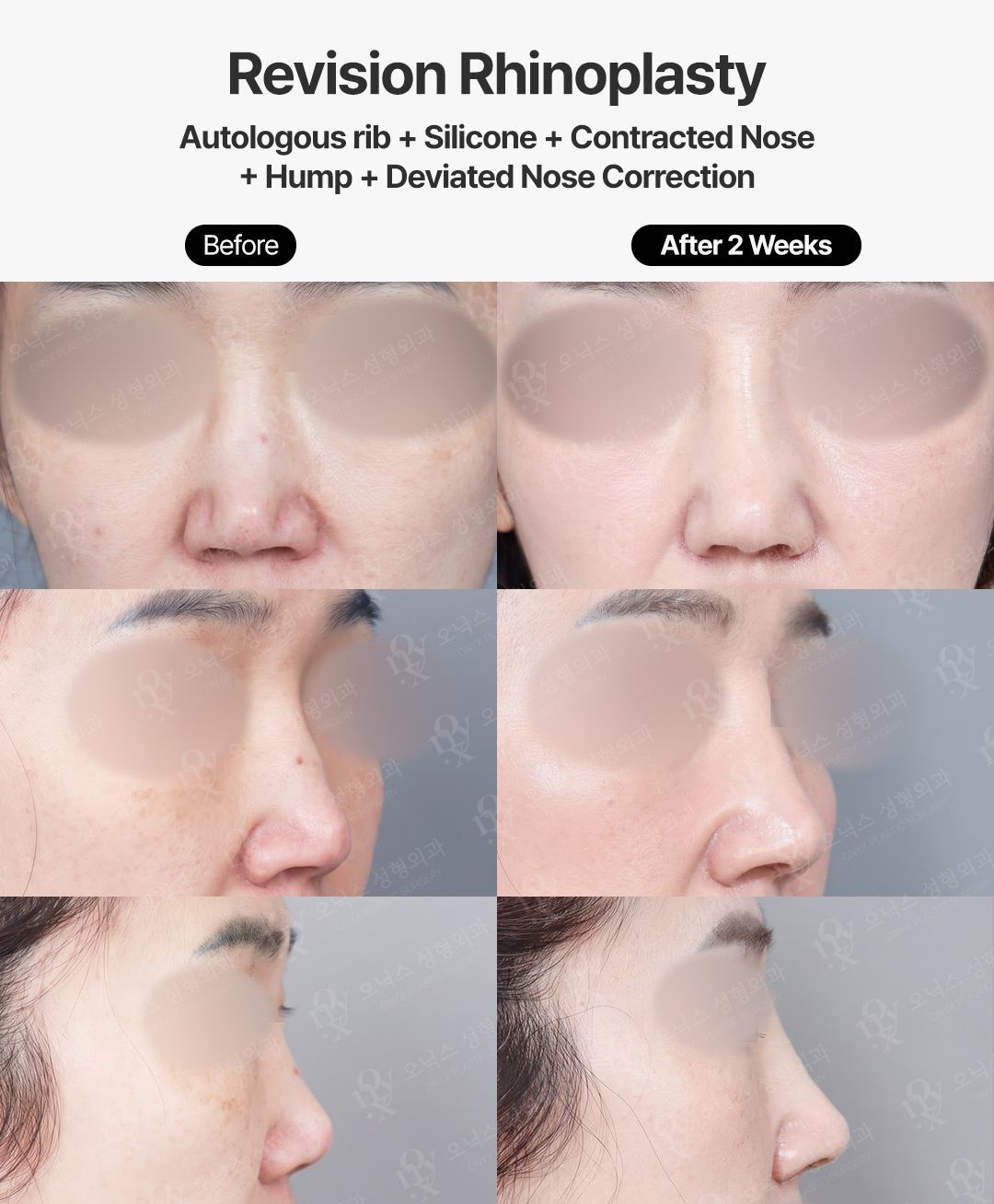
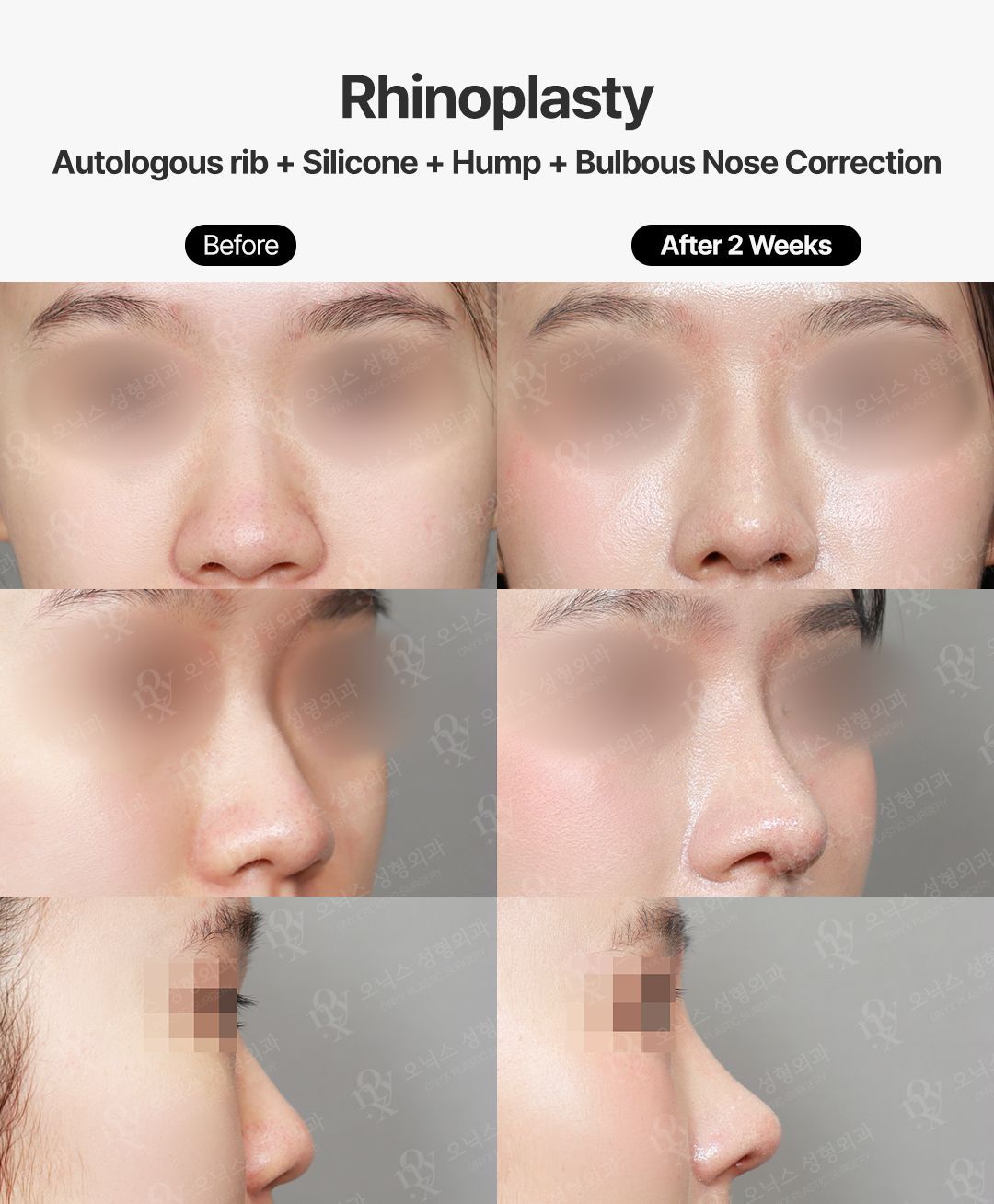
Week 2: Visible Improvement Begins
By the second week, many of the most obvious signs of surgery begin to fade.
Patients often notice:
- Significant reduction in bruising
- Decreased swelling
- Improved comfort
- Better ability to return to daily activities
- A more presentable appearance in public
Although improvement is noticeable, the nose is still far from its final shape.
Week 3: Returning to Normal Routines
Most patients feel increasingly comfortable during the third week.
Recovery milestones may include:
- Minimal remaining bruising
- Continued reduction in swelling
- Return to office work
- Light daily activities
- Improved energy levels
Heavy exercise and activities that could impact the nose should still be avoided unless approved by the surgeon.
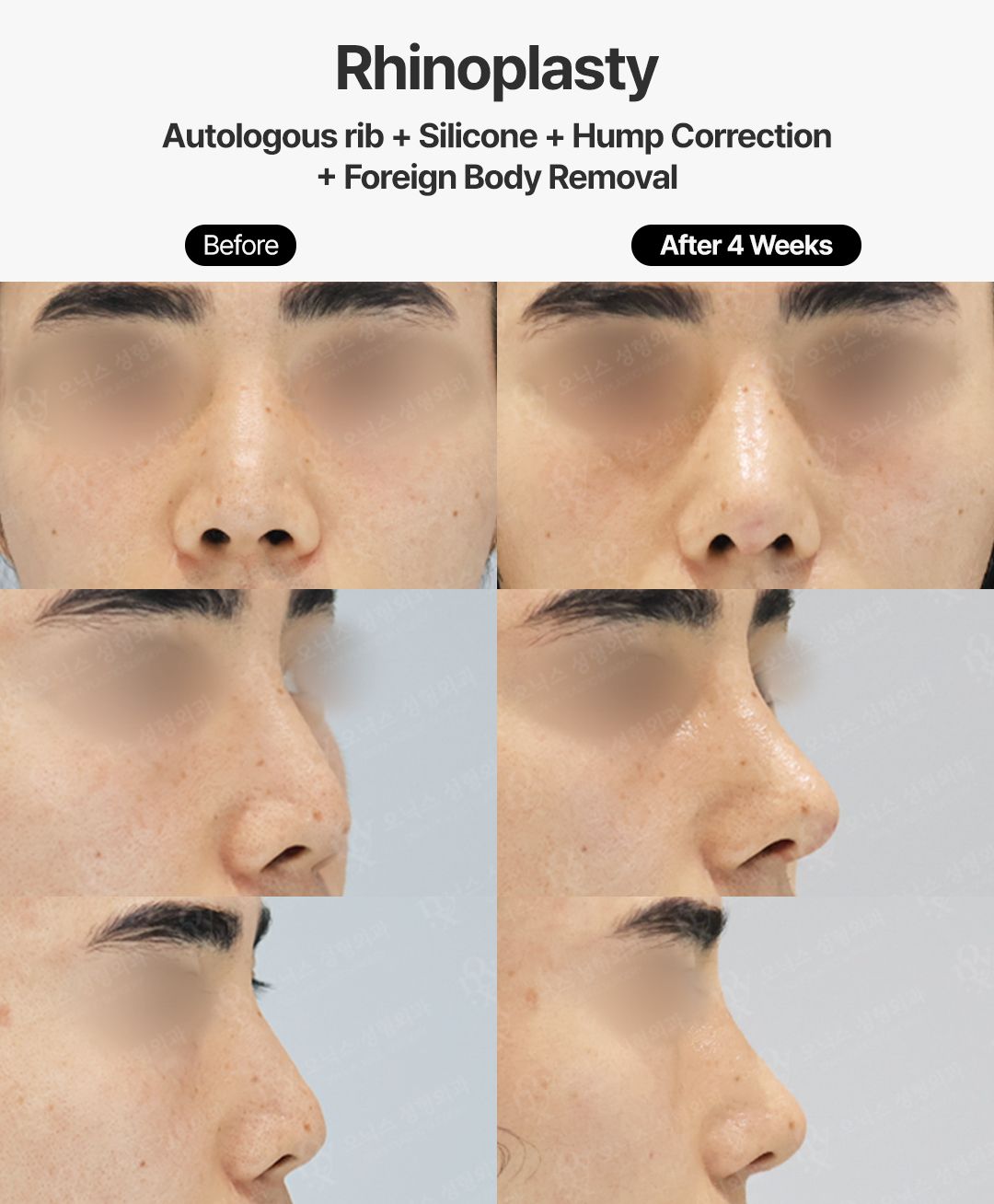
Week 4: One Month After Surgery
At approximately one month, many patients feel socially confident again.
Typical progress includes:
- Most bruising completely resolved
- Significant reduction in facial swelling
- More defined nasal contours
- Improved overall comfort
- Better photographs and appearance
Some residual swelling, especially around the nasal tip, remains completely normal.
Months 2 to 3: Continued Refinement
Healing continues beneath the surface even when external changes become less dramatic.
Patients often experience:
- Better definition of the bridge
- Gradual refinement of the tip
- Softer tissues
- Improved symmetry
- More natural appearance
Subtle morning swelling may still occur during this stage.
Months 4 to 6: Noticeable Maturation
By four to six months, much of the remaining swelling has improved.
Many patients notice:
- Sharper definition
- Stable profile appearance
- Improved tip contour
- More natural facial harmony
- Increased confidence in the results
Patients with thicker skin may continue to experience gradual changes beyond this period.
Months 6 to 12: Final Results Continue to Develop
Complete healing requires patience.
During this period:
- Minor swelling continues to resolve
- Scar tissue softens
- Tip definition improves further
- Final contours become more visible
- Results become increasingly stable
For some patients, especially those undergoing complex or revision procedures, refinement may continue for up to 18 months.
Tips for a Smooth Recovery
Following postoperative instructions plays a major role in successful healing.
Helpful recommendations include:
- Sleep with your head elevated
- Avoid heavy lifting
- Protect your nose from accidental impact
- Avoid smoking
- Take medications as prescribed
- Attend all follow-up appointments
- Follow your surgeon's activity restrictions
Careful aftercare can support both comfort and long-term results.
Final Thoughts
Rhinoplasty recovery happens in stages, with the biggest visible improvements occurring during the first few weeks and more subtle refinements continuing for many months. While timelines vary from person to person, understanding the typical week-by-week healing process can make recovery less stressful and help patients maintain realistic expectations throughout their surgical journey.