How Long Should You Stay in Korea After Rhinoplasty?
How Long Should You Stay in Korea After Rhinoplasty?
For international patients, planning the right length of stay is an important part of a successful rhinoplasty journey in Korea. While some people hope to return home quickly, surgeons generally recommend remaining in the country long enough for early recovery, follow-up appointments, and monitoring. The ideal stay depends on the complexity of the procedure and your individual healing progress.
Recommended Minimum Stay
For most primary rhinoplasty procedures, patients are often advised to stay in Korea for approximately 7 to 10 days.
This period usually allows time for:
- Initial recovery
- Postoperative examinations
- Splint or dressing removal
- Basic wound assessment
- Medication adjustments if necessary
- Clearance for travel
Some patients may be advised to stay longer depending on their condition.
Why You Shouldn't Fly Home Too Soon
Leaving immediately after surgery can make it difficult to receive proper postoperative care if unexpected issues arise.
Remaining in Korea for several days allows your surgeon to:
- Monitor healing progress
- Check for signs of infection
- Evaluate swelling
- Remove external splints
- Address minor concerns early
- Provide personalized recovery guidance
Early follow-up care can contribute to a smoother recovery process.
Primary vs Revision Rhinoplasty Stay Duration
Recovery recommendations may differ depending on the type of surgery.
Typical guidelines include:
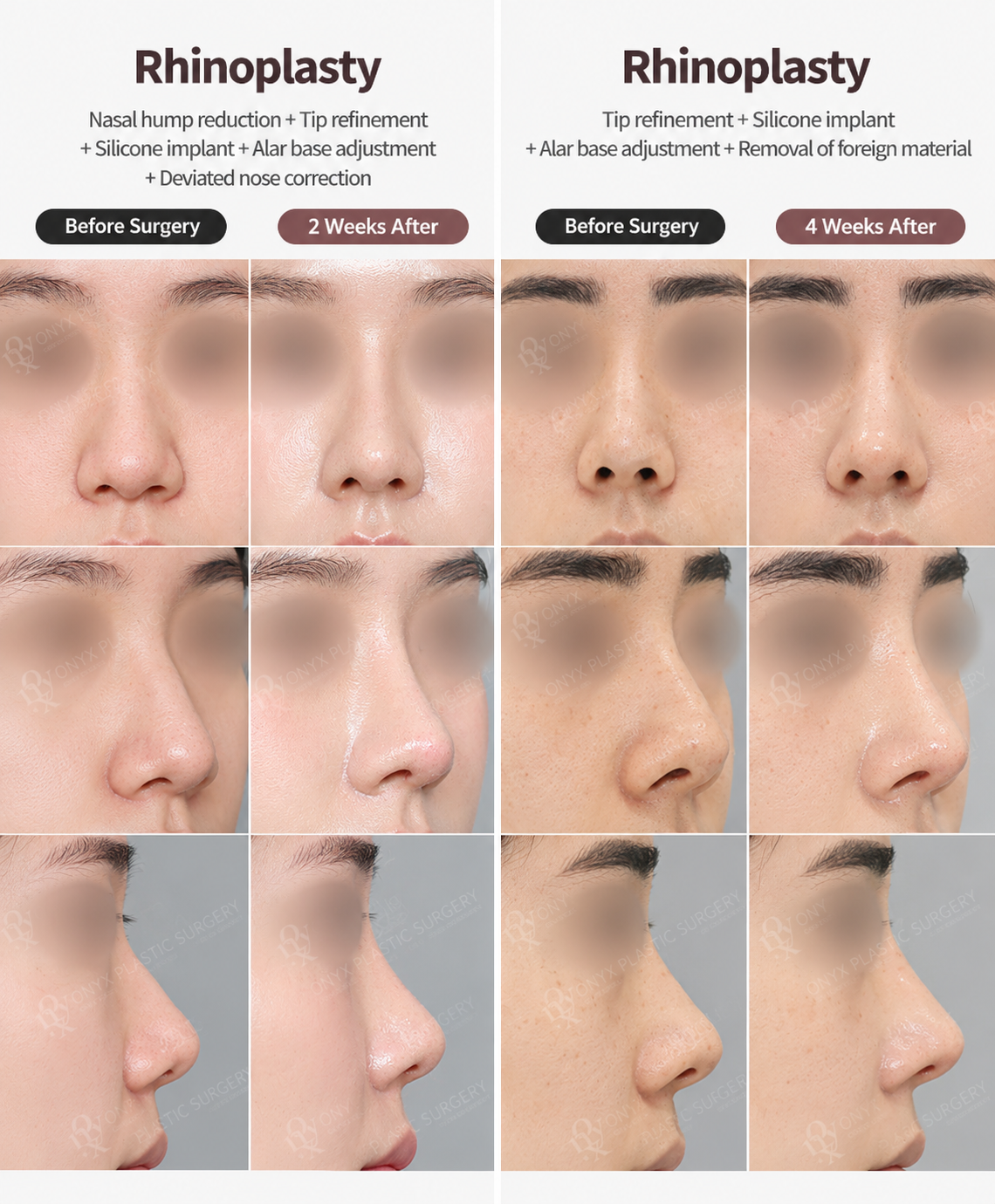
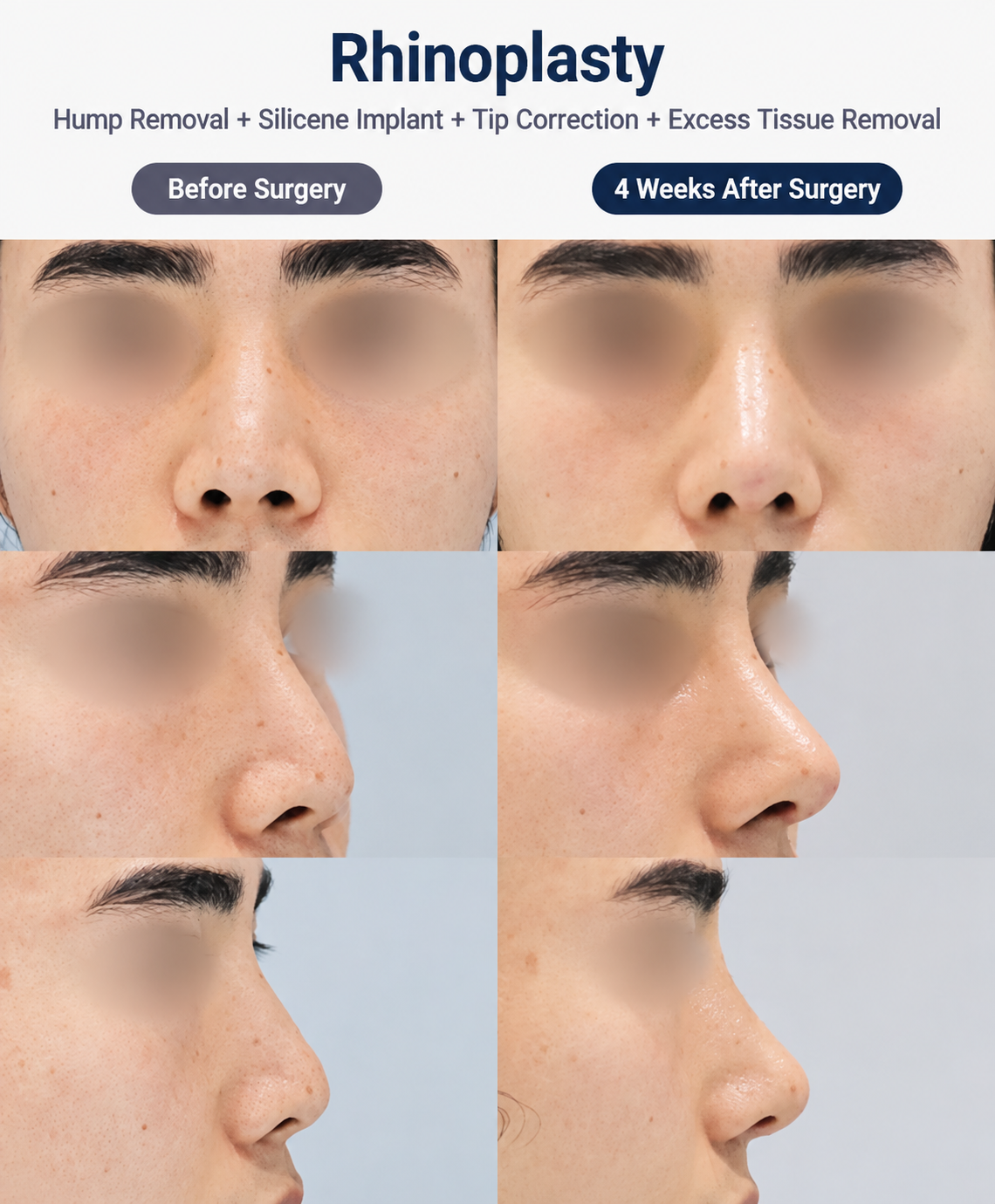
- Primary rhinoplasty: 7–10 days
- Complex rhinoplasty: 10–14 days
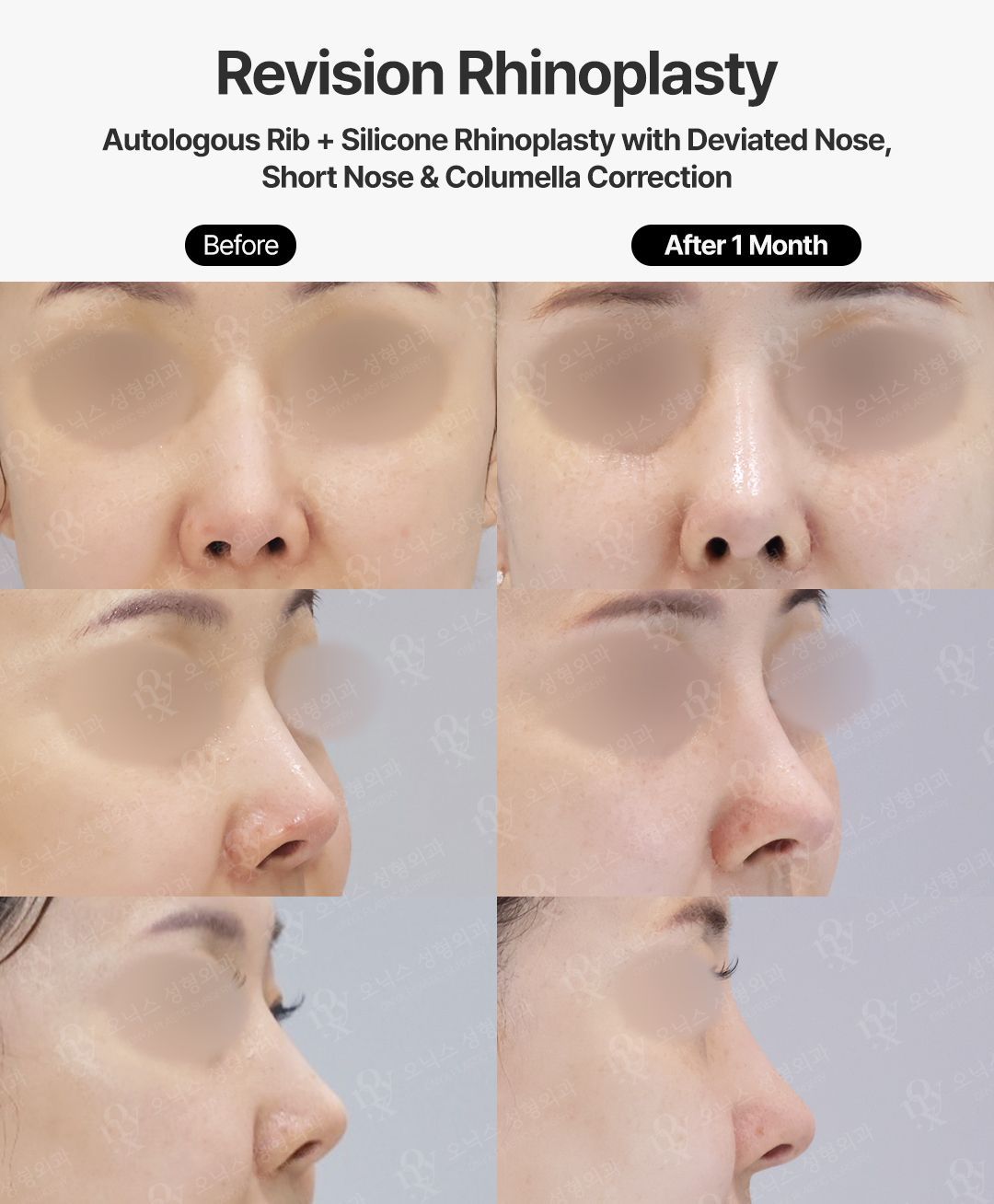
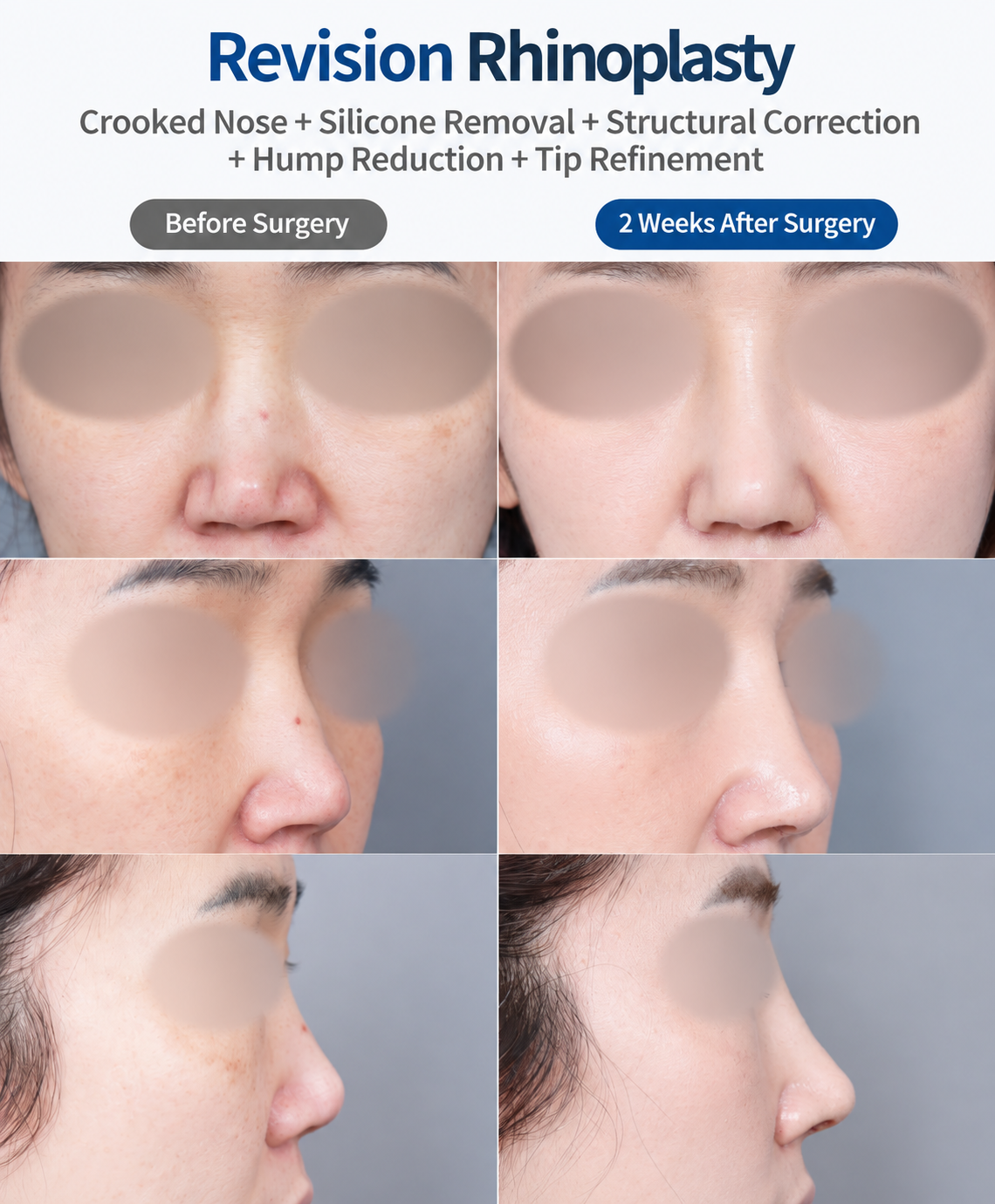
- Revision rhinoplasty: 10–14 days or longer
- Major reconstructive procedures: Individualized recommendations
Revision cases often require additional monitoring because of their greater complexity.
Typical Timeline During Your Stay
A common schedule for international patients may look like this:
Day 1
- Consultation confirmation
- Final examination
- Surgery
Days 2–3
- Initial recovery
- Swelling management
- Rest
Days 4–6
- Follow-up appointments
- Healing assessment
- Medication review
Days 7–10
- Splint removal if appropriate
- Recovery evaluation
- Travel clearance
Actual schedules vary by clinic and individual recovery.
Can You Travel With Swelling?
Yes. Mild swelling often remains when patients return home.
It is common to experience:
- Puffy appearance
- Minor congestion
- Tip swelling
- Temporary stiffness
- Mild facial swelling
Complete healing takes much longer than the initial recovery period, so visible swelling after departure is expected.
When Can You Return to Work?
Many patients with desk-based jobs return to work within one to two weeks, although individual recovery varies.
Return timing depends on:
- Amount of swelling
- Bruising
- Job requirements
- Personal comfort
- Surgeon's recommendations
Physically demanding work may require a longer recovery period.
Planning Your Accommodation
Choosing accommodation near your clinic can make postoperative visits more convenient.
When selecting lodging, consider:
- Walking distance to the clinic
- Elevator access
- Quiet environment
- Easy transportation
- Nearby pharmacies
- Food availability
- Comfortable recovery space
Many international patients prefer accommodations that minimize unnecessary travel during the first week.
Travel Tips for International Patients
Preparing in advance can make recovery more comfortable.
Helpful suggestions include:
- Schedule flexible return flights
- Bring prescribed medications when traveling home
- Follow all postoperative instructions
- Avoid strenuous activities before departure
- Keep emergency clinic contact information
- Plan follow-up communication after returning home
Good planning helps reduce unnecessary stress during recovery.
Final Thoughts
Most international patients should plan to stay in Korea for at least 7 to 10 days after rhinoplasty, while more complex or revision procedures may require a longer visit. Allowing enough time for follow-up care, splint removal, and early healing can improve both convenience and peace of mind before returning home.