Korean Rhinoplasty Techniques Explained
Korean Rhinoplasty Techniques Explained
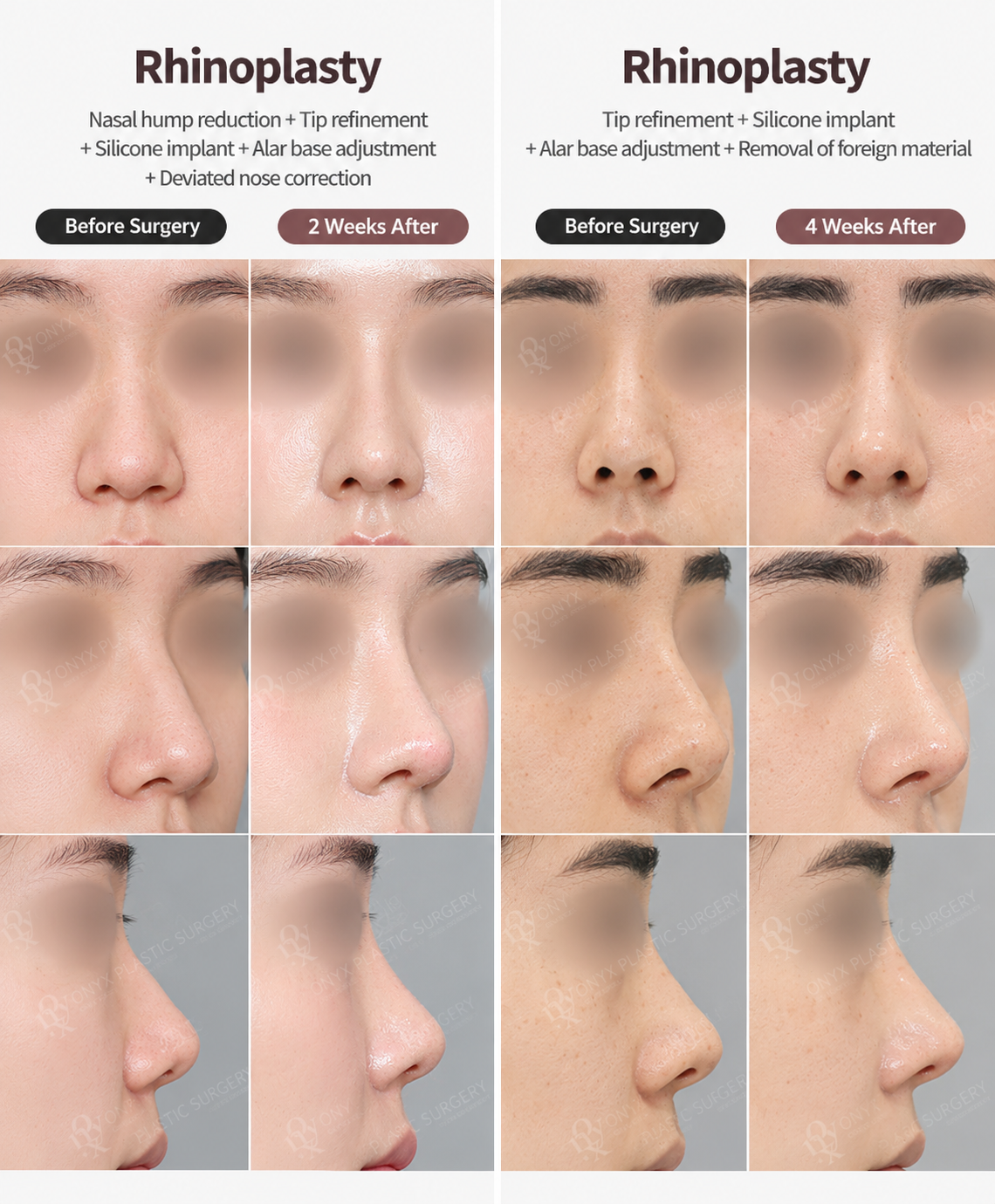
Korean rhinoplasty is known for its individualized approach, combining aesthetic refinement with structural support to create balanced and natural-looking results. Rather than relying on a single technique, surgeons select different methods based on each patient's anatomy, facial proportions, and personal goals. Understanding the most commonly used techniques can help patients make more informed decisions before surgery.
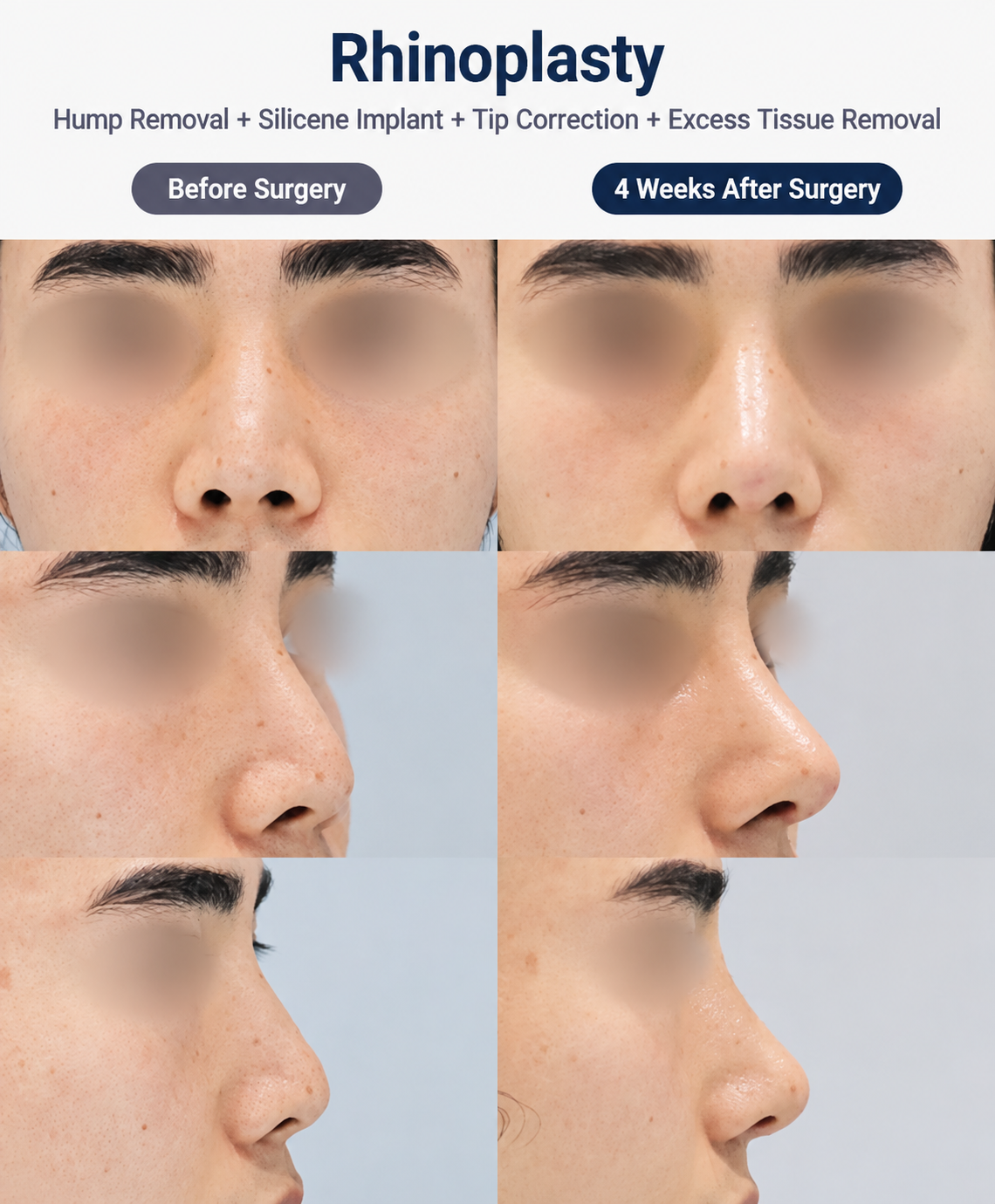
Bridge Augmentation
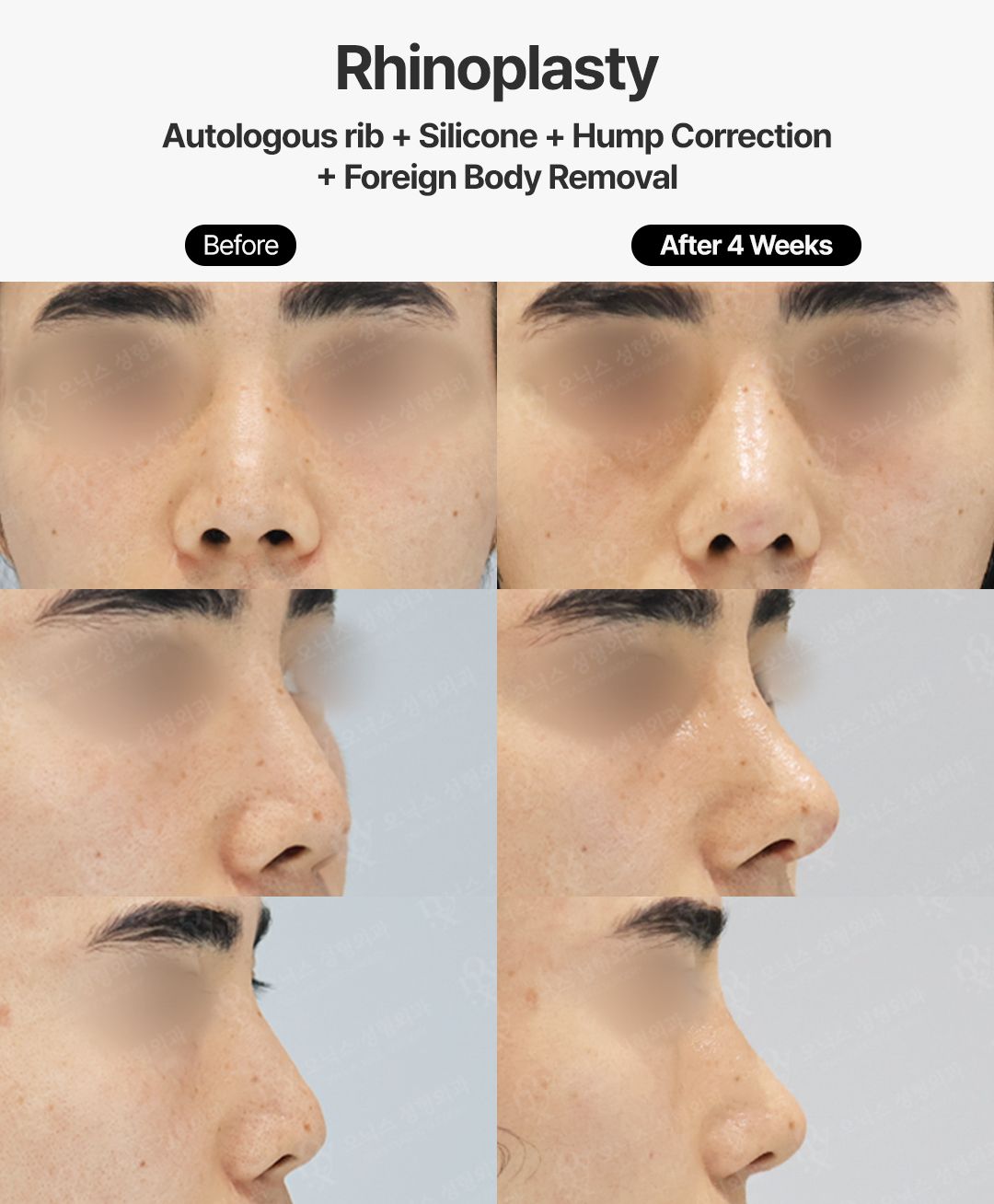
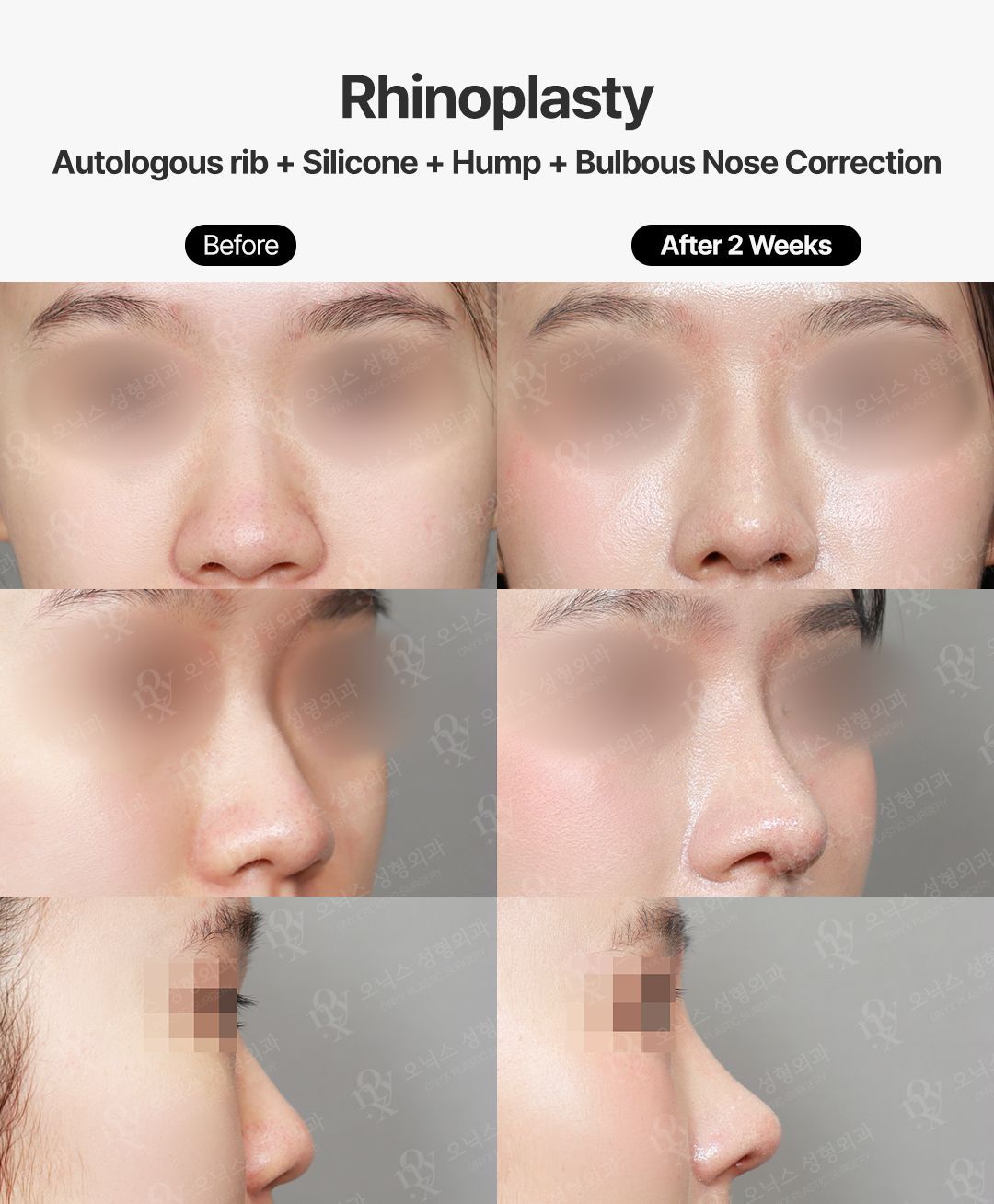
Bridge augmentation is one of the most frequently performed techniques in Korean rhinoplasty, especially for patients seeking greater profile definition.
The procedure may involve:
- Increasing bridge height
- Improving side profile
- Creating smoother contours
- Enhancing facial balance
- Correcting mild asymmetry
- Refining the nasal silhouette
- Supporting overall harmony
The specific method depends on the patient's anatomy and treatment plan.
Tip Refinement and Projection
The nasal tip plays a major role in the overall appearance of the face.
Tip surgery may focus on:
- Better tip definition
- Increased projection
- Improved symmetry
- Structural support
- Shape refinement
- Rotation adjustment
- Natural-looking contours
Many procedures use cartilage to strengthen and shape the tip.
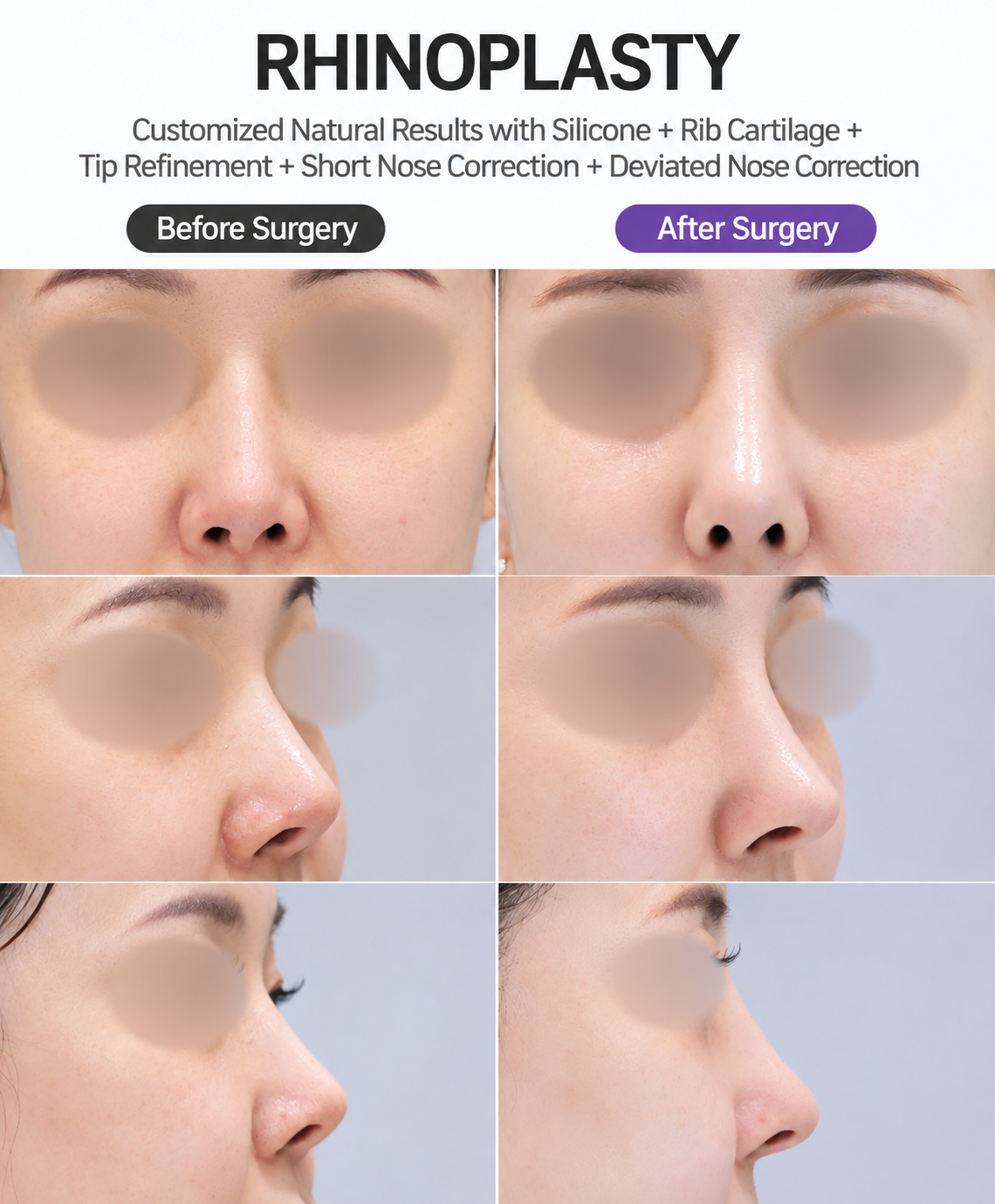
Cartilage Grafting Techniques
Cartilage grafts are commonly used to improve stability and long-term support.
Possible graft sources include:
- Septal cartilage
- Ear cartilage
- Rib cartilage
These grafts may be used for:
- Tip reconstruction
- Structural reinforcement
- Bridge support
- Revision surgery
- Functional correction
- Complex reconstruction
The choice of graft depends on the individual case.
Structural Rhinoplasty
Structural rhinoplasty focuses on creating a strong and stable framework rather than making cosmetic changes alone.
Key objectives include:
- Long-term support
- Better tip stability
- Improved symmetry
- Functional preservation
- Stronger cartilage framework
- Durable results
- Balanced appearance
This approach is frequently used in both primary and revision procedures.
Open and Closed Surgical Approaches
Korean surgeons may use either open or closed rhinoplasty techniques depending on the procedure.
Open rhinoplasty offers:
- Direct visualization
- Better access for complex surgery
- Greater precision in reconstruction
Closed rhinoplasty offers:
- Internal incisions only
- No visible external scar
- Suitable for selected cases
- Less extensive surgical exposure
The appropriate approach varies according to surgical goals.
Functional and Cosmetic Combination Procedures
Many patients choose to address both appearance and breathing concerns during one operation.
Combined procedures may improve:
- Nasal airflow
- Structural stability
- Tip shape
- Bridge contour
- Facial harmony
- Internal support
- Overall function
Treatment plans are tailored to the patient's individual needs.
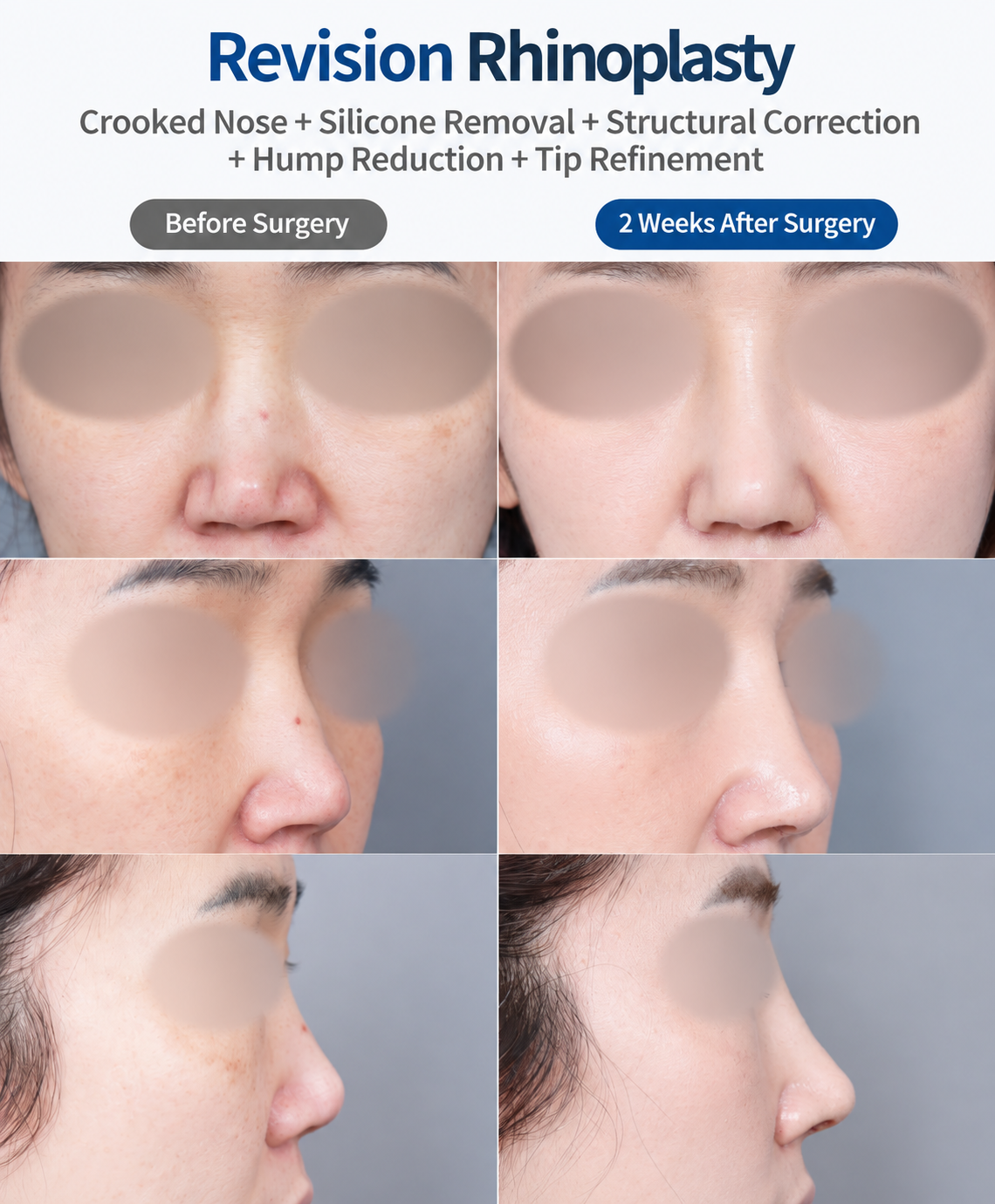
Revision Rhinoplasty Techniques
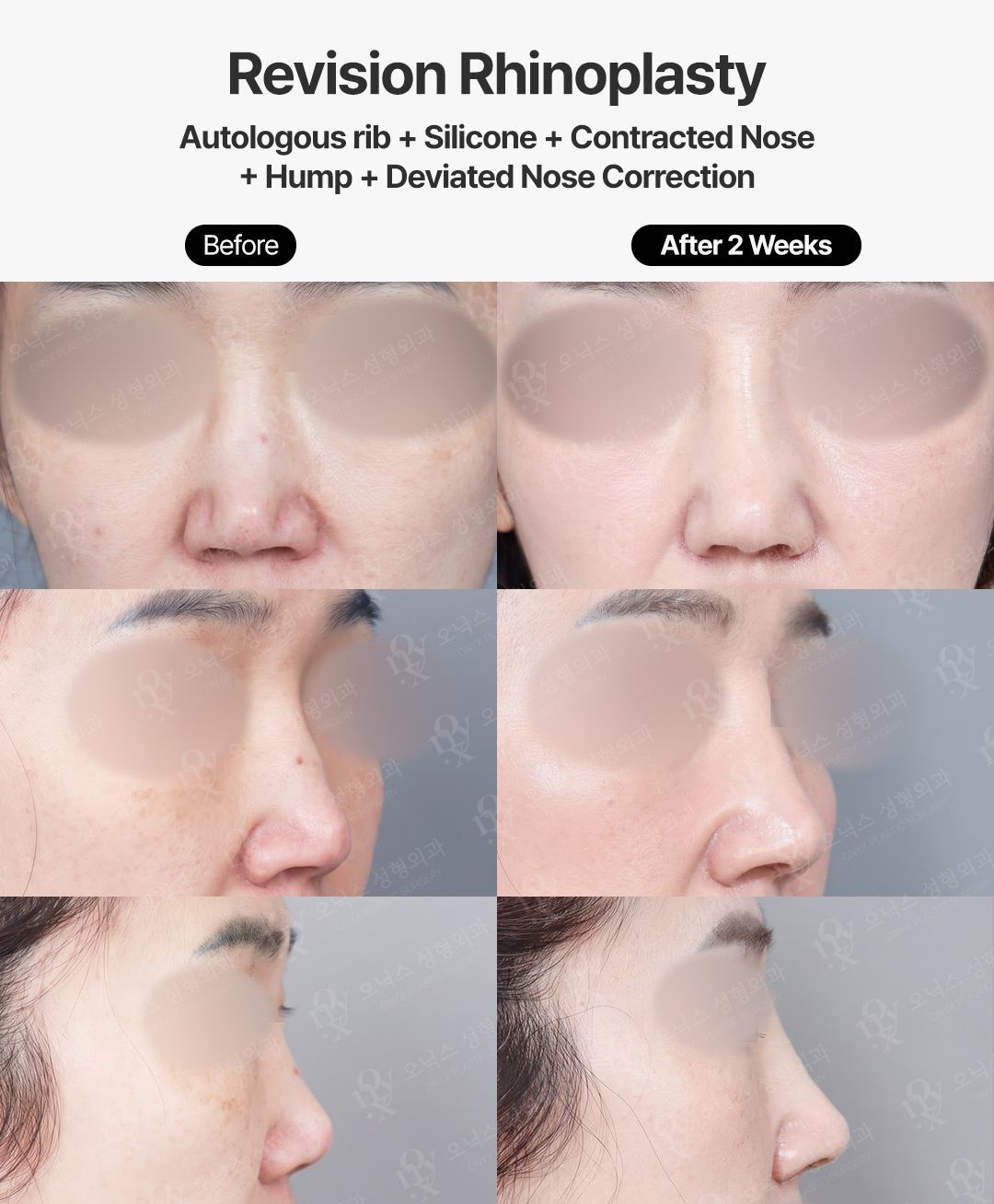
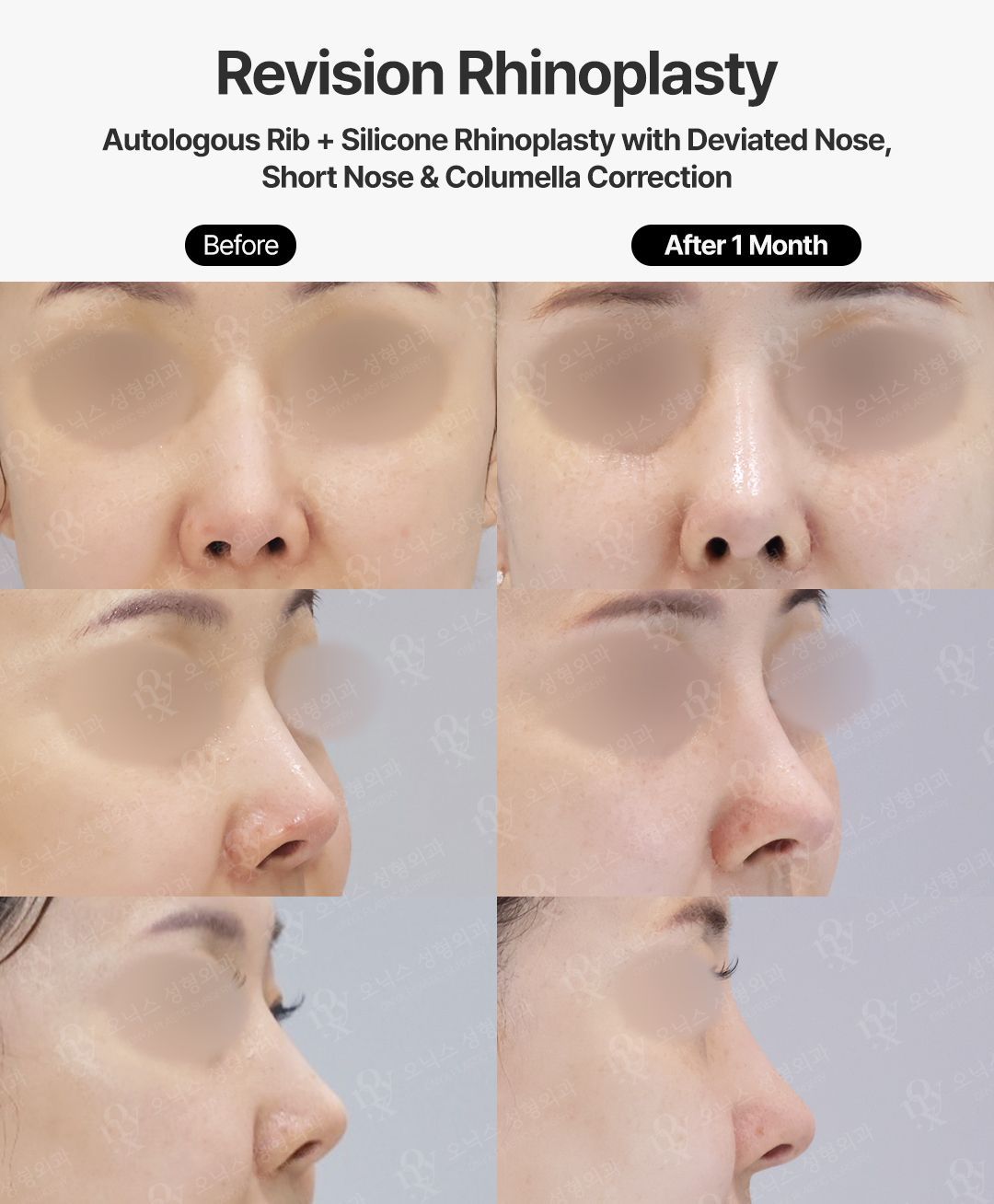
Revision procedures often require more advanced reconstruction than primary surgery.
Common techniques include:
- Scar tissue management
- Structural rebuilding
- Cartilage grafting
- Implant replacement or removal
- Tip reconstruction
- Functional correction
- Long-term stabilization
Every revision case presents unique challenges and requires careful planning.
Technology and Surgical Planning
Modern rhinoplasty planning often incorporates detailed analysis before surgery.
This may include:
- Facial assessment
- Profile evaluation
- Symmetry analysis
- Structural examination
- Medical history review
- Functional assessment
- Personalized surgical planning
Technology can assist planning, but surgical expertise remains the most important factor.
Final Thoughts
Korean rhinoplasty techniques combine structural support, personalized planning, and natural-looking aesthetic principles to create balanced results that suit each patient's facial features. Rather than relying on a single method, surgeons select the most appropriate combination of techniques based on anatomy, functional needs, and long-term goals, making individualized treatment a key part of modern rhinoplasty in Korea.