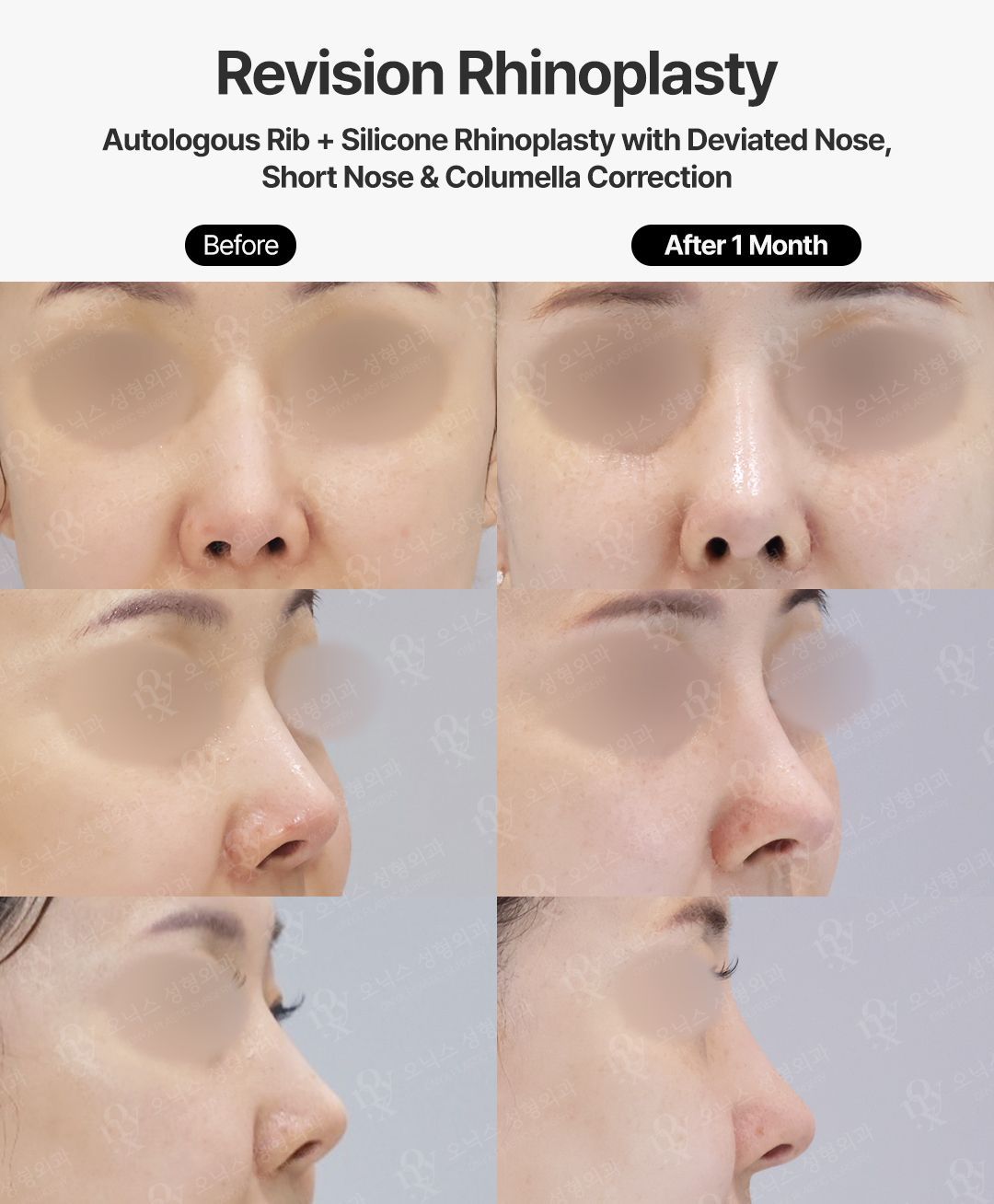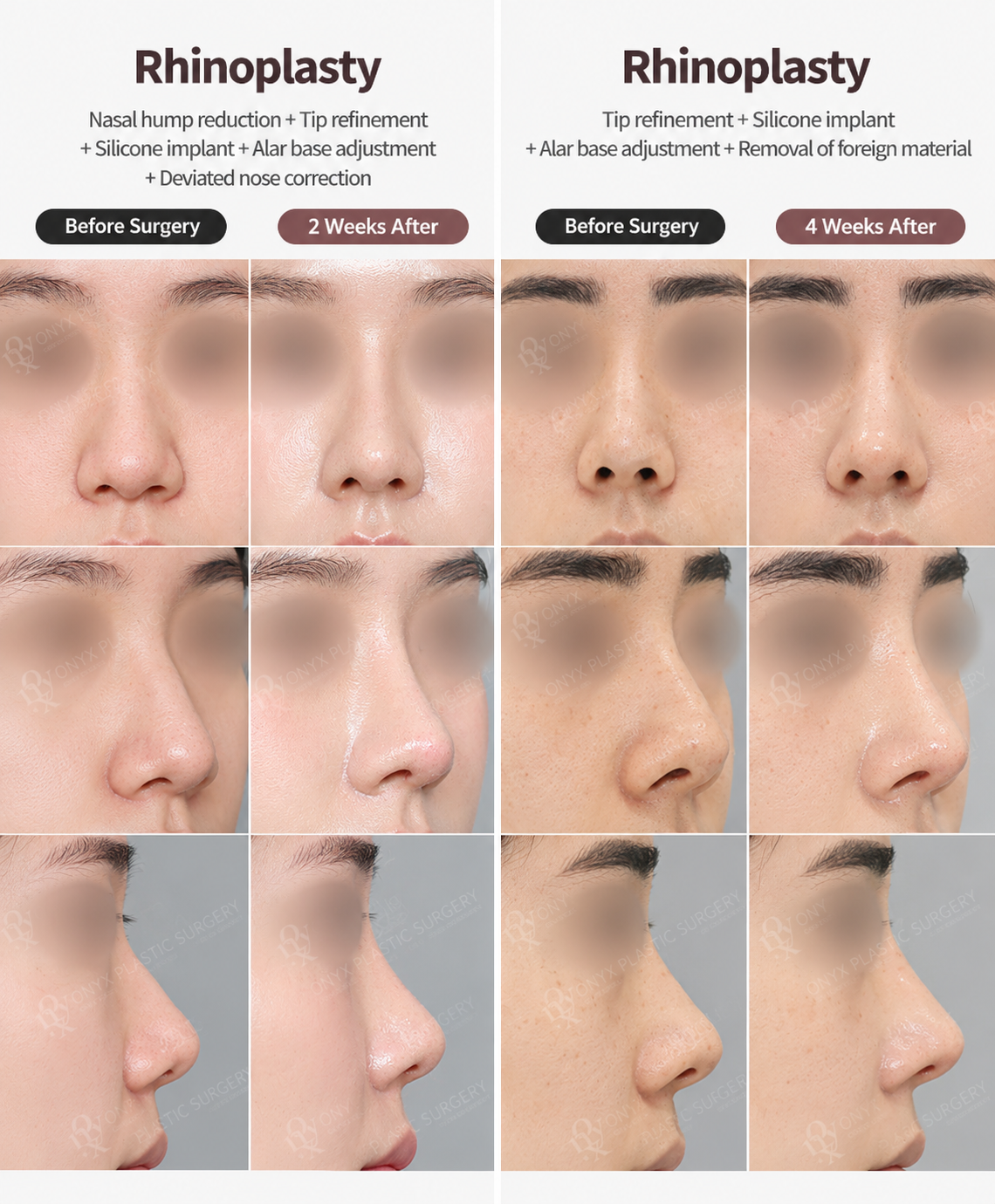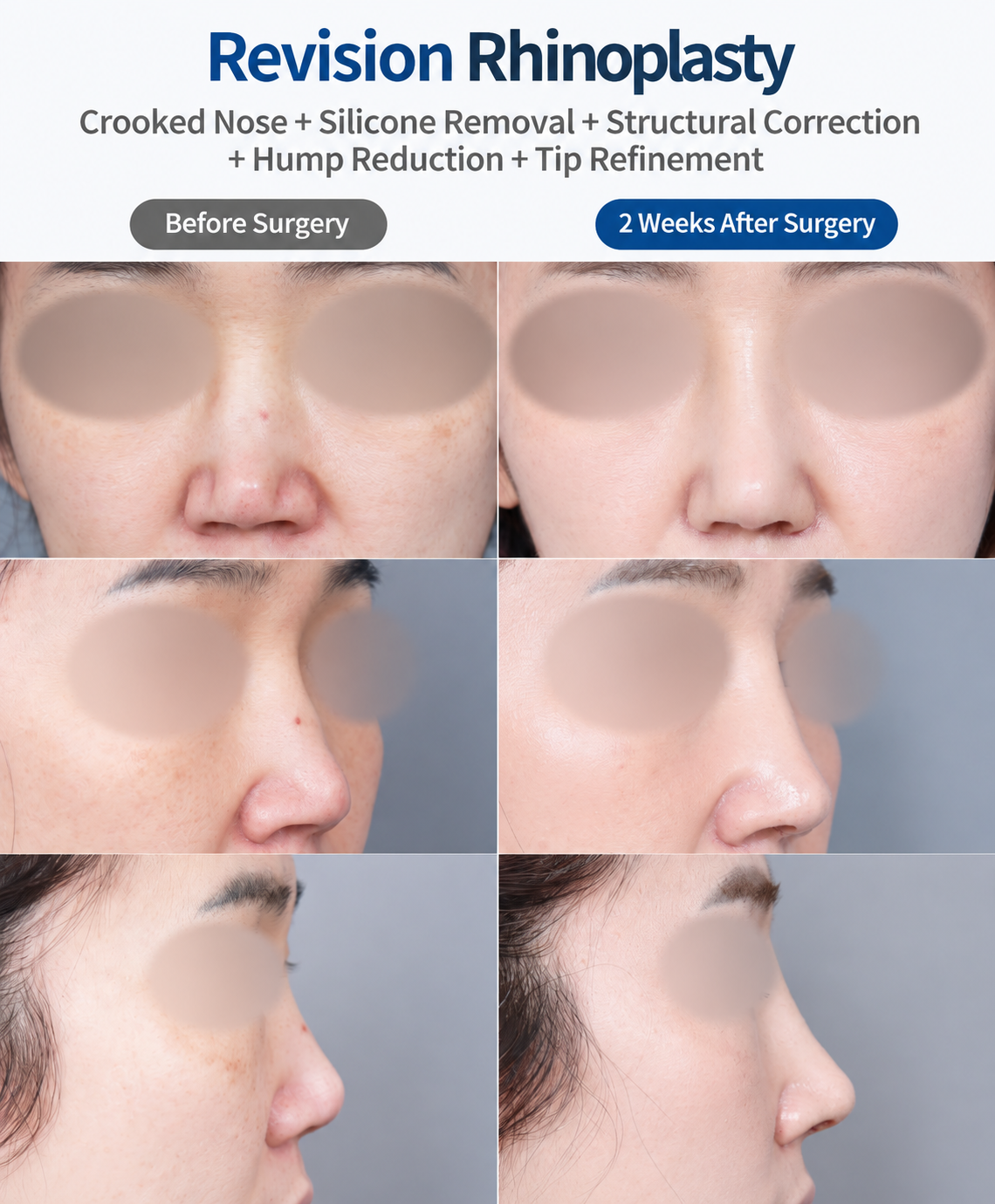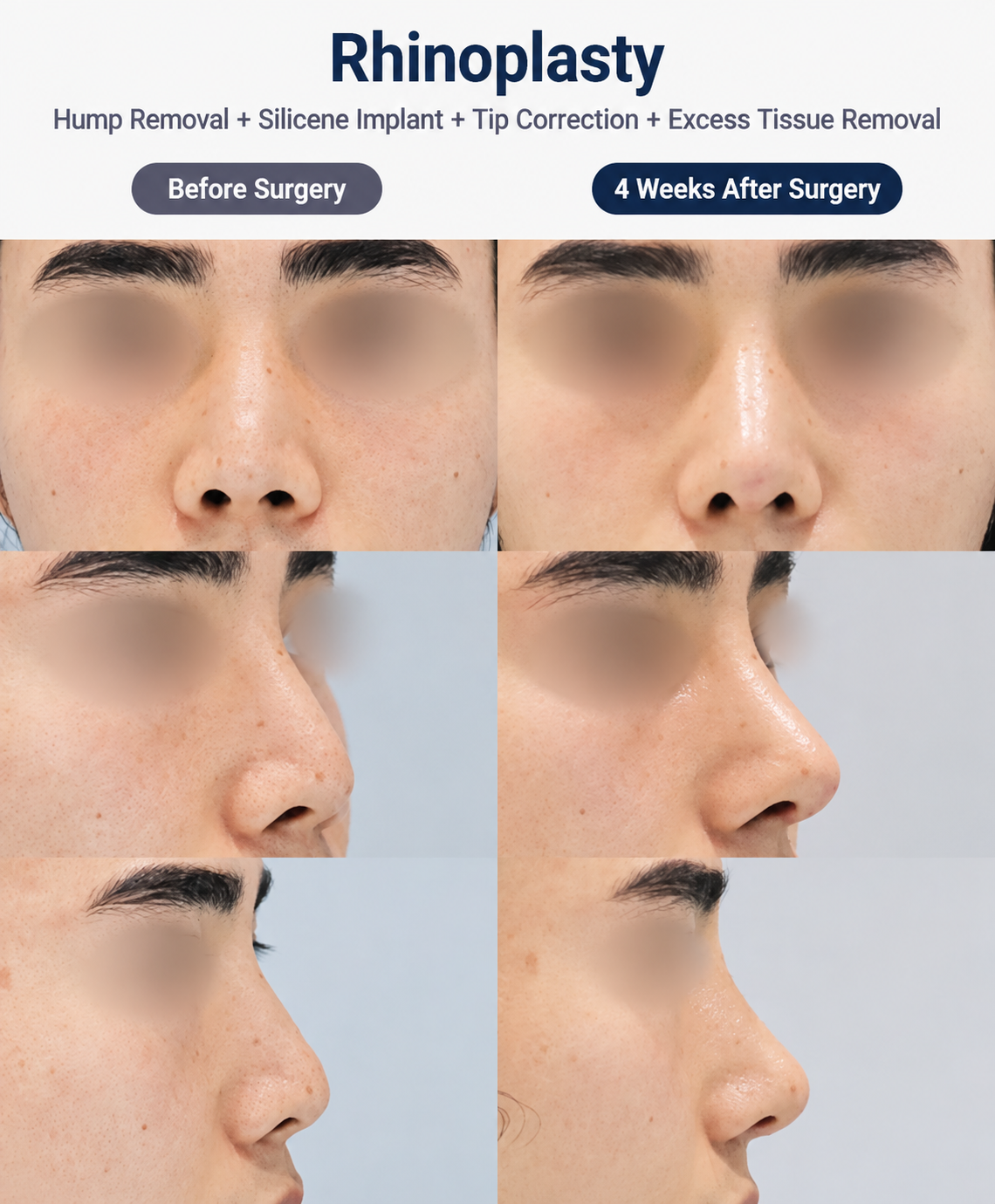
Is Korea Safe for Nose Surgery?
Is Korea Safe for Nose Surgery?
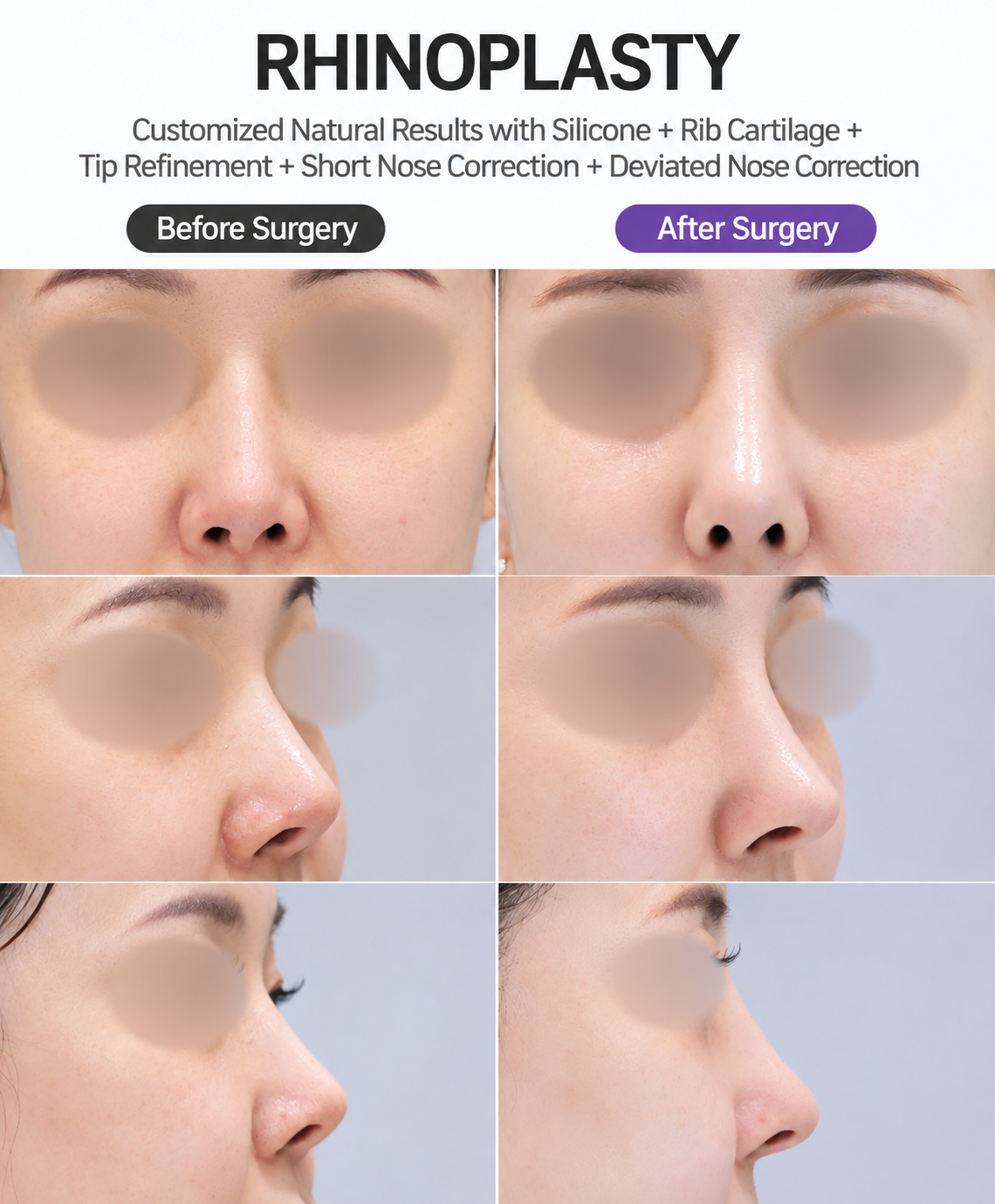
South Korea is one of the world's leading destinations for cosmetic surgery, including rhinoplasty. Many hospitals and clinics perform a high volume of nose surgeries each year and use modern medical technology and established surgical protocols. However, as with any surgery in any country, safety depends on factors such as the qualifications of the surgeon, the quality of the medical facility, the patient's health, and proper postoperative care.
Why Many Patients Consider Korea for Rhinoplasty
South Korea has earned an international reputation for facial plastic surgery and individualized treatment planning.
Common reasons patients choose Korea include:
- Extensive surgical experience
- Advanced medical technology
- Specialized rhinoplasty techniques
- Personalized treatment plans
- Modern operating facilities
- Structured postoperative care
- Experience with international patients
The quality of care can vary between providers, making careful research essential.
How to Evaluate Safety
Rather than focusing only on location, patients should evaluate the safety standards of the specific clinic and surgeon.
Important factors include:
- Surgeon qualifications
- Experience with rhinoplasty procedures
- Comprehensive consultations
- Clear communication
- Safety protocols
- Emergency preparedness
- Postoperative monitoring
Choosing an experienced medical team is one of the most important parts of reducing risk.
The Importance of a Thorough Consultation
A detailed consultation helps identify whether surgery is appropriate and allows the surgeon to create an individualized plan.
Topics commonly discussed include:
- Medical history
- Previous surgeries
- Current medications
- Allergies
- Functional concerns
- Cosmetic goals
- Recovery expectations
Patients should answer questions honestly and ask about anything they do not understand.
Understanding the Risks
Like any surgical procedure, rhinoplasty carries potential risks and complications.
Possible risks may include:
- Infection
- Bleeding
- Swelling
- Scarring
- Breathing difficulties
- Asymmetry
- Need for revision surgery
Understanding these possibilities before surgery helps establish realistic expectations.
Safety During Recovery
Postoperative care is an important part of achieving a successful outcome.
Patients should:
- Follow medication instructions
- Attend follow-up appointments
- Avoid strenuous activities
- Protect the nose from injury
- Sleep with the head elevated
- Follow activity restrictions
- Contact their surgeon if concerns arise
Recovery continues well beyond the first few weeks after surgery.
Considerations for International Patients
Patients traveling from overseas should plan their trip carefully.
Important considerations include:
- Online consultation before travel
- Sufficient recovery time in Korea
- Flexible return flights
- Follow-up appointments
- Language support if needed
- Emergency contact information
- Long-term communication after returning home
Leaving Korea too soon after surgery may make follow-up care more difficult.
Questions to Ask Before Choosing a Clinic
Being well informed can help patients make more confident decisions.
Helpful questions include:
- How often do you perform rhinoplasty?
- What surgical approach do you recommend?
- What are the potential risks?
- What does postoperative care include?
- How are complications managed?
- How long should I stay in Korea?
- What follow-up support is available after I return home?
Open communication is an important part of safe surgical planning.
Preparing Yourself Before Surgery
Patients can also contribute to a safer experience by preparing appropriately.
Helpful steps include:
- Following preoperative instructions
- Disclosing medical conditions
- Avoiding smoking if advised
- Discussing medications with the surgeon
- Arranging adequate recovery time
- Planning transportation and accommodation
- Maintaining realistic expectations
Good preparation supports both safety and recovery.
Final Thoughts
South Korea is widely recognized for its expertise in rhinoplasty and attracts patients from around the world each year. However, no surgical procedure is completely risk-free, and safety depends on careful surgeon selection, individualized planning, appropriate medical care, and responsible postoperative management. Taking the time to research thoroughly and communicate openly with your medical team can help support a safer and more informed surgical experience.