What Is Asian Rhinoplasty?
What Is Asian Rhinoplasty?
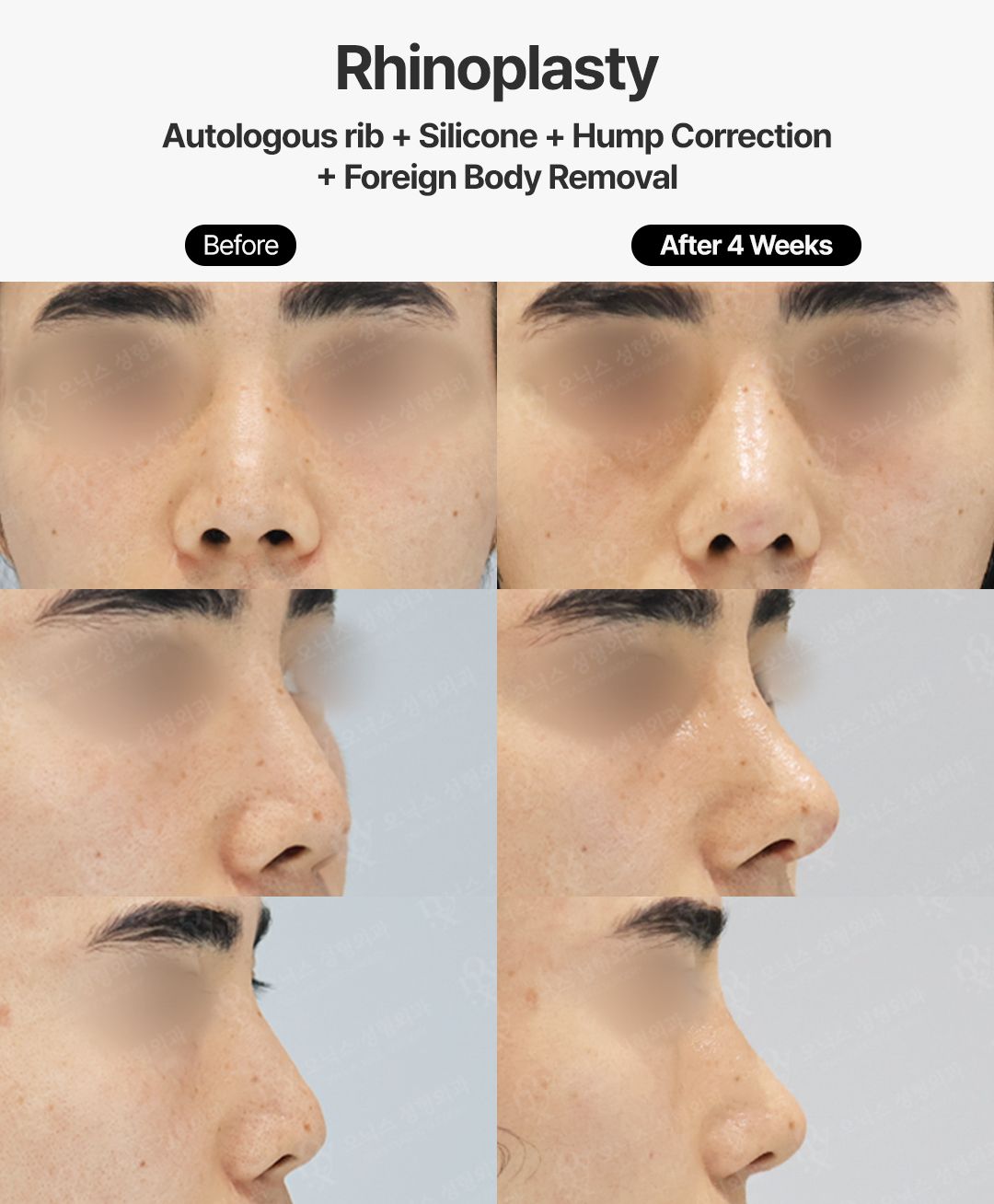
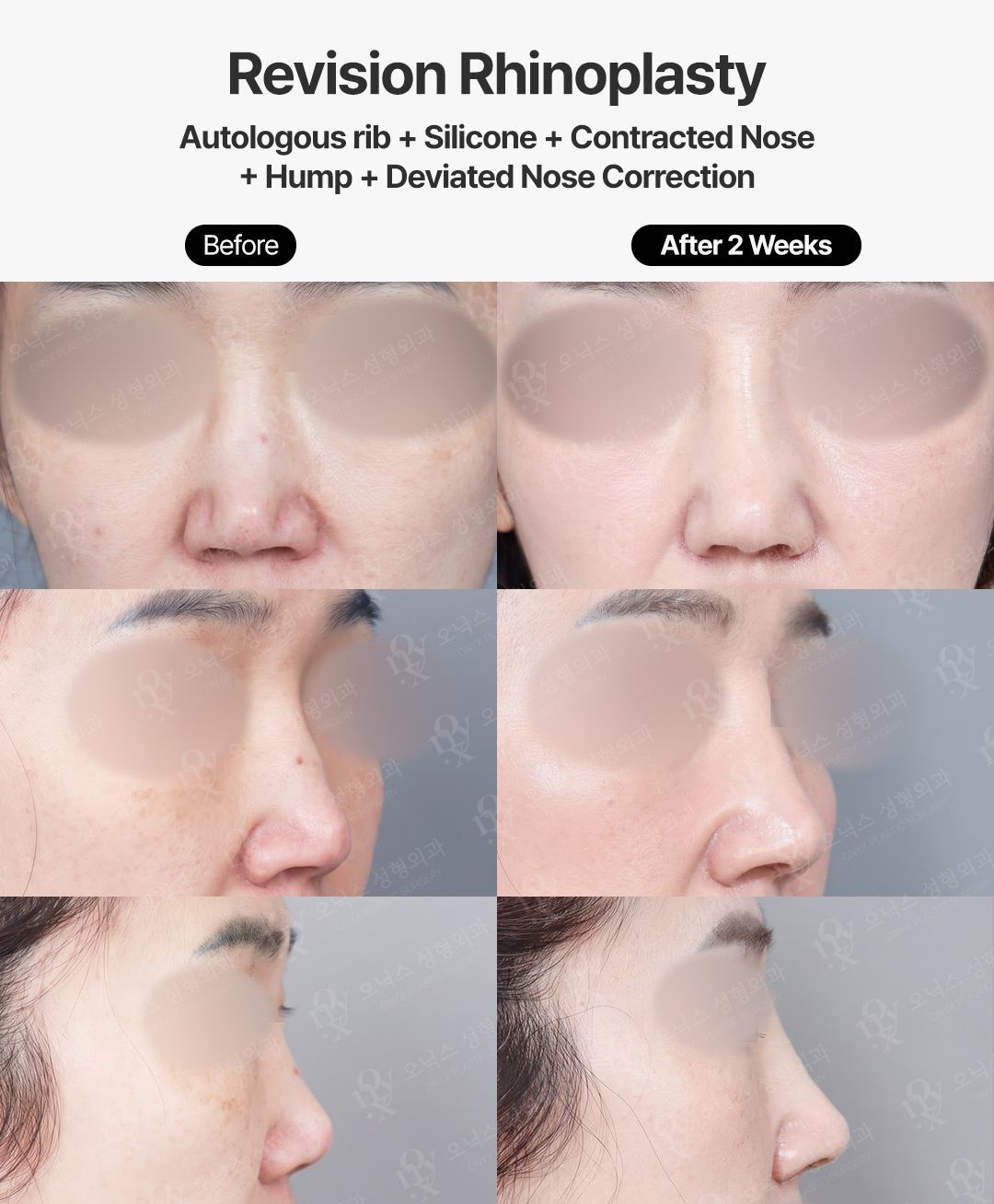
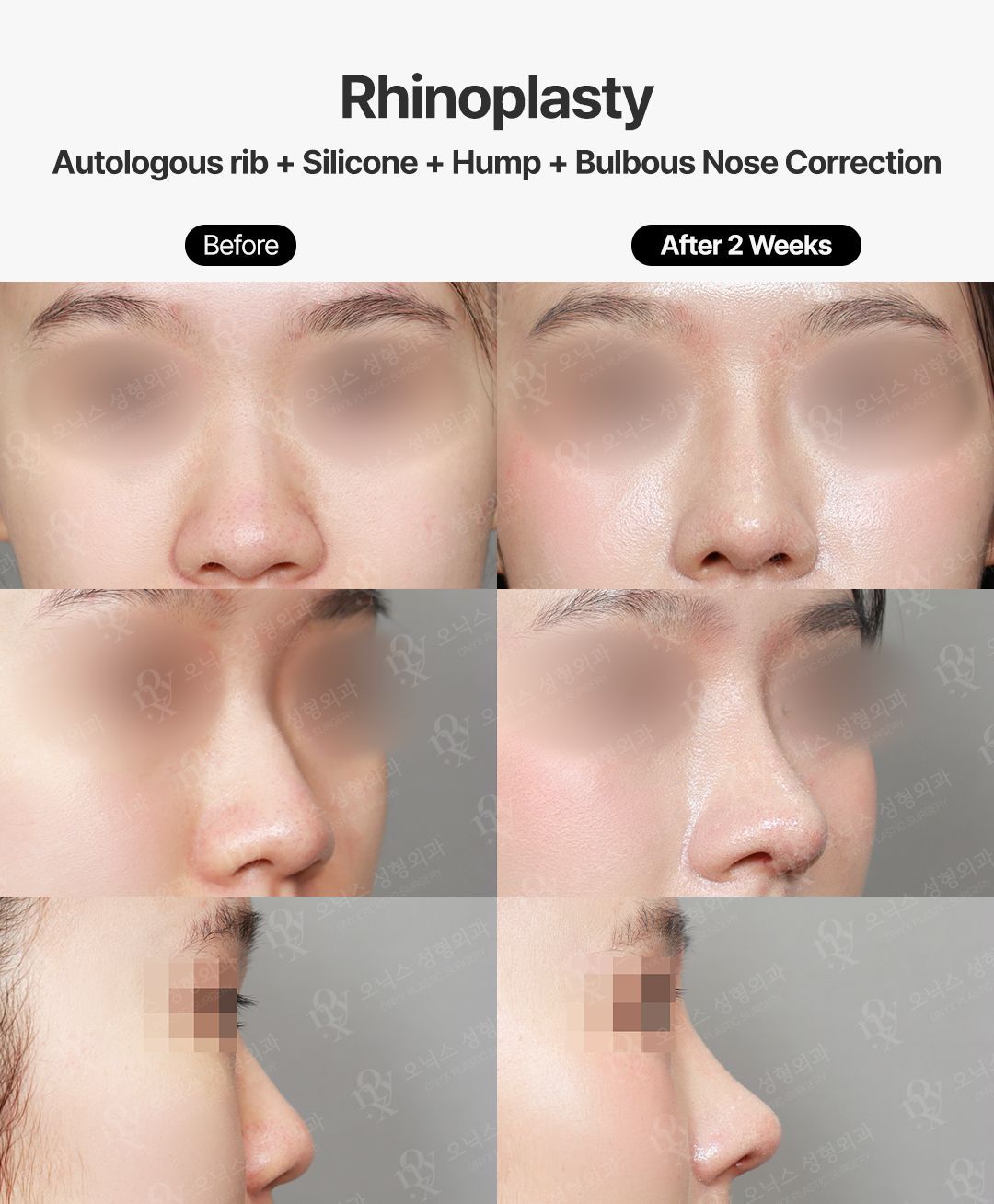
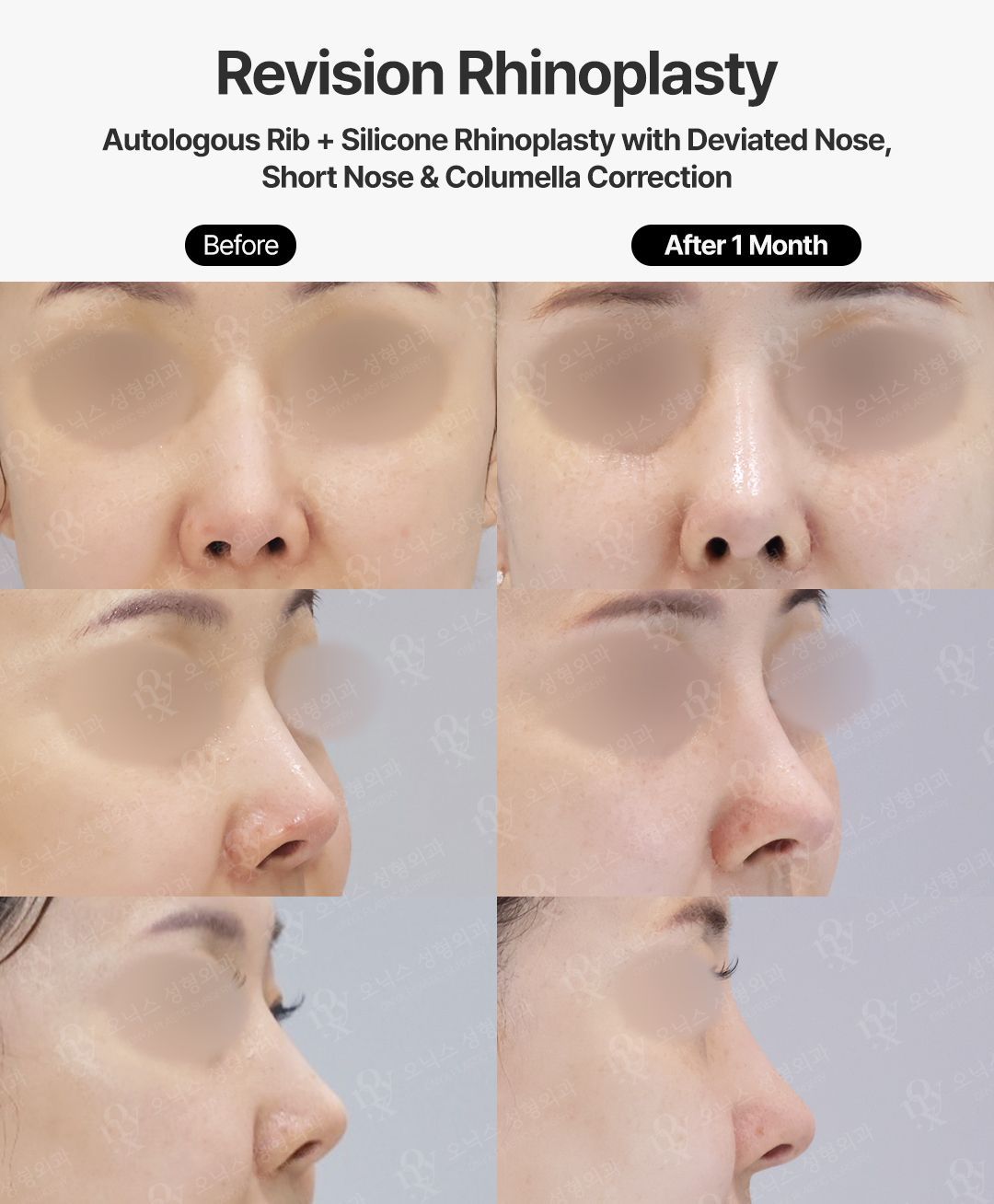
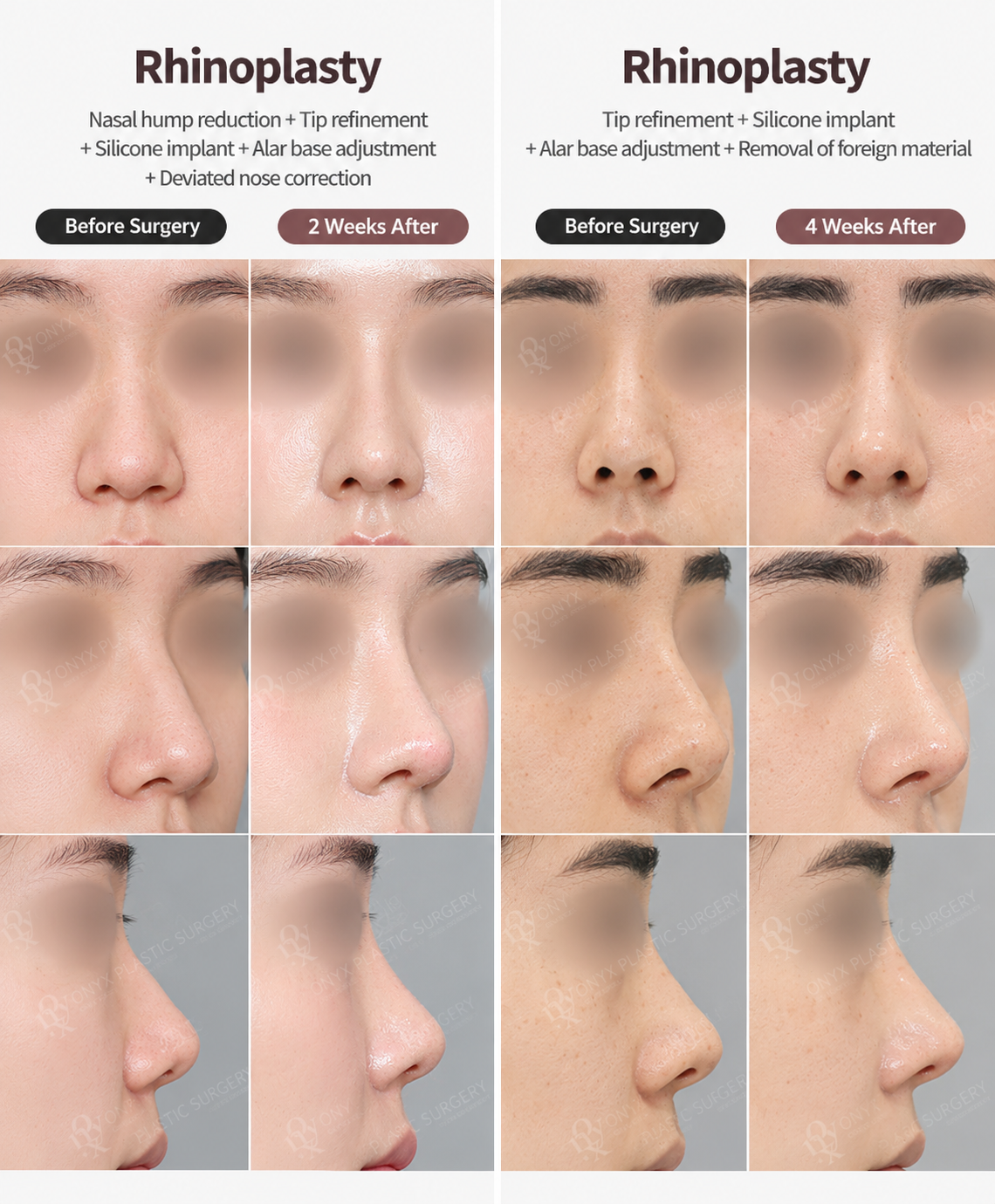
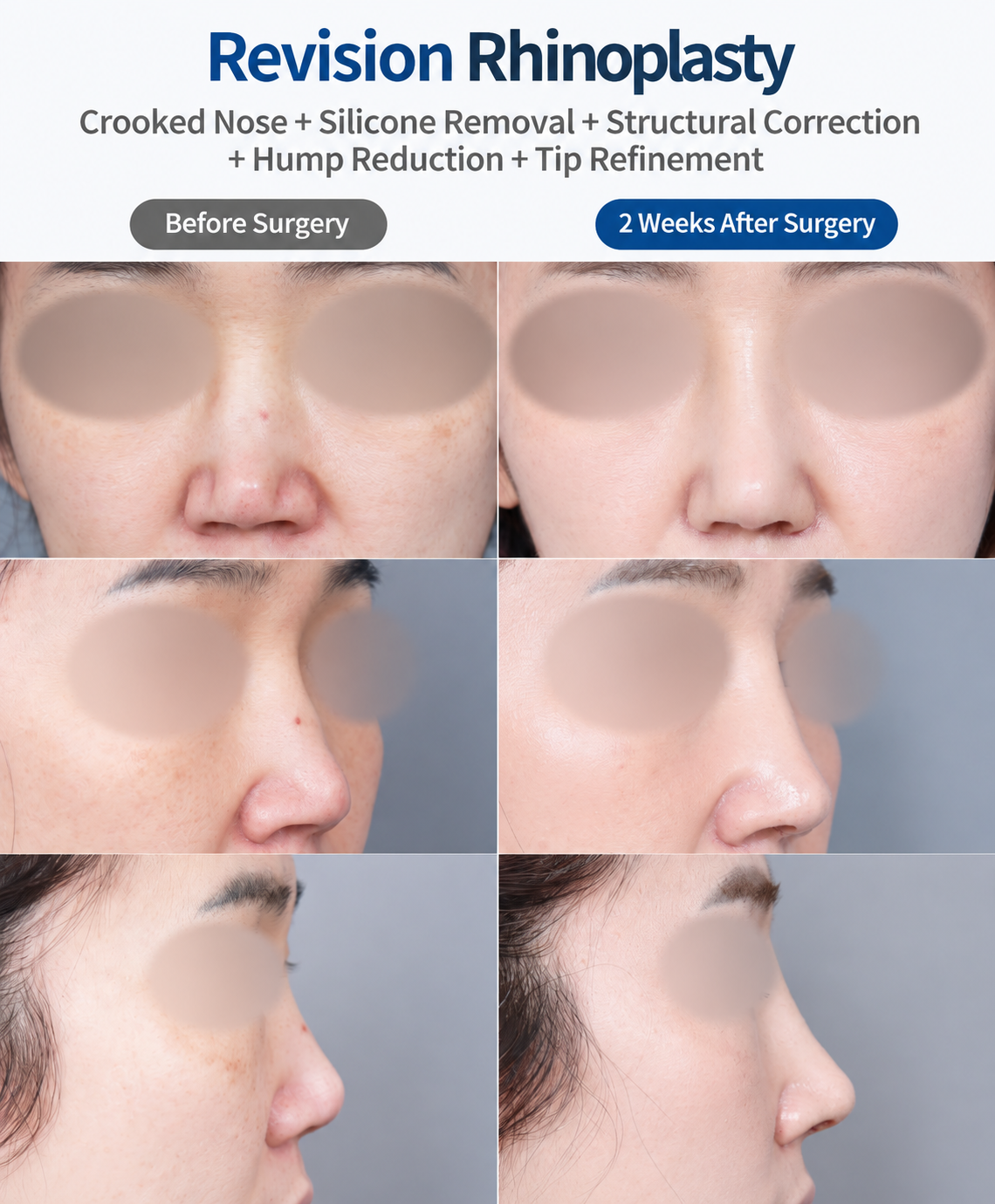
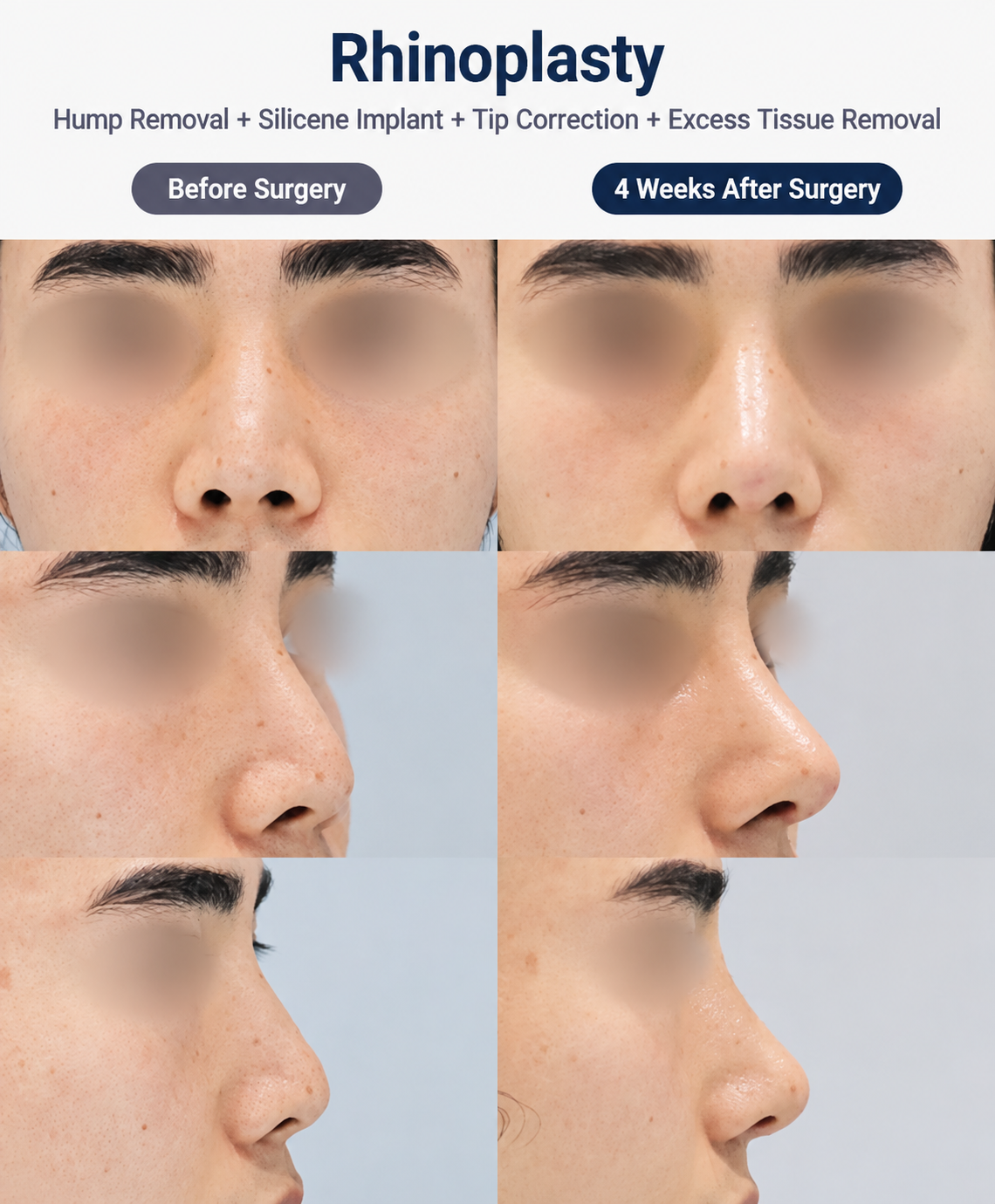
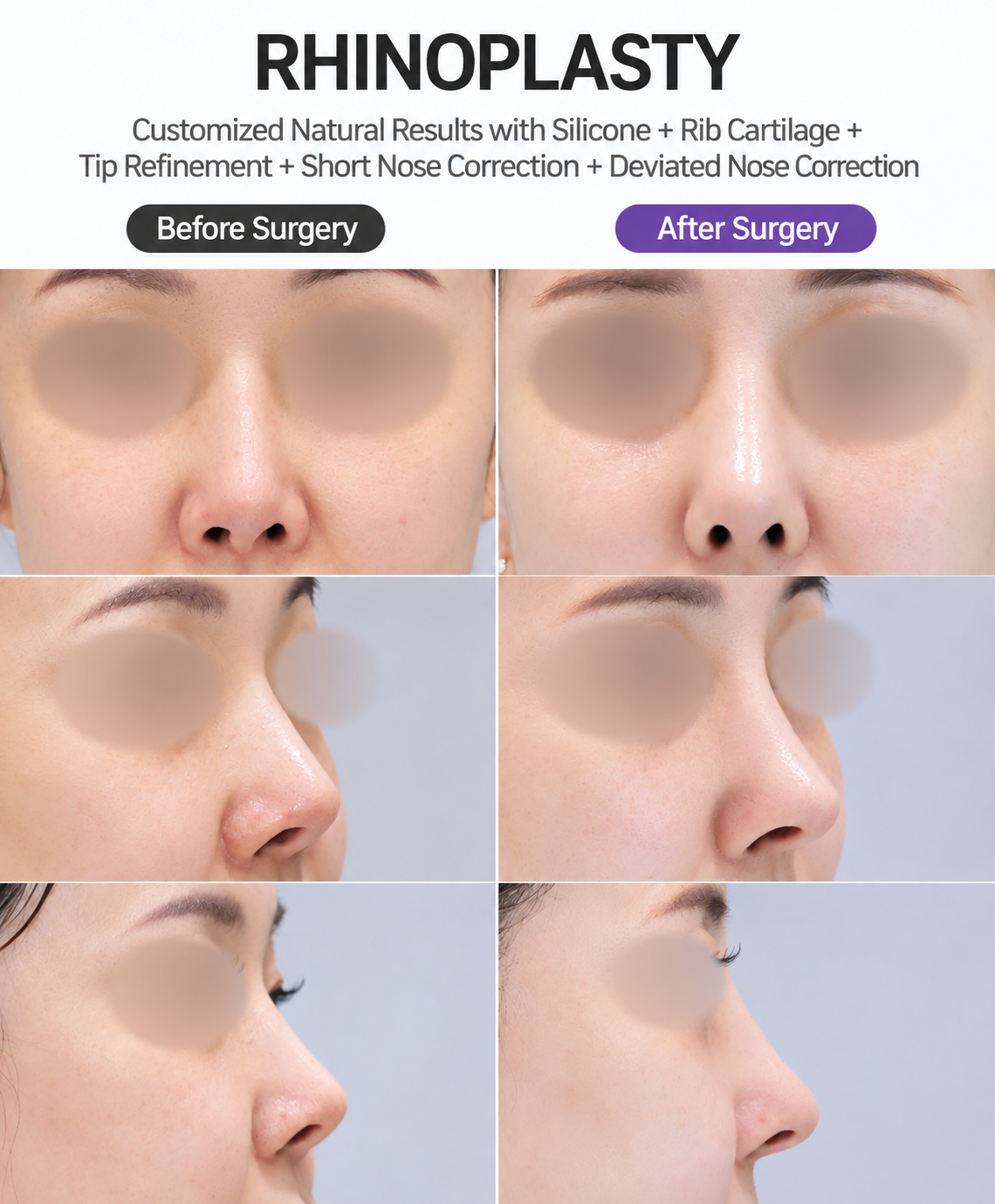
Asian rhinoplasty is a specialized type of nose surgery designed to enhance the appearance or function of the nose while respecting each patient's unique facial features and ethnic characteristics. Rather than following a single aesthetic standard, the procedure is highly individualized and focuses on creating balanced, natural-looking results that complement the rest of the face.
Common Goals of Asian Rhinoplasty
Every patient's anatomy and preferences are different, but common treatment goals may include:
- Increasing bridge height
- Refining the nasal tip
- Improving facial balance
- Enhancing definition
- Correcting asymmetry
- Creating smoother contours
- Maintaining a natural appearance
The desired outcome varies according to personal preference and facial structure.
Typical Anatomical Considerations
Surgical planning often takes into account characteristics that may be present in some patients.
These may include:
- Lower nasal bridge
- Wider nasal base
- Less tip projection
- Thicker skin
- Softer cartilage
- Rounder nasal tip
- Different facial proportions
Not every patient shares these features, making individualized assessment essential.
Common Surgical Techniques
Surgeons may combine several techniques to achieve the desired result.
Possible approaches include:
- Bridge augmentation
- Tip refinement
- Cartilage grafting
- Structural reinforcement
- Septal correction
- Open rhinoplasty
- Closed rhinoplasty
The specific technique depends on the patient's anatomy and treatment goals.
Cartilage Grafting Options
Cartilage is frequently used to improve support and long-term stability.
Common sources include:
- Septal cartilage
- Ear cartilage
- Rib cartilage
These grafts may help with:
- Tip projection
- Structural support
- Shape refinement
- Revision surgery
- Functional improvement
- Long-term stability
The choice of graft varies by individual case.
Functional and Cosmetic Benefits
In some cases, rhinoplasty addresses both appearance and nasal function.
Potential improvements may include:
- Better facial harmony
- Improved profile
- Enhanced tip definition
- Structural support
- Improved breathing
- Better symmetry
- Greater overall balance
The exact benefits depend on the planned procedure.
Recovery Expectations
Healing occurs gradually over an extended period.
Patients commonly experience:
- Temporary swelling
- Mild bruising
- Nasal congestion
- Gradual reduction in swelling
- Progressive contour refinement
- Follow-up appointments
- Long-term healing over many months
Patience is an important part of the recovery process.
Who May Be a Good Candidate?
Asian rhinoplasty may be appropriate for individuals who wish to improve the appearance or function of their nose while maintaining facial harmony.
Potential candidates may include those seeking:
- Higher bridge definition
- Tip refinement
- Better symmetry
- Functional correction
- Revision surgery
- More balanced facial proportions
- Natural-looking enhancement
A consultation is necessary to determine the most suitable treatment plan.
Important Considerations Before Surgery
Before making a decision, patients should discuss:
- Personal goals
- Realistic expectations
- Surgical options
- Recovery timeline
- Potential risks
- Long-term results
- Follow-up care
Open communication with your surgeon is essential for informed decision-making.
Final Thoughts
Asian rhinoplasty is a personalized procedure that combines structural techniques and aesthetic planning to create results that complement each individual's facial features. Rather than aiming for a universal appearance, the focus is on achieving natural-looking balance, maintaining ethnic identity when desired, and addressing both cosmetic and functional concerns through a customized surgical approach.