What Happens During a Rhinoplasty Consultation?
What Happens During a Rhinoplasty Consultation?
A rhinoplasty consultation is the first step in planning nose surgery and plays an important role in achieving safe and satisfying results. During the appointment, the surgeon evaluates your nasal anatomy, discusses your goals and expectations, reviews your medical history, and recommends an appropriate treatment plan. It is also an opportunity for patients to ask questions and fully understand the procedure before making a decision.
Discussing Your Goals
The consultation usually begins with a conversation about what you hope to achieve through surgery.
Topics may include:
- Desired appearance
- Functional concerns
- Previous nasal injuries
- Breathing problems
- Personal preferences
- Areas you would like to improve
- Expected outcomes
Clear communication helps create a treatment plan tailored to your goals.
Review of Medical History
Your surgeon will review your medical background to determine whether surgery is appropriate.
Information commonly discussed includes:
- Previous surgeries
- Medical conditions
- Current medications
- Allergies
- Smoking history
- History of nasal trauma
- Past cosmetic procedures
Providing accurate information is important for both safety and surgical planning.
Physical Examination
A detailed examination of the nose is typically performed during the consultation.
The assessment may include:
- Nasal bridge
- Nasal tip
- Skin thickness
- Facial proportions
- Symmetry
- Internal nasal structure
- Overall nasal support
This evaluation helps determine the most suitable surgical approach.
Discussion of Surgical Options
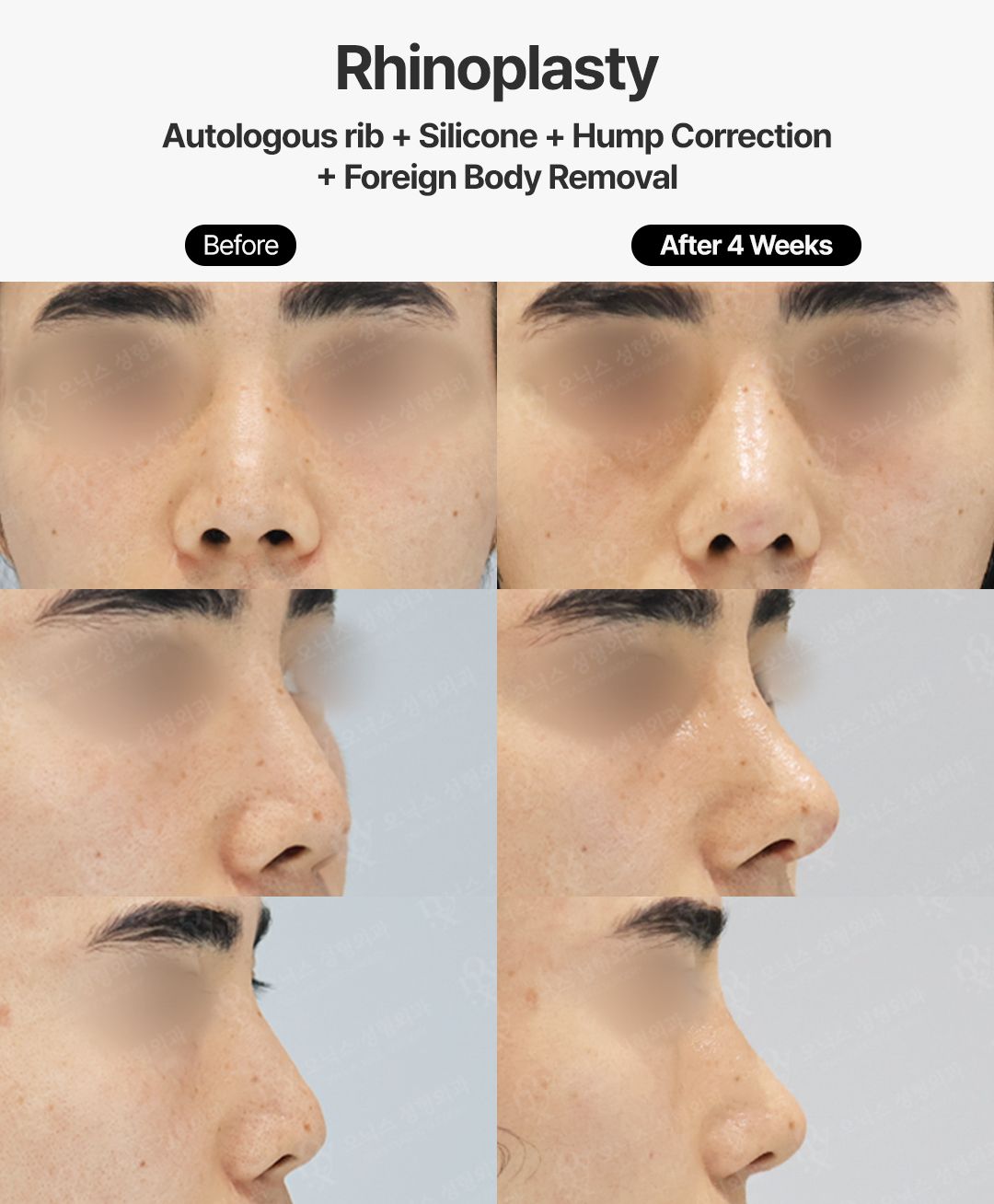
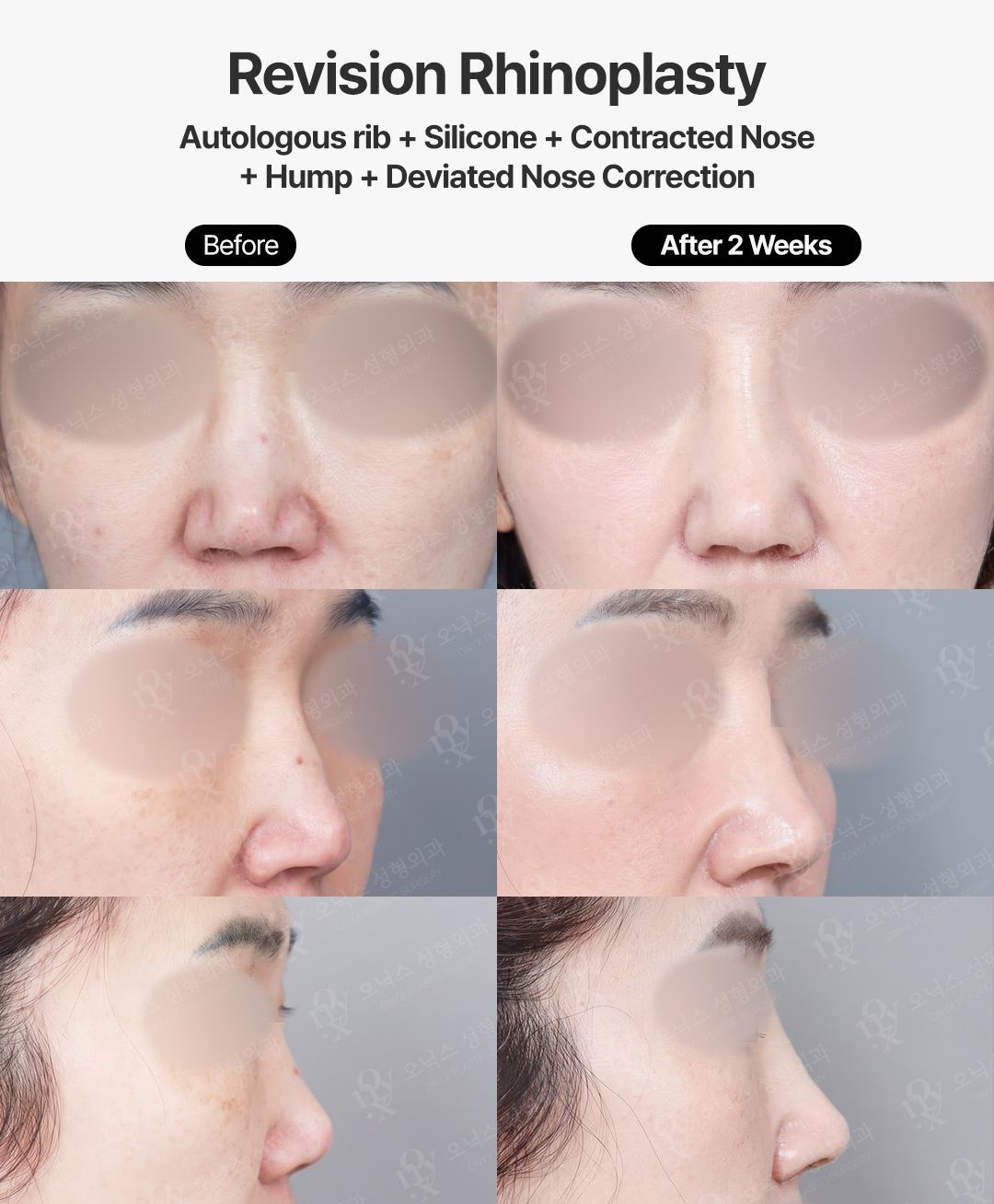
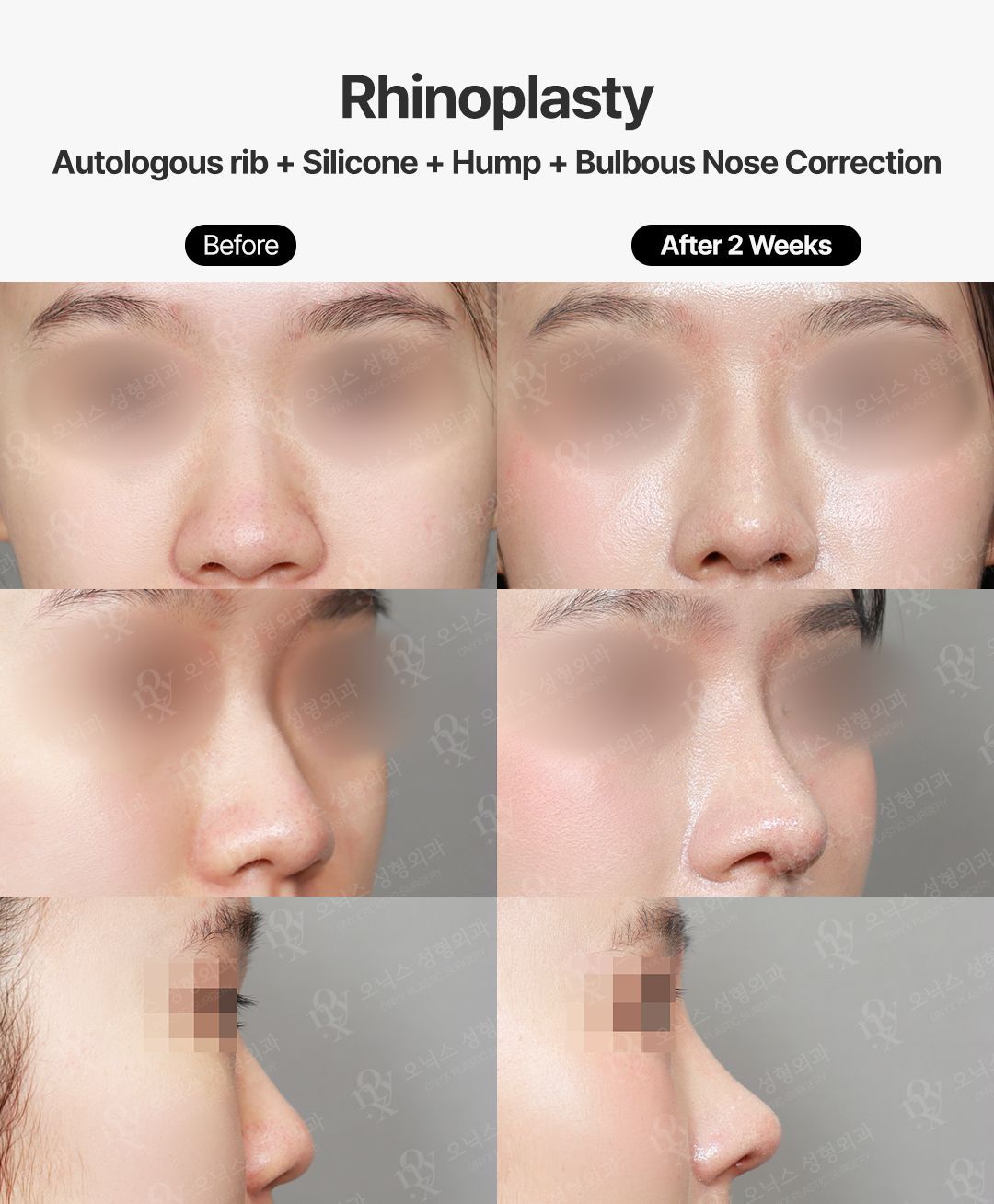
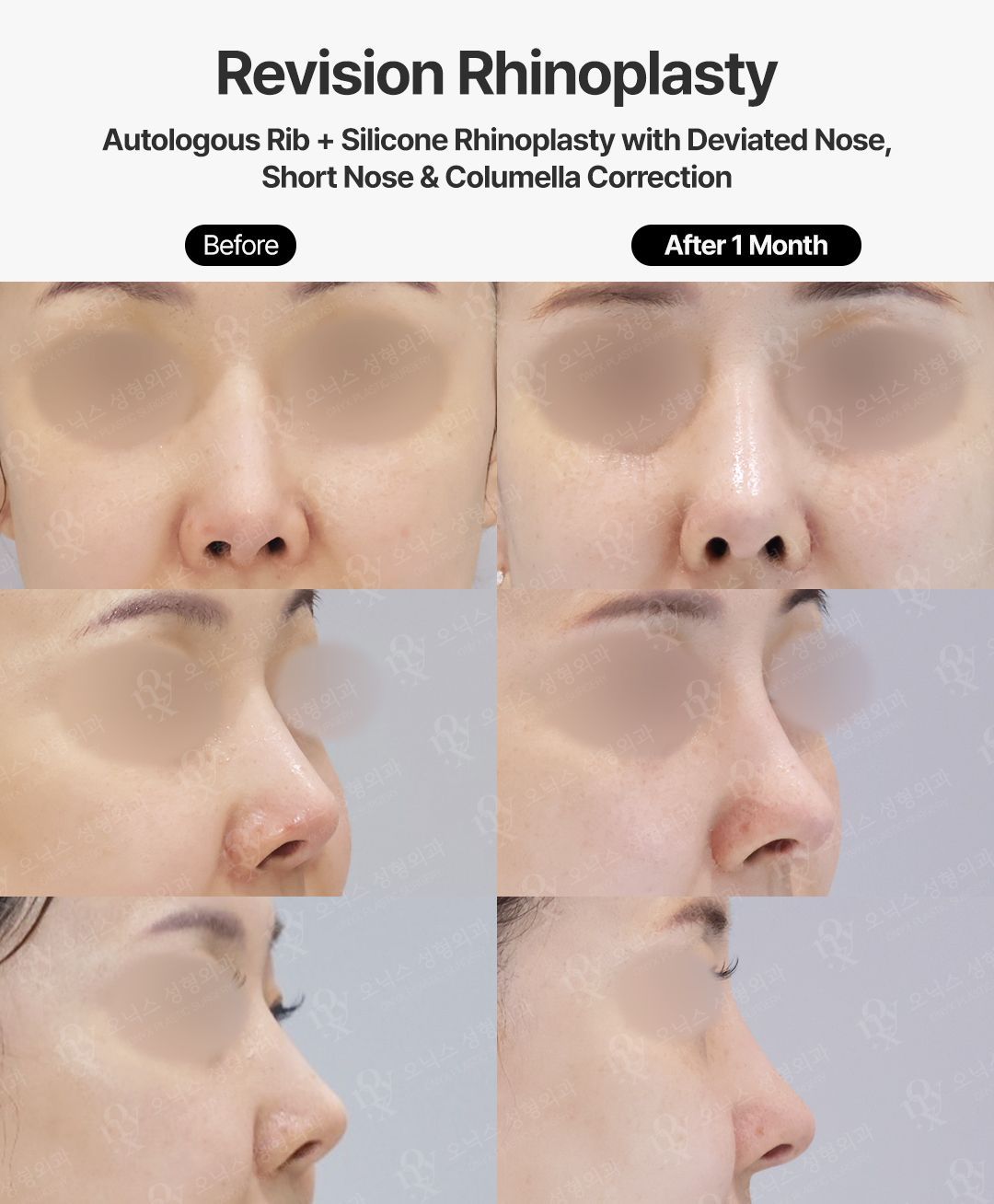
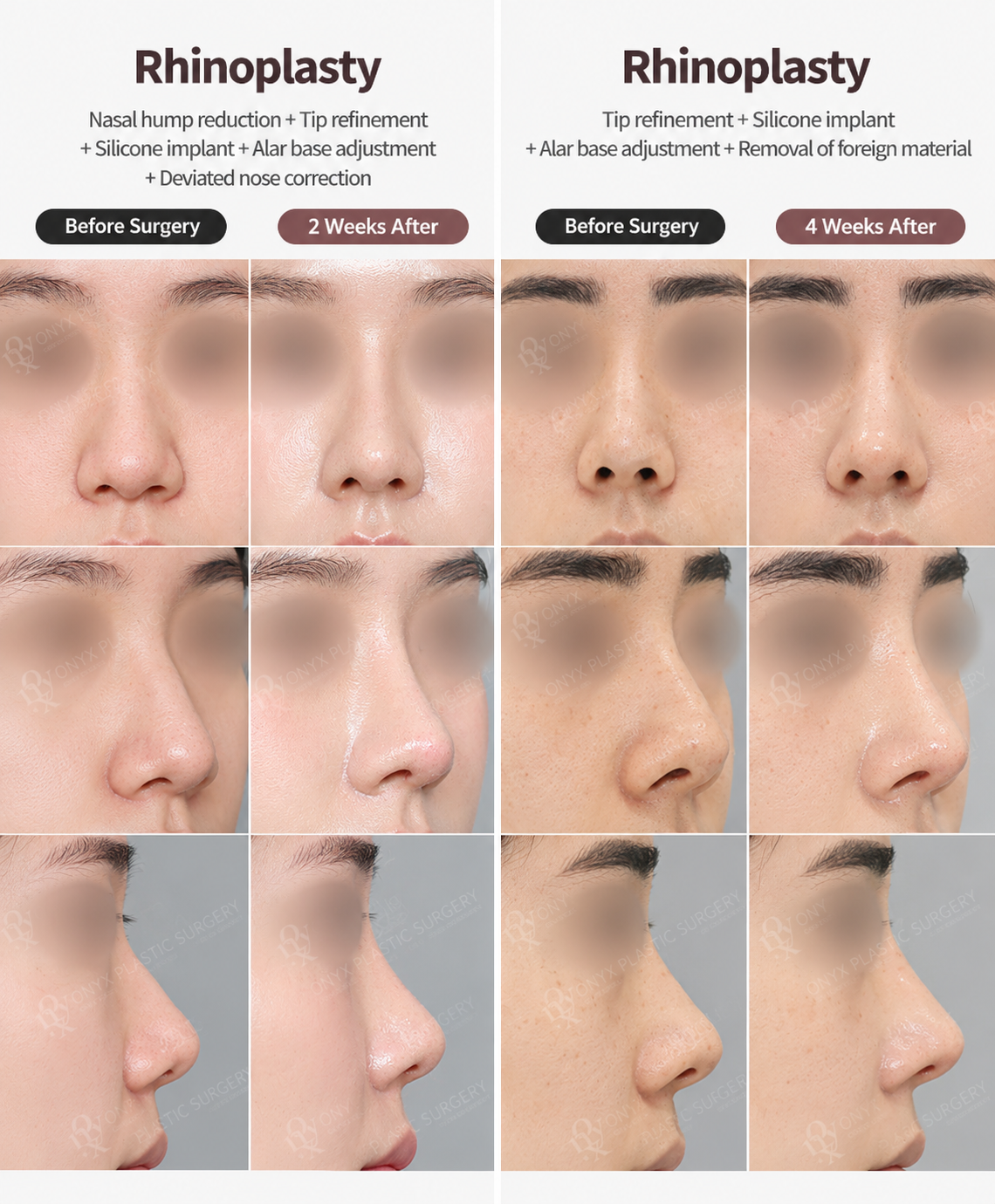
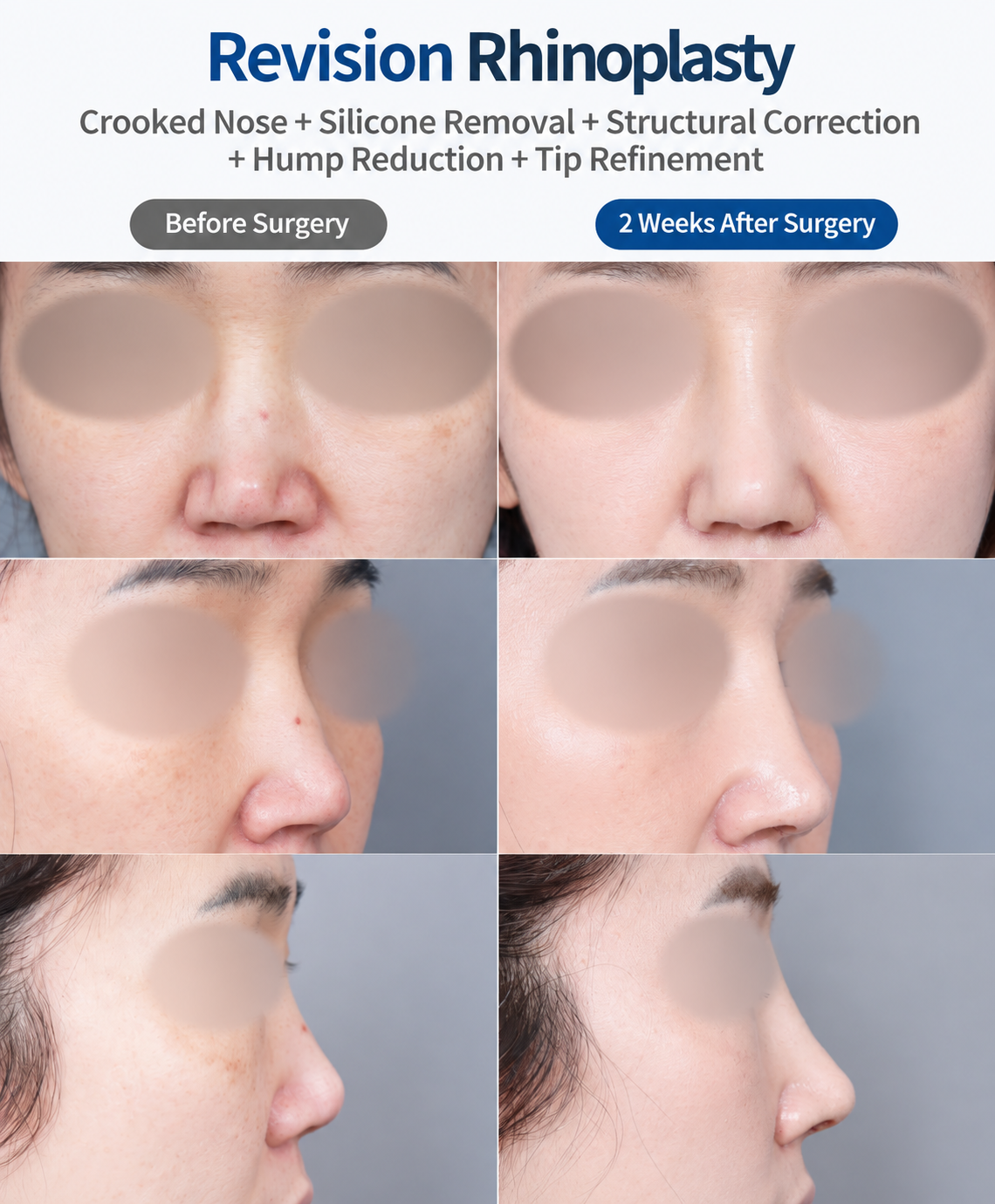
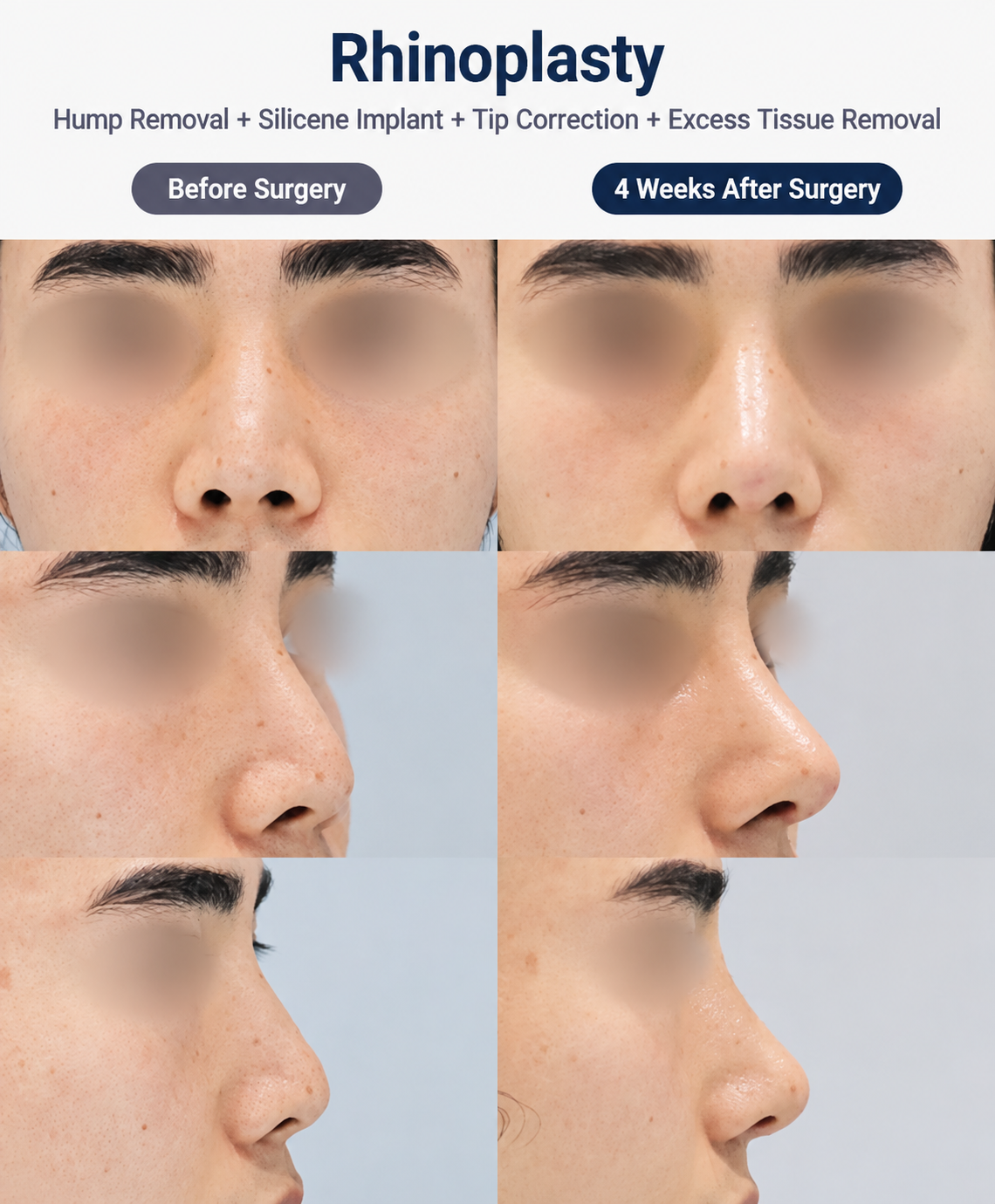
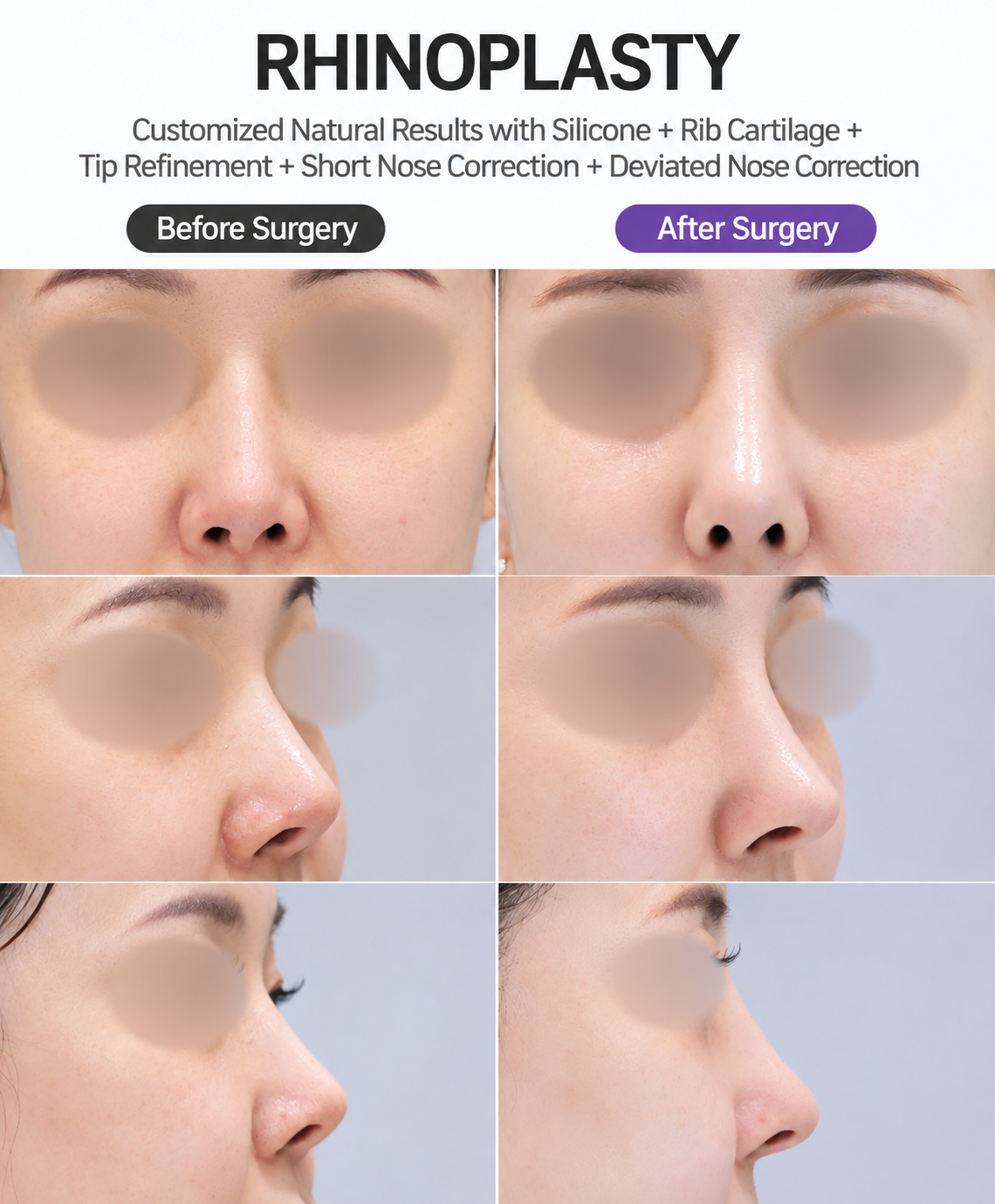
Based on your anatomy and goals, your surgeon may recommend different techniques.
Possible options include:
- Primary rhinoplasty
- Revision rhinoplasty
- Tip refinement
- Bridge augmentation
- Cartilage grafting
- Rib cartilage reconstruction
- Functional rhinoplasty
The final recommendation is individualized for each patient.
Treatment Planning
The consultation is also used to develop a personalized surgical strategy.
Planning may involve:
- Facial harmony analysis
- Structural considerations
- Cartilage requirements
- Implant options if appropriate
- Functional improvements
- Expected limitations
- Long-term goals
Patients are encouraged to discuss any concerns openly during this stage.
Recovery and Aftercare Discussion
Your surgeon will typically explain what to expect after surgery and how to prepare for recovery.
Topics often include:
- Recovery timeline
- Swelling and bruising
- Follow-up appointments
- Activity restrictions
- Medication instructions
- Travel planning
- Long-term healing
Understanding the recovery process helps patients prepare both physically and mentally.
Cost and Scheduling
The consultation may also include practical information about the procedure.
Subjects commonly discussed include:
- Estimated surgical cost
- Included services
- Anesthesia fees
- Follow-up care
- Surgery scheduling
- Payment process
- Recovery stay recommendations
Patients should request a detailed breakdown of costs before making a final decision.
Questions You Should Ask
Preparing questions in advance can help you make the most of your consultation.
Consider asking about:
- Recommended surgical technique
- Surgeon's experience
- Expected results
- Potential risks
- Recovery timeline
- Cartilage or implant options
- Long-term follow-up care
Open communication can help establish realistic expectations and build confidence in the treatment plan.
Final Thoughts
A rhinoplasty consultation is much more than a simple evaluation—it is an opportunity to understand your options, discuss your goals, and develop a personalized surgical plan. Taking the time to ask questions and communicate openly with your surgeon can help you make informed decisions and prepare for a successful surgical experience.