Signs of Normal Healing After Rhinoplasty
Signs of Normal Healing After Rhinoplasty
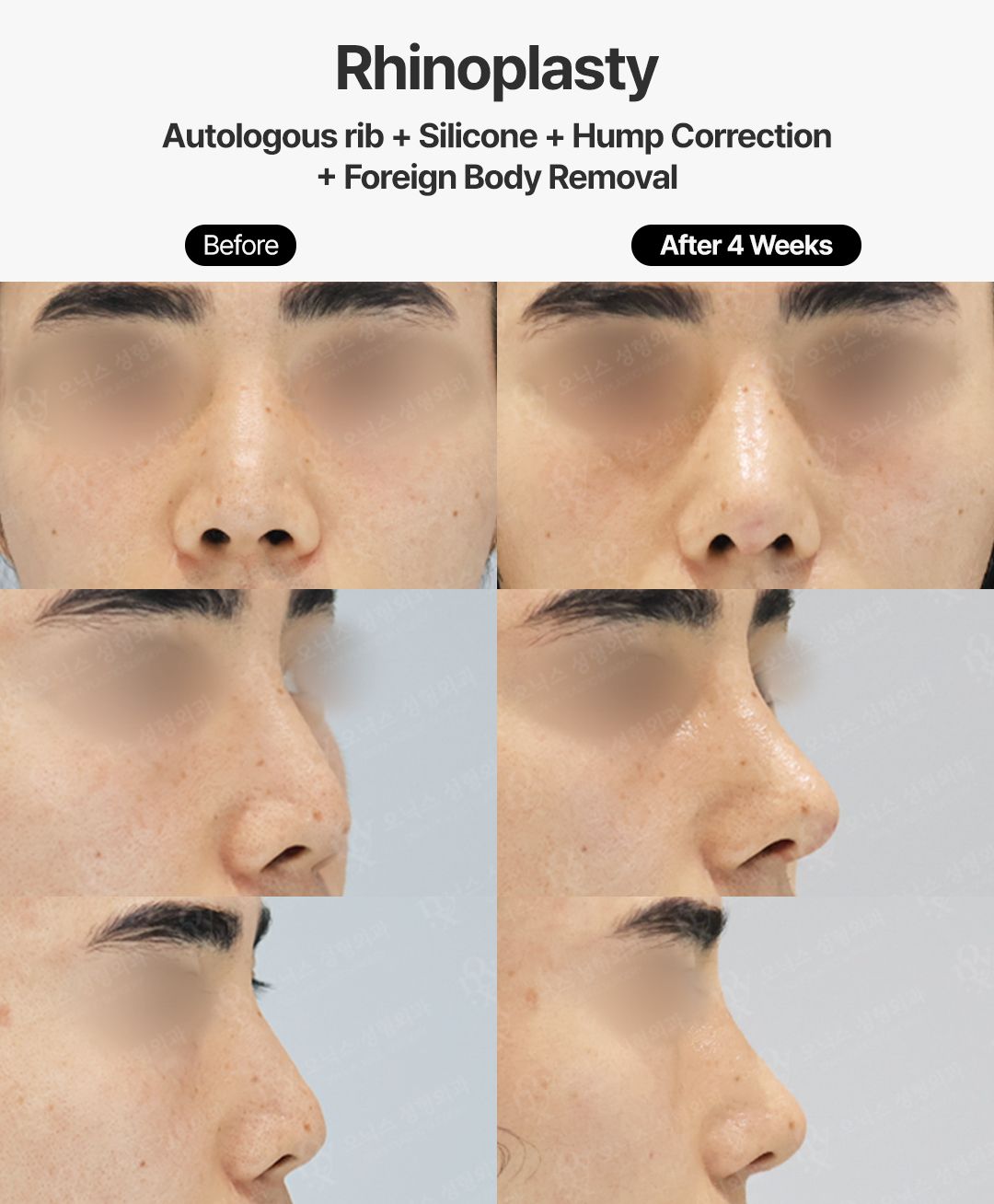
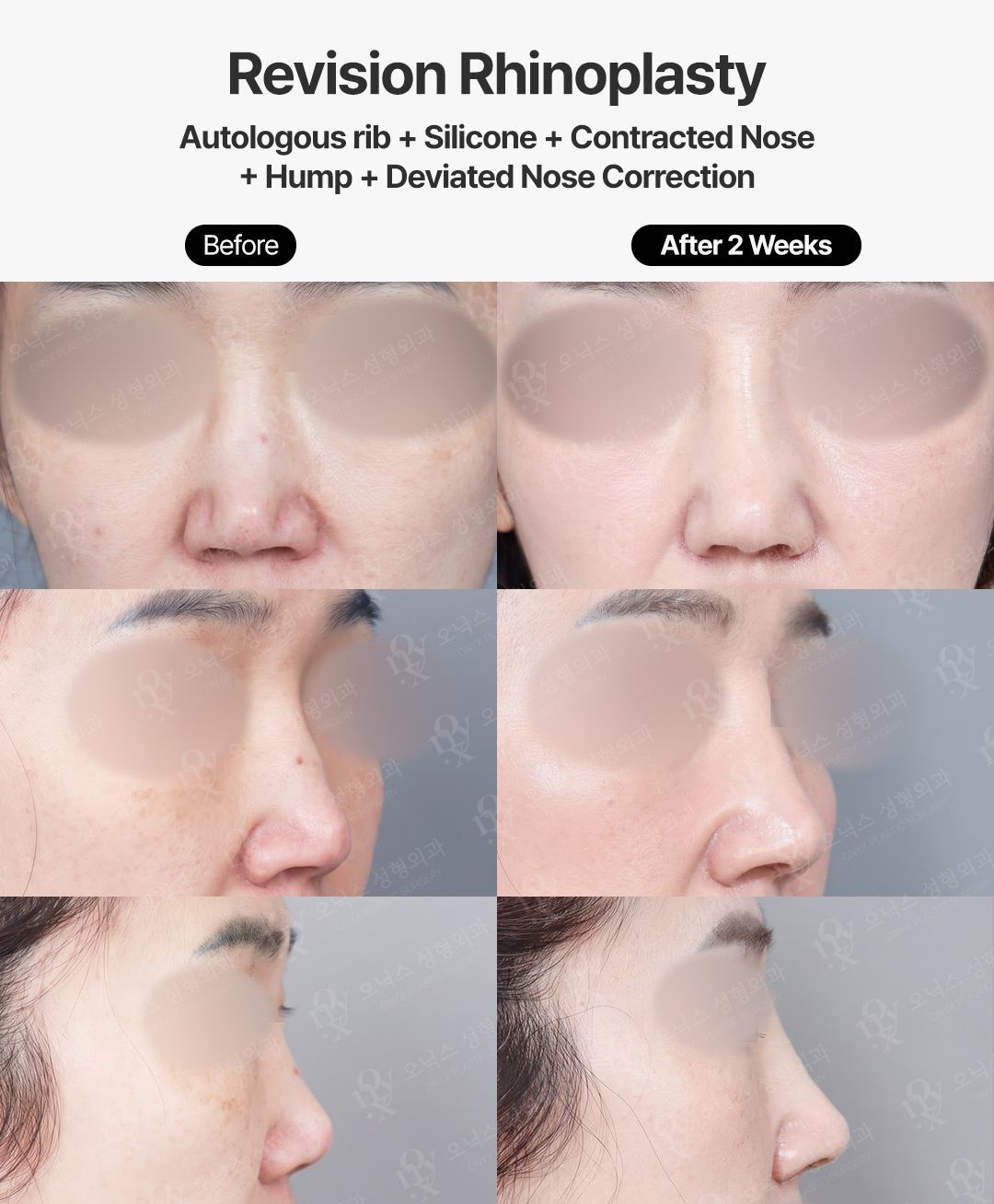
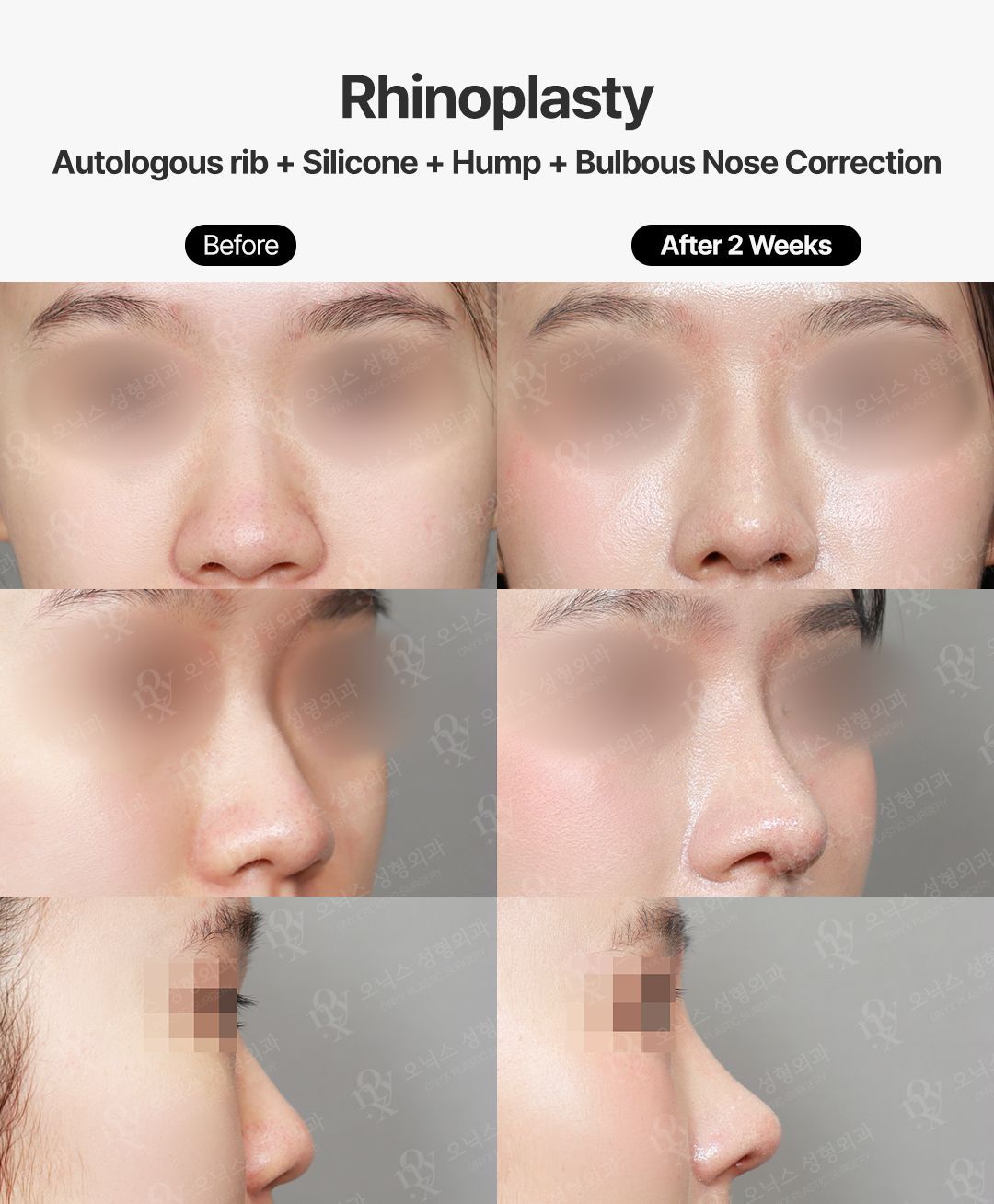
Healing after rhinoplasty is a gradual process, and many changes that seem unusual at first are actually part of normal recovery. Swelling, temporary asymmetry, and nasal congestion are common during the early stages of healing. Understanding what is typically expected can help reduce unnecessary worry, although any concerning symptoms should always be discussed with your surgeon.
Swelling That Gradually Improves
Swelling is one of the most common signs of normal healing.
You may notice:
- Puffy nasal tip
- Mild facial swelling
- Morning swelling that improves throughout the day
- Gradual reduction over several weeks
- Uneven swelling from side to side
- Slow improvement in definition
- Continued subtle changes for months
The final shape of the nose may not be visible for a year or longer.
Bruising That Fades Over Time
Bruising around the eyes and nose is common after surgery.
Normal healing may include:
- Purple or blue discoloration
- Yellow or green fading as bruises heal
- Gradual improvement over one to two weeks
- Mild tenderness
- Reduced discoloration each day
- Temporary facial puffiness
- Minimal discomfort as healing progresses
The severity varies from person to person.
Temporary Nasal Congestion
Many patients experience a blocked or stuffy feeling during recovery.
Common experiences include:
- Difficulty breathing through the nose
- Internal swelling
- Mild pressure sensation
- Temporary congestion
- Gradual improvement
- Increased comfort over time
- Better airflow as healing progresses
Congestion often improves as internal tissues recover.
Minor Asymmetry During Recovery
The nose may not appear perfectly symmetrical during the healing process.
Temporary changes can include:
- Uneven swelling
- One side healing faster than the other
- Slight differences in contour
- Variable tip swelling
- Changing appearance from week to week
- Mild irregularities during recovery
- Progressive improvement over time
Temporary asymmetry does not necessarily indicate a problem.
Gradual Improvement in Appearance
Healing usually occurs in small stages rather than dramatic changes.
Patients often notice:
- Better tip definition
- More balanced contours
- Reduced swelling
- Softer tissue appearance
- Improved facial harmony
- Better profile shape
- Increasingly natural-looking results
Patience is an important part of the recovery process.
Mild Tenderness and Tightness
Some discomfort is expected while tissues heal.
Normal sensations may include:
- Mild soreness
- Tightness around the nose
- Temporary numbness
- Sensitivity when touched
- Occasional tingling
- Minor stiffness
- Gradual improvement over time
These symptoms often lessen as healing progresses.
Slow Scar Maturation
If an open rhinoplasty approach was used, the small external incision also requires time to heal.
Normal healing may involve:
- Temporary redness
- Mild firmness
- Gradual fading
- Softening over time
- Less noticeable appearance
- Continued improvement for months
- Progressive scar maturation
Scar healing varies among individuals.
When to Contact Your Surgeon
Although many symptoms are normal, certain signs require prompt medical evaluation.
Seek professional advice if you experience:
- Severe or worsening pain
- Heavy bleeding
- High fever
- Foul-smelling drainage
- Rapidly increasing swelling
- Significant breathing difficulty
- Any sudden or concerning changes
Your surgeon is the best source of guidance if you are unsure about your recovery.
Final Thoughts
Normal healing after rhinoplasty involves gradual improvement rather than immediate perfection. Swelling, bruising, temporary congestion, and subtle asymmetry are often expected parts of the recovery process. By following postoperative instructions, attending follow-up appointments, and maintaining realistic expectations, patients can better understand the healing journey and recognize the steady progress that occurs over time.