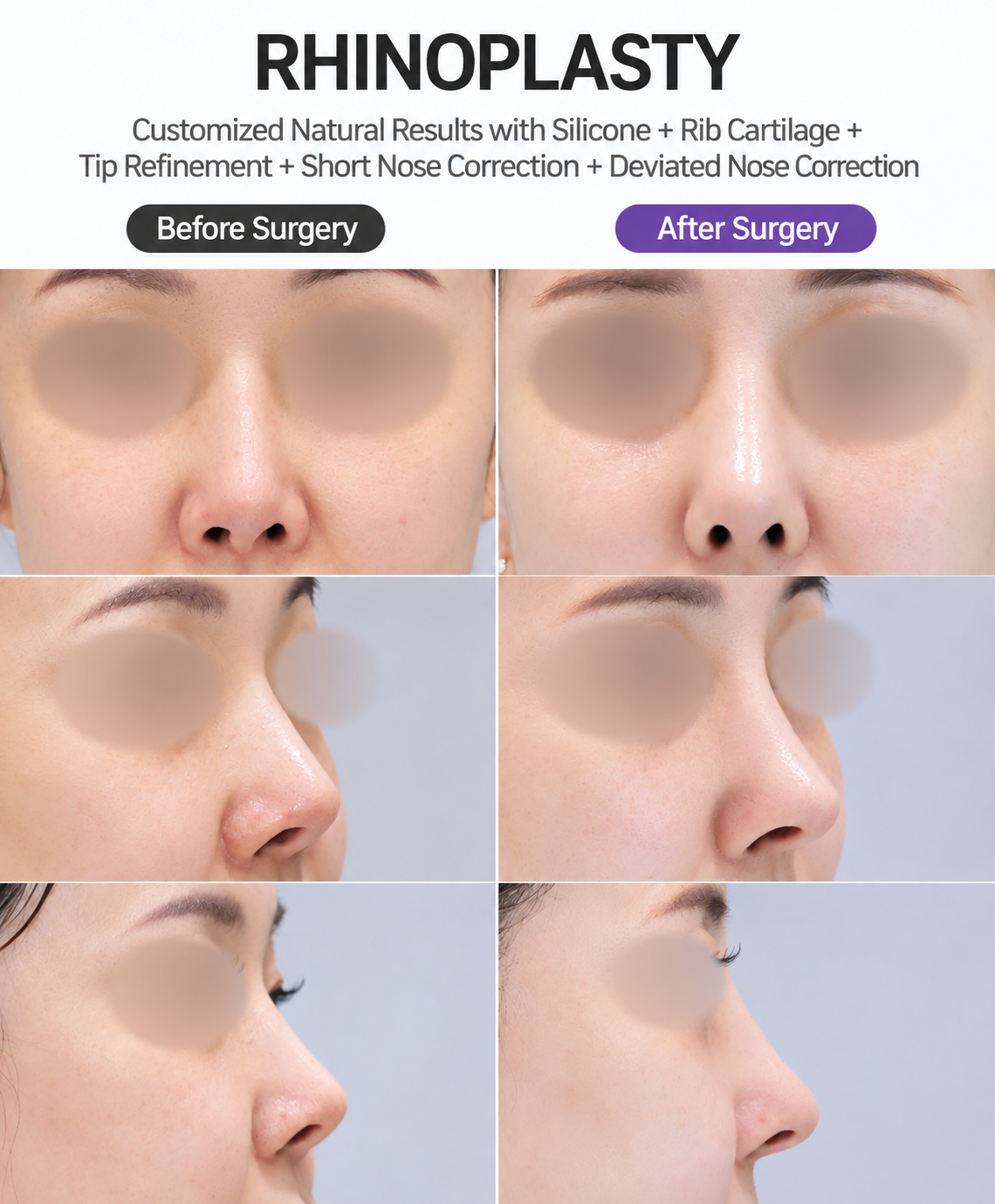
Short Nose Correction Surgery
Short Nose Correction Surgery
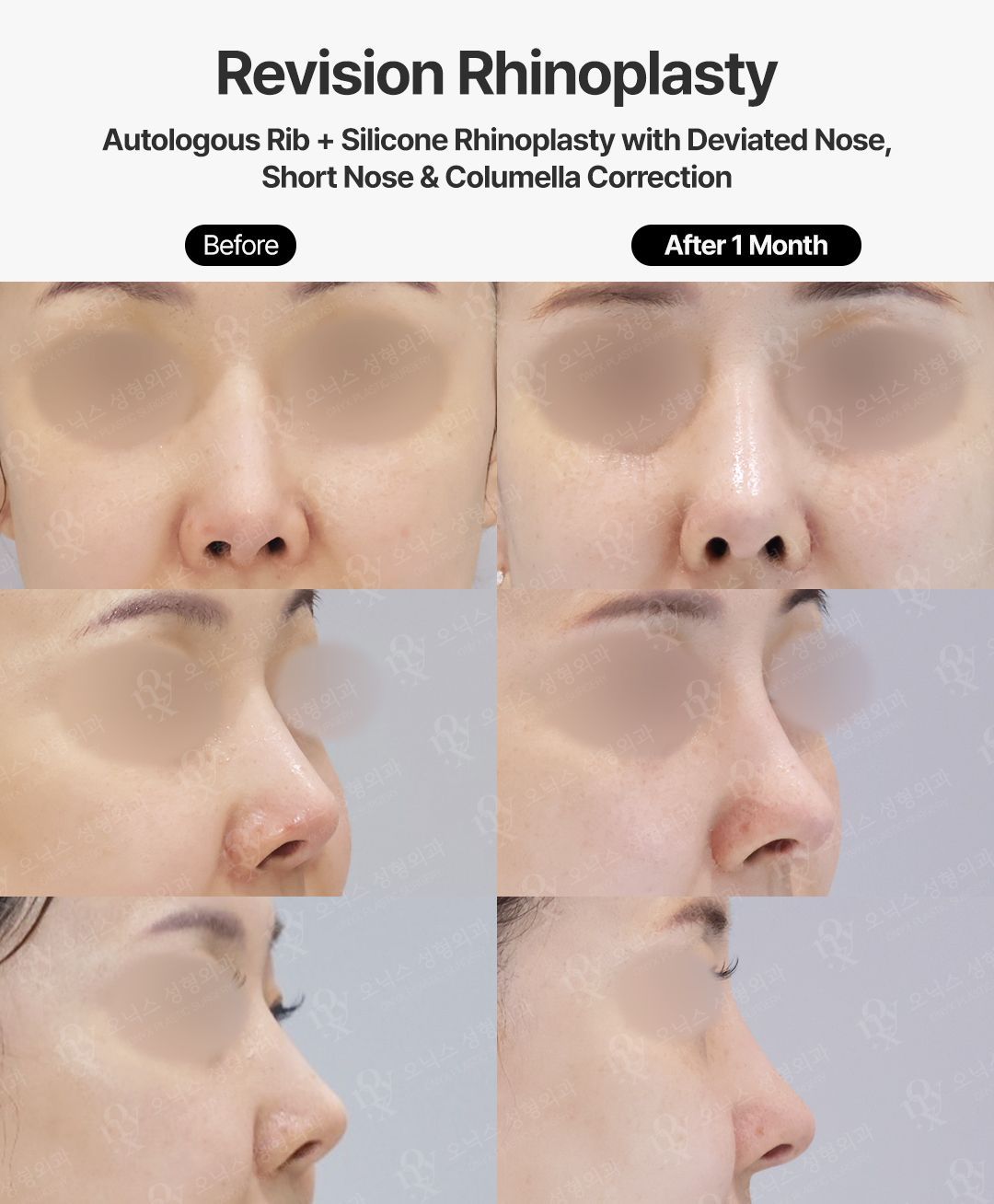
Short nose correction surgery is a specialized form of rhinoplasty designed to increase the length of the nose or improve its overall proportions. In many cases, the procedure also addresses issues such as an overly upturned tip or inadequate structural support. Because every patient's anatomy is different, the surgical plan is carefully customized to achieve balanced, natural-looking, and stable results.
What Is a Short Nose?
A short nose is one that appears proportionally shorter than the rest of the facial features.
Common characteristics may include:
- Short nasal length
- Upturned nasal tip
- Increased nostril visibility
- Limited projection
- Reduced bridge definition
- Tight skin envelope
- Imbalanced facial proportions
The appearance and underlying causes vary from patient to patient.
Common Goals of Short Nose Correction
The procedure aims to improve both appearance and structural support.
Typical objectives include:
- Lengthening the nose
- Improving facial harmony
- Refining tip position
- Reducing excessive nostril show
- Enhancing projection
- Strengthening nasal support
- Creating natural-looking proportions
Treatment goals are personalized for each individual.
Common Surgical Techniques
The surgical approach depends on the cause and severity of the condition.
Possible techniques include:
- Structural rhinoplasty
- Cartilage grafting
- Tip repositioning
- Tip extension grafts
- Bridge augmentation
- Open rhinoplasty
- Closed rhinoplasty
Multiple techniques are often combined to achieve stable long-term results.
Cartilage Grafting Options
Cartilage grafts are commonly used to provide additional support and length.
Potential sources include:
- Septal cartilage
- Ear cartilage
- Rib cartilage
These grafts may help with:
- Nasal lengthening
- Tip support
- Structural reinforcement
- Shape refinement
- Revision surgery
- Long-term stability
The choice depends on the patient's anatomy and surgical requirements.
Can It Be Combined With Other Procedures?
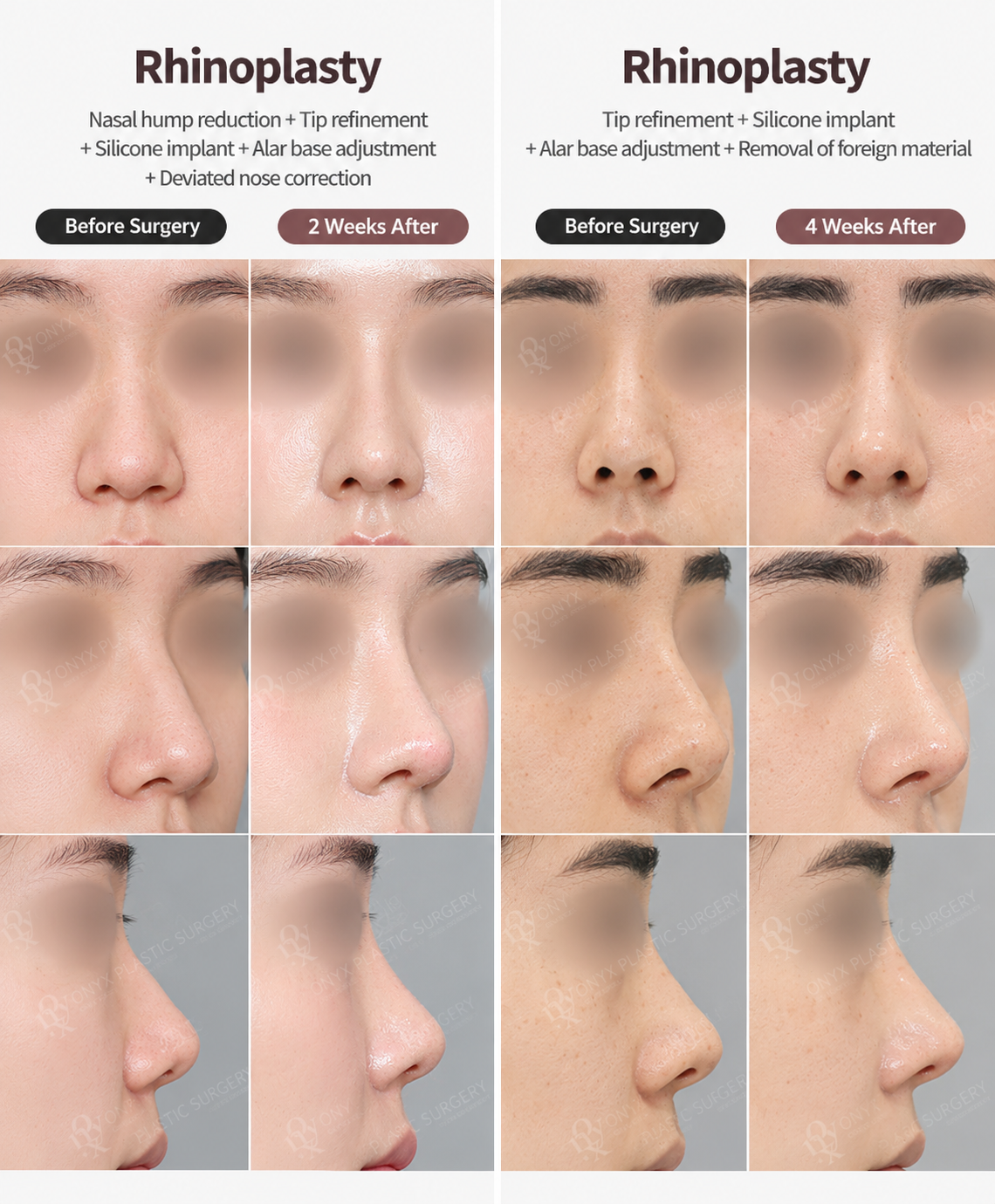
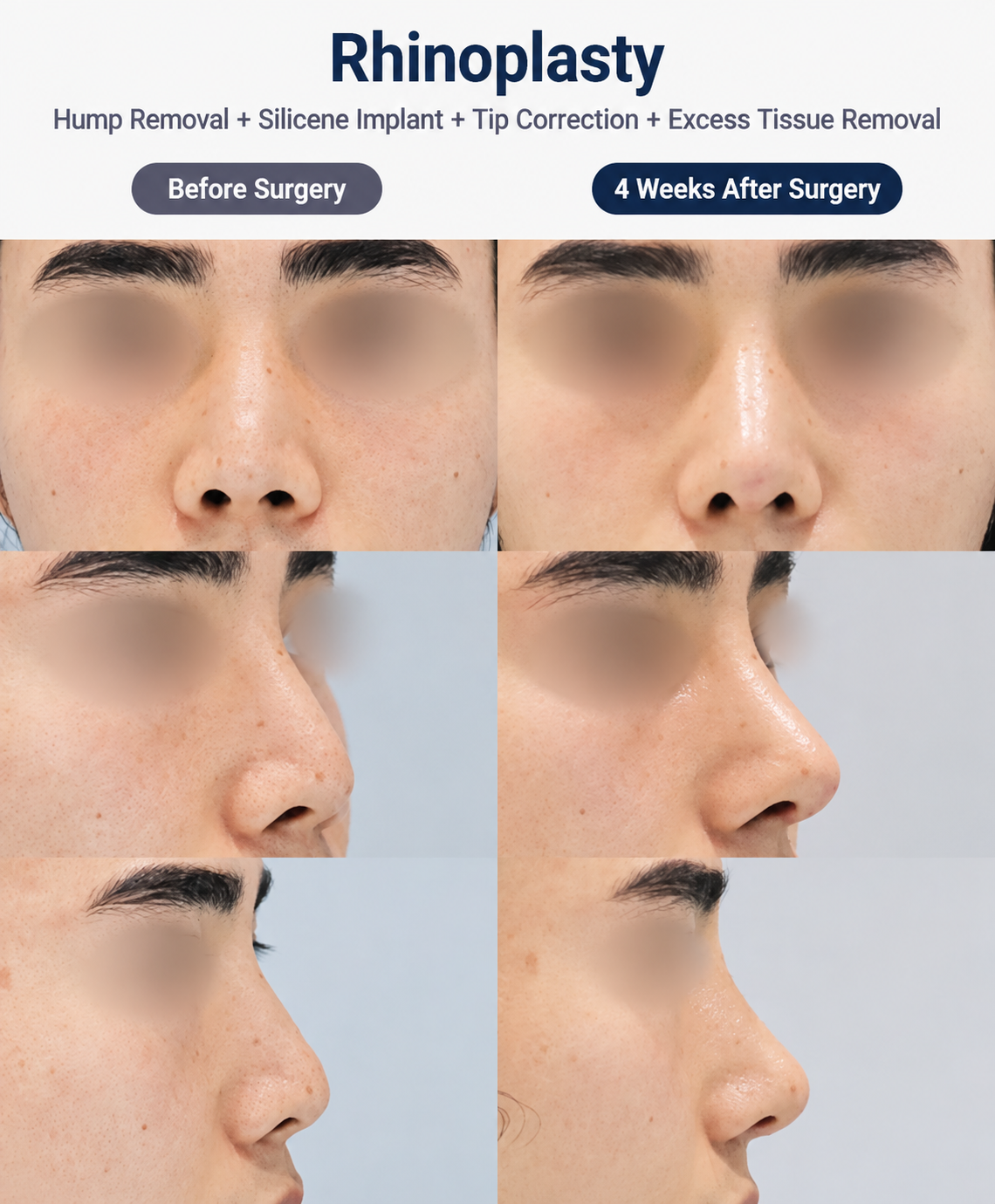
Short nose correction may be performed together with other rhinoplasty procedures.
Common combinations include:
- Tip refinement
- Bridge augmentation
- Hump reduction
- Alar reduction
- Functional rhinoplasty
- Septoplasty
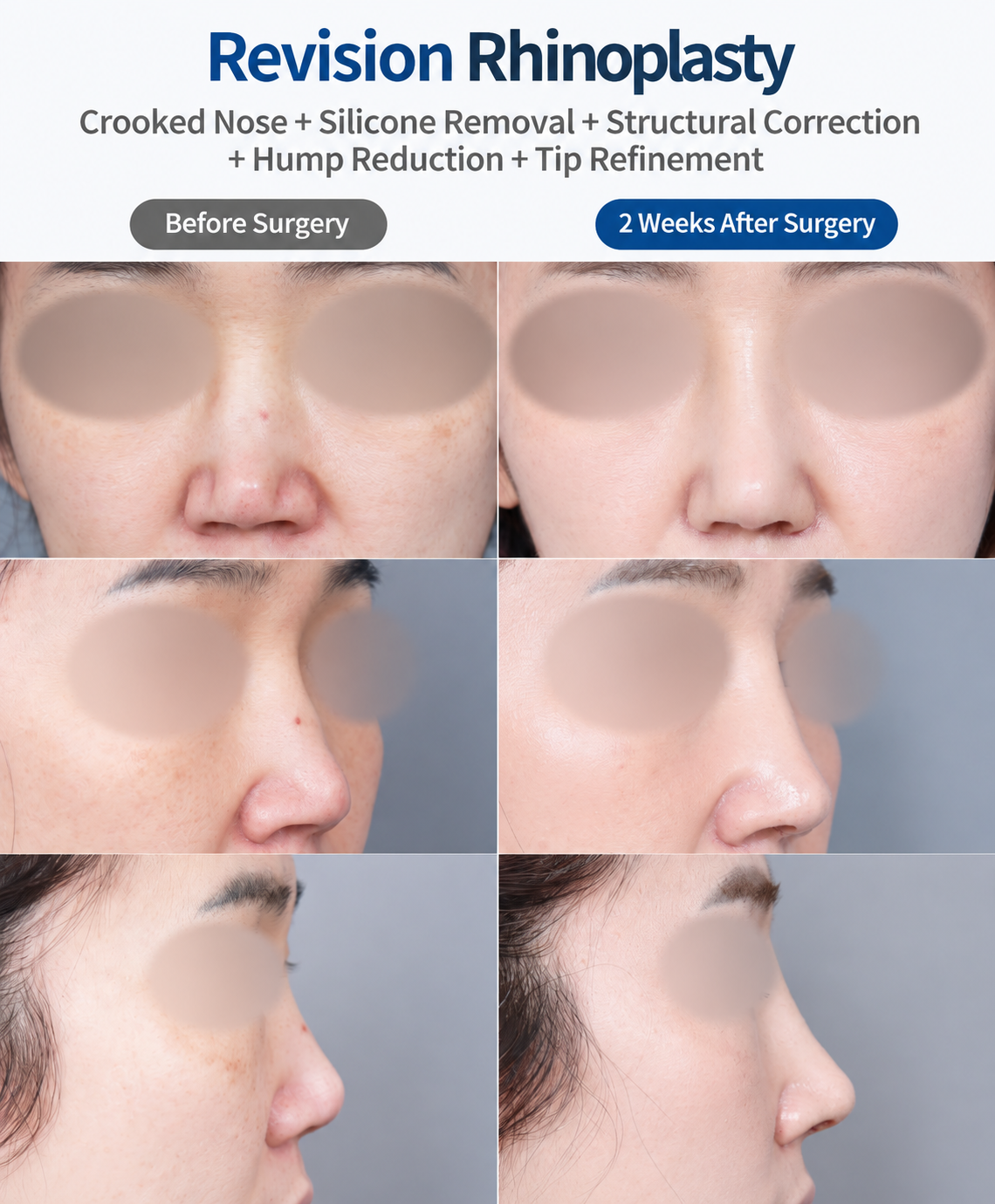
- Revision rhinoplasty
The overall treatment plan is designed to create balanced facial proportions.
Recovery Expectations
Recovery is gradual and continues for many months.
Patients commonly experience:
- Swelling
- Mild bruising
- Temporary congestion
- Splint placement
- Progressive reduction in swelling
- Ongoing contour refinement
- Long-term tissue healing
The final appearance develops slowly as healing progresses.
Factors That Affect the Outcome
Several factors influence surgical planning and recovery.
These include:
- Skin thickness
- Cartilage quality
- Existing nasal structure
- Facial proportions
- Healing response
- Previous nasal surgery
- Postoperative care
An individualized assessment is essential for optimal results.
Questions to Ask During Your Consultation
Before deciding on surgery, consider discussing:
- Recommended surgical approach
- Cartilage graft options
- Expected changes in nasal length
- Recovery timeline
- Potential risks
- Long-term stability
- Follow-up care
Open communication helps establish realistic expectations and a personalized treatment plan.
Final Thoughts
Short nose correction surgery is a highly customized procedure that focuses on improving nasal length, structural support, and overall facial harmony. Through careful planning and appropriate surgical techniques, patients can achieve balanced, natural-looking, and long-lasting results that complement their unique facial features while maintaining functional stability.