Scar Management After Open Rhinoplasty
Scar Management After Open Rhinoplasty
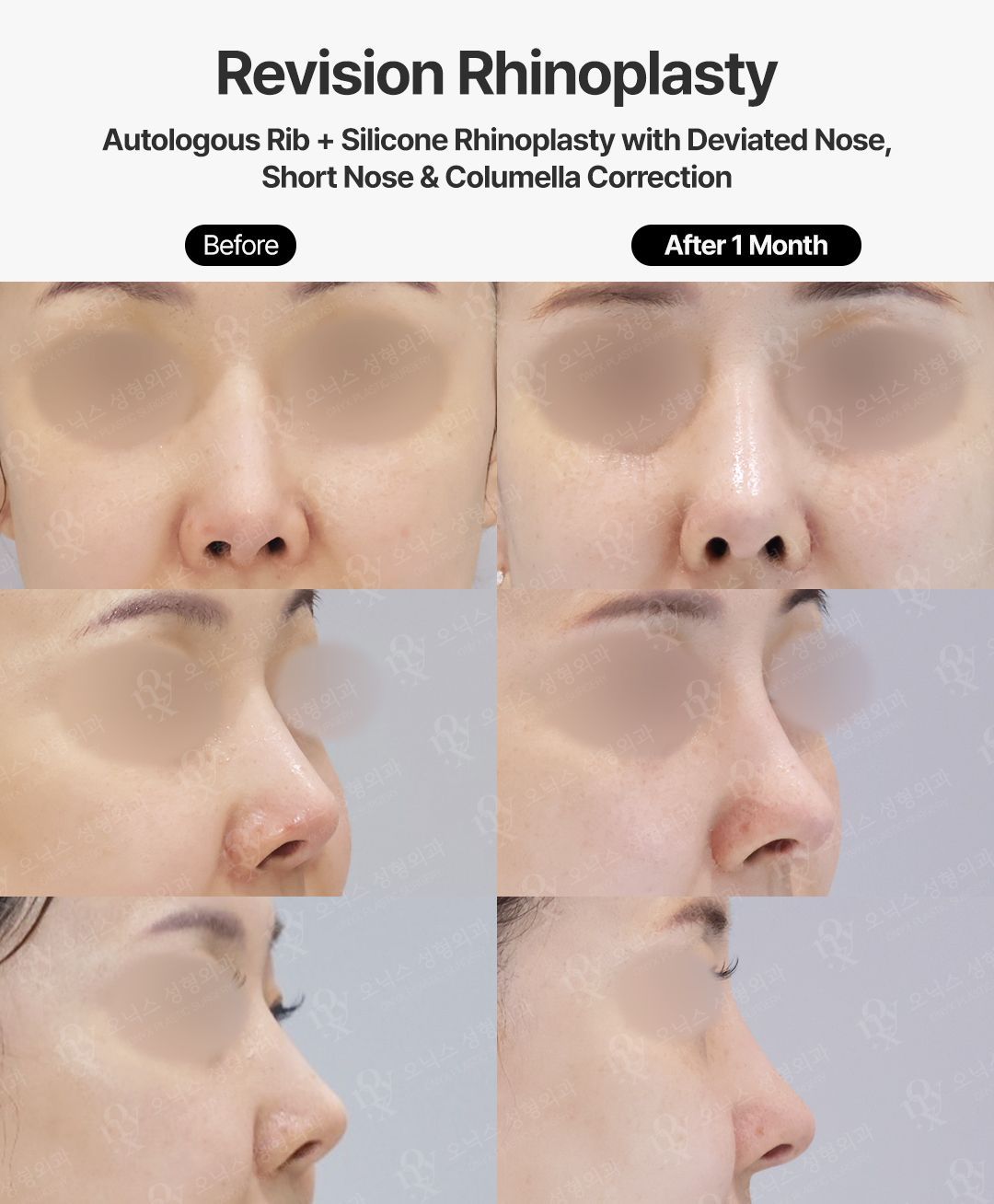
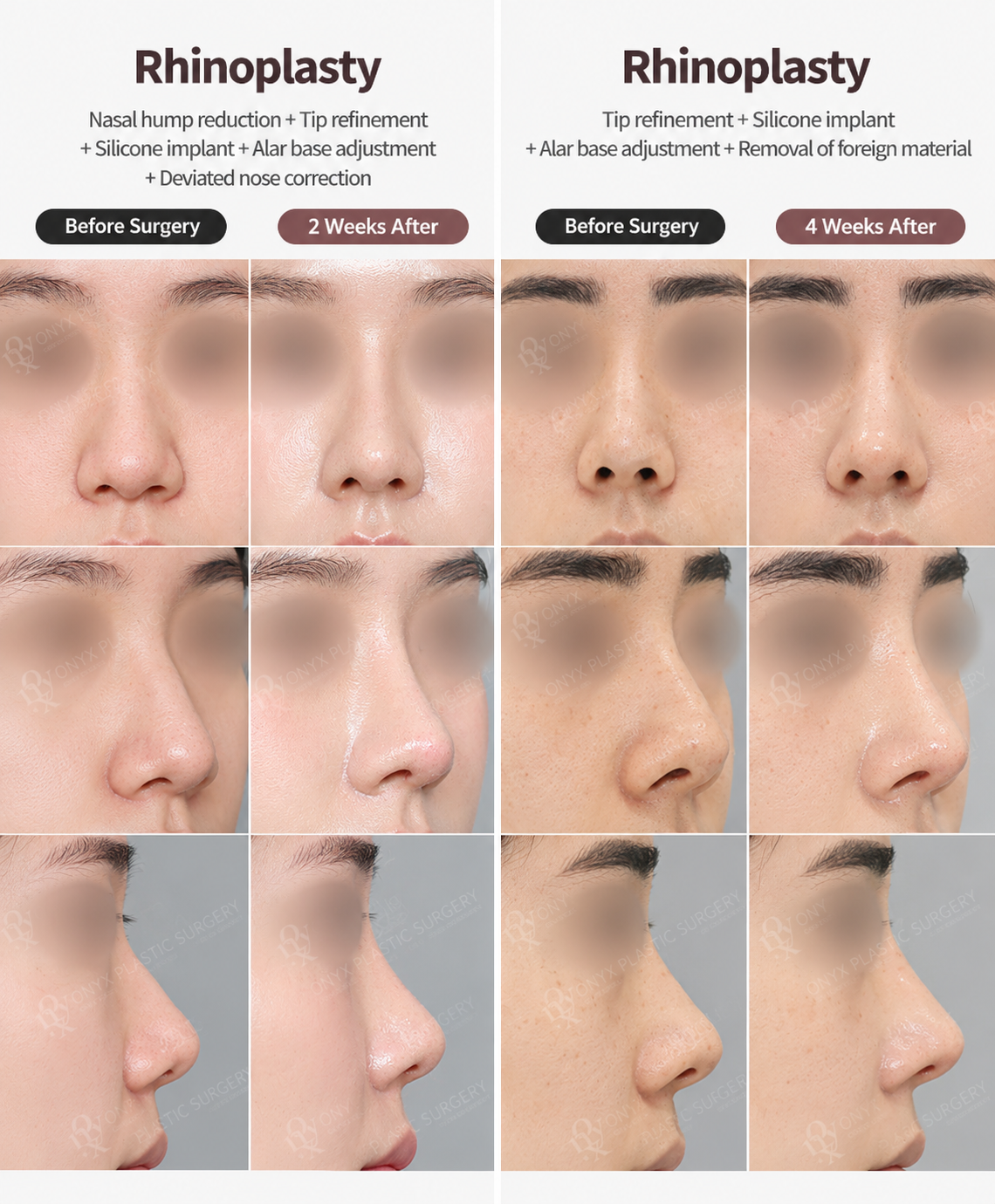
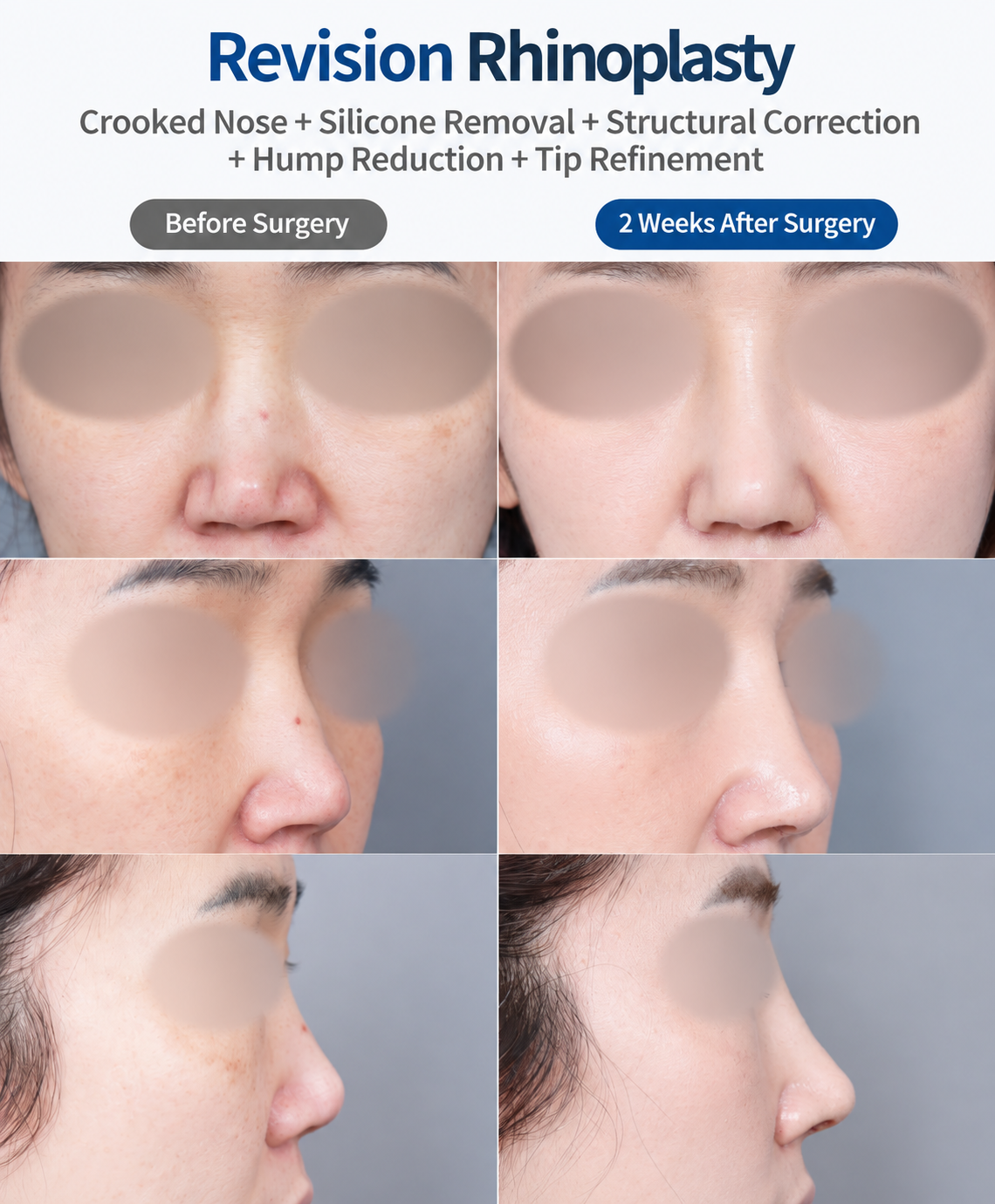
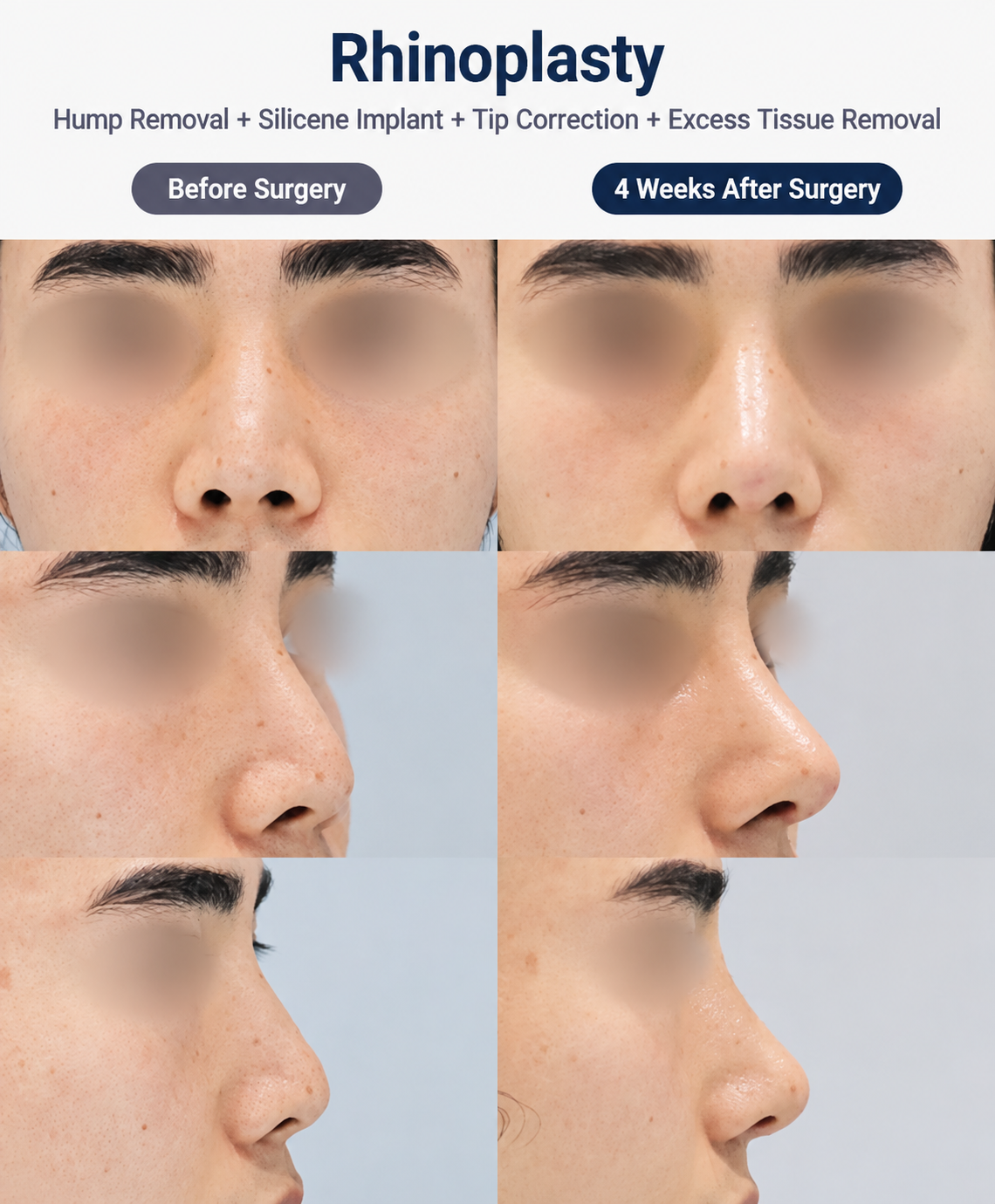
Open rhinoplasty involves a small incision across the columella, the strip of tissue between the nostrils. In most cases, the resulting scar becomes less noticeable over time and is difficult to see once healing is complete. Proper scar care, patience, and following your surgeon's instructions can all contribute to the best possible healing outcome.
Understanding the Healing Process
Scar healing occurs gradually and continues for many months after surgery.
Normal stages may include:
- Mild redness
- Temporary swelling
- Slight firmness
- Early scar formation
- Progressive softening
- Gradual fading
- Ongoing tissue remodeling
Every patient heals at a different pace.
Keep the Incision Clean
Proper hygiene is an important part of postoperative care.
Your surgeon may recommend:
- Gentle cleaning techniques
- Following wound care instructions
- Keeping the area dry when appropriate
- Using prescribed products only
- Avoiding unnecessary touching
- Washing hands before care
- Attending scheduled follow-up visits
Do not apply products unless they have been approved by your medical team.
Avoid Picking or Scratching
The healing incision should be left undisturbed.
Avoid:
- Picking at scabs
- Scratching the area
- Rubbing the incision
- Pulling loose skin
- Excessive touching
- Applying unnecessary pressure
- Attempting to remove healing tissue
Allow the body to heal naturally.
Protect the Scar From Sun Exposure
Fresh scars can be more sensitive to sunlight.
Helpful precautions include:
- Wearing a hat outdoors
- Staying in the shade
- Following your surgeon's advice about sunscreen
- Limiting prolonged sun exposure
- Protecting healing skin
- Avoiding unnecessary UV exposure
- Using recommended protective measures
Sun protection may help minimize long-term discoloration.
Follow Your Surgeon's Scar Care Plan
Individual recommendations vary depending on your healing progress.
Your care plan may include:
- Scheduled follow-up appointments
- Scar evaluation
- Cleaning instructions
- Moisturizing guidance
- Timing for scar treatments
- Activity recommendations
- Long-term monitoring
Never begin scar treatments without professional approval.
Support Healing With Healthy Habits
General health can influence the healing process.
Helpful practices include:
- Eating a balanced diet
- Staying hydrated
- Getting enough sleep
- Avoiding smoking if advised
- Managing stress
- Following medication instructions
- Maintaining regular follow-up care
Consistent healthy habits can support overall recovery.
Be Patient With Scar Maturation
Scar appearance changes gradually over time.
Many patients experience:
- Reduced redness
- Softer tissue
- Better color blending
- Less noticeable texture
- Improved skin appearance
- Continued fading
- Ongoing refinement for months
Final scar maturation may take a year or longer.
When to Contact Your Surgeon
Although mild redness and firmness can be normal, certain symptoms should be evaluated promptly.
Seek medical advice if you notice:
- Increasing redness
- Worsening pain
- Persistent drainage
- Fever
- Unusual swelling
- Separation of the incision
- Any unexpected or concerning changes
Early evaluation can help address potential problems appropriately.
Final Thoughts
Scar management after open rhinoplasty is a long-term process that relies on proper wound care, sun protection, healthy recovery habits, and patience. In many cases, the small columellar incision heals very well and becomes increasingly difficult to notice over time. Following your surgeon's instructions and attending regular follow-up appointments can help support the best possible cosmetic result.