Rhinoplasty Recovery by Month
Rhinoplasty Recovery by Month
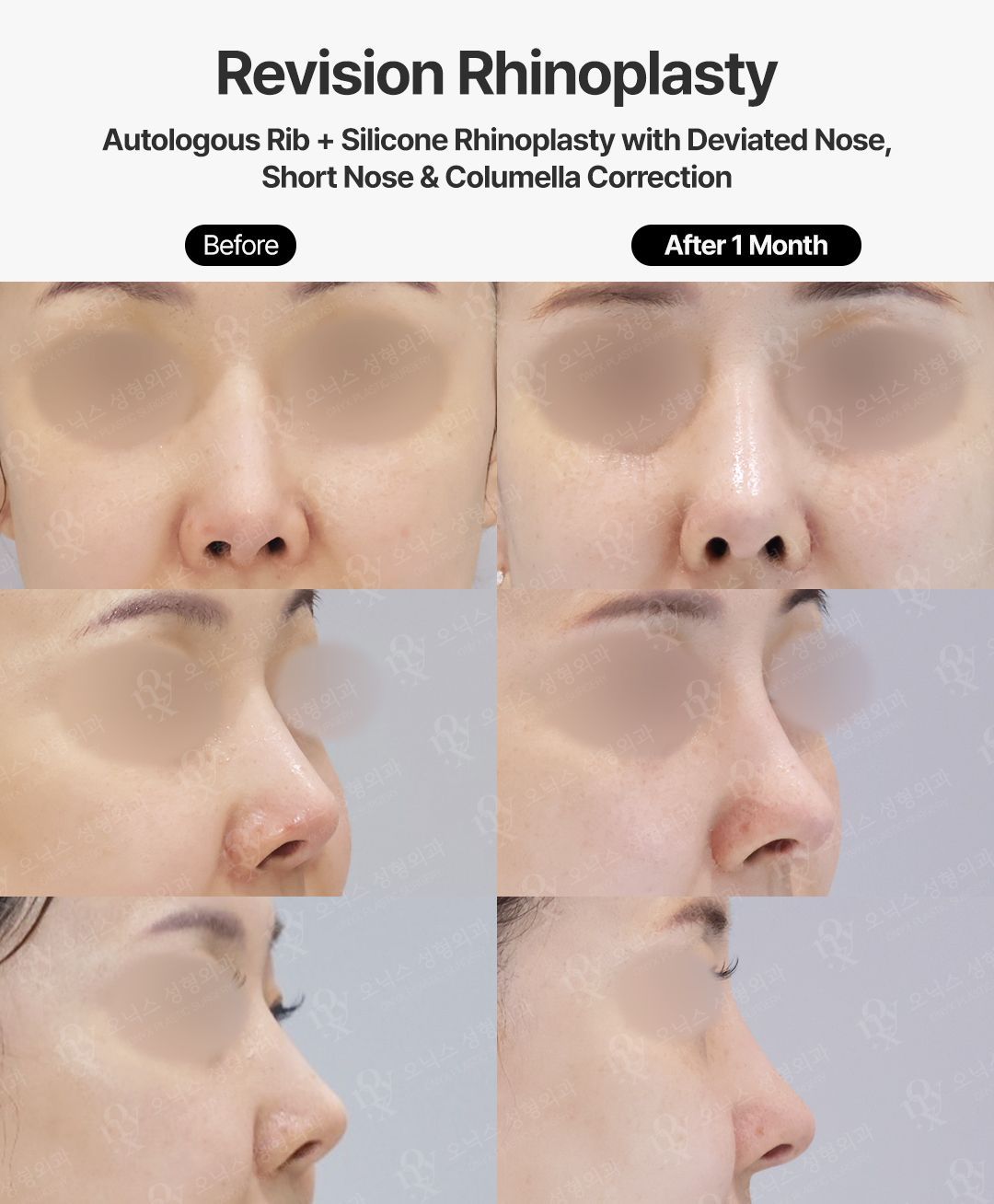
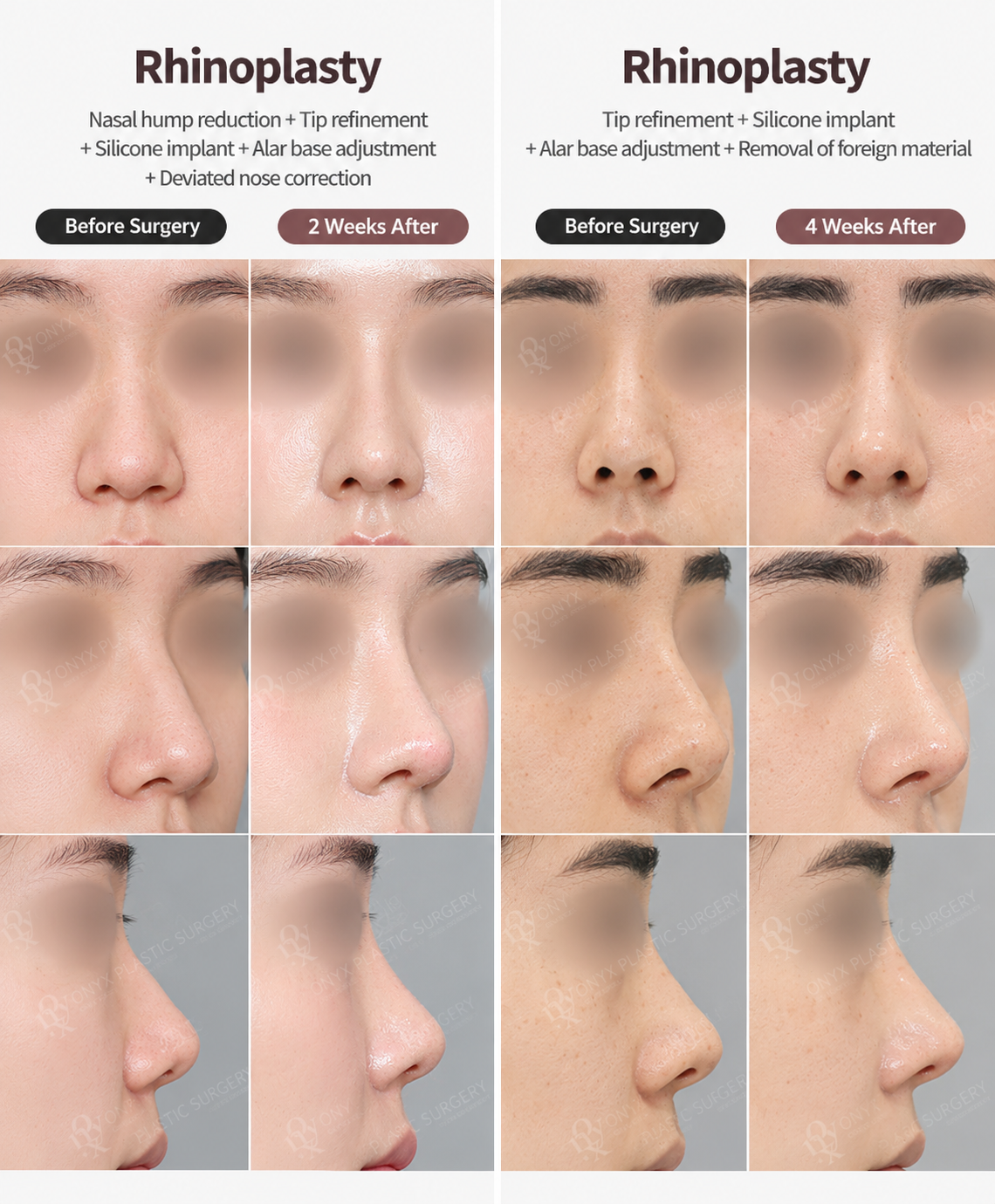
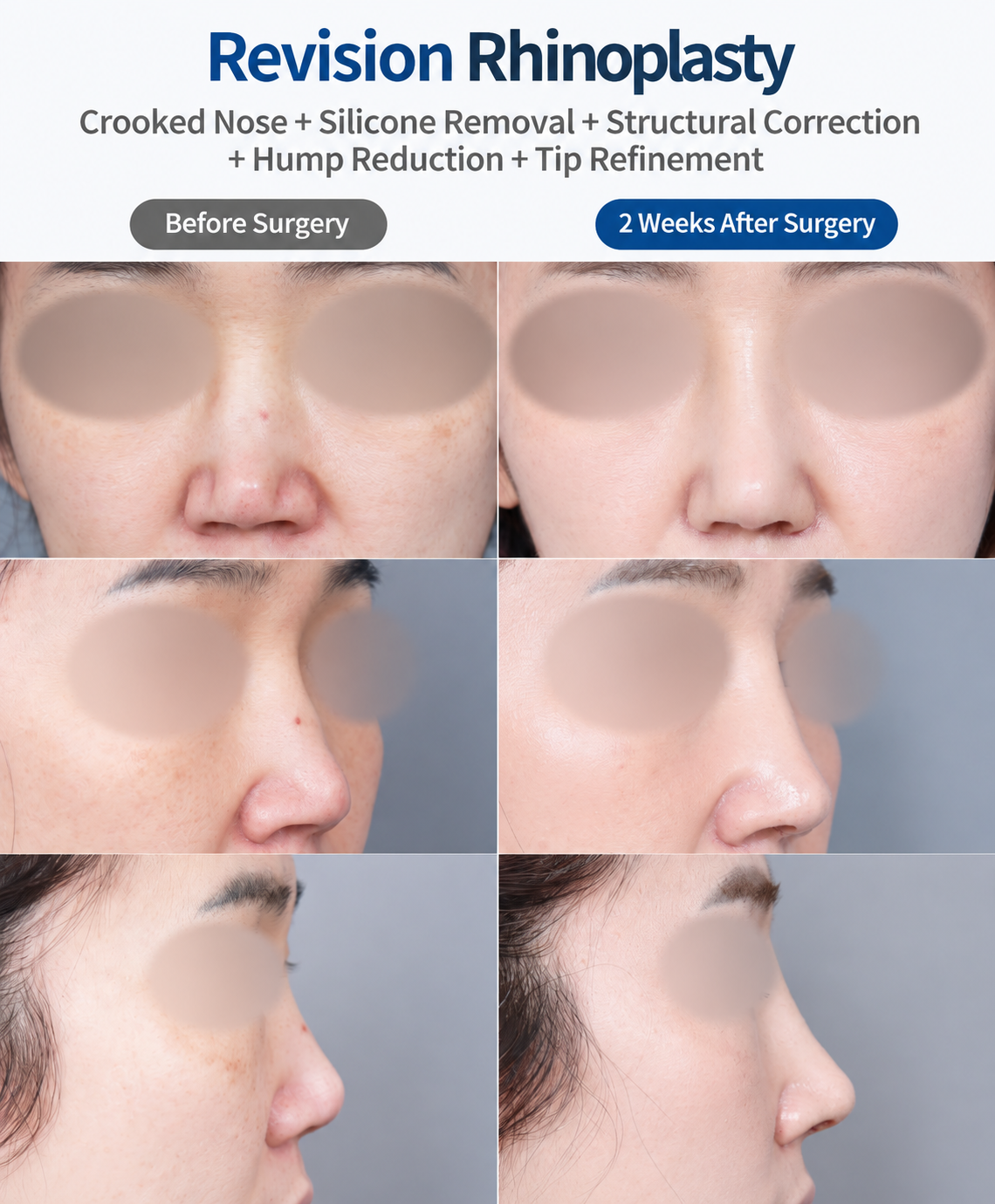
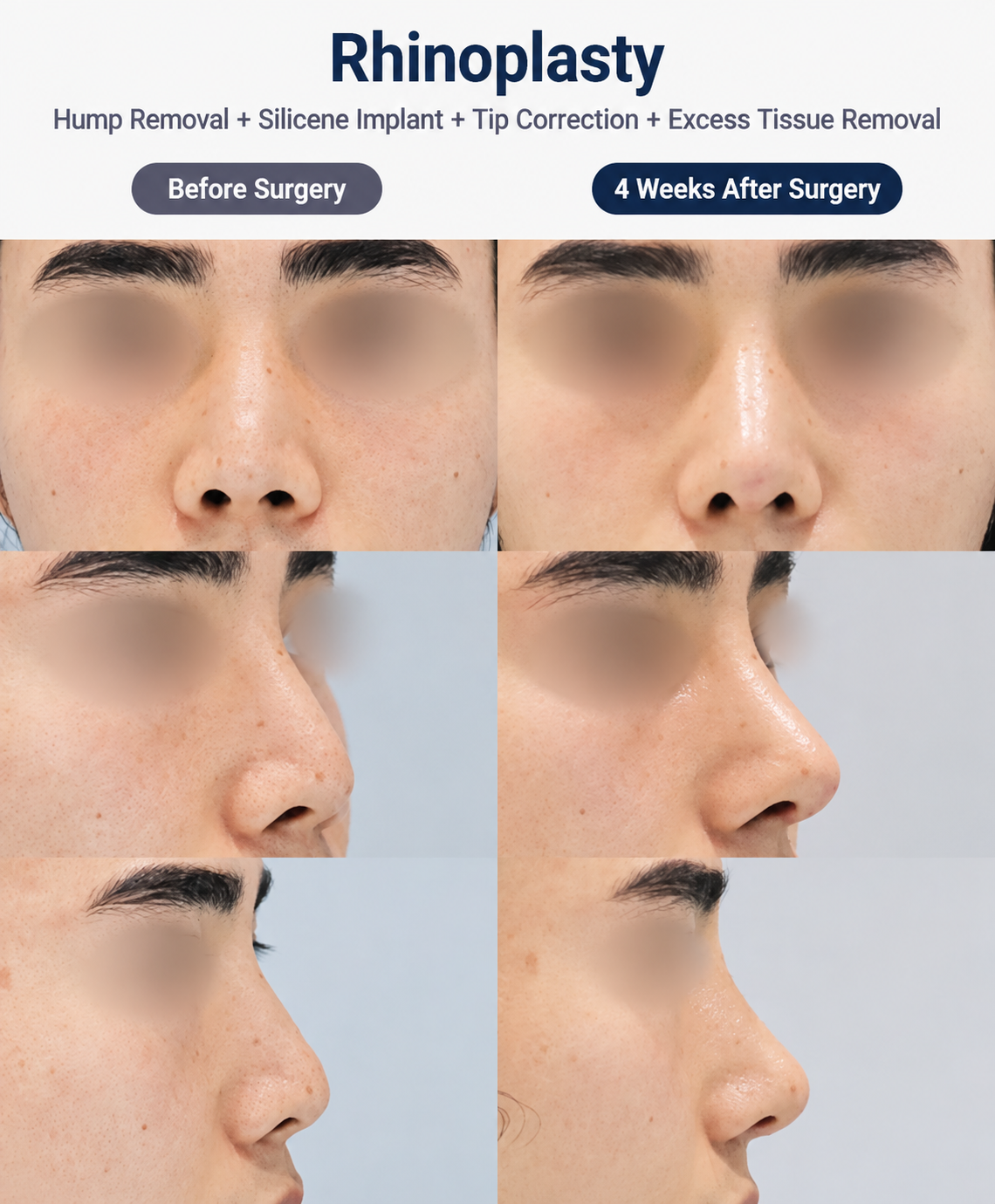
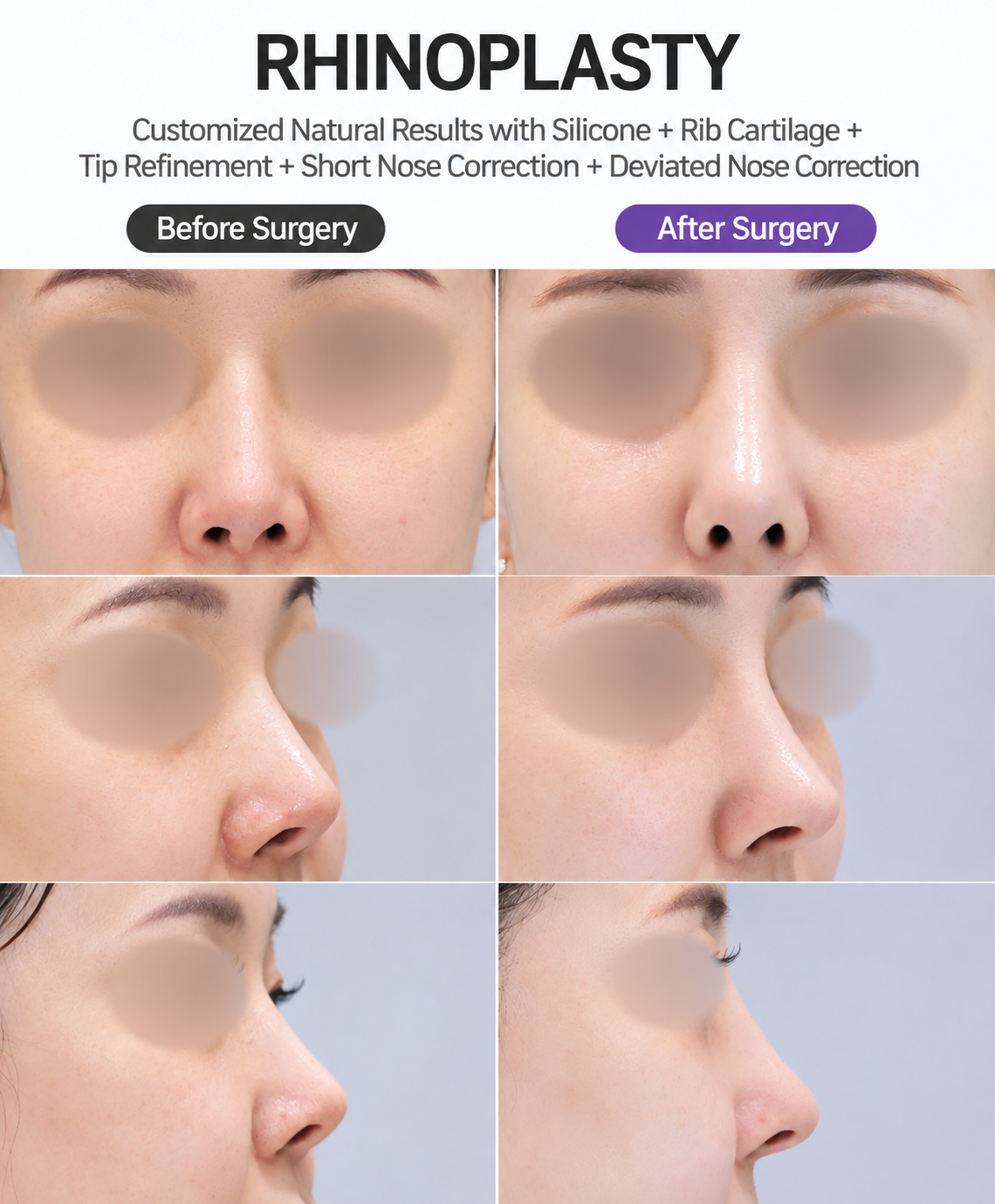
Rhinoplasty recovery is a gradual process that continues long after the initial swelling and bruising have improved. While many patients can return to their daily routines within a few weeks, the nose continues to heal and refine for months. Understanding the typical recovery timeline can help set realistic expectations and reduce unnecessary anxiety during the healing process.
First Month
The first month focuses on early healing and recovery.
Patients may experience:
- Swelling and bruising
- Nasal congestion
- Temporary discomfort
- Splint removal
- Gradual reduction in facial swelling
- Return to light daily activities
- Early improvement in appearance
Although visible changes occur quickly, significant healing is still taking place beneath the surface.
Second Month
By the second month, many patients begin to notice more natural-looking results.
Common changes include:
- Continued reduction in swelling
- Improved nasal definition
- Better breathing as healing progresses
- Less facial puffiness
- Increased comfort
- Gradual return to normal routines
- Ongoing tissue healing
The nasal tip may still appear swollen, especially in the morning.
Third Month
The nose often becomes more refined during the third month.
Patients may notice:
- Better contour definition
- Improved symmetry
- Continued tip refinement
- More stable appearance
- Reduced residual swelling
- Greater confidence in daily activities
- Ongoing healing beneath the skin
Subtle changes may still occur from week to week.
Months Four to Six
Healing continues, although the changes become more gradual.
Typical improvements include:
- Sharper nasal contours
- Better tip definition
- Further reduction in swelling
- Improved tissue settling
- More balanced facial harmony
- Increased stability
- Continued refinement
Many patients feel that the nose looks increasingly natural during this stage.
Months Seven to Nine
The recovery process continues even if major swelling has resolved.
Possible developments include:
- Subtle contour improvements
- Softer tissue adaptation
- Better skin redraping
- Ongoing refinement
- Stable nasal structure
- Reduced firmness
- More predictable appearance
Minor changes may be noticeable mainly to the patient rather than others.
Months Ten to Twelve
Approaching the one-year mark, many patients see results close to their long-term outcome.
Changes may include:
- Minimal remaining swelling
- Better tip definition
- Stable facial balance
- Improved overall contours
- Mature healing
- Natural appearance
- Increased confidence in results
Some patients may still experience slight refinement beyond this point.
Beyond One Year
Complete healing can take longer, particularly after complex procedures or revision surgery.
Long-term healing may involve:
- Continued soft tissue settling
- Subtle contour refinement
- Scar maturation
- Improved skin adaptation
- Stable structural support
- Ongoing tip definition
- Final cosmetic refinement
Patience remains important throughout the recovery process.
Factors That Influence Recovery
Every patient heals differently.
Recovery may be affected by:
- Skin thickness
- Surgical complexity
- Open or closed rhinoplasty
- Revision procedures
- Cartilage grafting
- Individual healing response
- Postoperative care
Your personal timeline may differ from general expectations.
Final Thoughts
Rhinoplasty recovery is a month-by-month process that requires patience and realistic expectations. While early improvements are often visible within weeks, subtle refinements can continue for a year or longer. Following your surgeon's instructions, attending follow-up appointments, and allowing your body adequate time to heal are all important steps toward achieving the best possible long-term result.