How Long Does Rhinoplasty Swelling Last?
How Long Does Rhinoplasty Swelling Last?
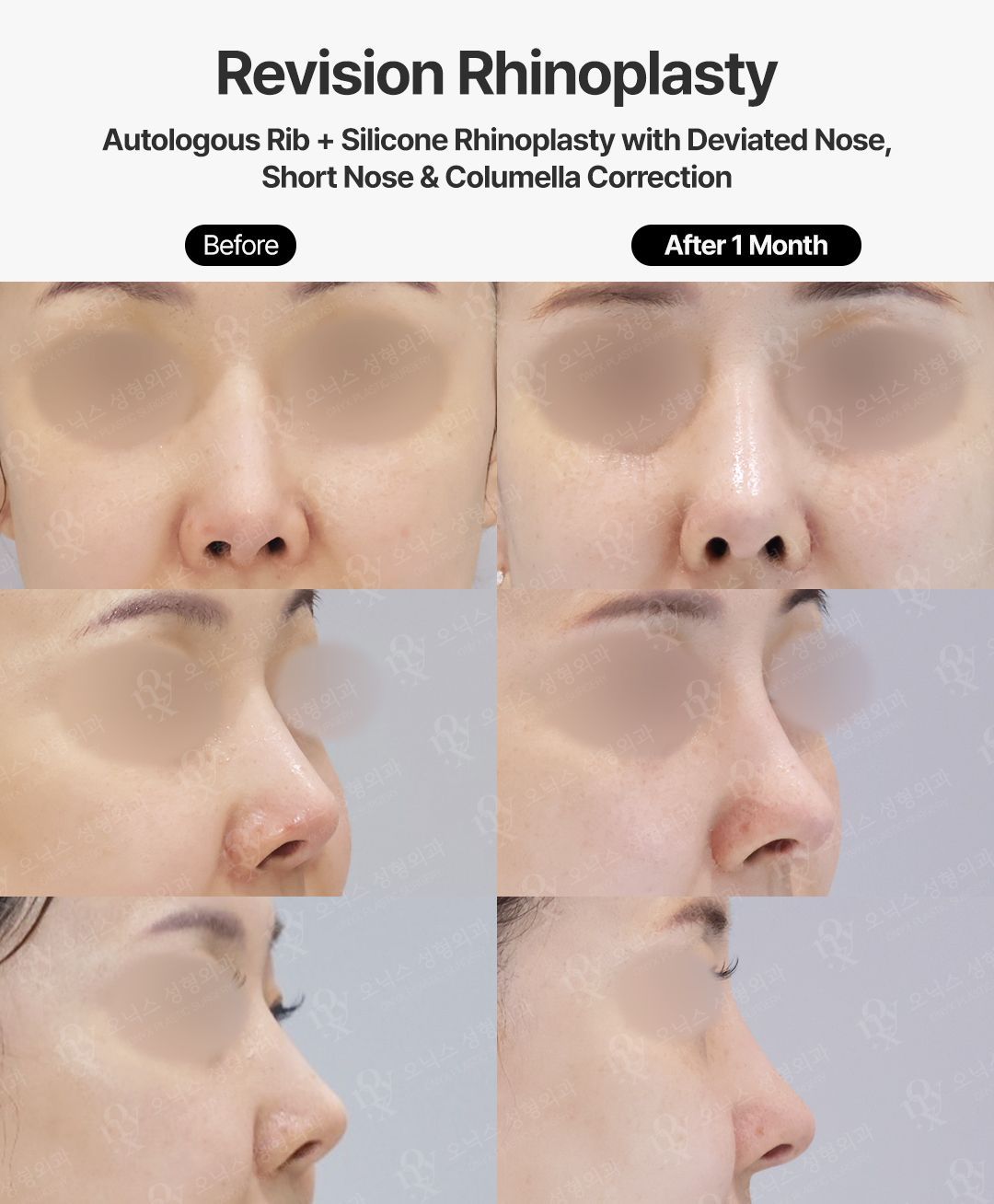
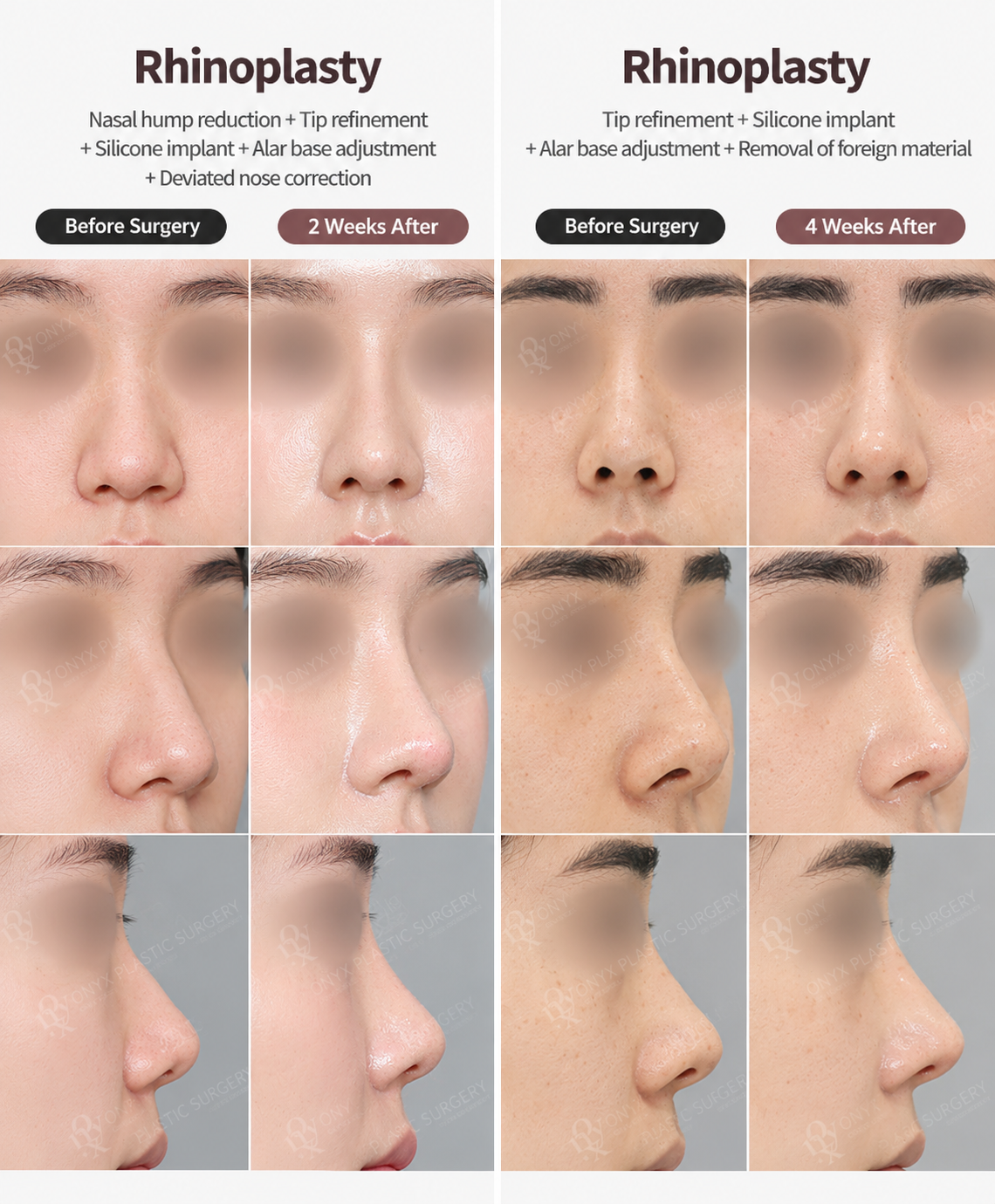
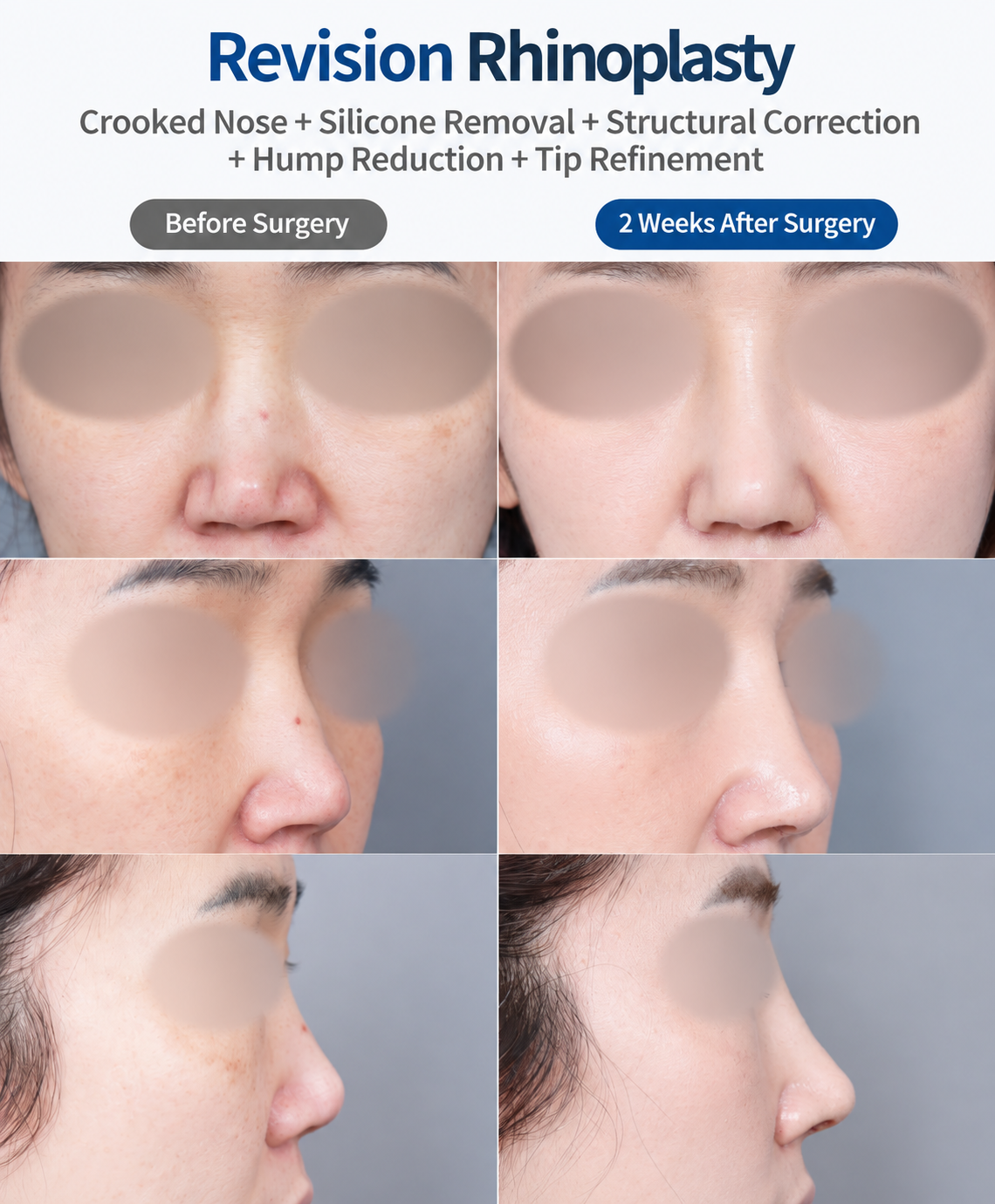
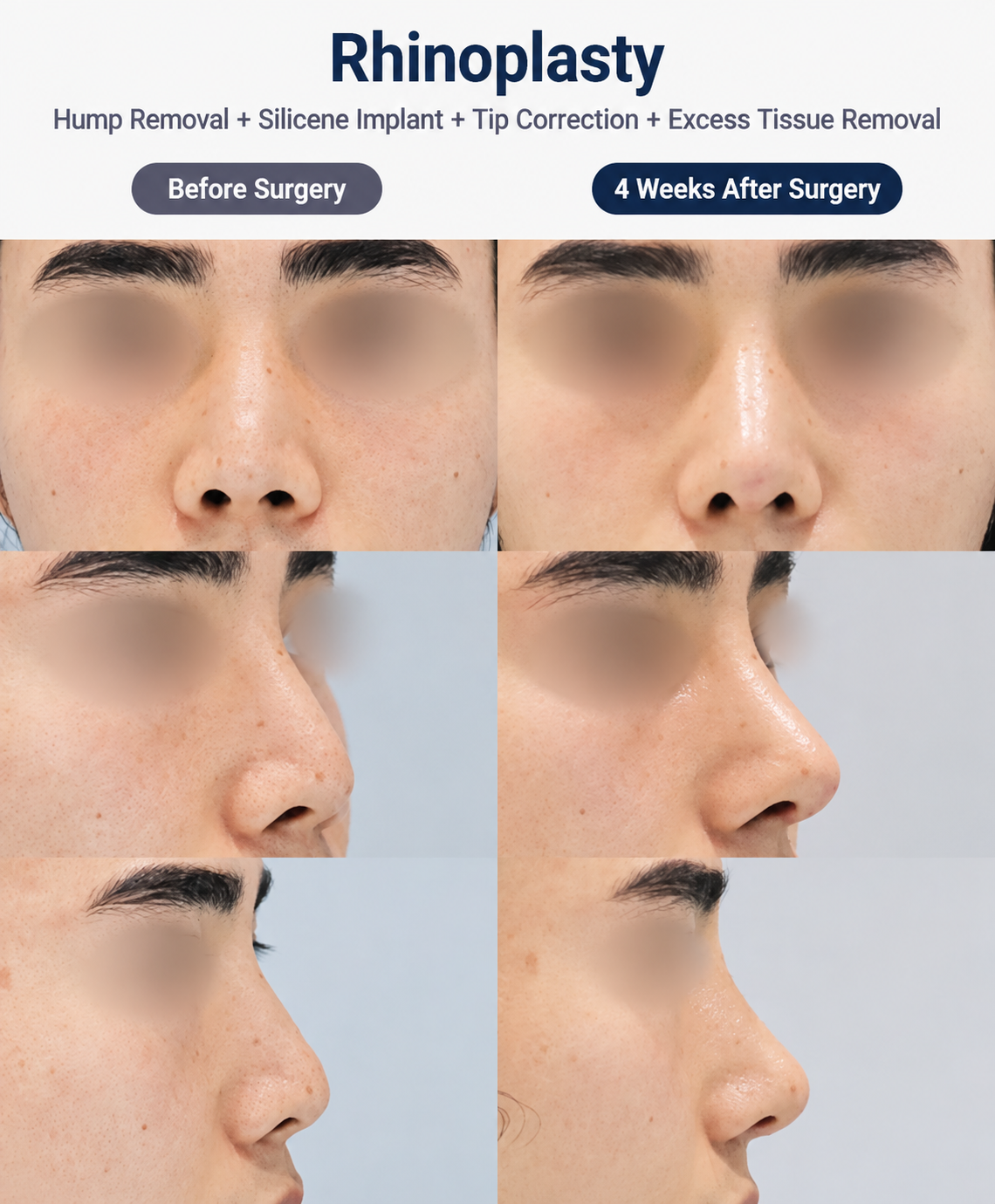
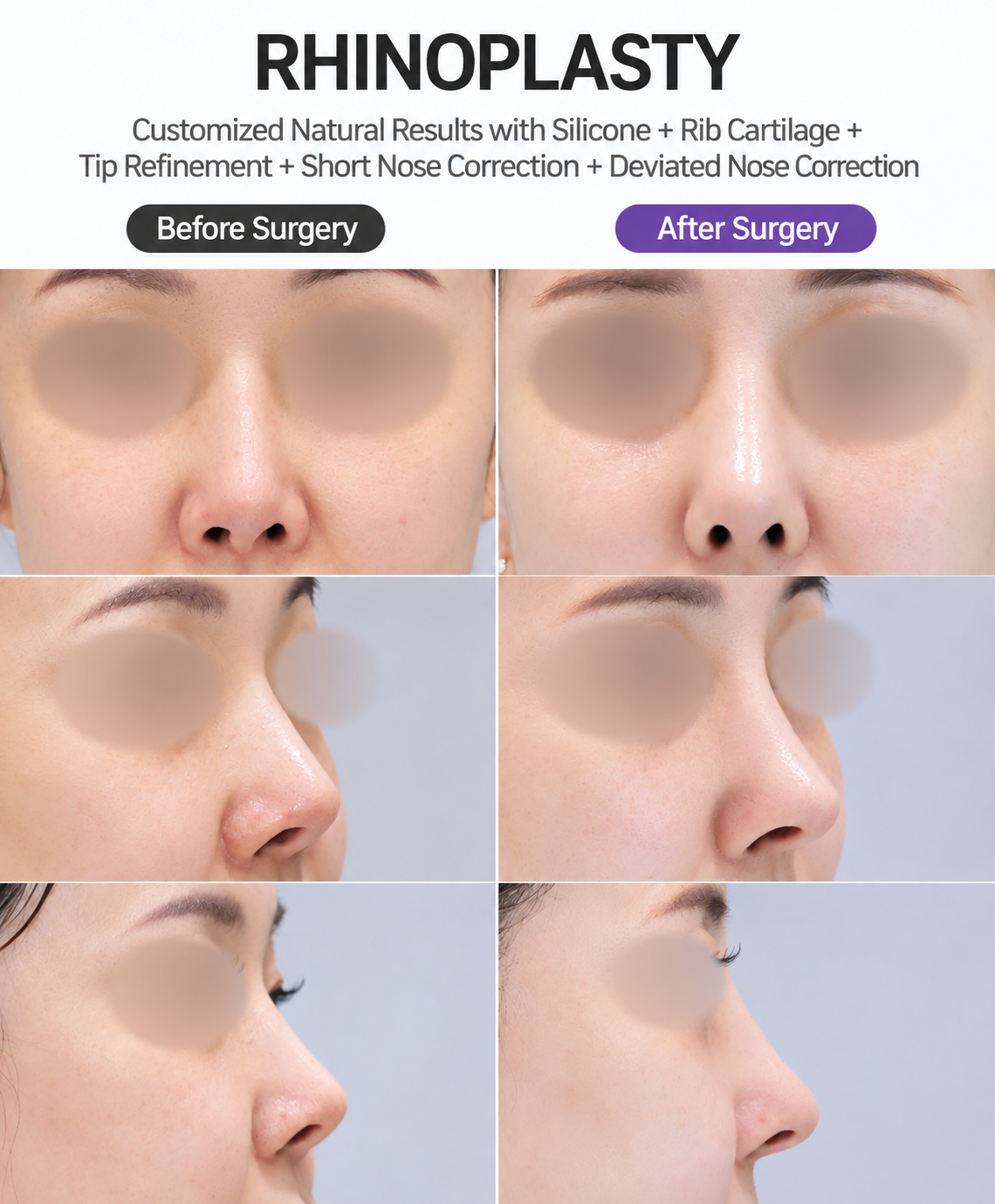
Swelling is a normal part of the healing process after rhinoplasty and can vary significantly from person to person. While much of the visible swelling improves within the first few weeks, subtle changes may continue for several months or even longer. Factors such as surgical technique, skin thickness, and the extent of the procedure can all influence the recovery timeline.
The First Week
The first few days usually involve the most noticeable swelling.
Patients commonly experience:
- Significant swelling
- Mild to moderate bruising
- Nasal congestion
- Temporary discomfort
- Puffiness around the eyes
- Facial tightness
- Splint or dressing in place
Swelling often reaches its peak during the first few days after surgery.
Weeks 2 to 4
After the initial recovery period, swelling typically begins to decrease.
Many patients notice:
- Reduced bruising
- Less facial puffiness
- Improved comfort
- Better definition of the nose
- Gradual return to daily activities
- Continued healing
- Ongoing reduction in congestion
Although improvement is noticeable, the nose is still far from its final appearance.
Months 1 to 3
Healing continues steadily during the following months.
Common changes include:
- Better tip definition
- Reduced residual swelling
- Improved nasal contours
- More natural appearance
- Continued tissue healing
- Enhanced facial balance
- Greater comfort
Many patients feel more confident with their appearance during this stage.
Months 4 to 6
Subtle refinement becomes more apparent as healing progresses.
Patients may notice:
- Sharper contours
- Better symmetry
- Further reduction in tip swelling
- Increased definition
- More stable results
- Continued tissue settling
- Ongoing cosmetic improvement
Changes are often gradual rather than dramatic.
Six Months to One Year and Beyond
Final healing can take considerable time, particularly around the nasal tip.
Long-term healing may involve:
- Minimal remaining swelling
- Continued soft tissue settling
- Improved definition
- Stable structural support
- Natural-looking refinement
- Better skin adaptation
- Final contour development
Some patients, especially those with thicker skin or more complex procedures, may continue to see subtle improvements for 12 to 18 months or longer.
Factors That Affect Swelling Duration
Recovery timelines differ for every individual.
Factors that may influence swelling include:
- Skin thickness
- Surgical complexity
- Open or closed approach
- Revision surgery
- Cartilage grafting
- Individual healing response
- Postoperative care
Your surgeon can provide a more personalized estimate based on your procedure.
Tips to Support Recovery
Following postoperative instructions can help promote healthy healing.
General recommendations include:
- Sleep with your head elevated
- Take medications as prescribed
- Avoid strenuous exercise
- Stay hydrated
- Follow dietary recommendations
- Attend follow-up appointments
- Protect your nose from accidental injury
Always follow your surgeon's specific advice rather than general guidelines alone.
When to Contact Your Surgeon
Some swelling is expected, but certain symptoms should be evaluated promptly.
Seek medical advice if you experience:
- Severe or worsening pain
- Excessive bleeding
- Signs of infection
- High fever
- Sudden increase in swelling
- Persistent breathing difficulties
- Any unexpected symptoms causing concern
Prompt communication with your medical team is important if unusual symptoms develop.
Final Thoughts
Rhinoplasty swelling improves gradually rather than disappearing all at once. While many patients see noticeable improvement within the first few weeks, subtle refinement can continue for many months as the tissues heal and settle into their final shape. Patience, realistic expectations, and careful adherence to postoperative instructions all play an important role in achieving the best possible outcome.