Foreigner's Guide to Rhinoplasty in Korea
Foreigner's Guide to Rhinoplasty in Korea
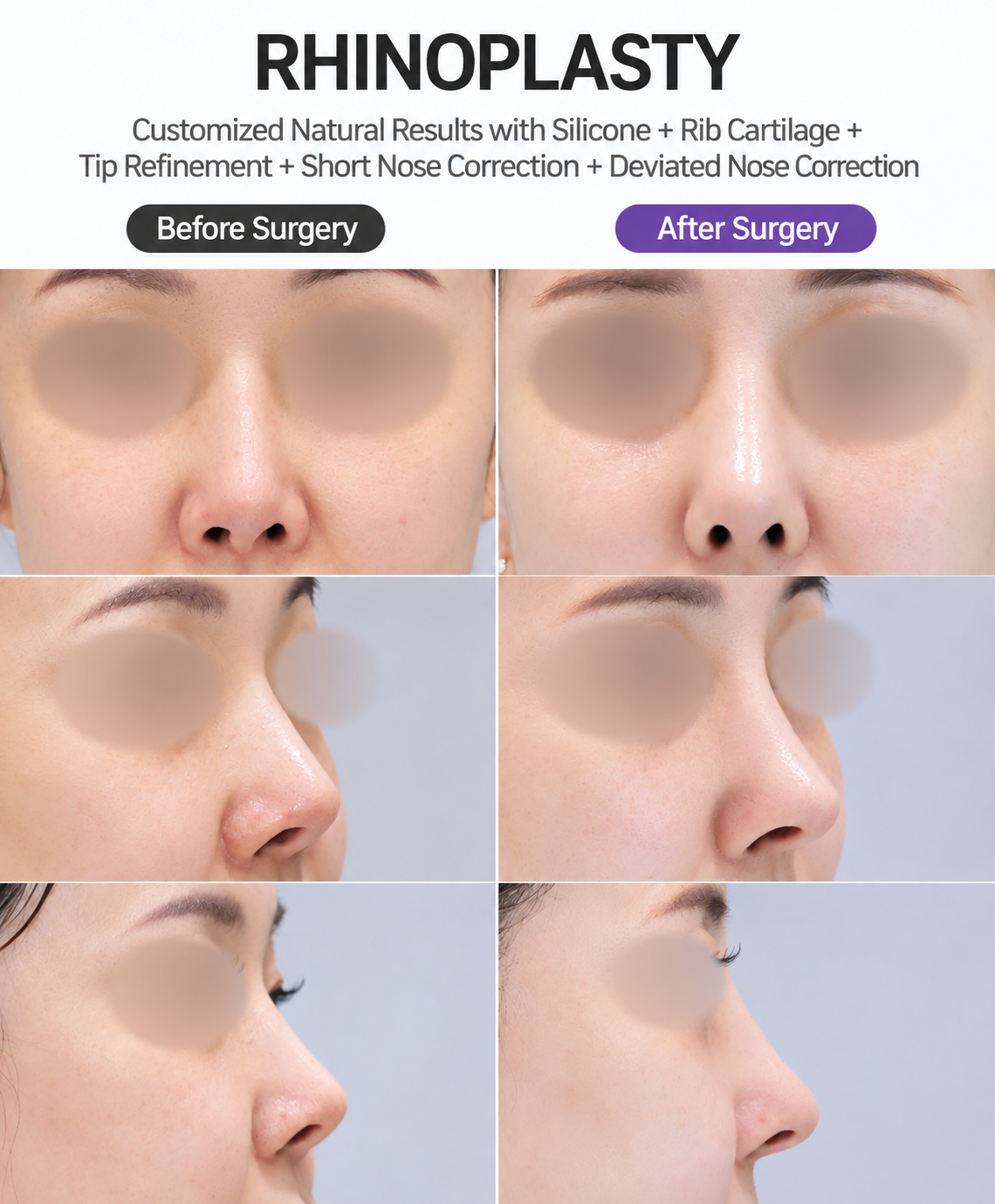
South Korea has become one of the world's most popular destinations for rhinoplasty, welcoming thousands of international patients every year. From consultation and surgery to recovery and follow-up care, understanding the process in advance can help make your medical journey smoother and more comfortable. Careful planning is essential for both a successful procedure and a stress-free stay.
Why Many Foreigners Choose Korea
Many international patients travel to Korea because of its reputation for specialized facial surgery and personalized treatment planning.
Common reasons include:
- Experienced surgeons
- Advanced surgical techniques
- Customized treatment plans
- Modern medical facilities
- Competitive pricing
- Wide range of rhinoplasty options
- Established medical tourism services
Many clinics also have experience treating patients from around the world.
Choosing the Right Rhinoplasty Procedure
Different procedures are designed for different needs and goals.
Common options include:
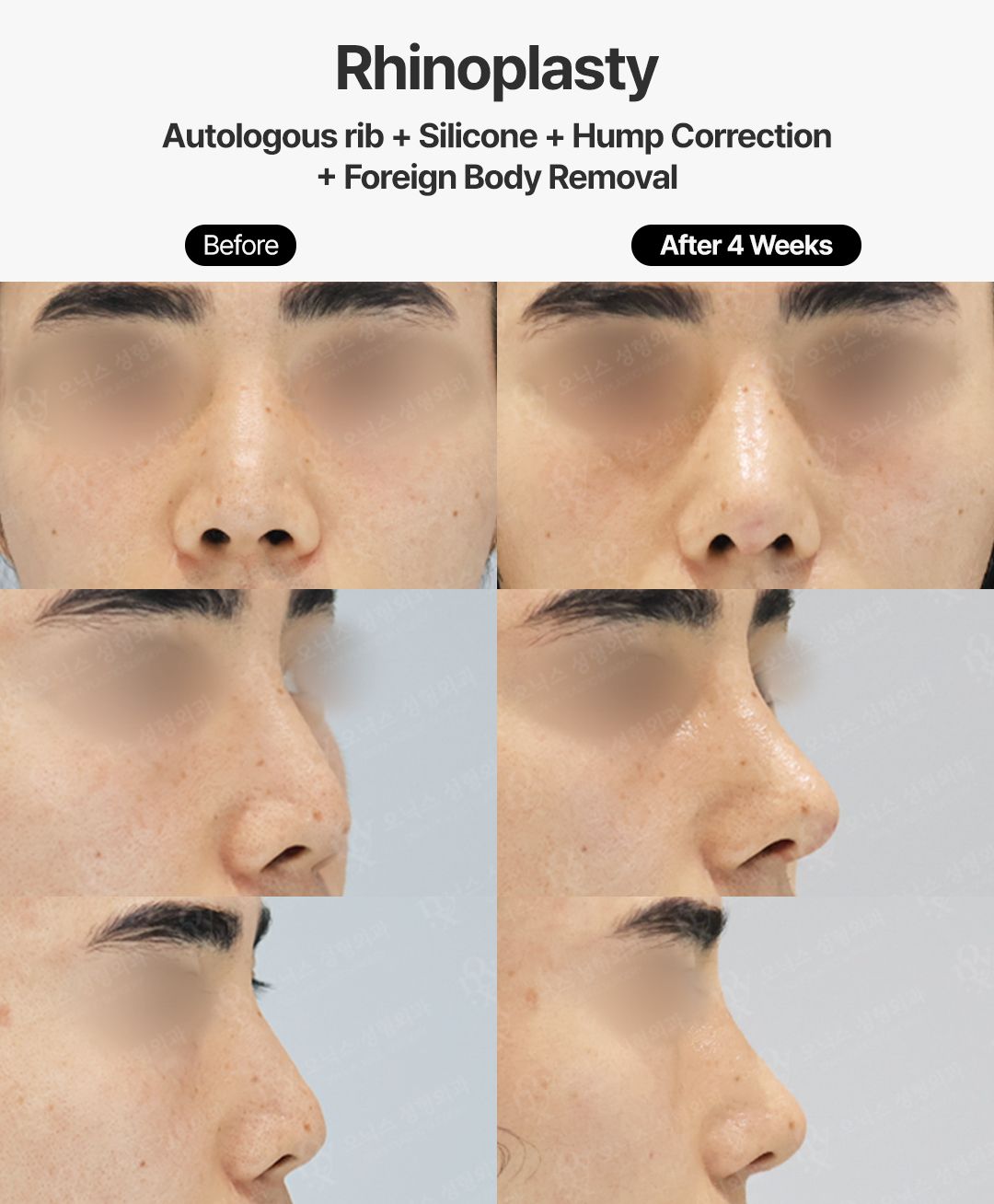
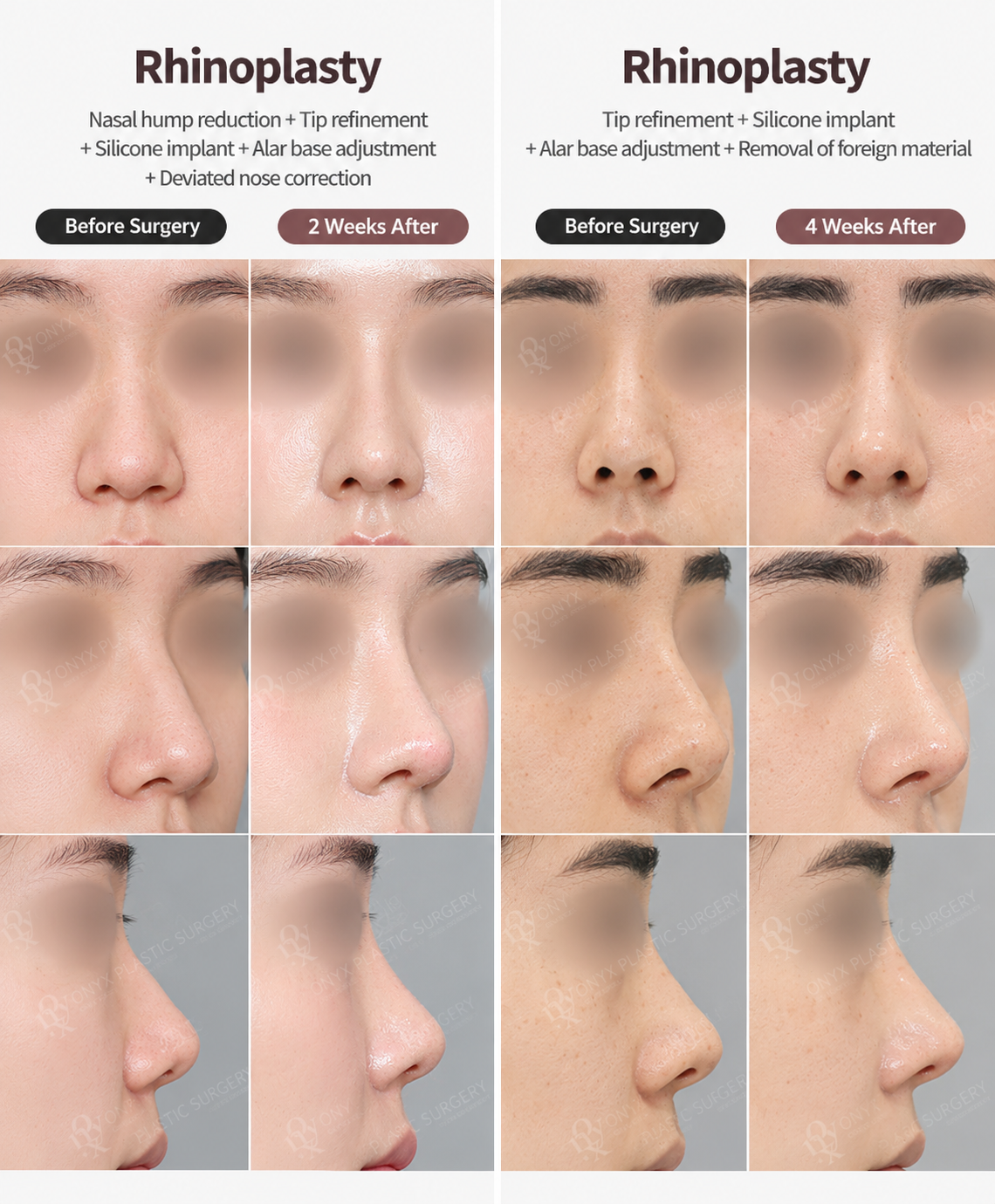
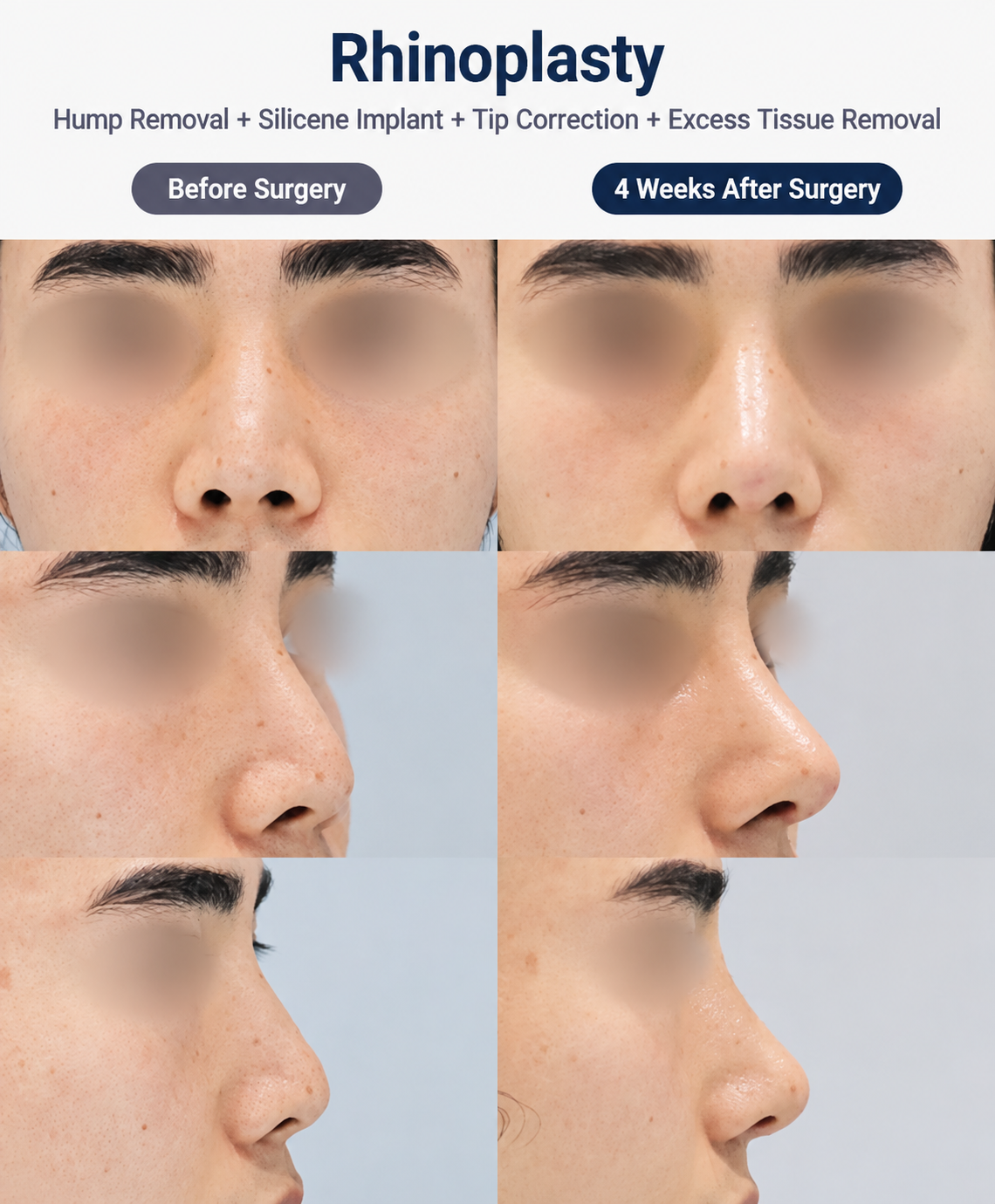
- Primary rhinoplasty
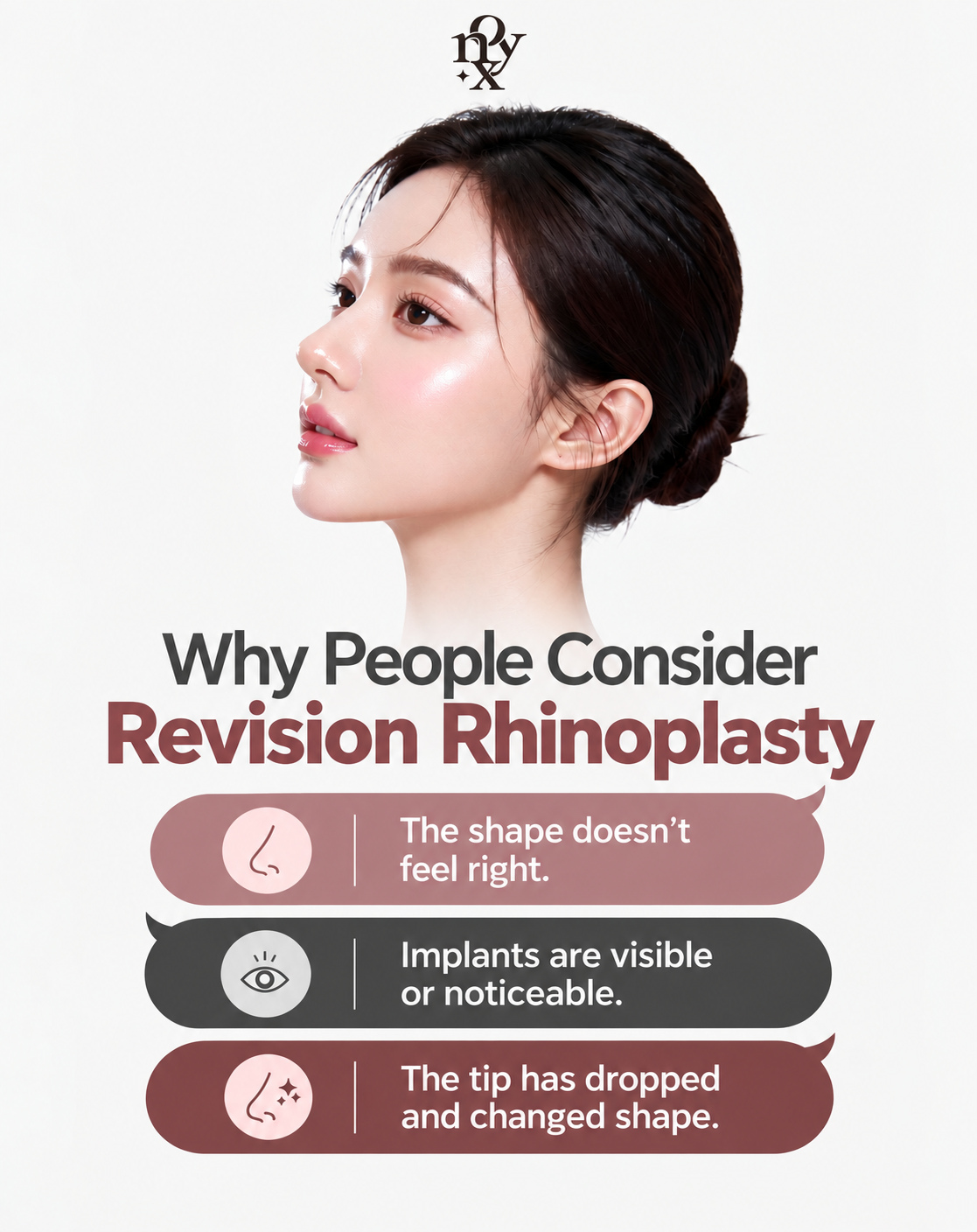
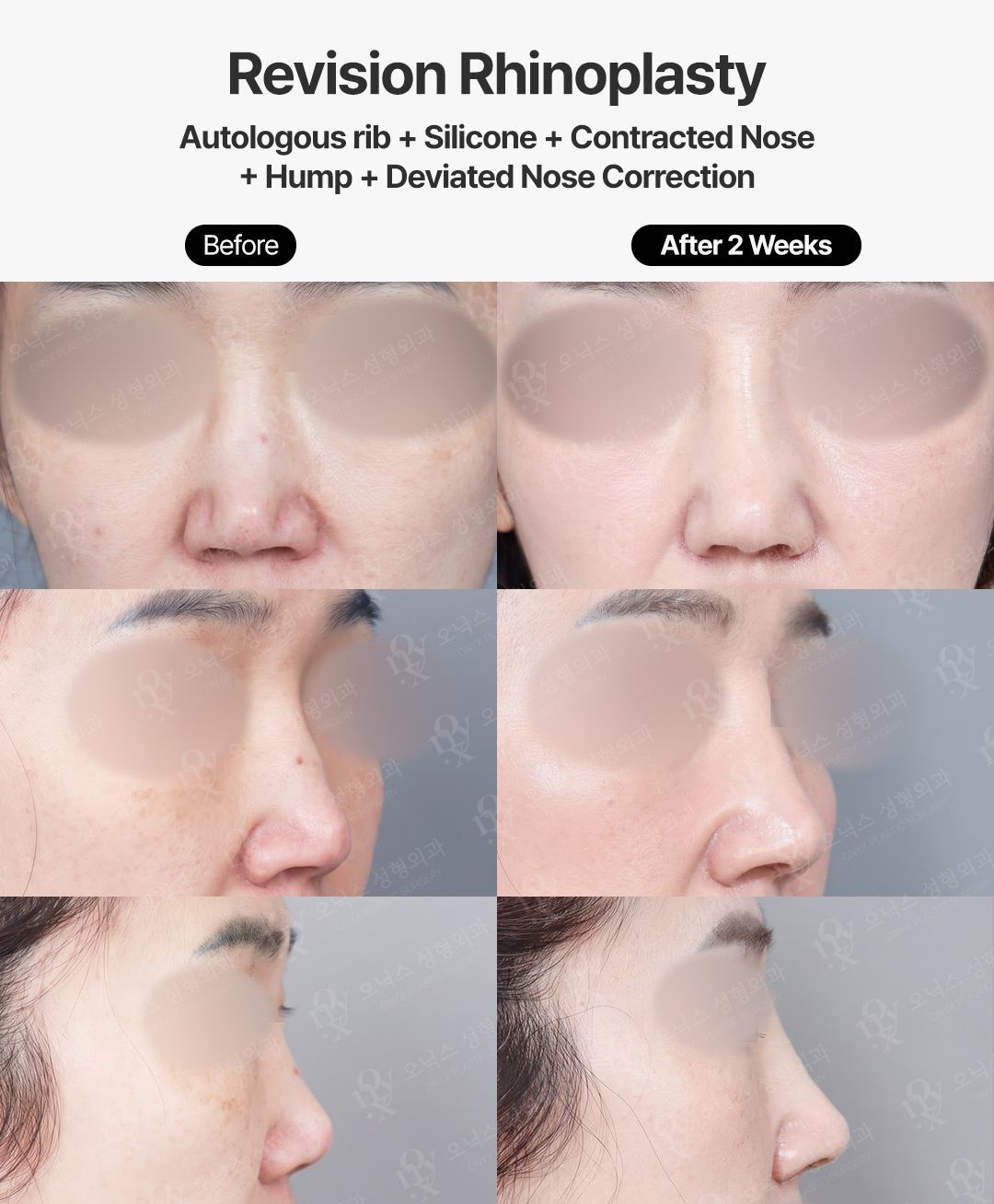
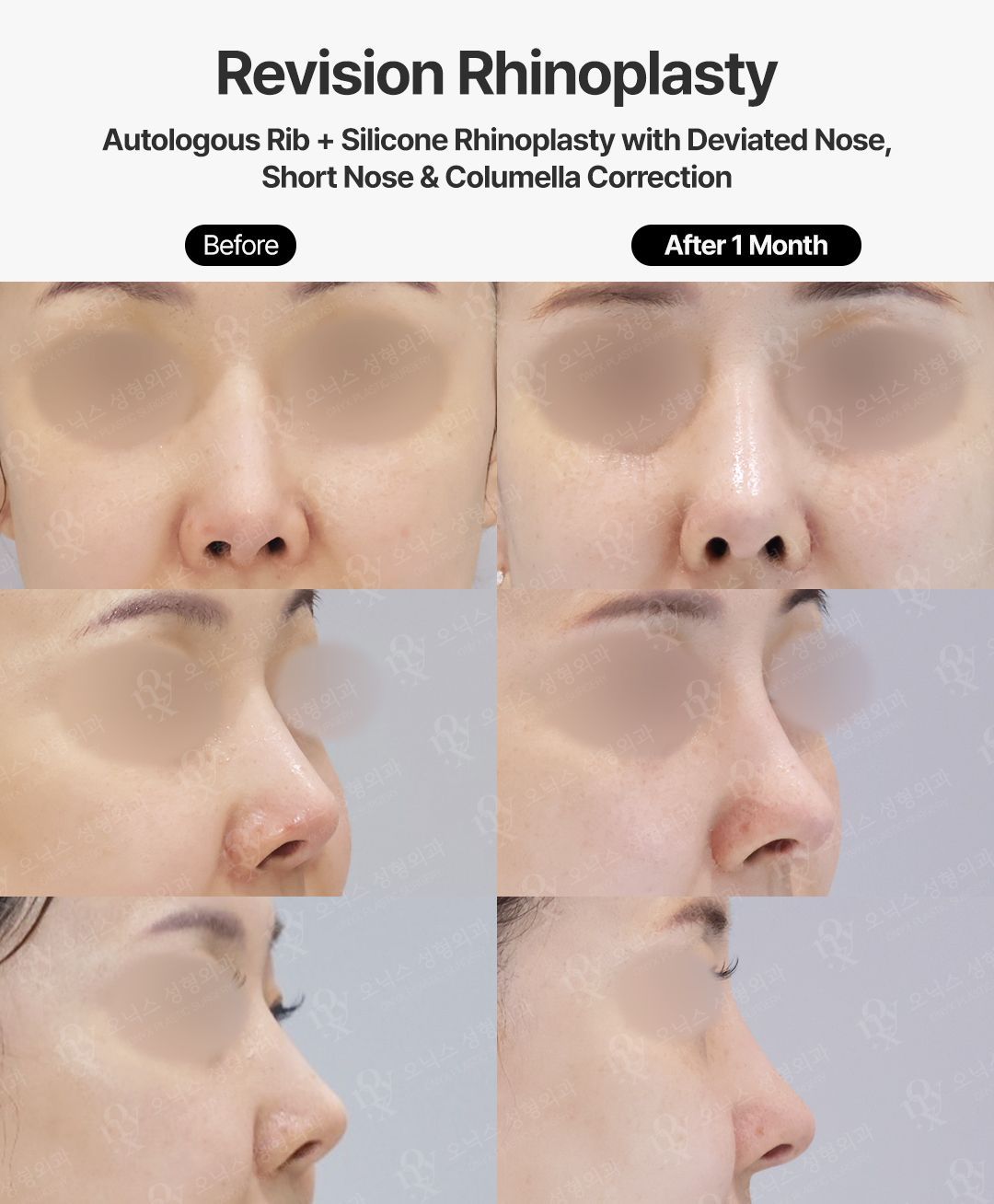
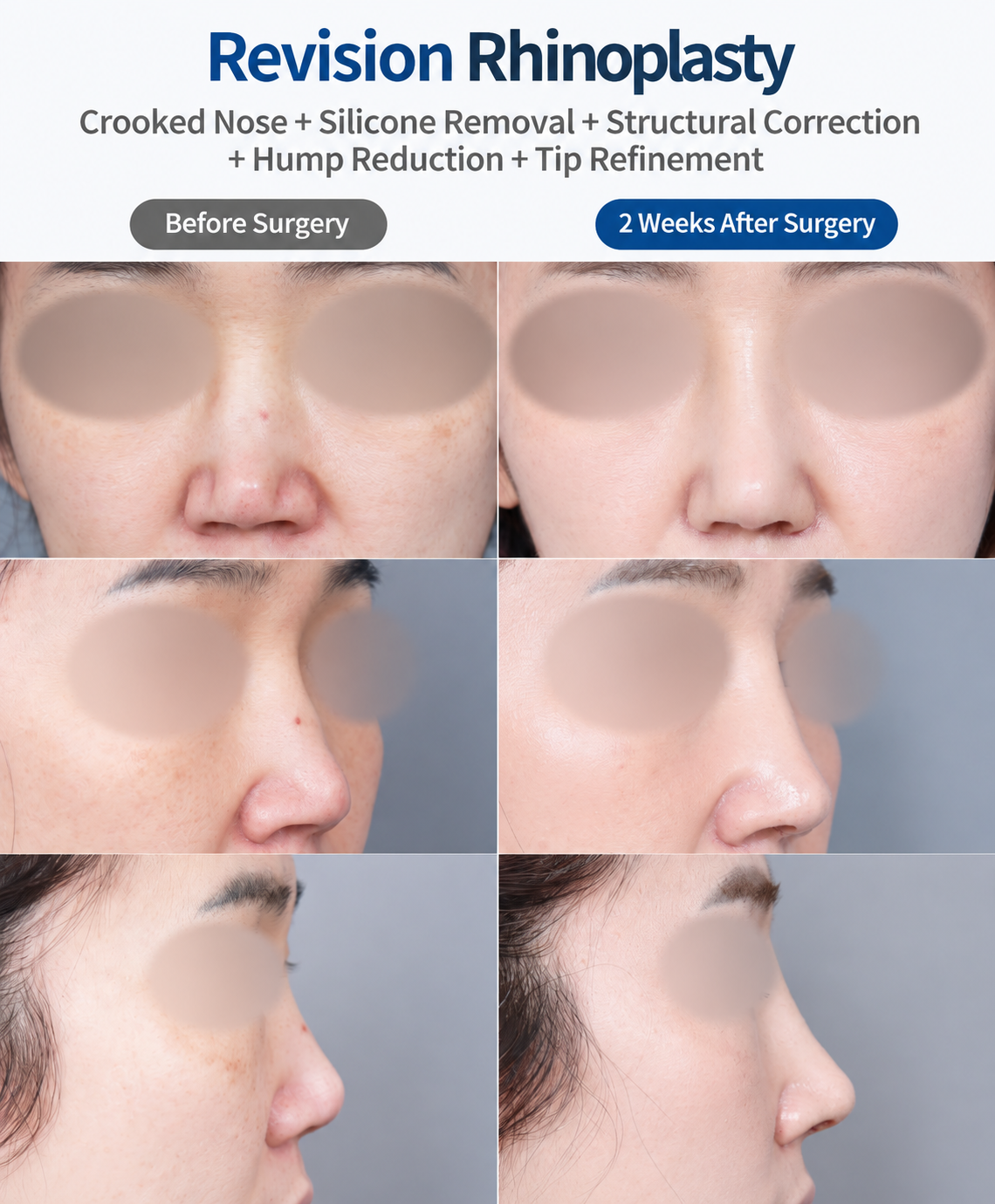
- Revision rhinoplasty
- Natural-looking rhinoplasty
- Asian rhinoplasty
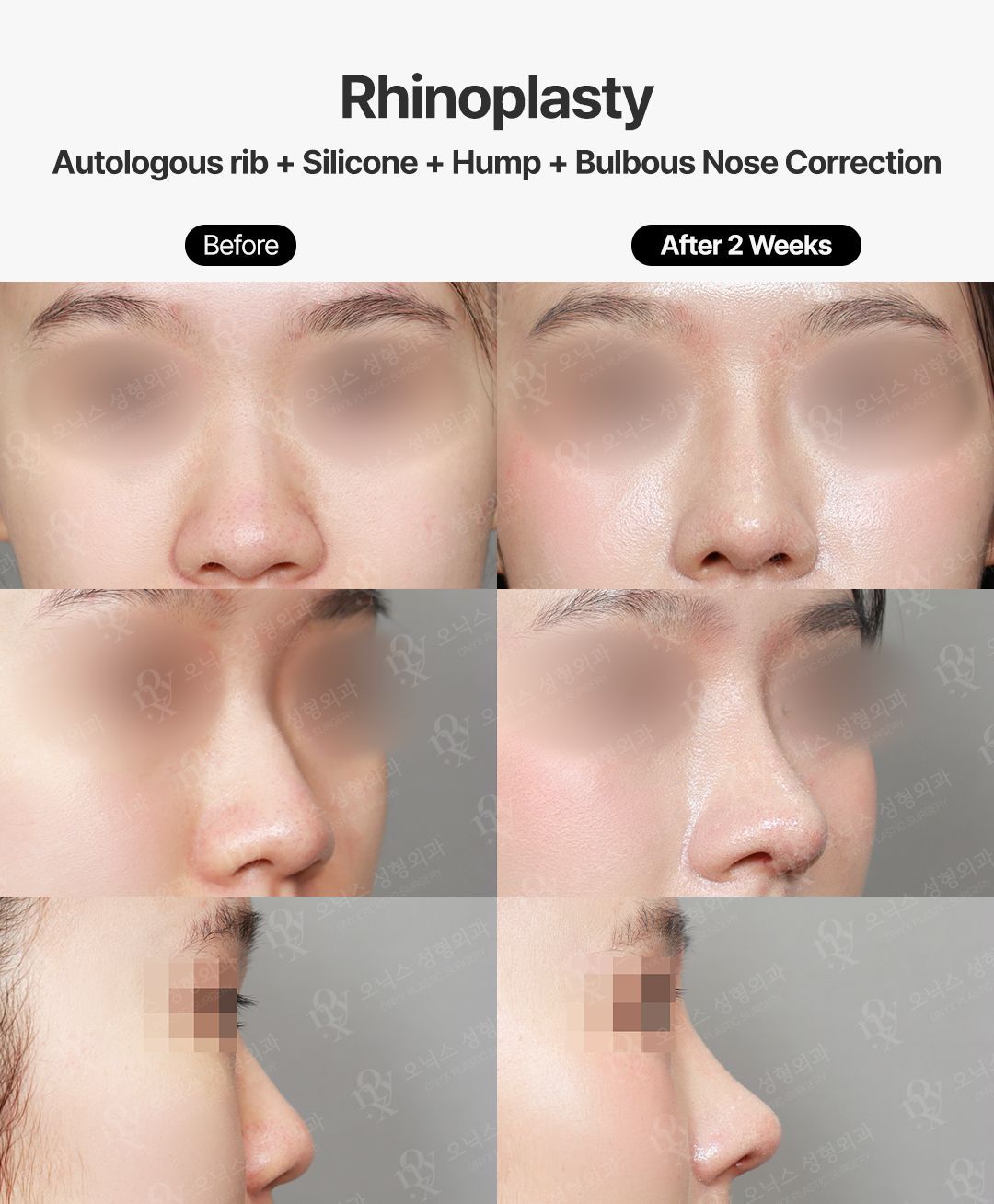
- Rib cartilage rhinoplasty
- Functional rhinoplasty
- Tip refinement procedures
The most appropriate approach depends on your anatomy and personal expectations.
Preparing Before Traveling to Korea
Planning ahead can make your experience much more convenient.
Before your trip, consider:
- Online consultations
- Medical history preparation
- Passport validity
- Travel arrangements
- Accommodation booking
- Flexible flight schedules
- Budget planning
Having your medical records and reference photos available may also be helpful during consultations.
What Happens During the Consultation?
Your consultation is an opportunity to discuss your goals and receive a personalized surgical assessment.
Topics often include:
- Medical history
- Facial analysis
- Nasal examination
- Surgical recommendations
- Expected outcomes
- Potential risks
- Recovery planning
Clear communication helps establish realistic expectations before surgery.
How Long Should You Stay in Korea?
Many international patients remain in Korea for at least 7 to 10 days after surgery, although longer stays may be recommended for more complex procedures.
This allows time for:
- Initial recovery
- Follow-up appointments
- Splint removal
- Healing assessment
- Medication review
- Travel clearance
Your surgeon may recommend a different timeline based on your recovery.
Recovery Tips for International Patients
Proper postoperative care is an important part of successful healing.
Helpful recommendations include:
- Get adequate rest
- Keep your head elevated
- Follow medication instructions
- Avoid strenuous exercise
- Attend scheduled follow-up visits
- Protect your nose from accidental impact
- Follow your surgeon's specific guidance
Healing continues for many months after surgery.
Budgeting for Your Trip
In addition to surgical costs, international patients should plan for travel-related expenses.
Possible costs include:
- Airfare
- Hotel accommodations
- Transportation
- Meals
- Travel insurance
- Prescription medications
- Extended recovery stays if needed
Preparing a complete budget can help avoid unexpected expenses.
Planning Your Return Home
Before leaving Korea, patients should confirm that their surgeon is satisfied with their early recovery.
Before your flight, make sure to:
- Attend final follow-up appointments
- Receive postoperative instructions
- Obtain prescribed medications
- Ask about long-term care
- Confirm emergency contact methods
- Understand future follow-up options
Many clinics also offer remote follow-up consultations after patients return home.
Final Thoughts
Traveling to Korea for rhinoplasty requires thoughtful preparation, but careful planning can make the experience significantly smoother. By understanding the consultation process, recovery timeline, travel considerations, and postoperative care, international patients can make informed decisions and approach their rhinoplasty journey with greater confidence.