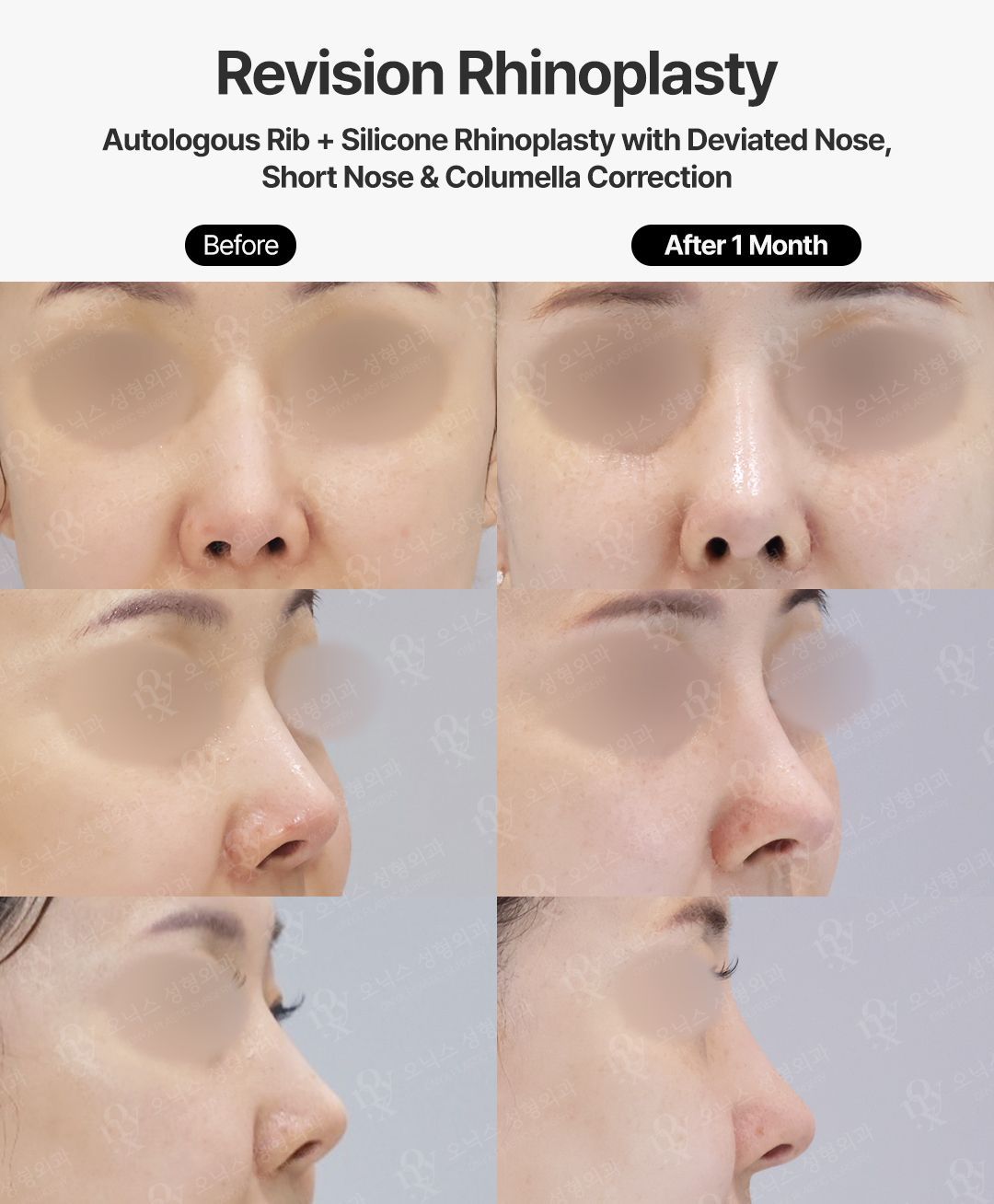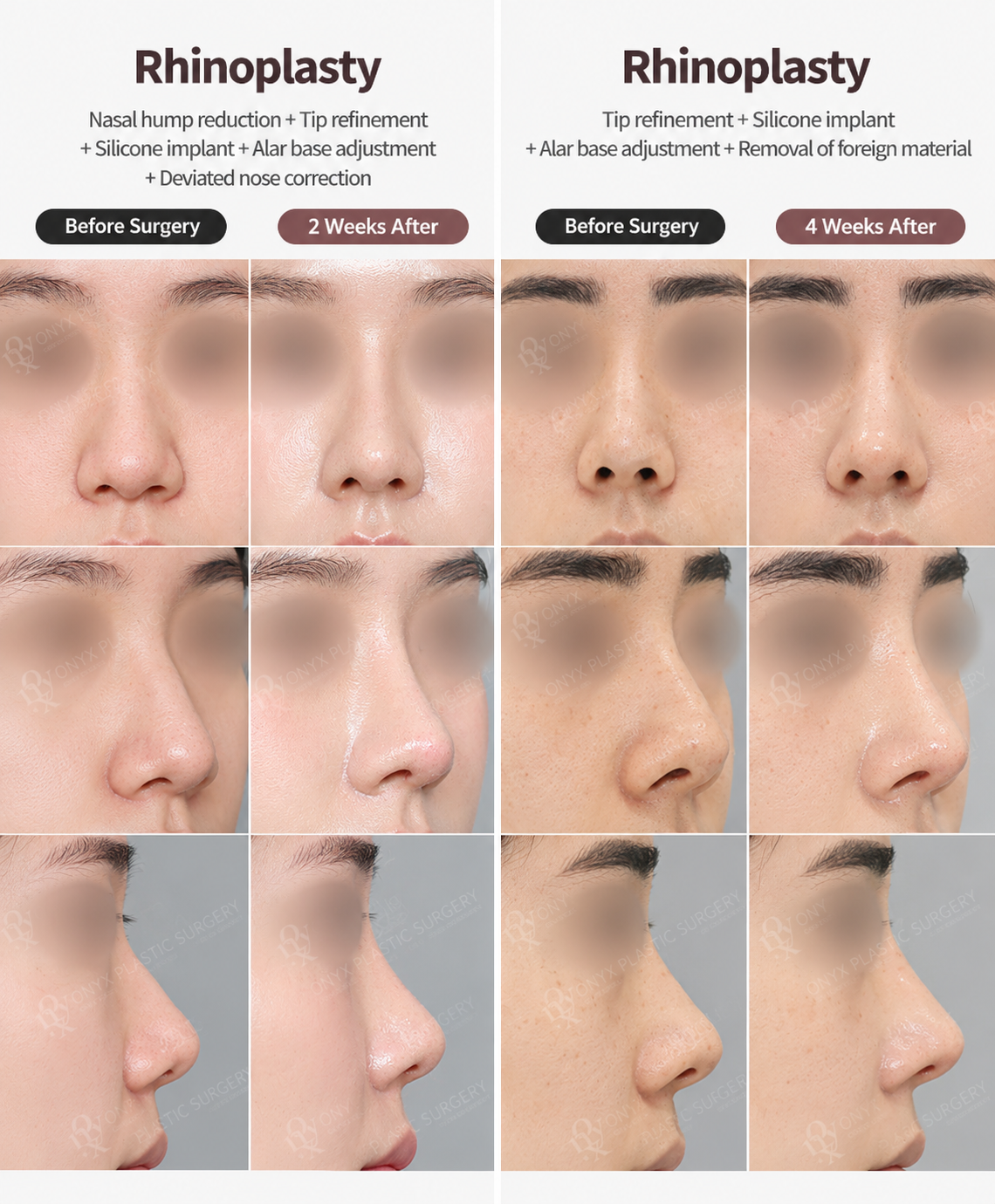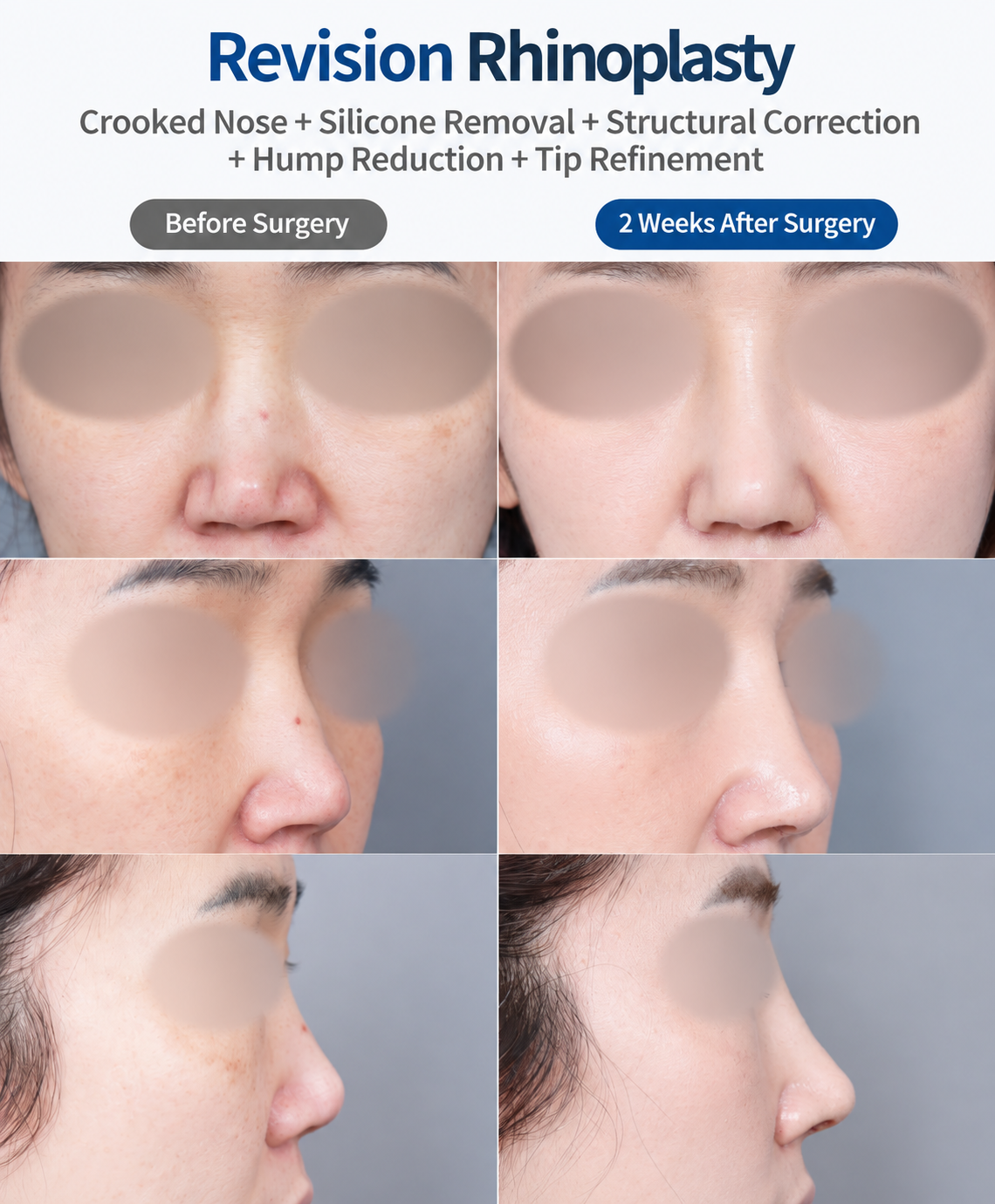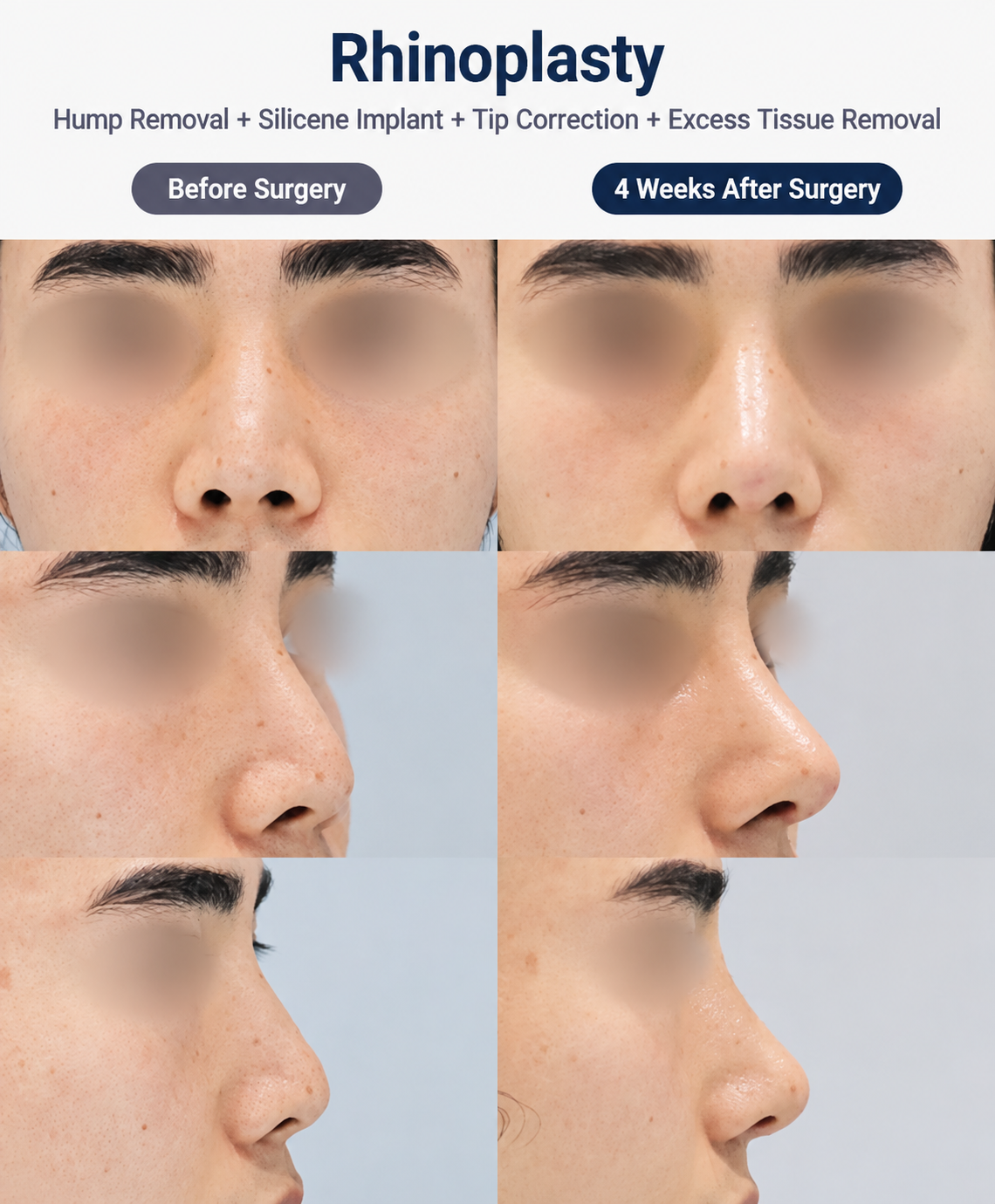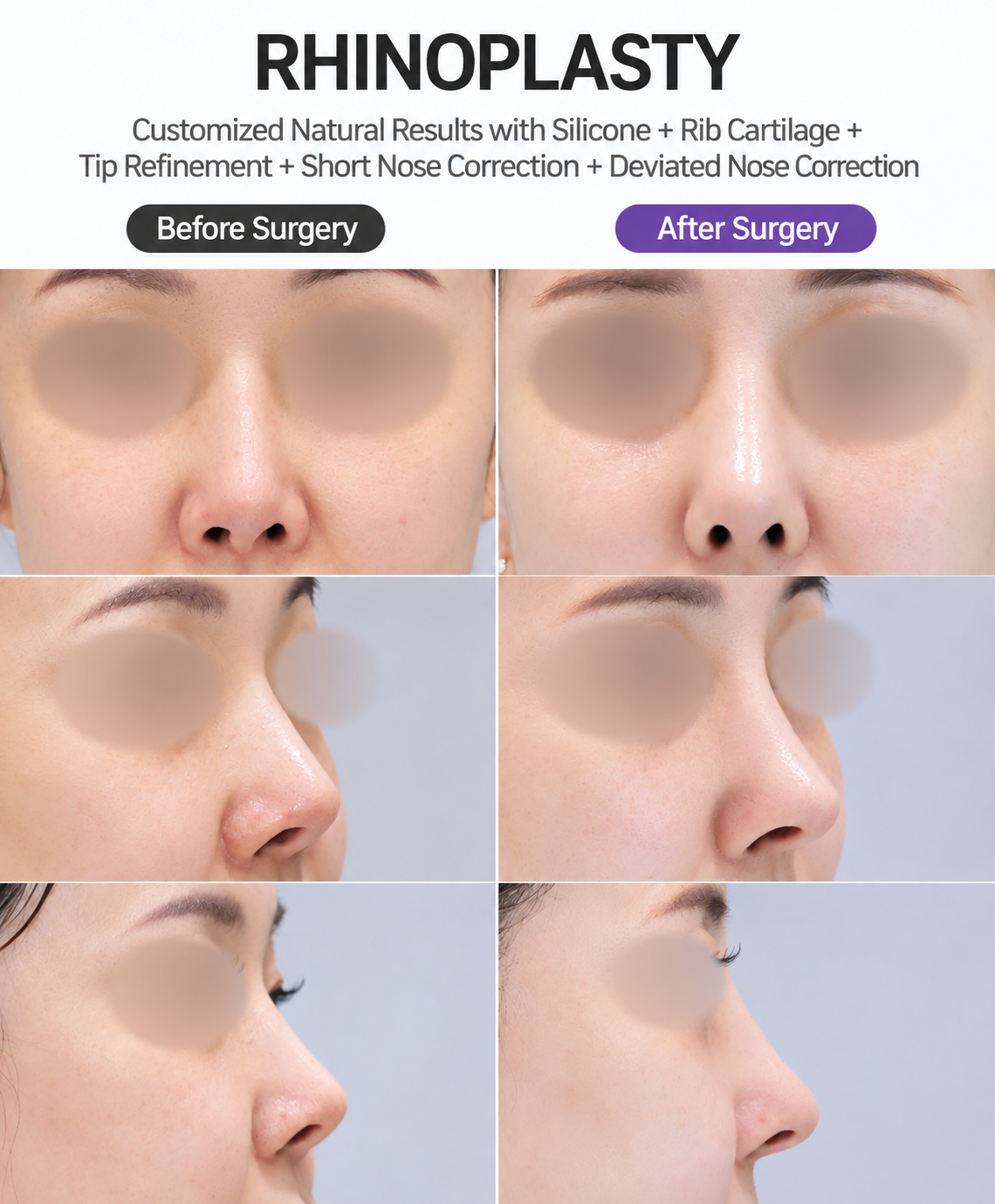
Crooked Nose Correction
Crooked Nose Correction
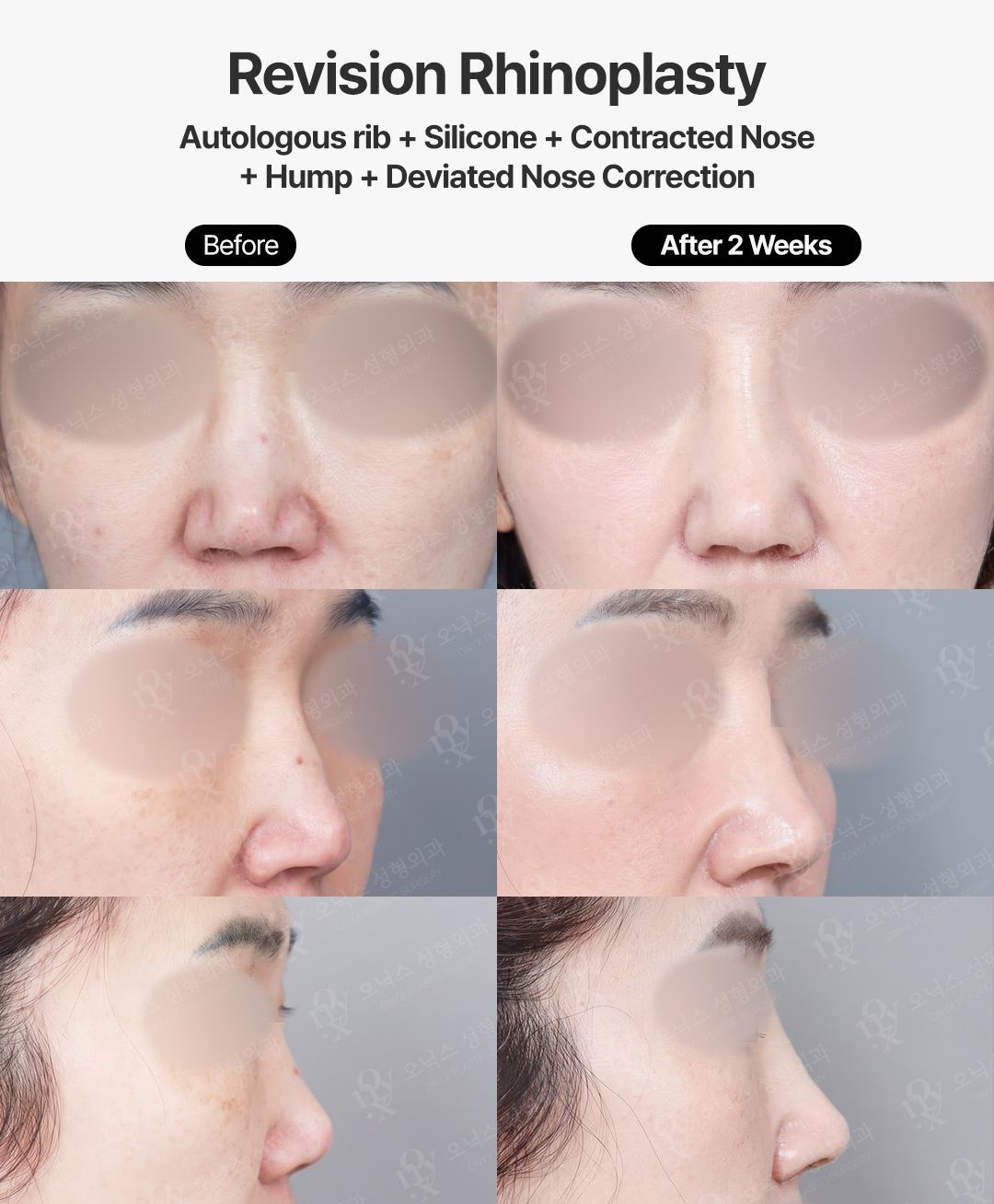
Crooked nose correction is a type of rhinoplasty designed to improve the alignment, appearance, and, in some cases, the function of a nose that deviates from the facial midline. The procedure can address cosmetic concerns, breathing problems, or both, depending on the underlying cause. Because every case is unique, treatment is carefully tailored to the patient's anatomy and goals.
What Is a Crooked Nose?
A crooked nose is one that appears visibly off-center or asymmetrical.
Common characteristics may include:
- Bridge deviation
- Tilted nasal tip
- Uneven profile
- Facial asymmetry
- Irregular contours
- Twisted appearance
- Off-center alignment
The degree of deviation can range from subtle to significant.
Common Causes of a Crooked Nose
A crooked nose can develop for a variety of reasons.
Possible causes include:
- Genetic factors
- Previous injury
- Broken nose
- Developmental differences
- Deviated nasal structures
- Cartilage irregularities
- Prior nasal surgery
A detailed examination is necessary to identify the underlying cause.
Goals of Crooked Nose Correction
The surgical plan is designed to improve both appearance and structural balance.
Common objectives include:
- Better alignment
- Improved symmetry
- Straighter bridge
- Refined nasal tip
- Enhanced facial harmony
- Structural stability
- Improved nasal function when needed
Treatment goals should reflect each patient's individual needs and expectations.
Common Surgical Techniques
The techniques used depend on the severity and source of the deviation.
Possible approaches include:
- Structural rhinoplasty
- Cartilage reshaping
- Bone repositioning
- Septal correction
- Cartilage grafting
- Open rhinoplasty
- Closed rhinoplasty
Multiple techniques are often combined to achieve stable results.
Functional Improvements
Some patients experience breathing difficulties in addition to cosmetic concerns.
The procedure may help address:
- Nasal obstruction
- Deviated septum
- Airflow issues
- Internal structural problems
- Functional asymmetry
- Nasal support
- Combined cosmetic and functional goals
Functional improvements should be evaluated during consultation.
Recovery Expectations
Recovery varies according to the complexity of the procedure.
Patients may experience:
- Swelling
- Mild bruising
- Temporary congestion
- Splint placement
- Progressive healing
- Gradual contour refinement
- Continued recovery over many months
Final results develop gradually as swelling subsides.
Factors That Influence the Outcome
Every patient's anatomy and healing process are different.
Factors that may affect results include:
- Severity of deviation
- Bone structure
- Cartilage quality
- Skin thickness
- Healing response
- Previous surgery
- Postoperative care
A personalized treatment plan is essential for achieving balanced results.
Questions to Ask During Your Consultation
Before deciding on surgery, consider discussing:
- Cause of the deviation
- Recommended surgical technique
- Functional corrections if needed
- Recovery timeline
- Potential risks
- Long-term stability
- Follow-up care
Clear communication helps establish realistic expectations and individualized goals.
Final Thoughts
Crooked nose correction is a highly customized procedure that aims to improve nasal alignment, facial harmony, and, when appropriate, breathing function. Through careful evaluation and personalized surgical planning, patients can achieve more balanced, stable, and natural-looking results that complement their unique facial features.