Alar Reduction Surgery Explained
Alar Reduction Surgery Explained
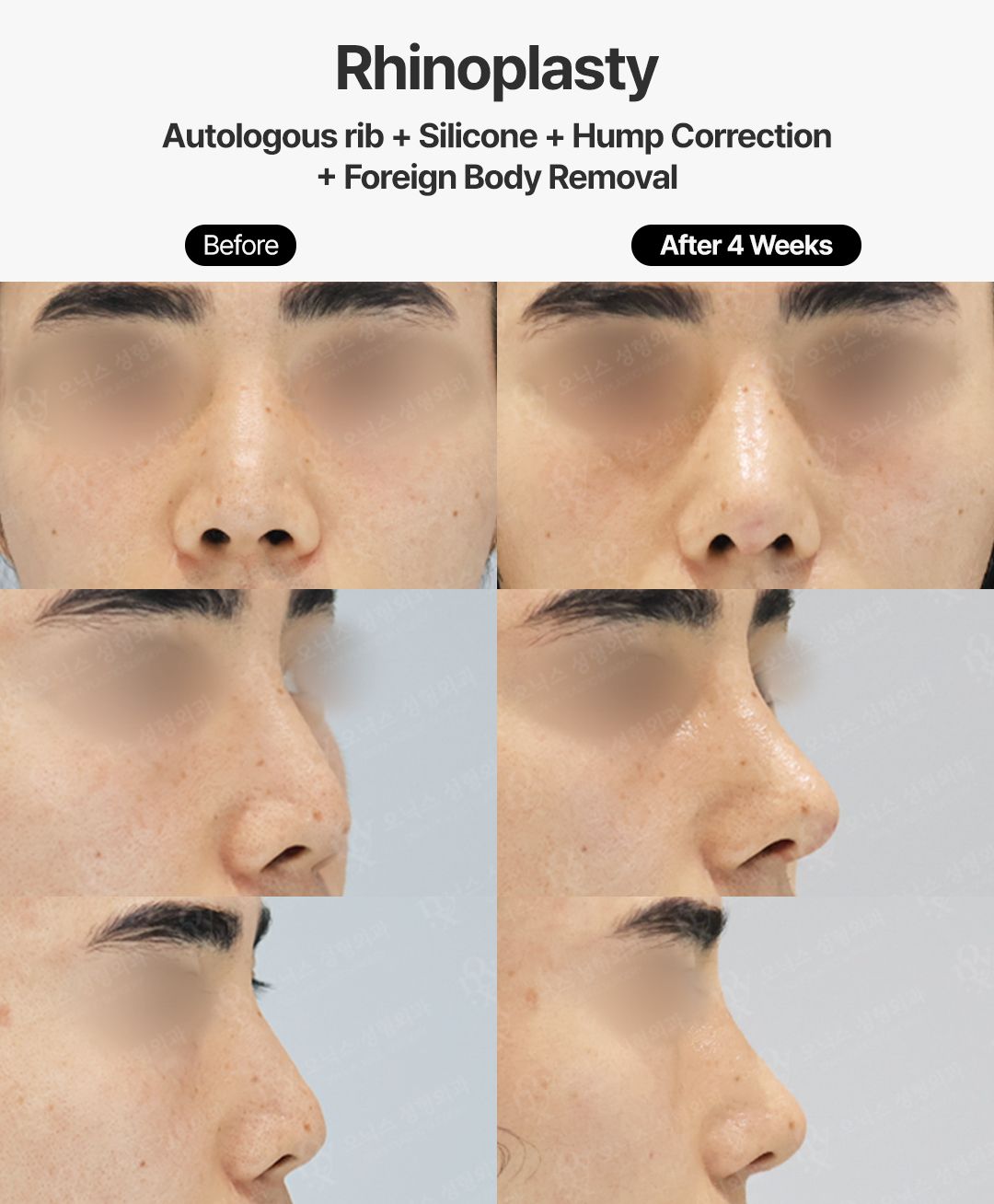
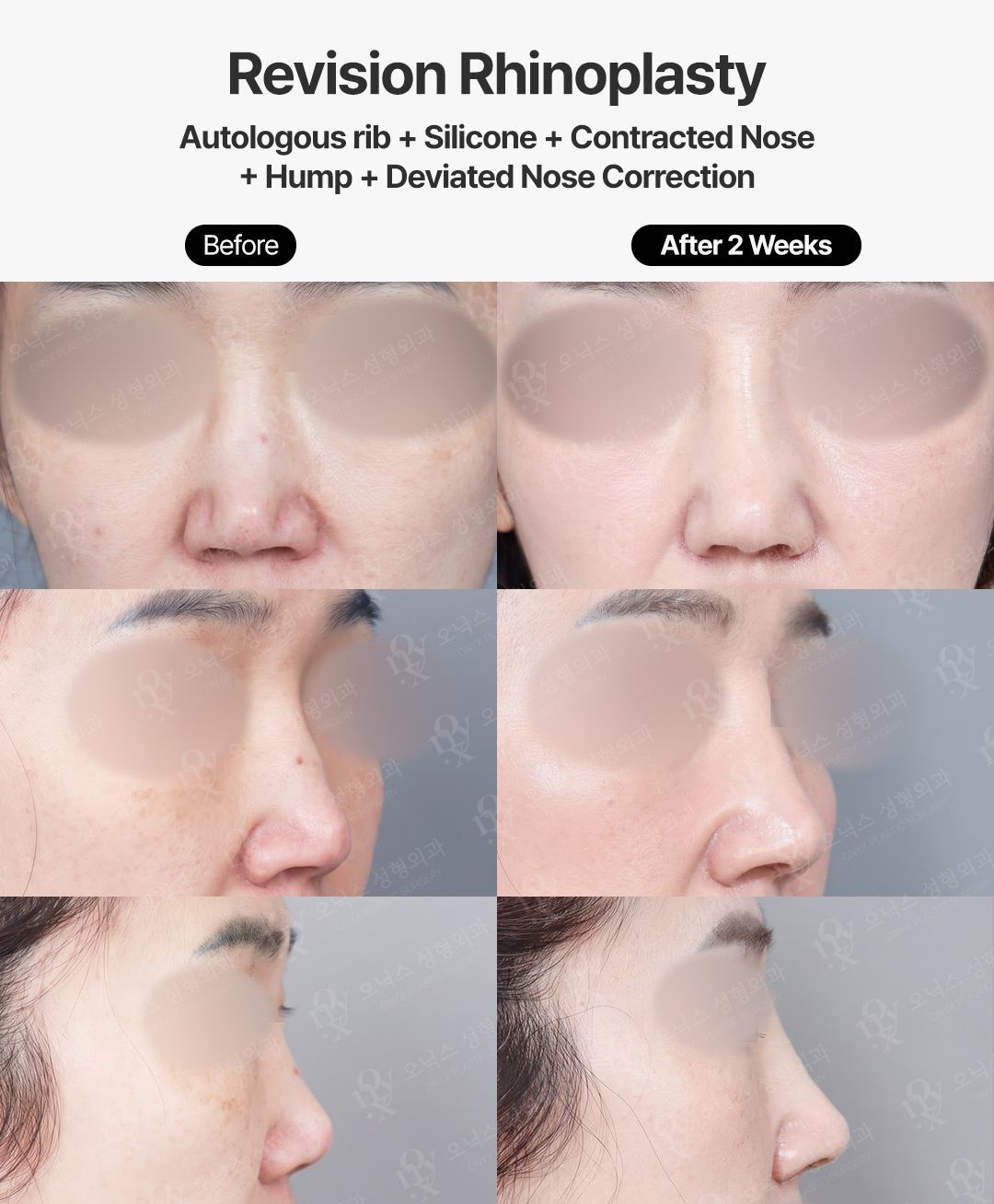
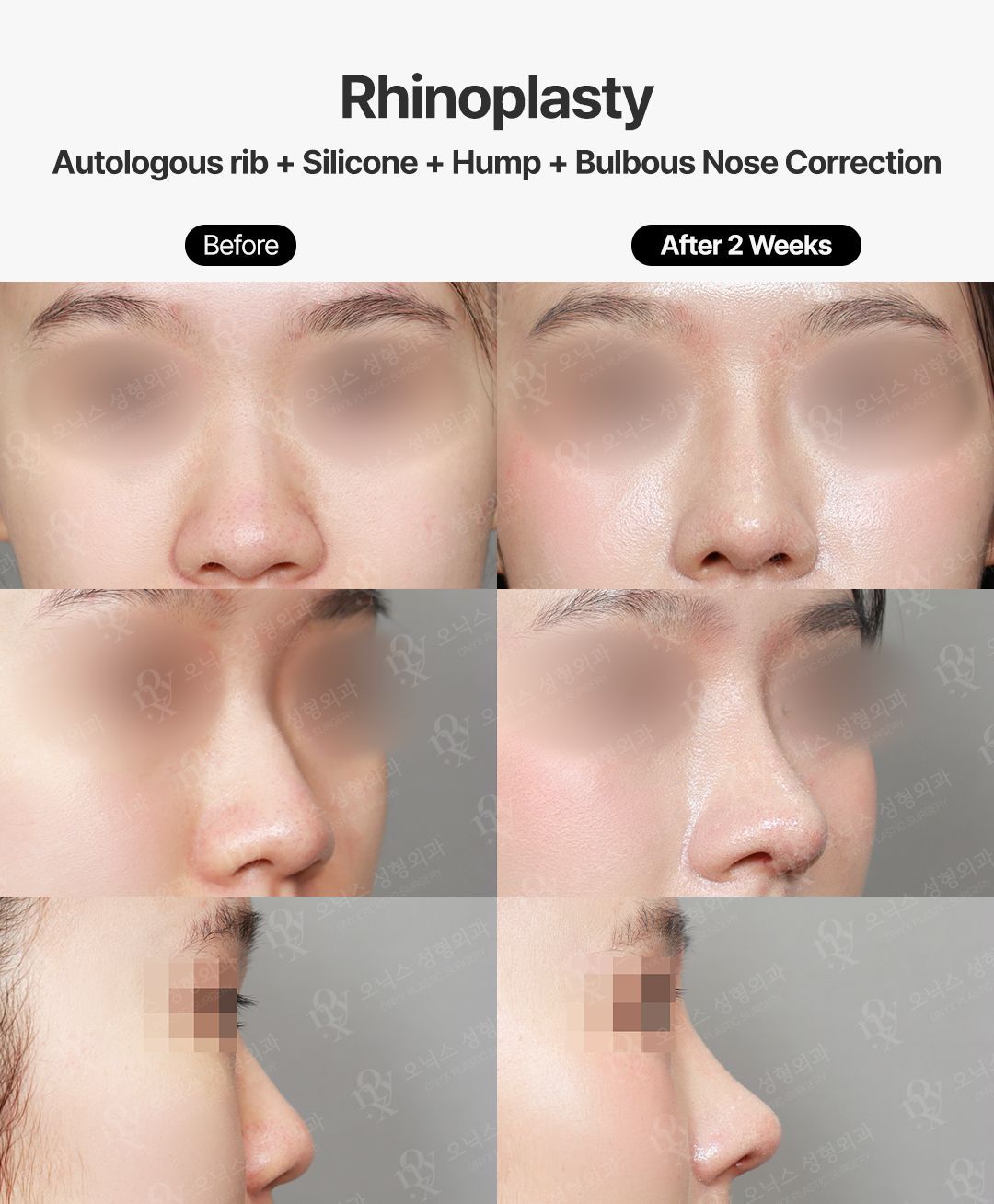
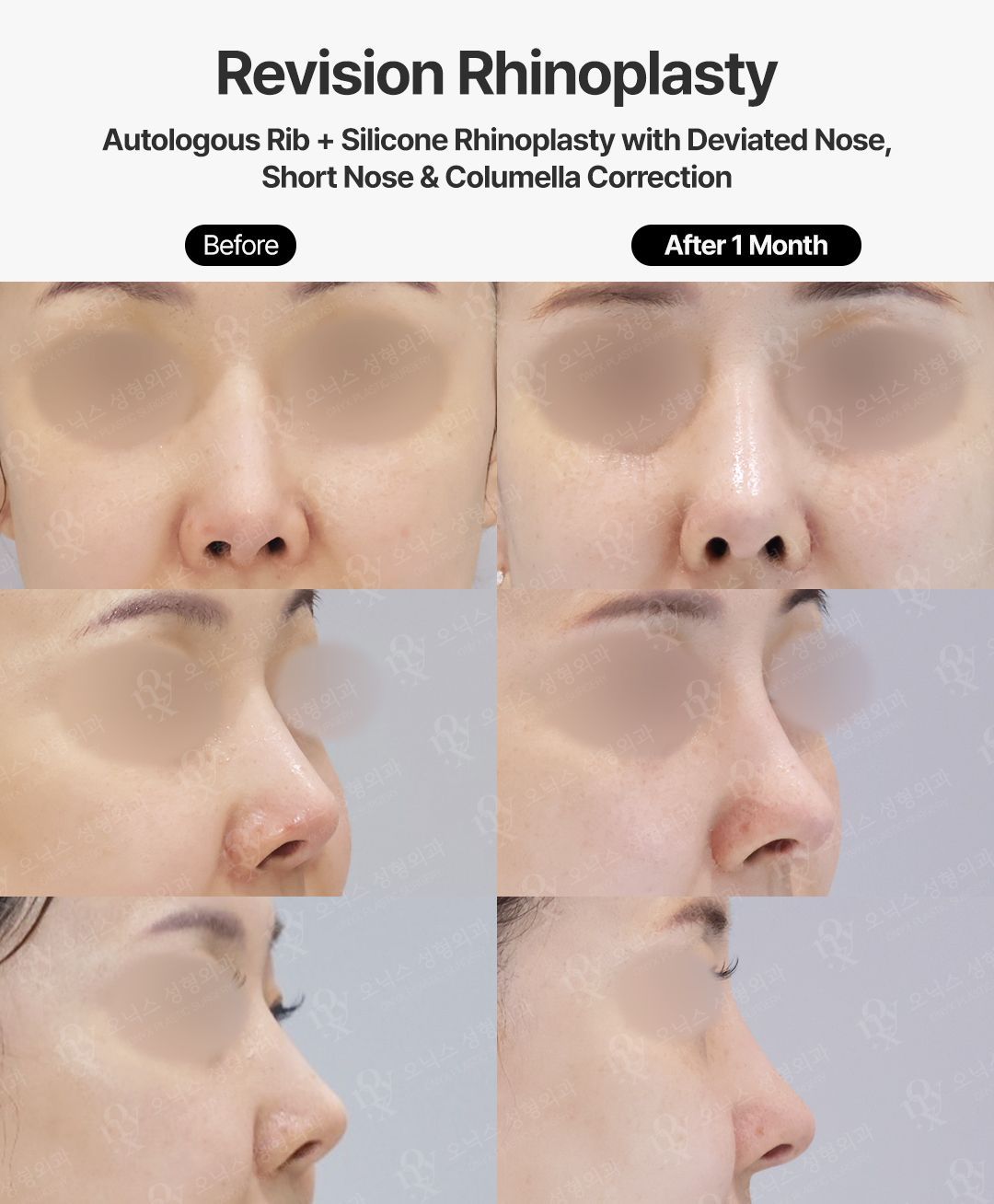
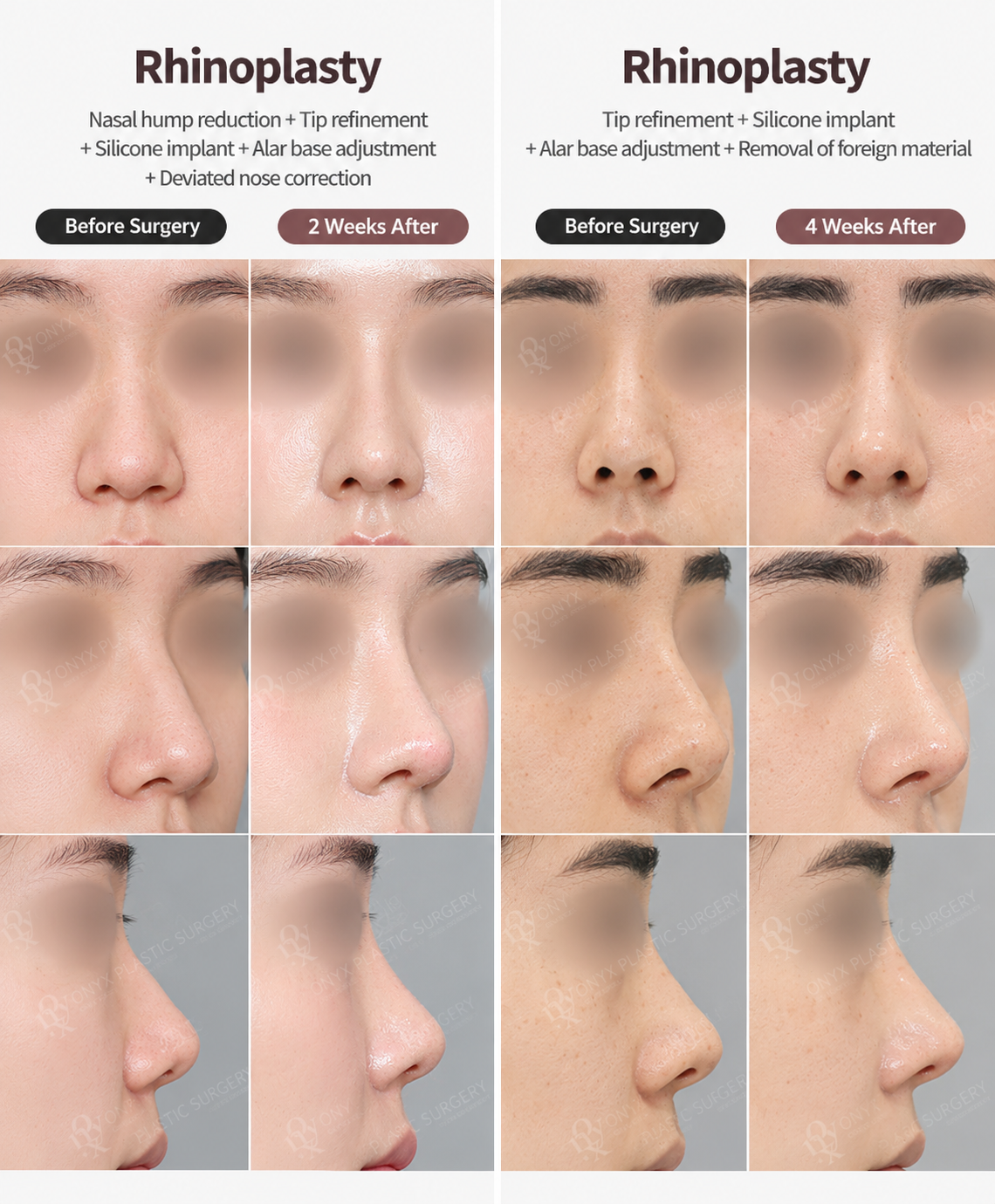
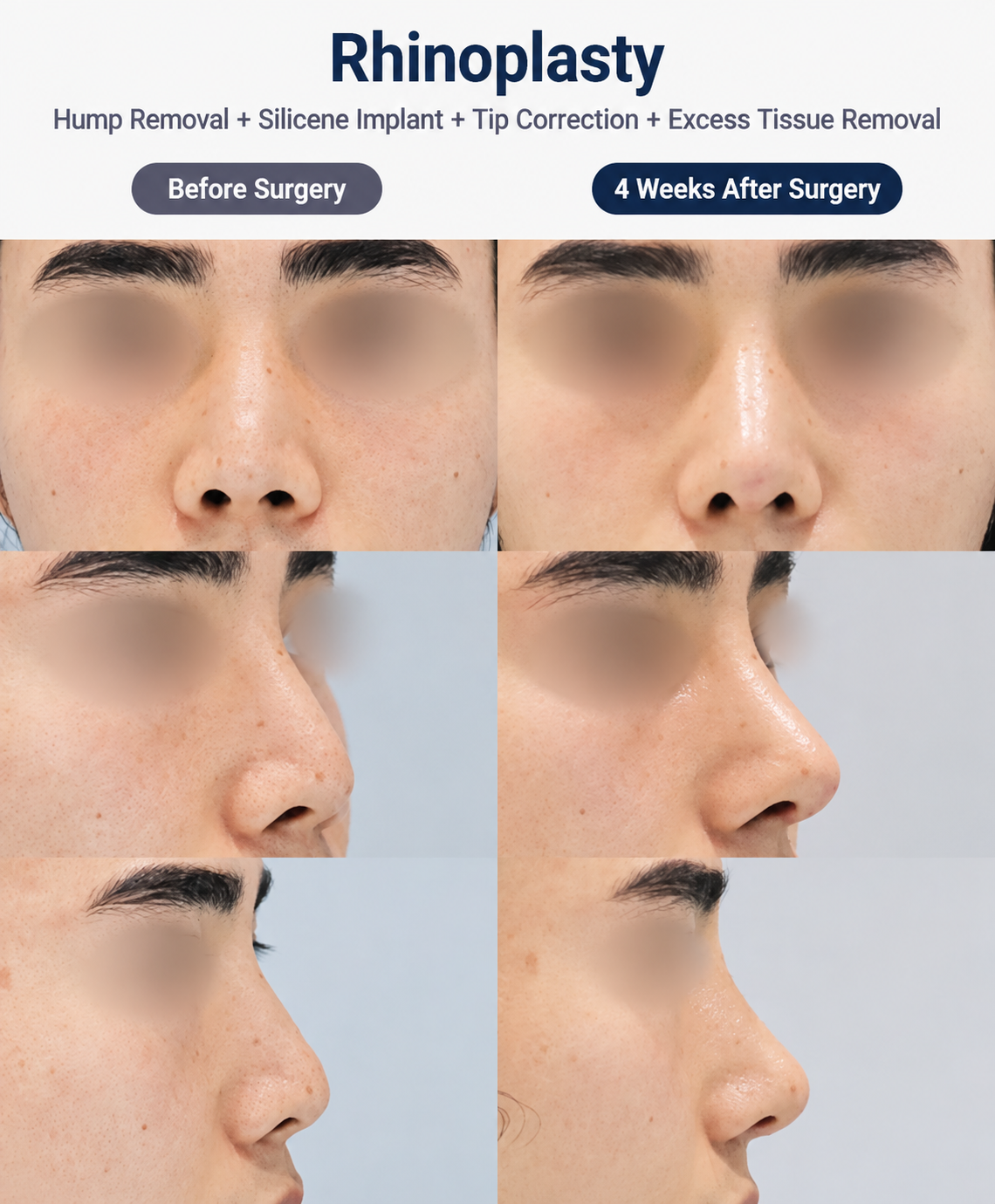
Alar reduction surgery is a cosmetic procedure designed to reduce the width of the nostrils or reshape the outer edges of the nose, known as the alae. It is often performed on its own or as part of a rhinoplasty procedure to create better facial balance and improve overall nasal proportions. The surgery is highly individualized, with the amount of reduction carefully planned to maintain a natural appearance.
What Is Alar Reduction?
The procedure focuses on modifying the size or shape of the nostril area without necessarily changing the entire nose.
Common objectives include:
- Narrowing wide nostrils
- Improving facial harmony
- Creating better symmetry
- Refining the nasal base
- Enhancing overall proportions
- Reducing nostril flare
- Achieving a natural-looking result
The approach depends on each patient's anatomy and aesthetic goals.
Who May Be a Good Candidate?
Alar reduction may be suitable for individuals who are concerned about the width or shape of their nostrils.
Potential candidates may include those with:
- Wide nostrils
- Prominent nostril flare
- Broad nasal base
- Asymmetrical nostrils
- Disproportionate nostril shape
- Stable overall health
- Realistic expectations
A detailed consultation is necessary to determine whether the procedure is appropriate.
Common Surgical Techniques
The surgical method is selected based on the patient's facial features and desired outcome.
Techniques may include:
- Alar base reduction
- Nostril reshaping
- Tissue excision
- Symmetry correction
- Combined rhinoplasty
- Structural refinement
- Customized incision placement
The amount of tissue removed is carefully planned to preserve balance and function.
Can It Be Combined With Rhinoplasty?
Alar reduction is frequently performed alongside other nasal procedures.
It may be combined with:
- Bridge augmentation
- Tip refinement
- Structural rhinoplasty
- Functional correction
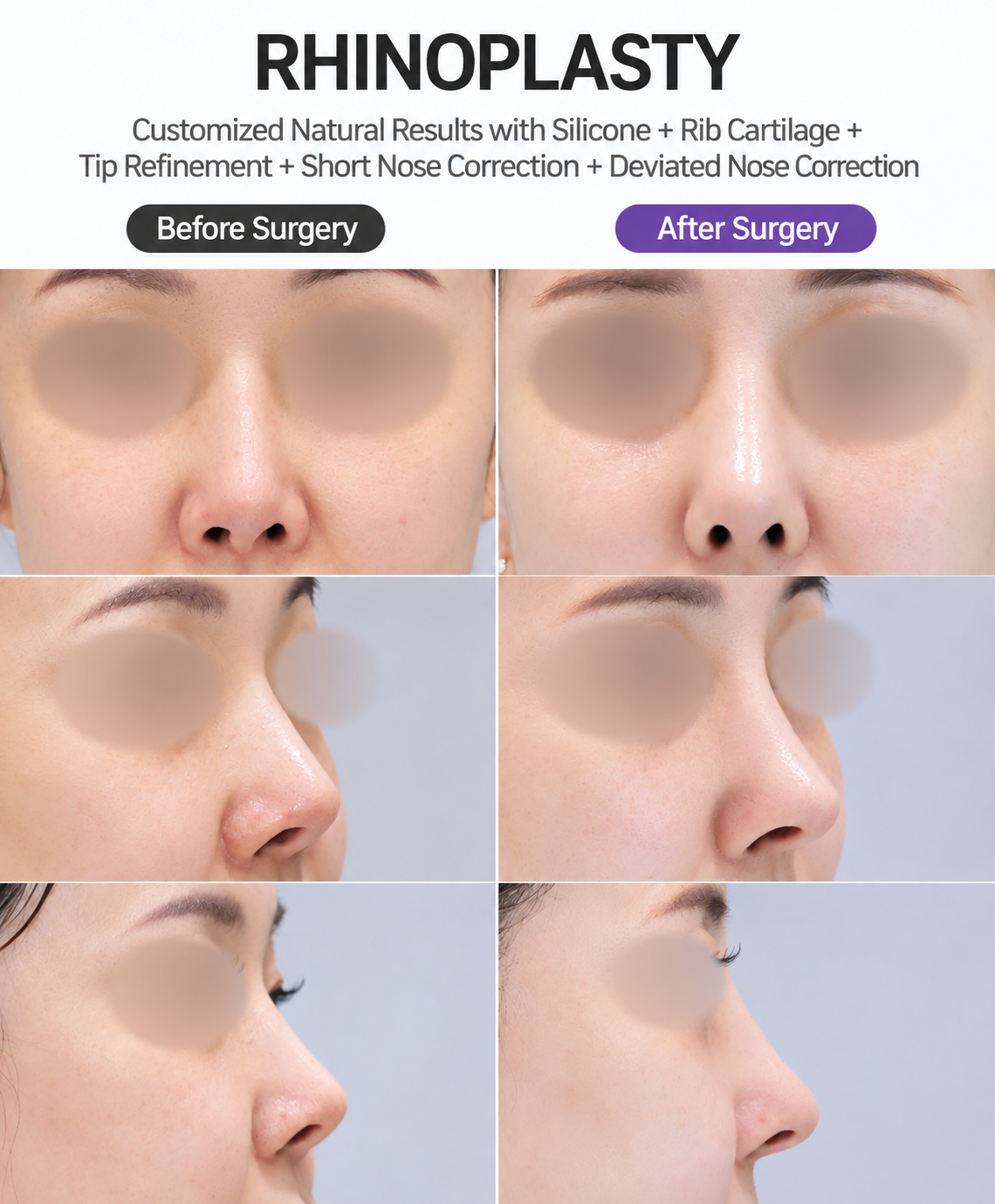
- Cartilage grafting
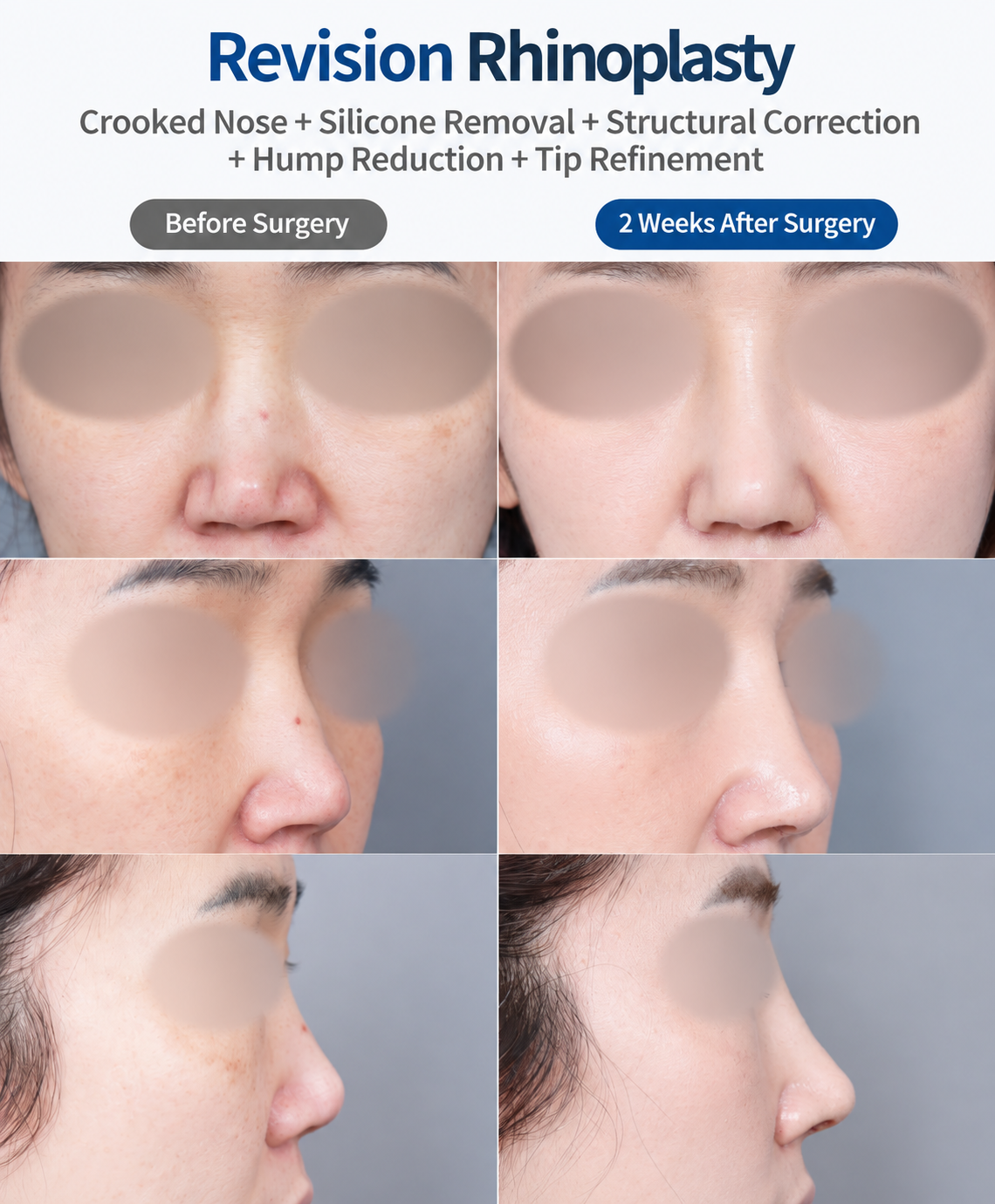
- Revision rhinoplasty
- Septal procedures
Combining procedures may help achieve a more harmonious overall result.
Recovery Expectations
Recovery varies depending on whether alar reduction is performed alone or with additional surgery.
Patients may experience:
- Mild swelling
- Temporary redness
- Minor bruising
- Tenderness around the nostrils
- Gradual healing
- Progressive scar maturation
- Ongoing refinement over several months
Following postoperative instructions is important for proper healing.
Scar Considerations
Incisions are typically planned to make scars as discreet as possible.
During healing, patients may notice:
- Temporary redness
- Mild firmness
- Gradual fading
- Progressive softening
- Less noticeable scars over time
- Continued scar maturation
- Improved appearance with healing
Scar visibility varies among individuals.
Factors That Influence the Results
Every patient's anatomy is different, and treatment plans are personalized accordingly.
Important considerations include:
- Facial proportions
- Nostril shape
- Skin quality
- Healing characteristics
- Symmetry
- Surgical goals
- Long-term balance
The objective is to create results that complement the rest of the face rather than overcorrect the area.
Questions to Discuss Before Surgery
Before proceeding with alar reduction, consider asking your surgeon about:
- Recommended technique
- Expected degree of reduction
- Scar placement
- Recovery timeline
- Potential risks
- Combination with rhinoplasty
- Follow-up care
A thorough consultation helps establish realistic expectations and an individualized treatment plan.
Final Thoughts
Alar reduction surgery is a personalized procedure designed to improve nostril shape and nasal proportions while maintaining a natural appearance. Whether performed alone or as part of a rhinoplasty, careful surgical planning and realistic expectations are essential for achieving balanced, long-lasting results that complement each patient's unique facial features.